

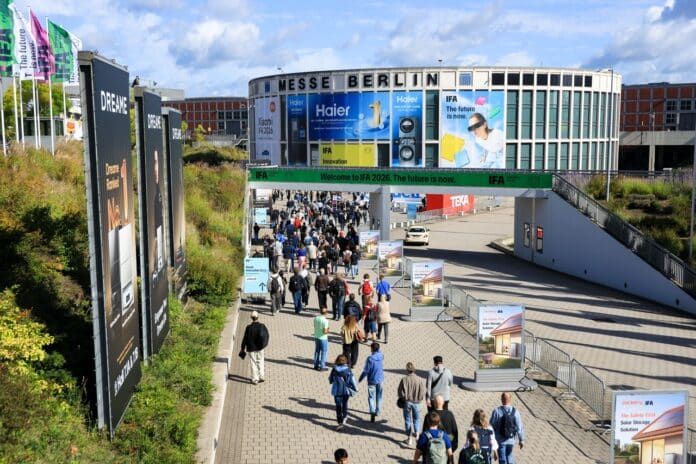

IFA Berlin, one of the largest events in the world for consumer electronics, home appliances, and future tech, spent its opening days making one thing clear: artificial intelligence is no longer being pitched as a bonus feature bolted onto a gadget. It’s becoming the connective tissue running underneath entire homes, kitchens, gardens, and even robots that dance on stage. Across keynotes, panels, and sprawling show floors, the message from manufacturers and researchers alike was consistent. The technology is only worth something if it quietly makes life easier, not if it adds another app to manage or another setting to configure.
IFA 2026 kicked off with AMD’s opening keynote on the Innovation Stage, where Jack Huynh, Senior Vice President and General Manager of the company’s Computing and Graphics Group, laid out his vision for what he called the era of Personal AI. Huynh argued that computers are entering a phase where raw power matters less than understanding, meaning machines that grasp what a person is doing, what they’re trying to achieve, and what matters to them in a given moment.
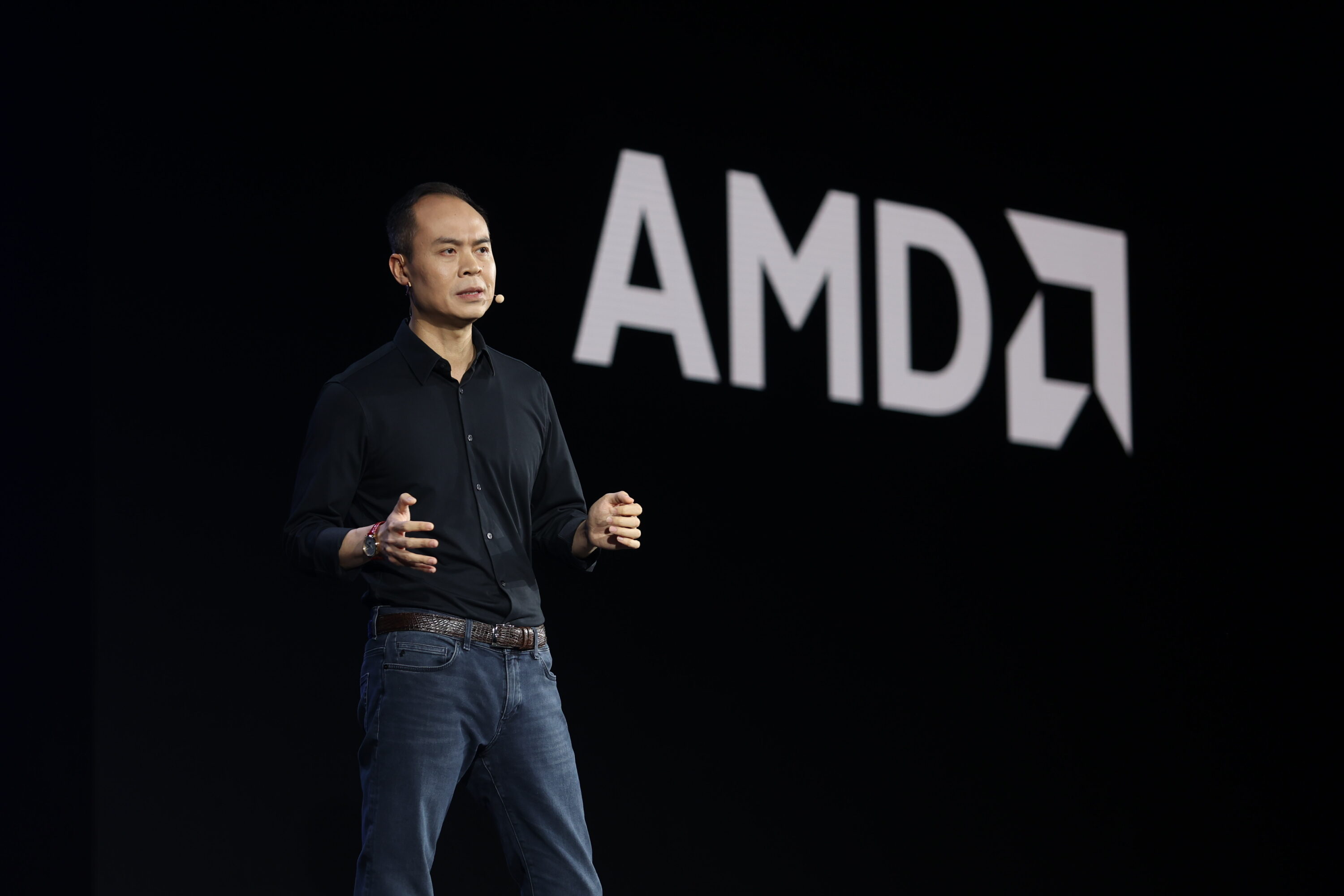
He pointed to research, healthcare, and mobility as places where this shift is already visible, citing AI’s growing role in cancer research and the development of new energy concepts. In his framing, AI is following a path similar to electricity: something that starts as a novelty and ends up woven so thoroughly into daily life that people stop noticing it’s there. He extended that idea to the workplace too, describing AI as a tool meant to cut down on repetitive tasks and support collaboration rather than replace human judgment.
“We are entering a new era of computing, where AI will change not only how we use technology, but what we can imagine, create, and accomplish with it,” Huynh said, adding that open infrastructure and consistent software tools are what will let organizations build and deploy AI applications safely at scale.
If there was a theme running through IFA’s home technology panels, it was a pushback against complexity for its own sake. During “AI in the Kitchen: Helpful, Hype, or Harmful?”, a panel featuring Dr. Stefan Breit of Miele, Dr. Victoria Spadaro Grant of Tate & Lyle, and Eelco Lammertink of BSH Home Appliances Group, the consensus was that nobody actually wants to learn a new set of programs and dials. People want a good meal to come out of the oven, full stop. The panel, moderated by Surj Patel of The Spoon, also touched on an aging population’s changing nutritional needs, and how connected appliances might eventually help older adults live independently for longer.
Miele’s own Dr. Markus Miele, Executive Director and Co Proprietor of the company, expanded on that idea in his keynote titled “The End of Housework Is in Sight: Innovating in the Age of AI.” His pitch was that sensors and AI should eventually be able to identify a load of laundry by fabric type and color and just pick the right cycle automatically, sparing users from ever touching a settings dial. In his words, premium in the future won’t mean more options. It will mean fewer decisions.
That same philosophy carried into “Design for a Human Centered Smart Home,” a panel with representatives from Smart Design, Electrolux, and Springhouse Technologies. The group focused on how to design connected homes that earn trust rather than demand attention, weighing intuitive controls and sustainability against the need for transparency and user control. A related showcase from WGSN and TCL, called “The Sensory Intelligent Home,” pushed the idea further, framing the smart home not as a pile of connected gadgets but as a single responsive environment built from AI, sensors, and design working together.
Health and wellbeing were never far from the conversation either. The panel “How Tech Will Transform Food, Health, and Longevity at Home” explored how appliances, wearables, and digital health tools might eventually work in concert, using personal data to tailor nutrition and habits so people can stay independent at home longer. Naturally, that raised the now familiar question of data privacy, with speakers agreeing that responsible handling of personal health data will only become more important as these systems get more capable.
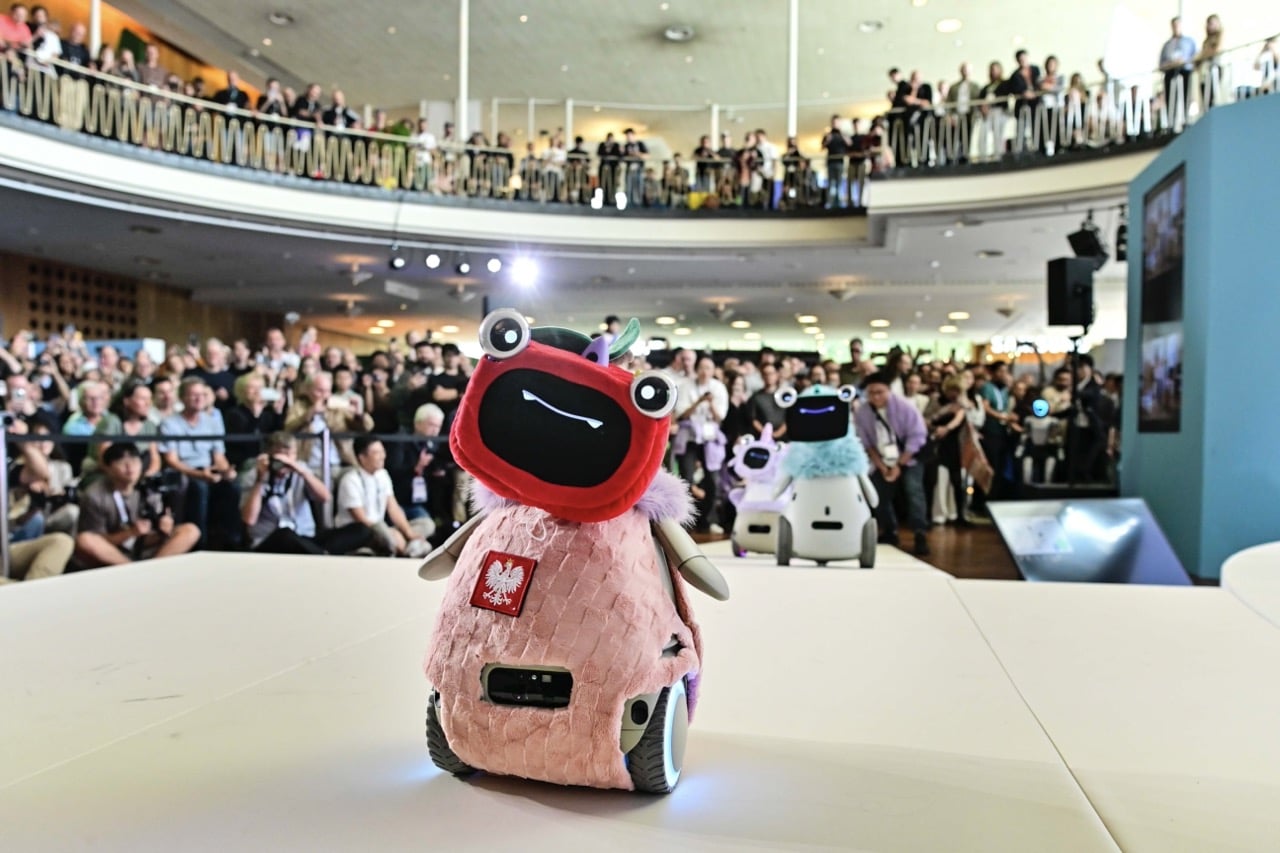
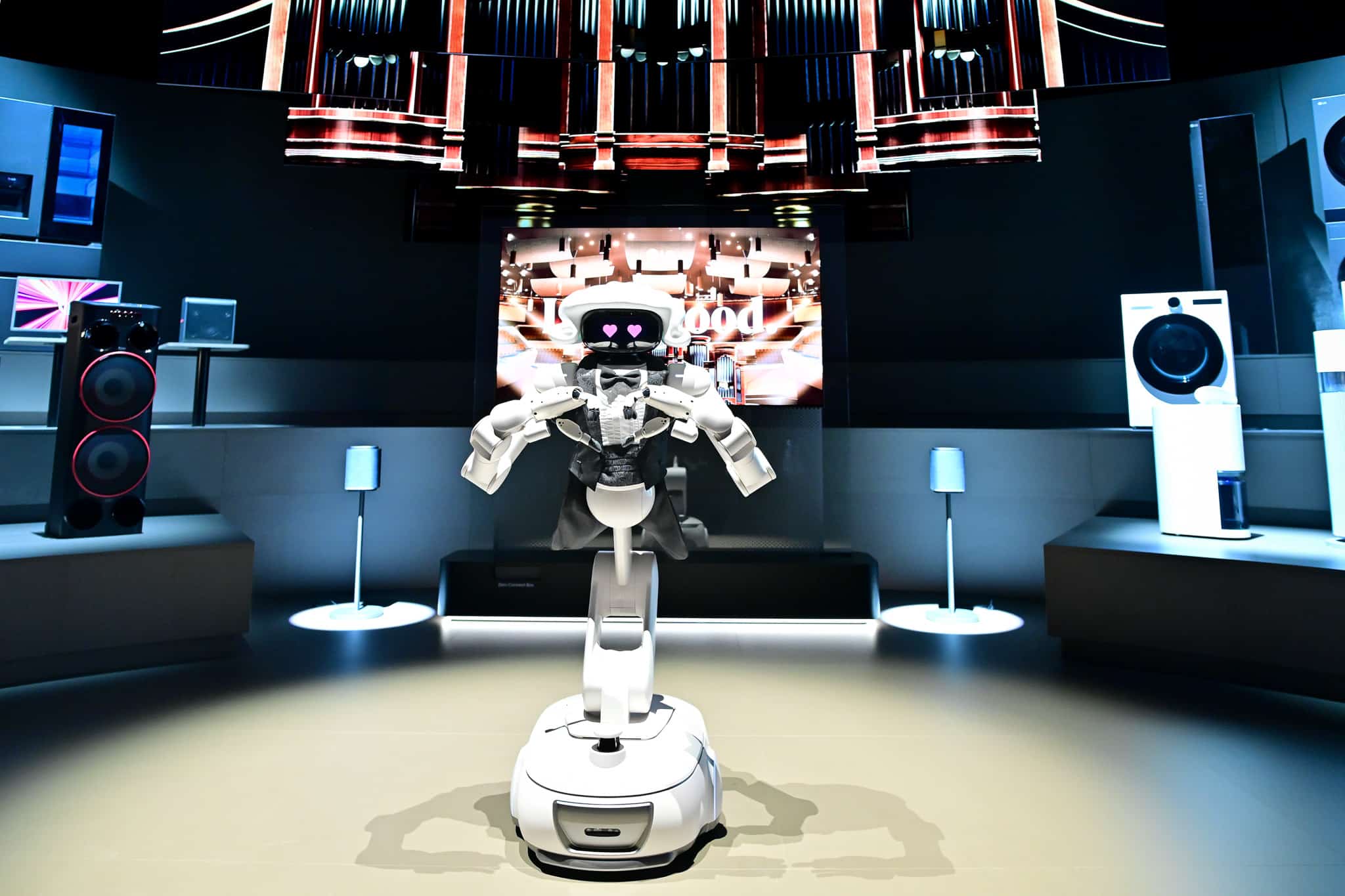
Robotics had arguably the biggest physical presence at IFA this year. Humanoid robots performed backflips and Tai Chi routines during the widely attended “Robots on the Runway” show on the IFA Creator Stage, a live spectacle blending technology with entertainment. Beyond the acrobatics, the show featured robotic systems built to interact with pets and a four legged robot demonstrated as a tool for search and rescue in fires and other emergencies. Attendees got a chance to meet the robots afterward.
More brands than ever brought humanoid robots to the show floor this year, including PrimeBot Robots, EngineAI, Cozio Robotics, Dobot Robot, DEEP Robotics, Agibot, Unitree, ZBy Mind with Heart, Ollobot, Astrall Dynamics, and AIMOGA.
David Reger, founder and CEO of NEURA Robotics, used his keynote “From Europe, for the World: Building the Ecosystem for Physical AI” to make the case that robotics is becoming a strategic priority for major economies, driven largely by demographic shifts and labor shortages. Reger described Physical AI as the next evolutionary step beyond software based AI, arguing that it allows machines to actually perceive their surroundings and respond to changes rather than simply process information.
That same idea showed up in a more domestic setting during the Smart Living Forum panel “Robots in the Kitchen and Home: From Task Specific Tools to Humanoids,” which brought together Jennifer Pattison Tuohy of The Verge, Raghav Gupta of Posha, Michael Wolf of The Spoon, Dr. Glenn Mathijssen of Alberts Products and Circus Group, and Jiyuan Zou of PrimeBot Robots. Zou brought a small humanoid robot onstage and argued that the goal for kitchen robotics shouldn’t stop at chopping vegetables. He wants robots that understand a family’s routines, tastes, and the emotional weight a kitchen carries as a shared space.
Meanwhile in Hall 15, RoboCup gave a glimpse of where autonomous systems are headed academically. Student and research teams, including Germany’s reigning runner up in the World Championship league for the smallest humanoid robots, competed in autonomous robot football matches that required the machines to analyze the game and coordinate with teammates without human input.
Major appliance makers used IFA to show how they’re stitching AI across entire product lineups rather than treating it as a single feature. Haier introduced a connected home ecosystem under the banner “Home of Intelligent Possibilities,” integrating appliances, services, and user experiences on one platform, with AI handling tasks like analyzing laundry loads and identifying food items during cooking. The company also showed off humanoid robots, cleaning and companion robots, and AI supported exoskeletons. On the business side, Haier announced it will become a global partner of the UEFA Champions League starting with the 2027/28 season, a four year deal.
TCL positioned AI as the glue holding its product range together, from televisions and phones to air conditioners and washing machines. The company’s pitch for its TVs in particular was notable: rather than just a screen, TCL wants its televisions to function as a personal AI hub capable of understanding natural conversation, surfacing content, and controlling other smart home devices.
Hisense unveiled its own vision under the name “Companion Living,” which links televisions and appliances together to recognize household needs and simplify everyday tasks across cooking, laundry, climate control, and energy management. The company also confirmed it will continue its partnership with UEFA EURO 2028.
Not every announcement at IFA centered on robots or ecosystems. SEVERIN introduced its new AI Series, extending intelligent features across categories from food preparation to hair styling, while Beurer focused on health and wellbeing products spanning heat therapy, dental care, fever measurement, indoor climate monitoring, and insect bite treatment, all built around simple, intuitive operation.
Womanizer took a different angle on beauty tech at the Beauty Hub, where Verena Singmann, Head of Global Public Relations, and Elisabeth Neumann, Head of User Research, hosted a Creator Stage panel titled “The Glow You’re Missing: Why Pleasure Is the Ultimate Beauty Tech.” The discussion covered the brand’s origins and made the case that pleasure belongs in the broader conversation about health and wellbeing technology.
IFA also extended its footprint well past the front door this year with a dedicated Outdoor Cooking & Gardening show area, reflecting organizers’ view that the smart home concept shouldn’t stop at the patio. Exhibits ranged from connected grilling and barbecue equipment to smart irrigation systems that water plants based on actual soil needs, autonomous robotic mowers, and sensors that track weather and soil conditions in real time. As with the indoor exhibits, efficiency was a recurring thread, with several exhibitors highlighting new materials and systems designed to cut down on water and energy use outdoors.
Leif Lindner, CEO of IFA Management GmbH, summed up the throughline of this year’s show by pointing to robotics and AI as the two forces shaping everything else on display. “Humanoids on the runway, Physical AI and intelligent robotic systems for the home demonstrate the wide range of possible applications,” Lindner said, noting how quickly the technology has moved from speculative to tangible. “Visitors can now experience first hand what seemed like science fiction only a few years ago.”
Taken together, the panels, keynotes, and product showcases at IFA Berlin 2026 point toward a smart home industry trying to shed its reputation for complexity. Whether it’s a washing machine picking its own cycle, a television acting as a household’s AI hub, or a robotic mower reading soil moisture on its own, the pitch from nearly every exhibitor was the same: the most advanced version of this technology is the one users barely have to think about.
