

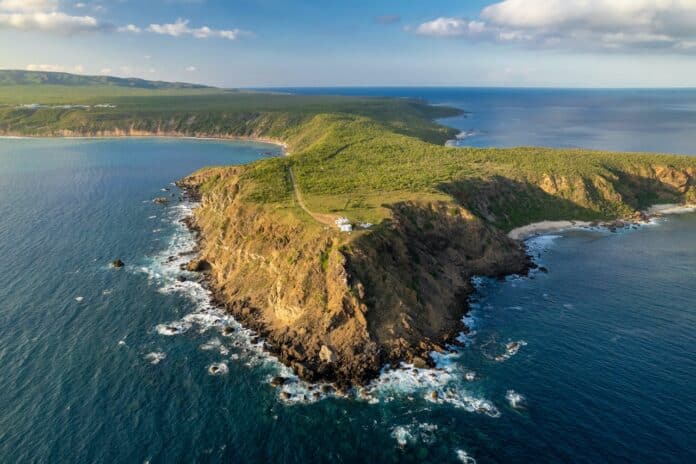

Few places in Mexico carry as much contrast as the Islas Marías. Tucked more than one hundred kilometers into the Pacific Ocean off the coast of Nayarit, this remote archipelago spent over a century as one of the most feared penal colonies in Latin America. Today, those same isolated shores, dense jungles, and turquoise waters have been reborn as one of the most unique eco-tourism destinations on the planet. Travelers who make the journey find a world that is still raw, largely untouched, governed by the Mexican Navy, and teeming with wildlife that exists nowhere else on earth.
To visit the Islas Marías is to step into a story that spans geology, colonial history, political exile, ecological wonder, and now cautious reinvention. The islands are not a resort. They are not a beach club. They are a living biosphere reserve where the ghosts of a dark past share space with nesting blue-footed boobies, endemic parakeets, and coral reefs slowly recovering from decades of neglect. For the traveler willing to trade familiar comforts for something genuinely extraordinary, few destinations in Mexico reward the effort as deeply as this one.
Geography and the Landscape of the Archipelago
The Islas Marías archipelago sits in the Pacific Ocean approximately one hundred kilometers west of the port town of San Blas in the state of Nayarit, and roughly three hundred and seventy kilometers southeast of the tip of the Baja California Peninsula. The islands are administratively part of the municipality of San Blas, Nayarit, though their remoteness gives them a character entirely distinct from anything on the mainland.
The archipelago is made up of four principal islands, each with its own personality and ecological role. Isla María Madre is the largest, covering approximately 145 square kilometers and rising to a maximum elevation of 620 meters. It is the only island with any human infrastructure, making it the base for all visitor activity. Isla María Magdalena, the second largest at around 70 square kilometers, was never used as part of the prison complex and as a result feels far wilder and more untouched, its rugged hills and rocky coves forming a refuge for seabirds and endemic reptiles. Isla María Cleofas, at roughly 20 square kilometers, is the most southern and least accessible of the group, essentially a fortified outcrop of rock and dense vegetation with little flat ground. Finally, Isla San Juanico is the smallest, just nine square kilometers, and functions primarily as a critical breeding station for several protected seabird species.
Geologically, the Islas Marías are not volcanic in origin. Scientists believe they are fragments of continental crust left behind when the Baja California Peninsula separated from mainland Mexico millions of years ago. The rocks found on the islands correspond closely to those found near Cabo San Lucas and Puerto Vallarta, supporting the theory that the entire chain was once physically connected to the Nayarit coast as recently as three million years ago in the Late Pliocene era. This continental origin, combined with millions of years of isolation, is precisely why the islands harbor species found nowhere else on earth.
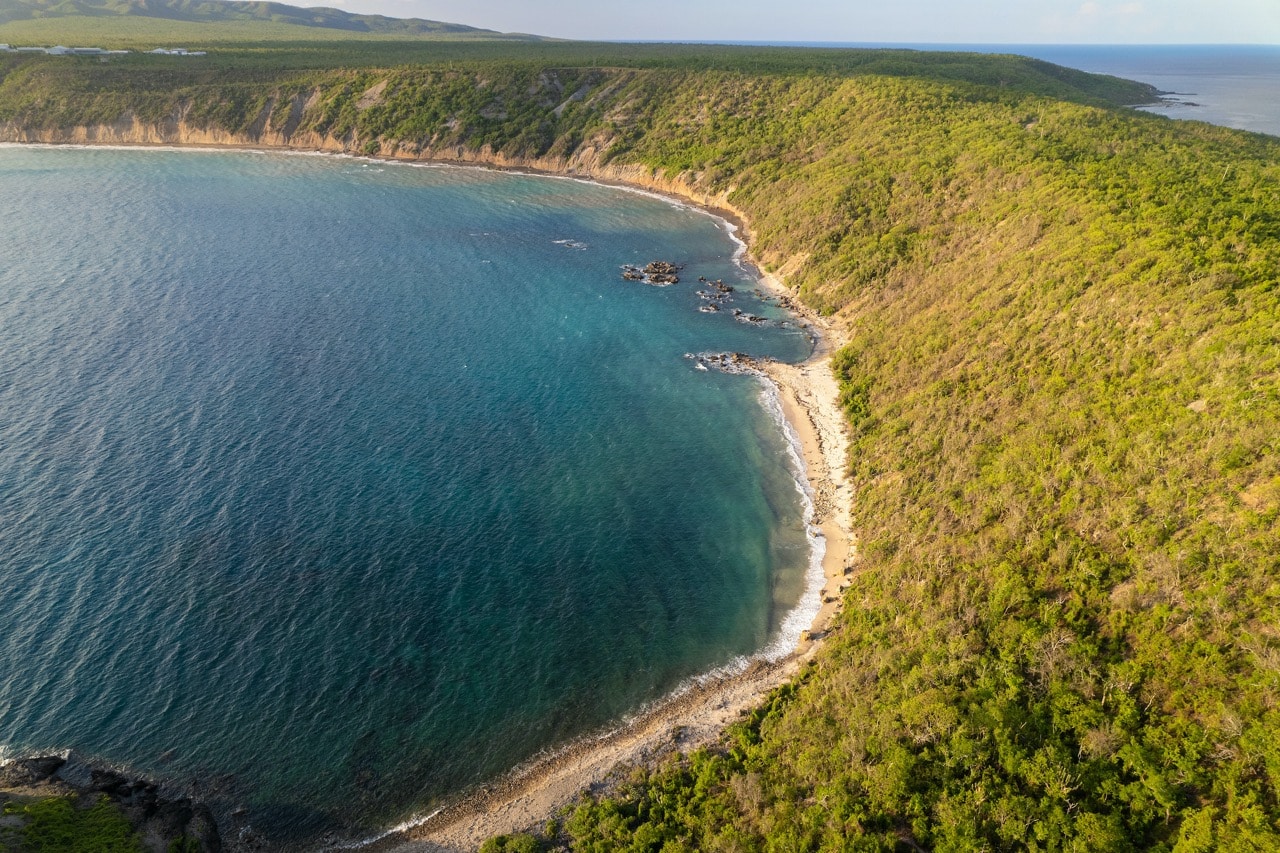
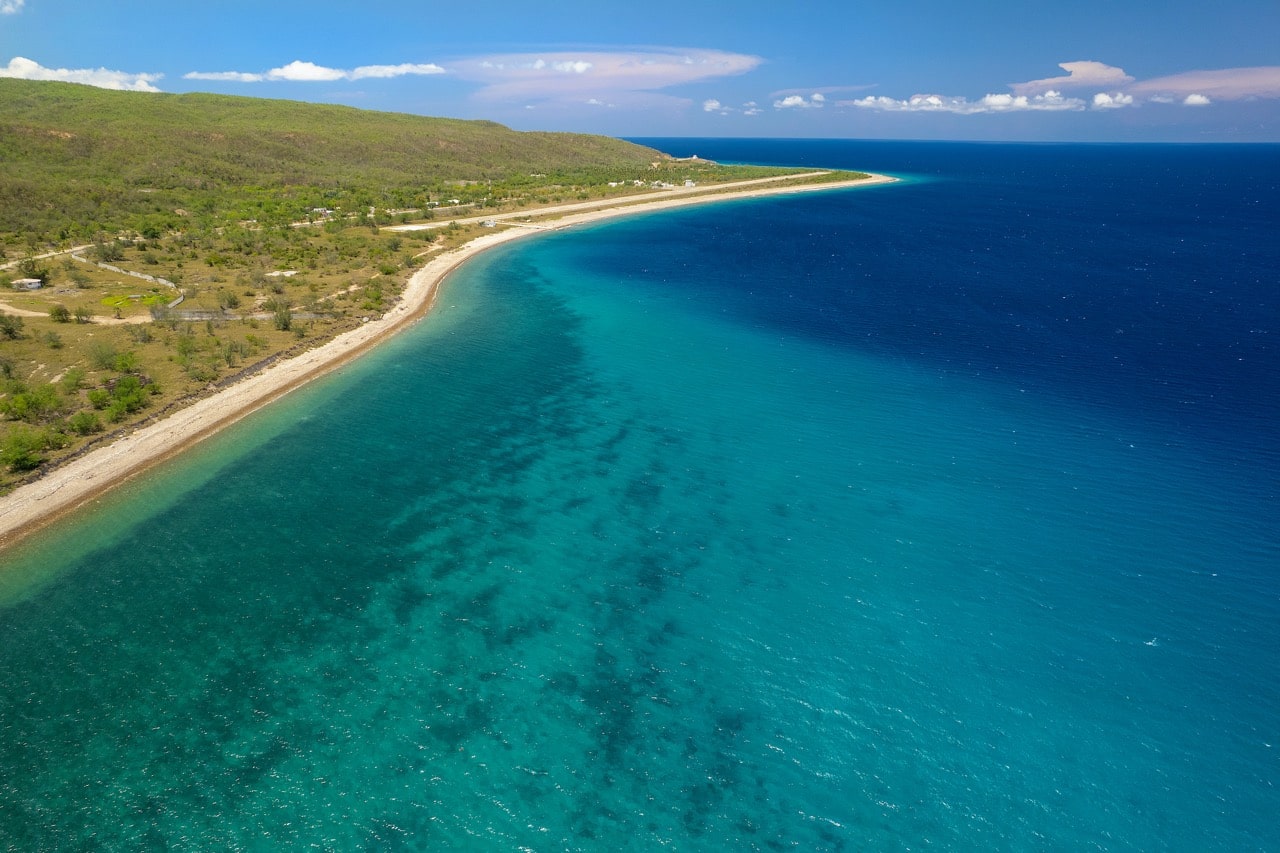
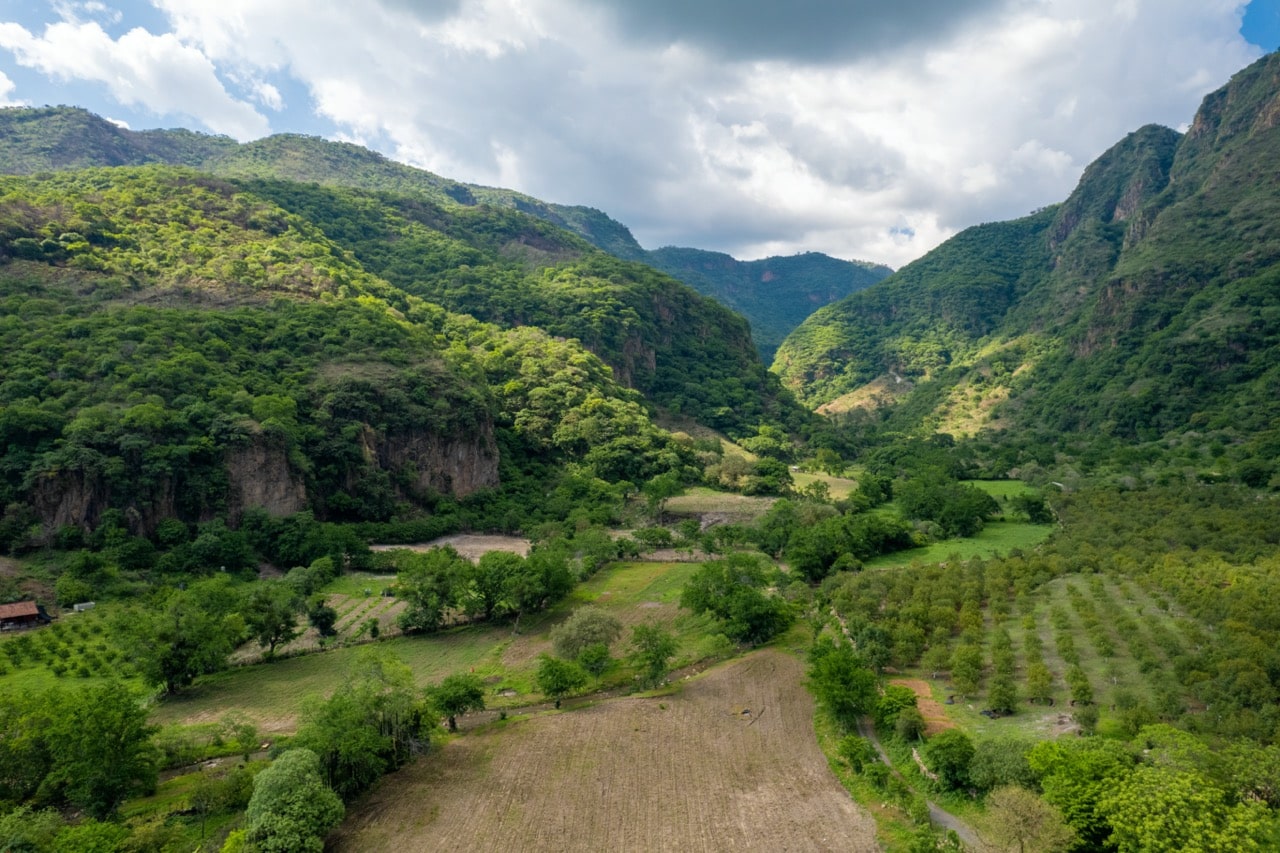
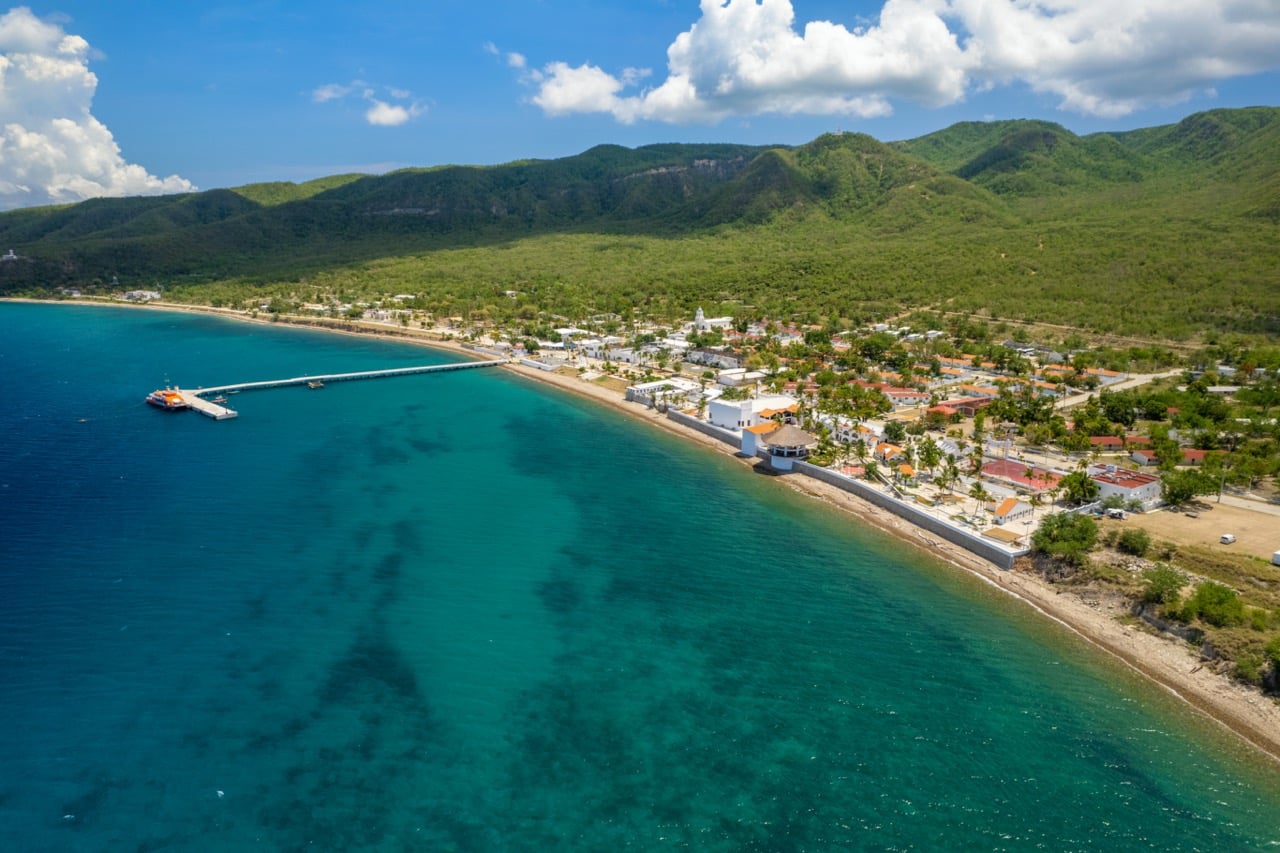
The terrain on Isla María Madre varies dramatically from the gentle slopes and small bay of Puerto Balleto, the island’s only town, to steep jungle ridges, dramatic coastal bluffs, and secluded beaches accessible only by boat. The climate is tropical, humid, and shaped by the Pacific currents. Temperatures are warm year-round but moderated by ocean breezes, and the landscape shifts between lush green in the rainy season and drier, golden vegetation during the dry winter months.
Ecology and Wildlife: Mexico’s Galápagos
Birds
The islands are one of the most important seabird breeding grounds on the Pacific coast of Mexico. Isla San Juanico in particular functions as a critical nesting site for the Blue-footed Booby, a species whose comically exaggerated azure feet have made it one of the most photographed birds in the world. Also nesting on the islands are the Heermann’s Gull and the Brown Pelican, both species of conservation concern. Perhaps most remarkable are the endemic parrots: the Yellow-headed Parrot and the Three Marías Parakeet, a subspecies of the Lilac-crowned Parrot that is found exclusively on these islands. Birdwatchers visiting from the mainland will find the islands to be one of the most rewarding locations anywhere in western Mexico.
Marine Life
The waters surrounding the archipelago form a no-take zone covering more than 641,000 hectares, making it one of the ten largest protected natural areas in all of Mexico and among the most significant marine reserves on the continent’s Pacific coast. The reefs surrounding Isla María Magdalena in particular are known for exceptional water clarity and abundant marine life. Visitors on guided snorkeling and diving excursions can encounter the Cortez Angel and the King Angel, two species of angelfish that receive special protection under Mexican environmental law. Sea turtles are also regularly observed in the waters around the islands, and the humpback whales that gather each winter in the nearby Banderas Bay are sometimes visible from the ferry crossing between November and March.
Endemic and Terrestrial Species
The islands’ terrestrial fauna includes several species and subspecies that have adapted over millions of years to the unique conditions of the archipelago. The isolation that made the islands such an effective prison is the same force that drove evolutionary divergence, producing creatures subtly but meaningfully different from their mainland counterparts. Ongoing biological research on the islands continues to document species that were previously unknown to science, and biologists note that significant portions of the island’s interior remain poorly studied, suggesting there may be further discoveries to come.
Conservation Challenges
The opening of the islands to tourism, while economically important and politically significant, presents genuine conservation challenges. Decades of illegal fishing by boats from Nayarit and Jalisco have depleted fish stocks in parts of the reserve, and enforcement across such a large marine area is inherently difficult. The Mexican Navy, conservation organizations including Pronatura Noroeste, and the federal environmental agency CONANP have partnered to deploy marine monitoring technology, including real-time surveillance systems and rapid response teams, to protect the no-take zone. The government’s stated goal is to develop a model of low-impact eco-tourism that funds conservation while keeping the ecosystem essentially intact, a balance that will require ongoing vigilance and careful management.
Getting There
Reaching the Islas Marías is itself part of the adventure. Given their position more than one hundred kilometers from the Nayarit coastline, there is no casual way to arrive. Every visit requires advance planning, and as of 2025 there are two options: by sea aboard the official government ferry, or by weekly flight from Tepic.
By Ferry
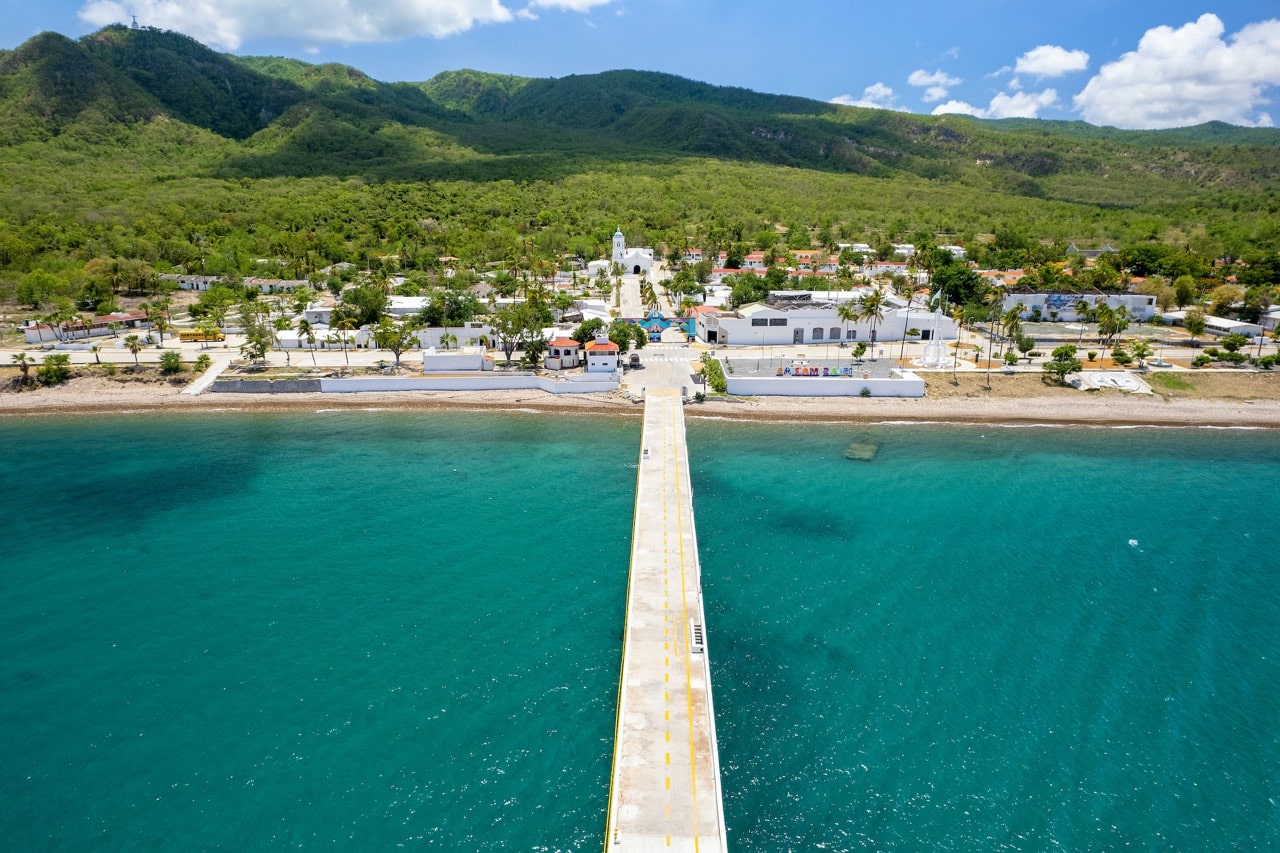
The primary and most popular way to reach the islands is by ferry, operated by the Mexican Navy and departing once per week, every Friday at 8:00 in the morning. The ferry alternates weekly between two departure ports: the charming and historically rich beach town of San Blas on Nayarit’s coast, and the larger resort city of Mazatlán in Sinaloa. Return ferries depart from Puerto Balleto on the island every Sunday at 11:00 in the morning, meaning that all visits are structured around a three-day, two-night stay on the island.
The ferry journey takes approximately three to four hours each way depending on sea conditions. The vessels are comfortable and well-maintained, with assigned seating, climate-controlled interiors, a small snack bar, and onboard entertainment. A small sack lunch is provided to passengers on the outbound crossing. Be sure to bring a warm layer even in summer months, as the air conditioning can be very cold inside the cabin. Cell service typically drops about an hour into the journey, so downloading any entertainment or maps beforehand is strongly recommended. There is no WiFi available on board.
Upon arriving at the port of departure, travelers will be met by uniformed military personnel and trained security dogs conducting bag inspections. This security presence is a reminder that the island remains under the administration of the Mexican Navy, and visitors should treat all instructions from naval personnel with respect. No food of any kind may be brought onto the island from the mainland, a regulation strictly enforced to prevent the introduction of invasive species into the biosphere.
By Air
As of October 2024, a weekly flight connects Tepic, the capital of Nayarit state, with the small airfield adjacent to Puerto Balleto on Isla María Madre. This service, operated in partnership with the regional tourism board, offers a faster and more dramatic approach to the islands, with aerial views of the archipelago that are simply not available from sea level. Travelers coming from Guadalajara, Puerto Vallarta, or Mexico City can connect through Tepic for this service. Current schedules and bookings are managed through the official Islas Marías website.
Tip: Regardless of whether you fly or sail, you must book your entire visit as a package through the official website at visitaislasmarias.com. Independent arrival is not permitted. Packages must be reserved at least two weeks in advance due to weather and logistical considerations.
Planning Your Visit: Practical Information
Booking Your Package
All visits to the Islas Marías must be booked through the official government website. The packages are all-inclusive in nature and cover round-trip ferry transportation, accommodation for two nights, all meals served in the island’s cafeteria, guided tours led by trained Biosphere Protectors, hiker’s insurance, and entrance to the natural protected area. Ferry seat options range from tourist class at approximately 3,500 Mexican pesos per person to executive class at 3,800 pesos, and private cabins at around 4,000 pesos that can accommodate up to eight people. Meals for the duration of the stay are available for approximately 1,900 pesos per person and cover buffet-style breakfasts, lunches, and dinners. Accommodation options range from renovated dormitory-style hostel rooms to larger homes that once housed government officials and their families, many of which are suitable for groups.
Money
There is no ATM on Isla María Madre, and there are no facilities capable of processing credit or debit cards anywhere on the island. This is a critically important detail that catches many visitors off guard. All incidental spending on the island, whether for bike rentals, drinks at the cafeteria bar in the evenings, or souvenirs at the small artesanías shop, must be paid in cash in Mexican pesos. Visitors are strongly advised to withdraw sufficient pesos before boarding the ferry in San Blas or Mazatlán, where ATMs are available in town near the port. A reasonable daily cash budget for incidentals is 300 to 500 pesos per person, in addition to any prepaid package costs.
What to Pack
Packing thoughtfully is essential for a comfortable visit to the Islas Marías. The island provides basic but functional accommodation, and the goal of the experience is engagement with nature and history rather than resort luxury. Visitors should bring high-SPF sunscreen and apply it liberally, as the tropical sun is intense and much of the touring is done outdoors. A wide-brimmed hat and lightweight long-sleeved clothing offer additional protection. Good walking shoes or lightweight hiking boots are important, as many of the island’s trails traverse uneven and sometimes steep terrain. Insect repellent is highly advisable, particularly during the rainy season when mosquitoes can be active.
A warm layer for the ferry crossing is essential regardless of the time of year, as the cabin air conditioning is genuinely cold. Binoculars are worth every gram of the weight, given the quality of birdwatching available. Snorkeling gear can be brought from the mainland if you have your own, though tours will indicate what equipment is available on-island. A dry bag or waterproof case for electronics is useful for any boat-based activities. Physical books or downloaded content on a device will serve you well during the long ferry crossing and in the evenings, as entertainment options on the island are limited to what you bring and the natural environment around you.
Connectivity
Visitors accustomed to constant connectivity should prepare mentally for a genuine digital detox. Cell service on Isla María Madre is extremely limited to nonexistent for most carriers, and there is no public WiFi anywhere on the island. Signal typically disappears about an hour into the ferry crossing and does not return until you are well on your way back. This is, for many visitors, one of the most refreshing aspects of the experience. Plan ahead by downloading offline maps, informing family or friends of your itinerary, and saving any needed information to your device before departure.
Safety and Rules
The Islas Marías are administered by the Mexican Navy, and security on the island is both visible and effective. Crime is essentially nonexistent. That said, visitors should observe normal outdoor safety precautions: staying on marked trails during guided hikes, applying sun protection, staying hydrated, and being mindful of the ocean’s conditions when participating in water activities. Free exploration of the island outside of guided contexts is restricted, both for visitor safety and to protect sensitive ecological areas. The restrictions are enforced respectfully but firmly, and all visitors are expected to follow instructions from their guides and from naval personnel.
The island’s ecosystem is fragile and carefully monitored. No plants, animals, rocks, shells, or any natural material may be removed from the island. No food from the mainland may be introduced. Drones are not permitted without special authorization. Visitors found violating these rules face removal from the island and potential legal consequences under Mexican environmental law.
What to Do on the Island
Guided Tours and the Prison Heritage
One of the most haunting and memorable experiences available on the island is the guided tour of the former prison facilities. Visitors walk through spaces that once housed thousands of inmates, including maximum security areas where the conditions were by all accounts brutal. The guides, who are knowledgeable about both the history of the penal colony and the natural history of the islands, bring this dark chapter to life without sensationalism. The former administrative buildings, now operating as a cultural center named for José Revueltas, offer exhibits on the island’s history, its literary legacy, and its ecological importance. For anyone with an interest in Mexican social history, the experience is profound.
Puerto Balleto
The small town of Puerto Balleto, now designated a Pueblo Mágico, is the social and logistical heart of visitor life on the island. Arriving passengers walk from the long pier through colorful arches into a compact settlement that mixes repurposed institutional architecture with modest gardens and open plazas. The cafeteria serves as the main dining hall for all guests, offering plentiful and reasonably good buffet meals with accommodation for special dietary needs when possible. A bar area within the cafeteria serves beer and mixed drinks in the evenings, making it the natural gathering spot as the sun goes down over the Pacific. A small artesanías shop selling crafts from the broader region of Nayarit is the only retail establishment on the island, and again, cash is essential.
The Lighthouse
Perched on a ridge above Puerto Balleto, the island’s red and white lighthouse is one of the most distinctive landmarks on Isla María Madre. The 62-meter concrete tower casts two white flashes every ten seconds across the Pacific darkness, a navigational beacon for the fishing fleets and cargo ships that pass through these waters. The lighthouse is not open to visitors inside, but the ridge on which it sits offers spectacular sunrise views over the harbor and the surrounding ocean, and the ten-minute hike from the town center is well worth undertaking on any morning of your stay. Arriving early enough to catch the sunrise from this vantage point is one of the island’s great quiet pleasures.
The Christ Statue
High on a bluff overlooking Puerto Balleto and the harbor below stands a statue of Christ with arms outstretched, deliberately reminiscent of the famous Cristo Redentor overlooking Rio de Janeiro. The statue is accessible only via guided tour departing from the town, as independent hiking to the monument is not permitted. The views from the base of the statue, however, are among the most dramatic on the island, taking in the sweep of the harbor, the surrounding jungle-covered hills, and on clear days, the distant blue horizon of the open Pacific.
Birdwatching
For birders, the Islas Marías represent one of the most exceptional locations anywhere on Mexico’s Pacific coast. The endemic Three Marías Parakeet is found nowhere else on earth, and observing it in its native habitat is a genuine privilege. Blue-footed Boobies perform their famous foot-display courtship dances with apparent indifference to human observers, making for some of the most intimate wildlife encounters available anywhere in Mexico. Brown Pelicans glide in formation just above the wave tops, and numerous species of shorebirds, raptors, and forest birds inhabit the island’s diverse habitats from beach to highland jungle. Bring binoculars and a field guide to Mexican birds, and plan to dedicate at least one full morning to walking the island’s more vegetated trails with your guide.
Snorkeling and Marine Activities
The waters surrounding the archipelago, particularly those off Isla María Magdalena, are among the clearest and most biodiverse in the region. Guided snorkeling excursions offer the opportunity to observe reef fish, sea turtles, and the protected angelfish species in their natural habitat. The no-take marine reserve status means that fish populations, while recovering from past overexploitation, are healthier here than in many parts of coastal Mexico, and underwater visibility in calm conditions can be exceptional. Diving excursions are also available for certified divers through the island’s tour program. All water activities are weather-dependent, and the guides will assess conditions each day before confirming departures.
When to Visit
The Islas Marías can be visited year-round, but the different seasons offer markedly different experiences, and some periods are clearly preferable to others depending on your priorities.
December through March: Peak Season
The dry winter months represent the most popular time to visit, and for good reason. Temperatures are pleasantly warm, typically in the high 70s Fahrenheit, rain is minimal, and the skies tend to be clear. Most importantly, December through March coincides with the season when thousands of humpback whales migrate to the warm waters of Banderas Bay to breed and raise their calves. The ferry crossing during this season has a real chance of offering spectacular whale sightings, adding an extraordinary dimension to an already remarkable journey. The trade-off is that this is also the busiest and most expensive period, and the cooler evenings may be a touch chilly for swimming. Book well in advance for travel during this window.
April and May: The Sweet Spot
Many experienced travelers to the region consider April and May to be the optimal window for visiting the Islas Marías. The weather is warm and pleasant, prices are somewhat lower than in peak season, the whale season is winding down but the post-season crowds have not yet arrived, and the natural environment is at its most vibrant as the dry season transitions toward the first rains. Birdwatching is excellent during this period, and the ocean conditions tend to be calm and favorable for water activities.
June through October: Rainy Season
The rainy season brings lush green vegetation to the island but also the genuine risk of tropical storms and hurricanes, with August and September representing the peak of hurricane activity in the eastern Pacific. Ferry crossings can be canceled or delayed due to weather, and the heat and humidity during this period are more intense. The most dramatic storm on record in recent history, Hurricane Willa in October 2018, passed directly over the archipelago at Category 5 intensity. Travelers visiting during the rainy season should be flexible with their itineraries, purchase travel insurance, and monitor weather forecasts carefully.
November: Transition Season
November represents a transitional month that can offer excellent value and reasonably good conditions. The rains are diminishing, temperatures remain warm, the whale season is just beginning, and the island tends to be quieter than during the peak winter months. For travelers with some flexibility and an adventurous spirit, November can be a rewarding time to visit.
Combining Your Visit with Broader Nayarit
Because the ferry from the mainland side departs only once a week on Fridays, most visitors to the Islas Marías will spend several days on the Nayarit coast before or after their island visit. This is not a hardship. Nayarit is one of Mexico’s most appealing and underrated Pacific states, combining world-class surf breaks, charming small towns, excellent gastronomy, and some of the most spectacular natural scenery on the continent.
San Blas
San Blas, the primary ferry departure town, deserves more time than most visitors give it. This former colonial port, once one of the most important in all of New Spain, has aged into a pleasantly sleepy beach town of genuine character. The old Spanish fort, La Contaduría, sits atop a bluff above the estuary and offers views over the mangrove-lined river mouth and the Pacific beyond. The town’s estuary is one of the most celebrated birdwatching destinations in all of Mexico, with an astonishing diversity of species concentrated in the mangroves. San Blas is also famous, or perhaps infamous, for its jejenes, tiny biting midges that can be fierce at dawn and dusk, so bring repellent and a sense of humor. The local seafood, particularly the fresh fish tacos and the shrimp dishes for which Nayarit is famous, is excellent.
Sayulita
About two and a half hours south of San Blas by road, the small town of Sayulita has evolved from a quiet fishing village into one of Mexico’s most fashionable surf towns, drawing a cosmopolitan mix of international surfers, yoga practitioners, digital nomads, and families seeking an alternative to the large resort developments of nearby Puerto Vallarta. The town’s colorful streets, excellent restaurants, and relaxed atmosphere make it an ideal place to decompress before or after the more structured experience of the island visit.
Puerto Vallarta
Larger and more internationally known than any other destination in the region, Puerto Vallarta lies just across the state border in Jalisco, about three hours south of San Blas. Its combination of beautiful bay setting, established tourist infrastructure, excellent restaurants and nightlife, and easy air connections to the rest of Mexico and the United States make it a natural staging point for a Nayarit trip. Many travelers fly into Puerto Vallarta and make their way north to San Blas for the Friday morning ferry departure.
A Final Note
The Islas Marías ask something of you that most tourist destinations do not. They ask you to be present, to be patient, and to engage with a place on its own terms rather than on the terms of the hospitality industry. The accommodation is basic. The schedule is fixed. The ocean does as it pleases. And none of this is a flaw. It is, in fact, the whole point.
What the Islas Marías offer in return is something increasingly rare in a world of curated travel experiences: genuine encounter. With a landscape that has been shaping its own story for millions of years. With a history that is dark and complicated and impossible to simplify. With wildlife that has never learned to fear humans and therefore has no reason to hide from you. And with a silence, particularly in the early morning when the birds are loud and the Navy is quiet and the Pacific stretches unbroken to the horizon, that can feel like the most luxurious thing you have ever experienced.
Mexico’s former Alcatraz has become something its founders never imagined: a sanctuary. For birds, for fish, for endemic parakeets, and for travelers willing to make the journey.
