

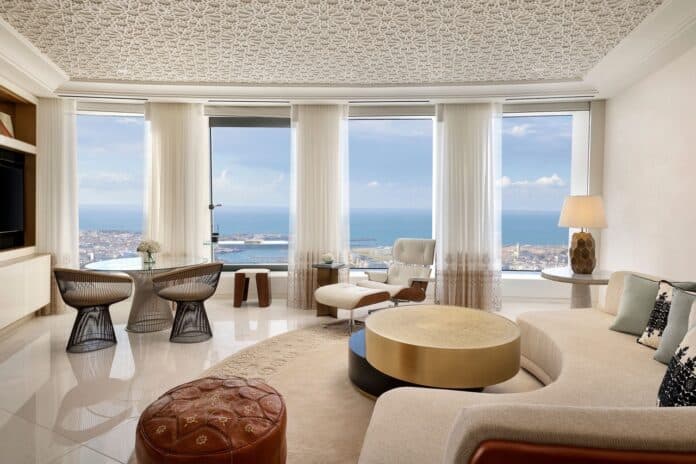

Mornings on the 33rd floor of the Mohammed VI Tower begin with a small ceremony. Warm madeleines arrive at the table in their own individual moulds, alongside homemade pastries and a cookpot of eggs and mushrooms crowned with delicate shavings of Wagyu ham. Beyond the windows, Rabat, Salé, the Bouregreg Valley and the Atlantic Ocean slowly come into focus. This is Aldabaran, the new restaurant from Alain Ducasse, and it is the highest point of Waldorf Astoria Rabat Salé, which has now officially opened within the tallest tower in Morocco.
The tower itself tells a story of ambition and belonging. Spanish architect Rafael de la Hoz designed it with Moroccan architect Hakim Benjelloun, and its silhouette has been likened to a rocket poised for launch, a gesture meant to speak of Morocco’s momentum. Yet it is built to the highest international standards while staying rooted in ancestral heritage. Pierre-Yves Rochon led the interiors, balancing clean contemporary lines with rich references to Moroccan craftsmanship and culture.
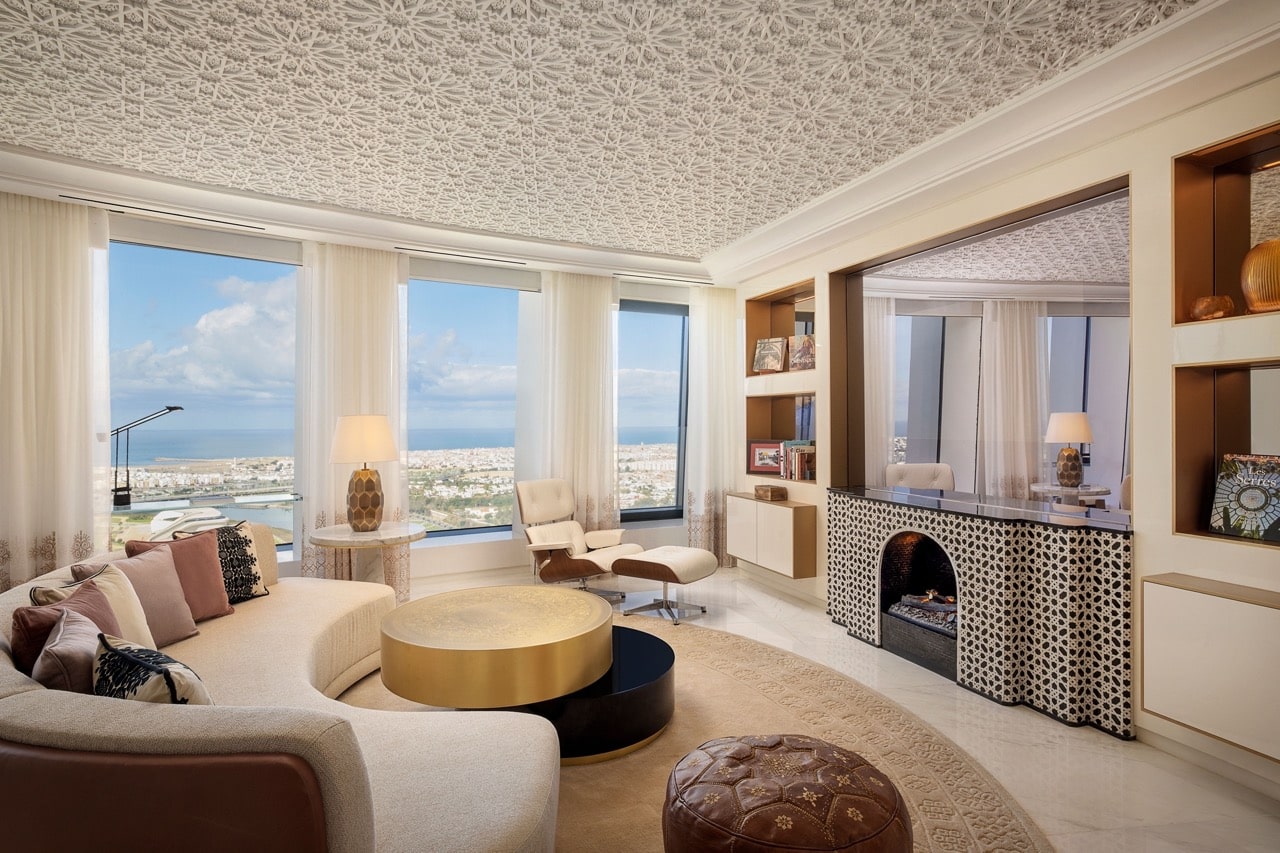
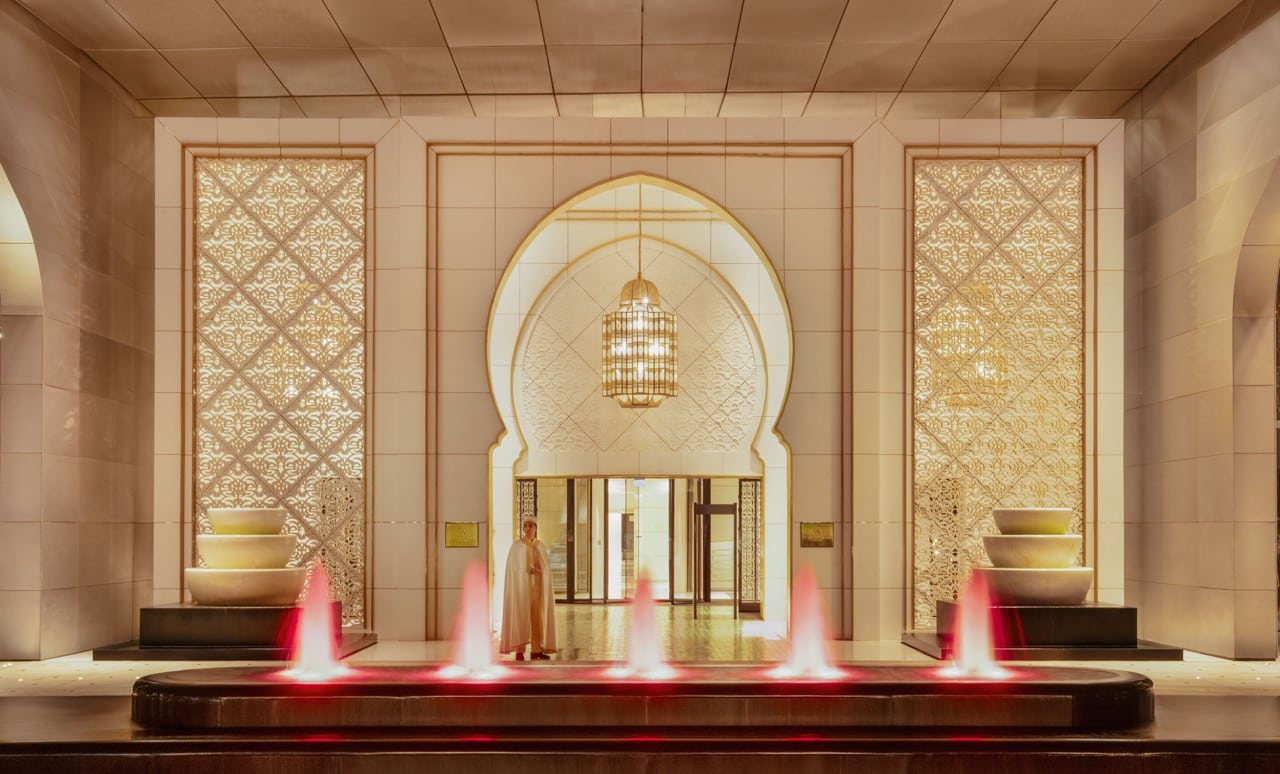
The hotel sits where the twin cities of Rabat and Salé meet, and its 55 suites and rooms look out over the valley and the sea. Each one is a small study in Moroccan detail: delicate stucco, arabesque metalwork, precious marbles in geometric patterns, and zellige tiles in colours found nowhere else. From the Deluxe Rooms to the Duplex Penthouse, every space carries the intimacy of a private residence. A personal concierge, a signature of Waldorf Astoria hotels everywhere, shapes each stay with bespoke attention.
Art lives here as part of daily life. Nearly 7,000 artworks, objects and art books were gathered for the tower, and together they form one of the most significant private collections in North Africa. Abstract paintings and sculptures appear in every corner, each carrying the voice of its maker, from Morocco and beyond.
At the heart of the hotel is Peacock Alley, the room that defines every Waldorf Astoria. Its iconic clock is inspired by the tower’s Observatory and traces the solar system and its planets as a tribute to time. On the 30th floor, with a sweeping 180 degree view, it is a sociable place for afternoon tea, lunch classics in the spirit of the brand, sweet creations and evening cocktails.
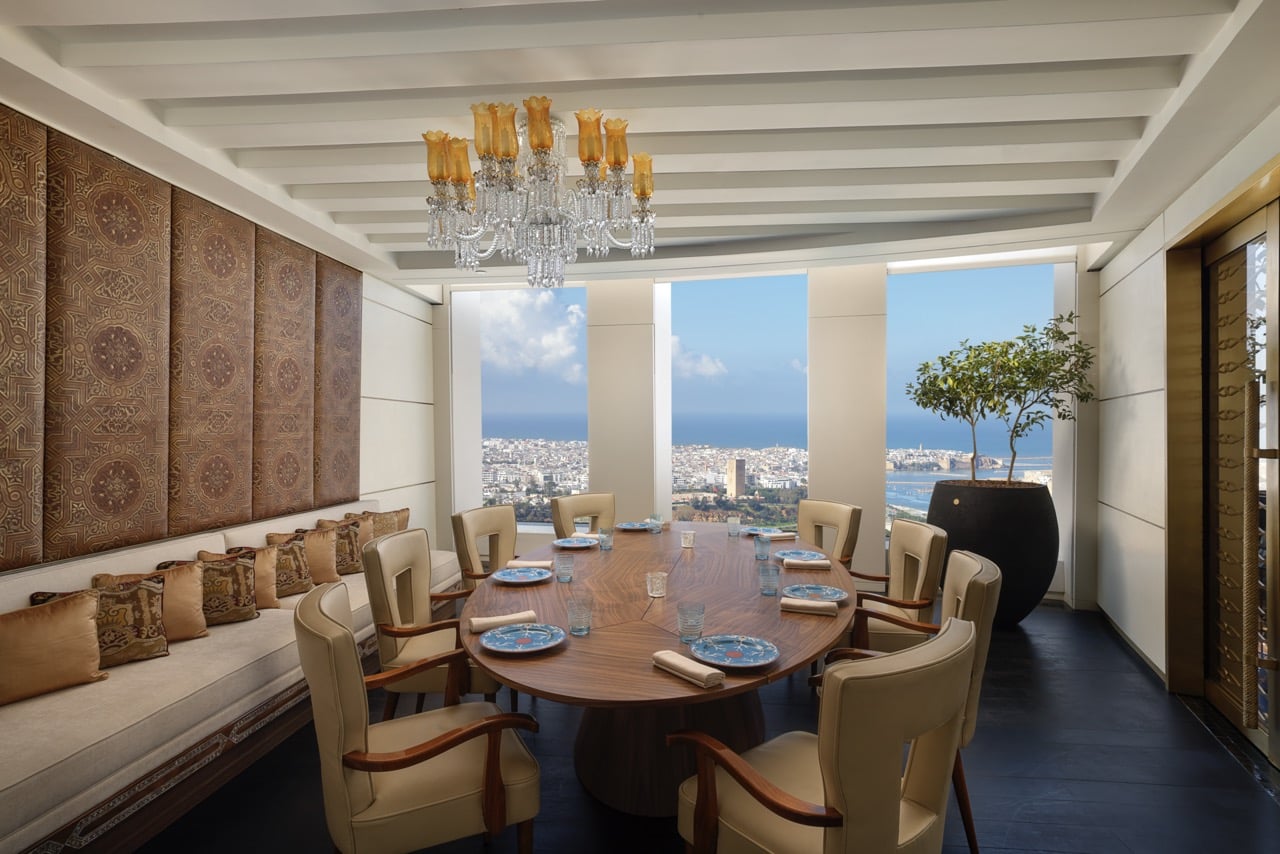
Higher still, Aldabaran takes its name from one of the brightest stars in the sky, a nod to the history of Arab astronomers and to the celestial motifs that run through the building. The room is luminous and curved, echoing the shape of the tower. Floor to ceiling windows frame the city, and the interior reflects Rochon’s pairing of Moroccan craftsmanship with the Art Deco heritage of Rabat. Hand crafted zellige, damascene inspired detailing and pottery in black and gold sit beside geometric forms, graphic lines and black timber flooring with black and white accents.
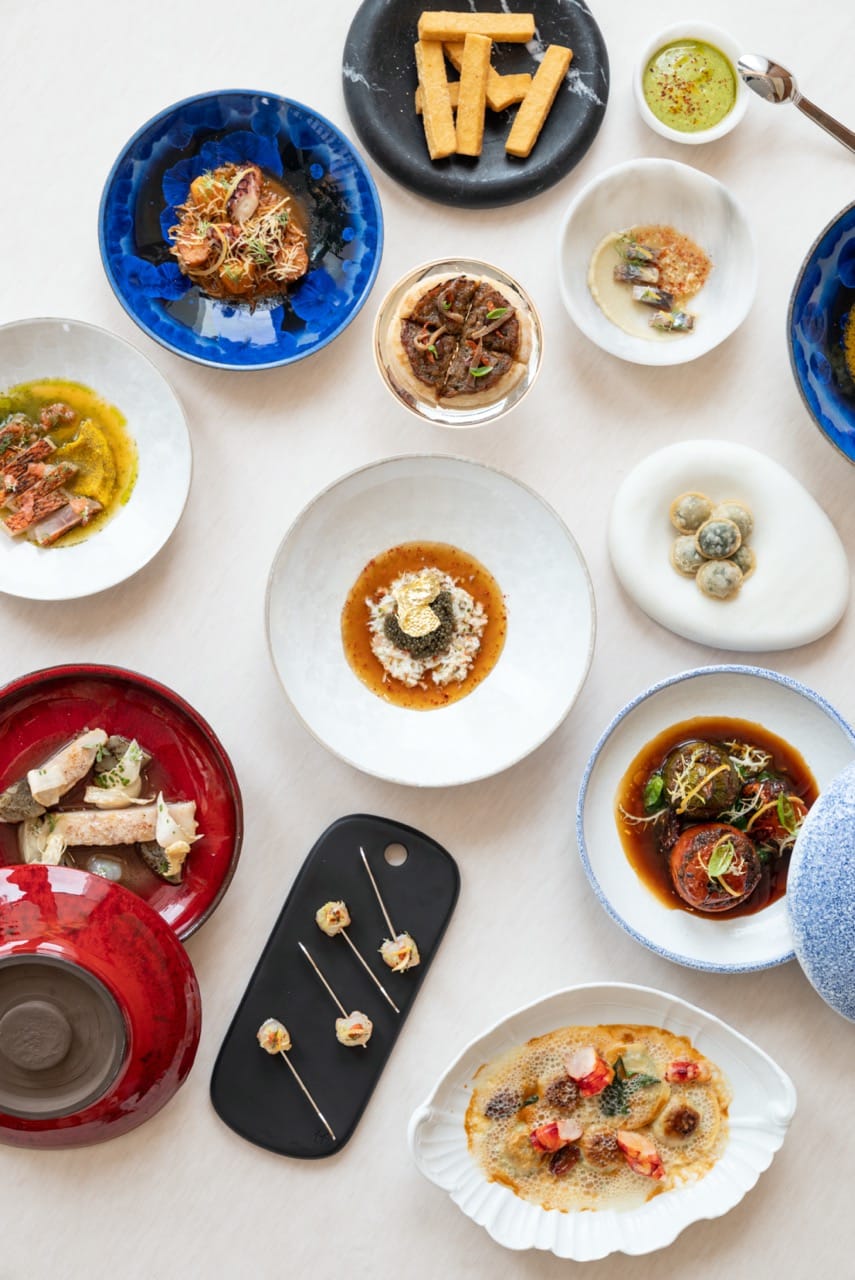
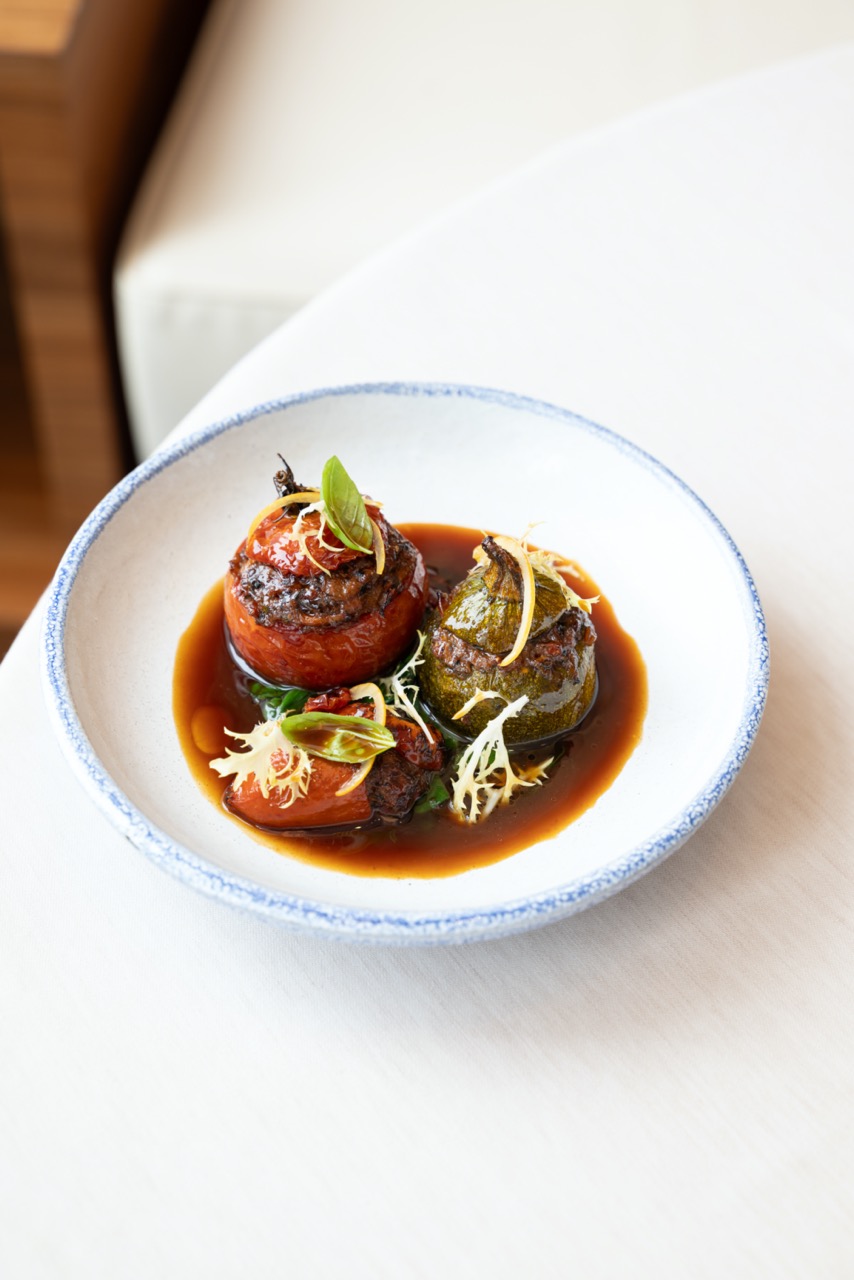
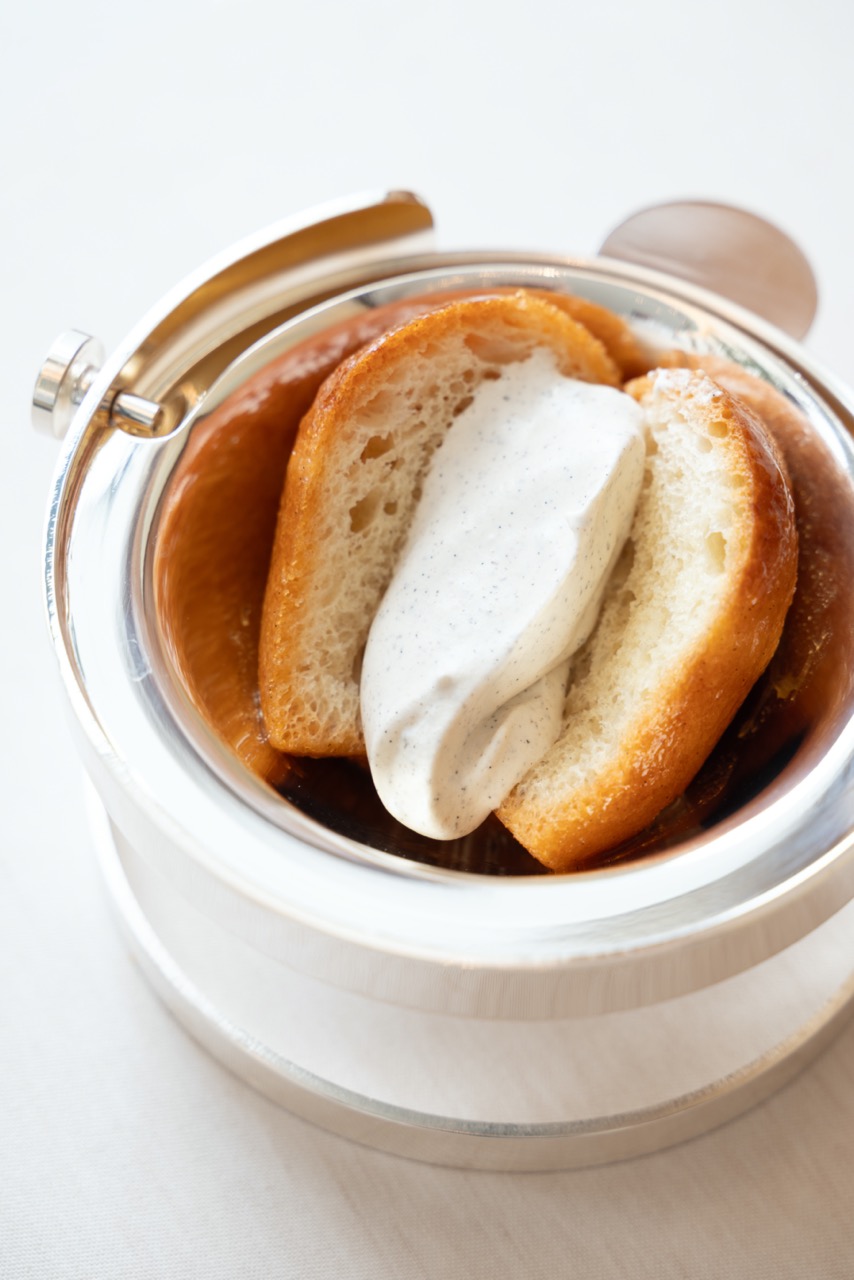
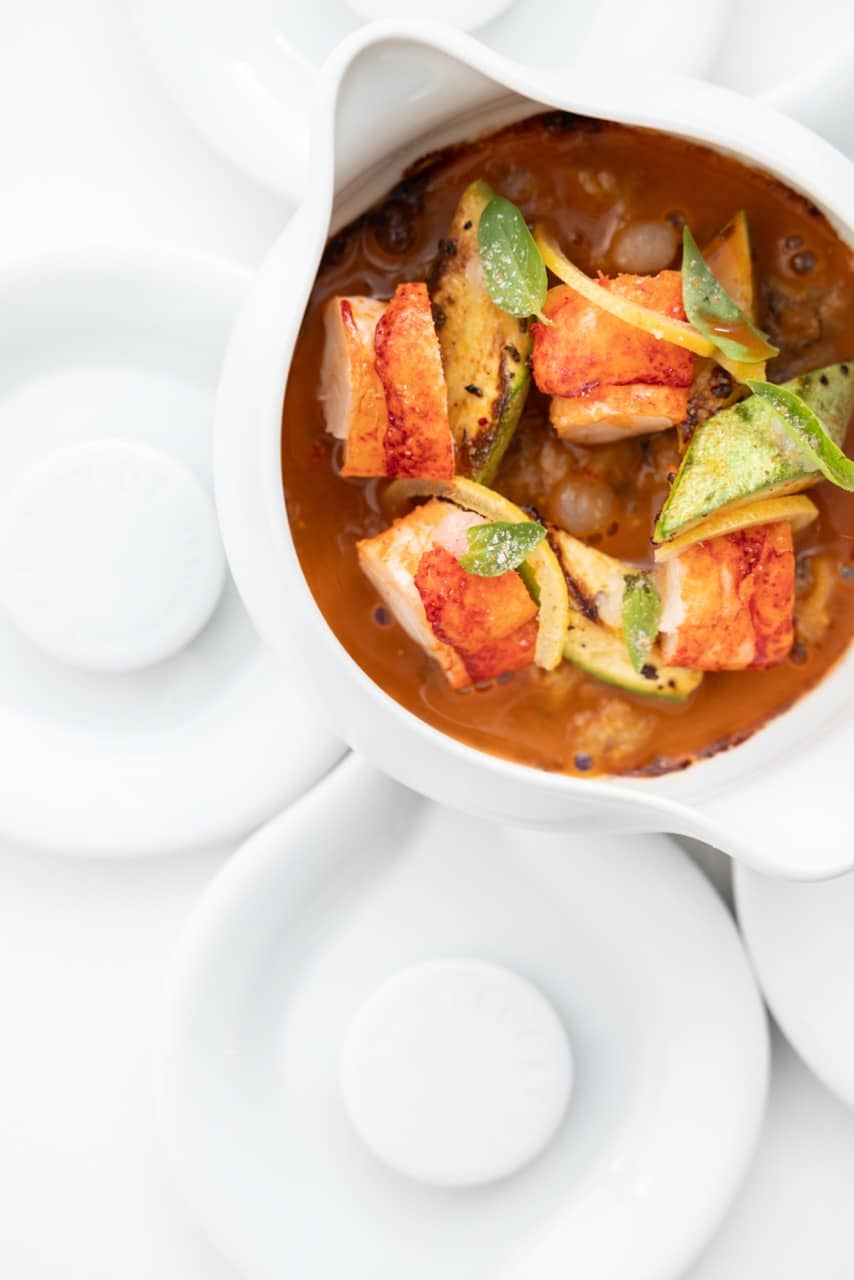
The cooking is a tribute to the Mediterranean, shaped by the French Riviera and by Ducasse’s belief in purity, seasonality and precision. His team worked closely on the menu, the kitchen and the philosophy of service, bringing the group’s standards to Rabat. Aldabaran serves breakfast, lunch and dinner, and it is one of the few restaurants in the Ducasse portfolio to offer a dedicated morning table. As the day moves on, the menu turns to petit farcis, gambero rosso with tortellini, and lamb with caponata, dishes that let the quality of each ingredient carry the plate. Other dishes mentioned include whole duck in a sweet and sour sauce and the Baba Monte-Carlo to finish.
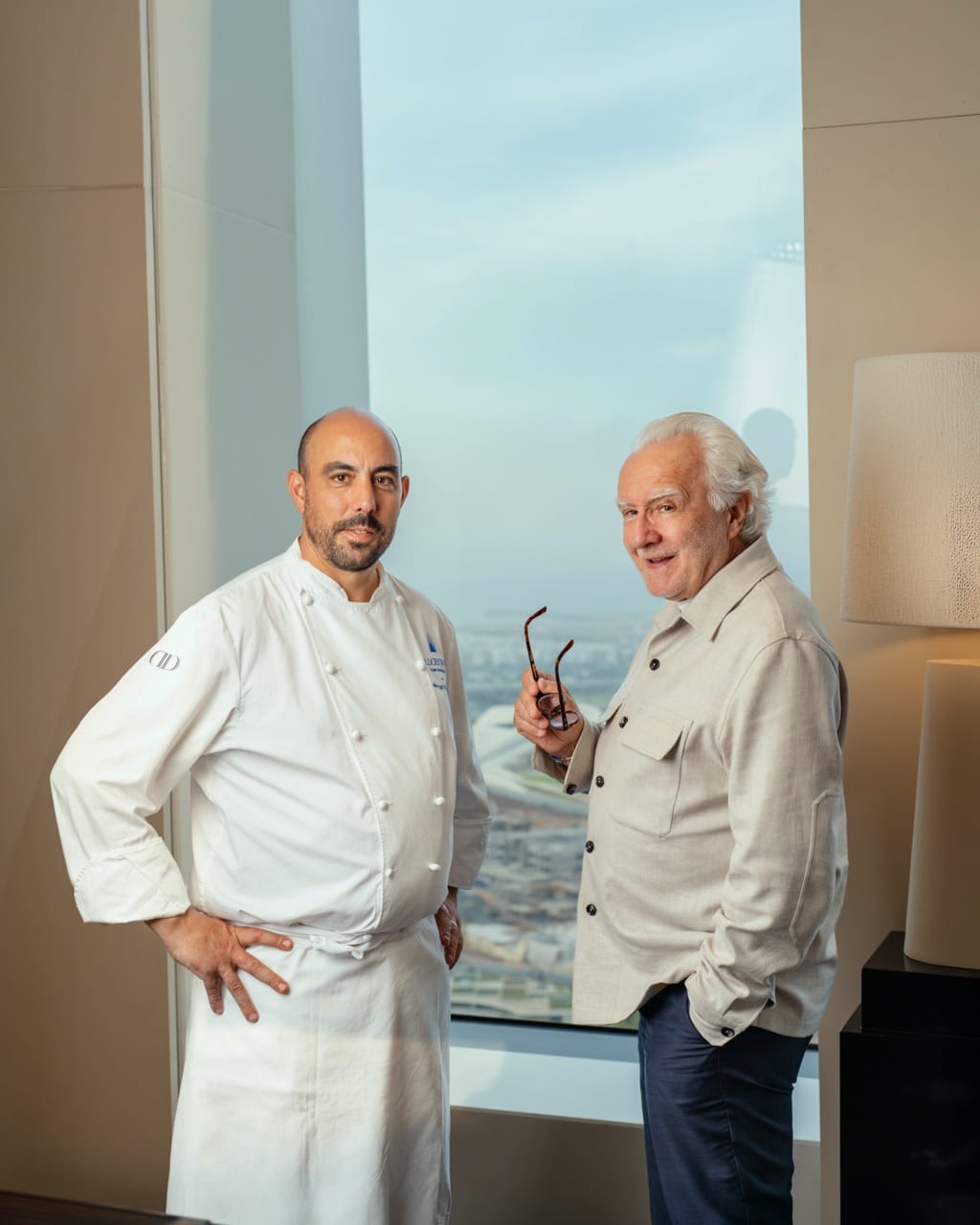
Morocco is present in the food as much as in the room. Chef Morgan Perrigaud works with local producers such as L’Agrumiste, whose orchard near Fès grows more than 250 varieties of citrus, from bergamot and yuzu to rare lemons and mandarins, lending the menu its distinctive aromas. The wine list follows the same attention to place. It offers a tour of Morocco’s vineyards and a curated collection of French labels, from Bordeaux and Burgundy grand crus to niche producers of the Rhône and Loire.
Downstairs, Brasserie Magnolia opens onto a garden level terrace. There, acclaimed Moroccan chef Lahcen Hafid leads guests from Morocco to the Levant with fresh, generous flavours rooted in regional produce. A mezzanine lounge with pan Asian influences, live music, cocktails and sharing plates will soon complete the hotel’s four dining experiences.
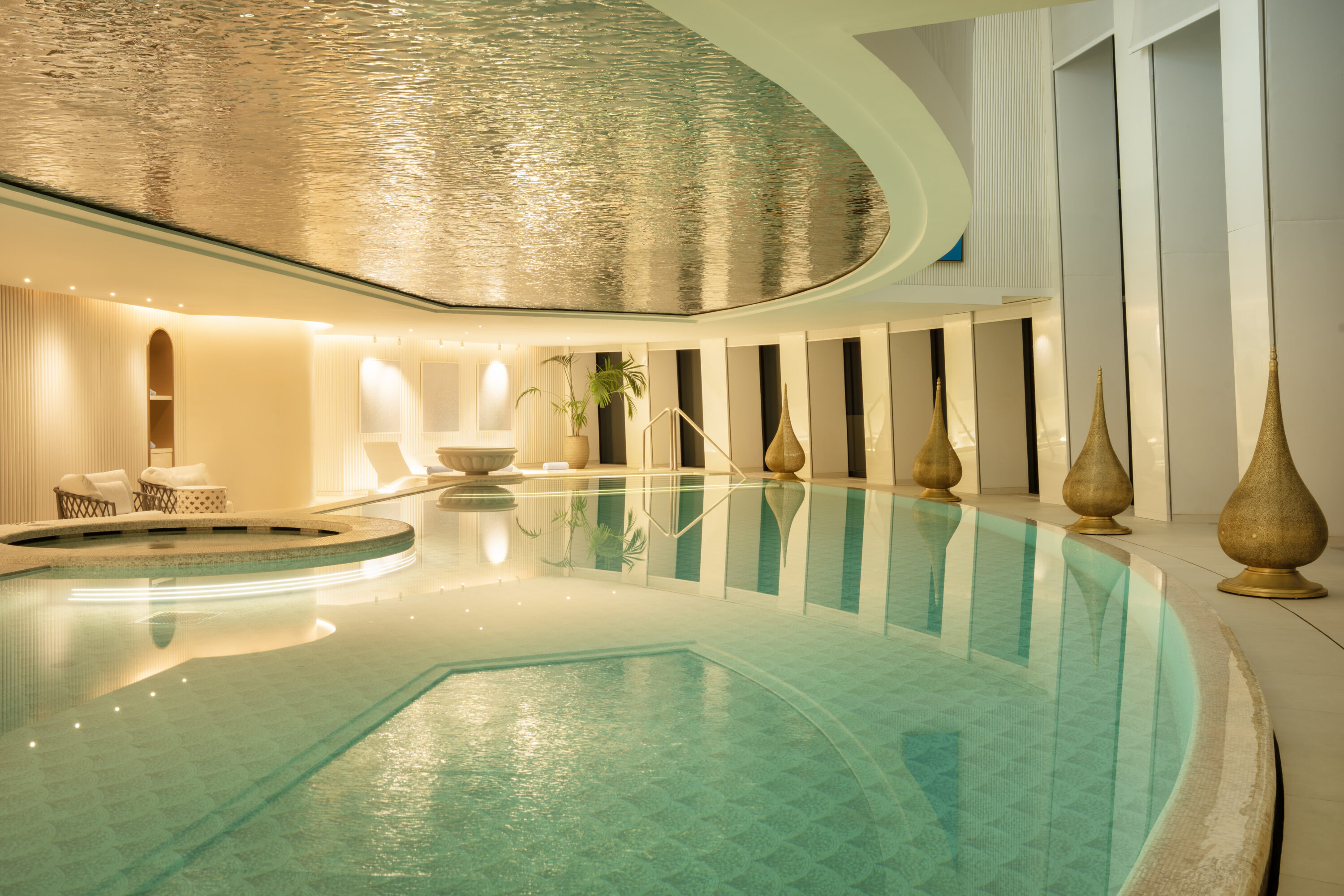
The Waldorf Astoria Spa occupies the 31st and 32nd floors, a luminous sanctuary above the horizon where tall windows open onto the ocean and the valley. Traditional Moroccan rituals, including a hammam and treatments inspired by local ingredients from marocMaroc, meet Swiss expertise from Valmont, all within soft curves and premium materials. There are seven treatment rooms, among them a couple’s suite, as well as a detoxifying Iyashi dome, a heated quartz sand table and a sauna. A panoramic indoor pool lies beneath a silver mirrored ceiling, and a 24 hour fitness centre and several relaxation areas complete the experience.
For gatherings, the hotel offers 1,400 square meters of event space. The Grand Salon ballroom at garden level has a ceiling painted with a celestial mural, and four meeting rooms on the 29th floor provide quieter settings. The team handles diplomatic receptions, conferences and celebrations with precision, discretion and personal service.
The location adds its own richness. The hotel stands near three UNESCO World Heritage sites, the Kasbah of the Udayas, Hassan Tower and Chellah, and next to the Grand Theatre of Rabat, designed by Zaha Hadid. Rabat-Salé International Airport is only minutes away, and high speed rail connects the city to Casablanca and Tangier. Reservations for the hotel can be made through its website or the Hilton Honors mobile app, as the hotel belongs to the loyalty program that spans Hilton’s 25 brands. For Aldabaran, tables are booked through SevenRooms or by calling +212 5 30 48 20 20, and the restaurant is open every day of the week.
By evening, the last light settles on the Atlantic, the curved windows turn gold, and a final madeleine, or perhaps a slice of Baba, is still warm on the table.
