

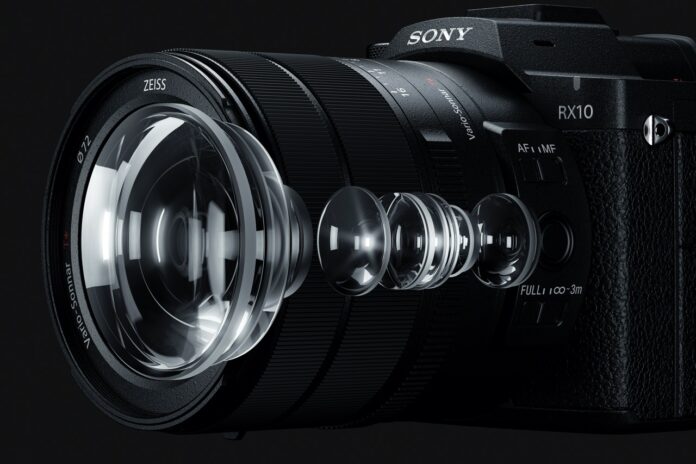

Sony just gave its most versatile camera a serious brain upgrade. The RX10 V, the fifth generation of the company’s do it all superzoom, keeps the formula that made this series a favorite among photographers who hate carrying multiple lenses, and adds the kind of AI smarts that until recently lived only in Sony’s flagship Alpha mirrorless bodies.
The pitch is simple. One lens, one body, 24mm wide angle all the way out to 600mm super telephoto, covered by a ZEISS Vario Sonnar T optic with a bright f/2.4 to f/4.0 aperture range. That is landscape, portrait, and wildlife territory in a single package, no lens swapping required.
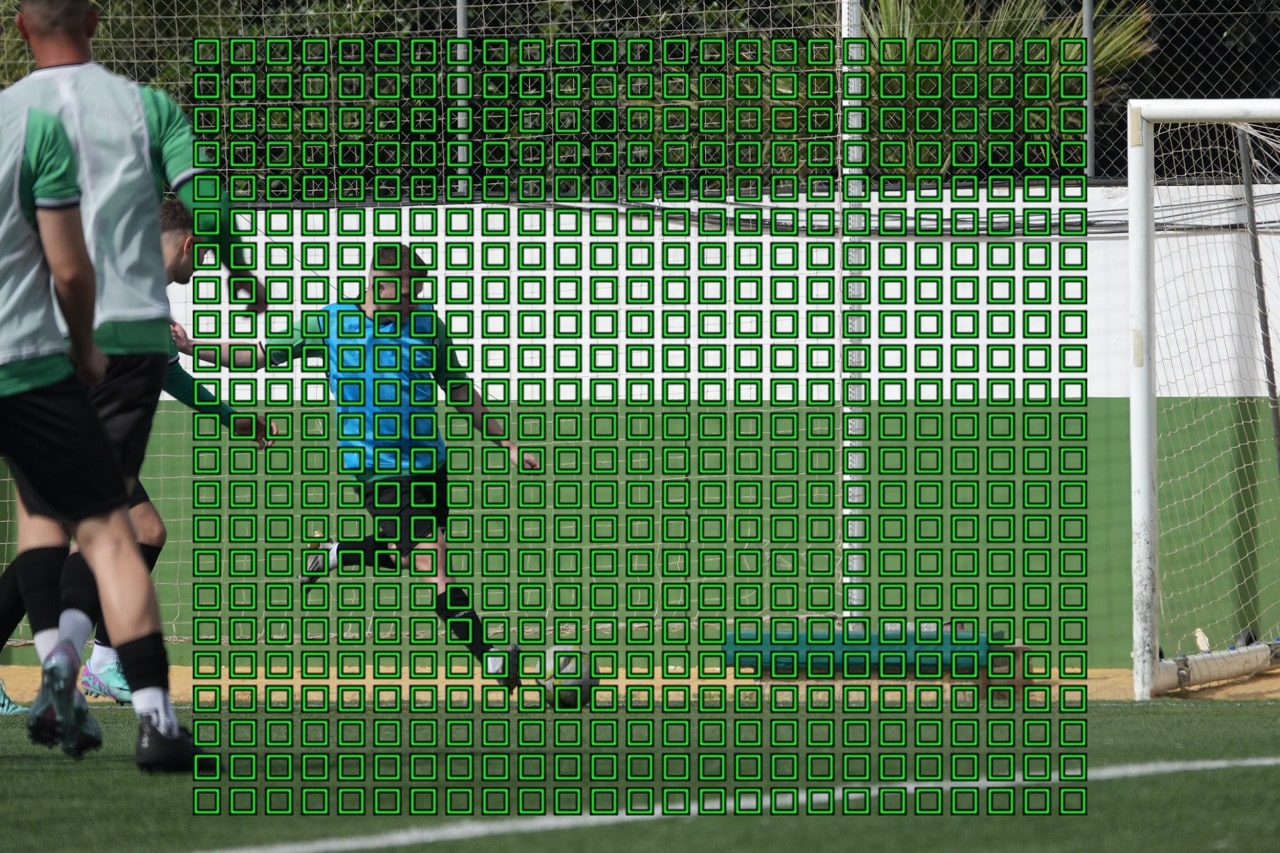
What actually matters here is the autofocus system. Real Time Recognition AF uses a dedicated AI processing unit to identify people, animals, birds, insects, cars, trains, and planes, then figures out on its own which kind of subject it is looking at. It even recognizes human pose, so it can keep tracking someone who has turned away from the camera or is wearing a helmet or sunglasses. In practice, that means less time fiddling with focus points and more time actually shooting.
Speed backs that up. The RX10 V shoots up to 30 frames per second with a blackout free viewfinder, meaning the display never freezes or flickers mid burst, so photographers can track motion in real time instead of guessing. Underneath that, the camera is running up to 60 autofocus and exposure calculations every second, which is what makes it possible to stay locked onto something unpredictable, like a hawk diving or a kid sprinting across a soccer field. A speed boost function can be triggered mid sequence for photographers who need an extra burst of frame rate right when the action peaks.

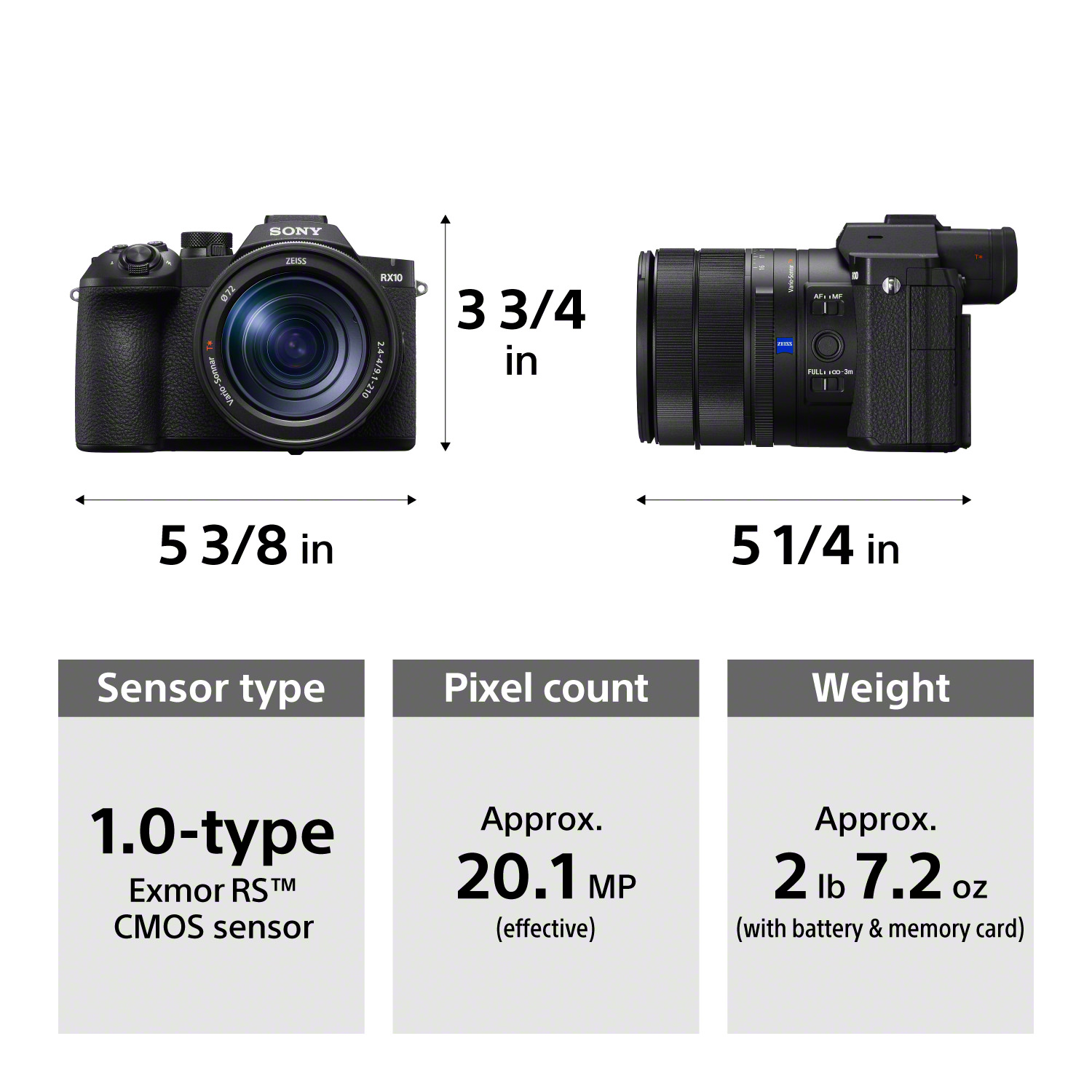
Image quality still comes from a familiar and well regarded combination, a 20.1 megapixel stacked 1.0 type sensor paired with Sony’s BIONZ XR processing engine, the same engine doing the heavy lifting inside the company’s mirrorless lineup. That should mean cleaner images in low light and more natural color, particularly in tricky areas like skin tones and skies. Twelve Creative Look profiles let photographers dial in a color style in camera, and an updated D Range Optimizer now reaches further into shadow detail, which is especially useful shooting into harsh backlight.

Video gets a real upgrade too. The RX10 V can record 4K at up to 120 frames per second and pull slow motion footage at up to five times normal speed, useful for anyone documenting fast action or just wanting more cinematic flexibility. S Cinetone offers a ready to use filmic color profile, while S Log3 gives editors room to grade footage in post, and the camera supports up to sixteen custom LUTs so shooters can preview a graded look while still filming in log. An auto framing feature uses the same AI recognition to keep a subject centered automatically during recording, handy for solo creators working without an assistant.
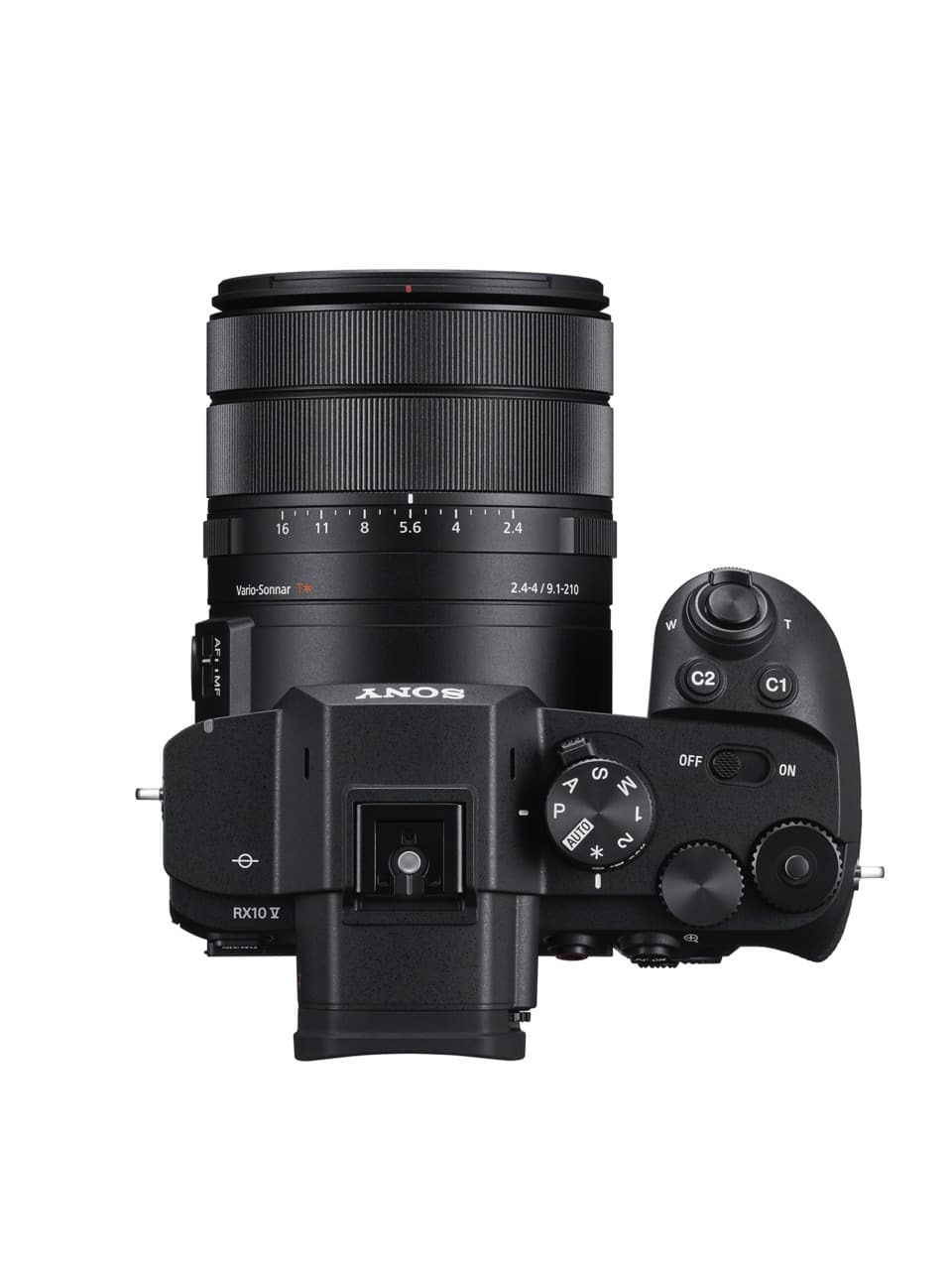
Sony also borrowed design language from its Alpha series for the body itself, carrying over the grip shape, button layout, and an eight way multi selector dial that makes changing settings fast without ever pulling your eye from the viewfinder. That viewfinder is now a 0.5 type Quad VGA OLED panel with about 3.68 million dots, a meaningful jump in clarity for anyone composing through the eyepiece for long stretches. The rear screen has been bumped up as well, to roughly 1.62 million dots.
Battery life gets a real world boost from the same NP FZ100 pack used across Sony’s mirrorless lineup, rated for about 630 shots per charge, around fifty percent more than the outgoing model. The camera is built to handle dust and moisture, connects over both 2.4 and 5 GHz Wi Fi for quicker transfers, and uses USB Type C for high speed data as well as 4K 30p live streaming straight from the body, a small but relevant detail as more photographers move into content creation and live formats. Sony’s Creators App ties it all together, letting users control the camera remotely, push files to a phone or the cloud, and update firmware without needing a computer.

As Sony’s Yang Cheng put it, the RX10 series earned its reputation because it is simply enjoyable to shoot with, and this update leans into that by bringing proven Alpha level technology into a body built for photographers who want reach, speed, and simplicity without the bulk of a full camera bag.
The RX10 V arrives in August 2026, priced at 2,299.99 US dollars or 2,899.99 CAD.
