

Sony is introducing the Alpha 7 V (ILCE-7M5), the fifth generation of its mainstream full-frame mirrorless series and one of the most significant updates the line has seen in years. The new model centers on a partially stacked 33-megapixel Exmor RS CMOS sensor and a redesigned BIONZ XR2 processor that folds in the latest AI engine from Sony’s higher-end Alpha bodies. The result is a camera aimed at creators who want something that behaves like a miniature flagship: faster tracking, more reliable color, better video options, and a workflow tailored to modern hybrid shooting.
Sony is also debuting the FE 28–70mm f/3.5–5.6 OSS II, a lightweight standard zoom intended as the Alpha 7 V’s everyday counterpart, optimized for the camera’s high-speed burst performance.
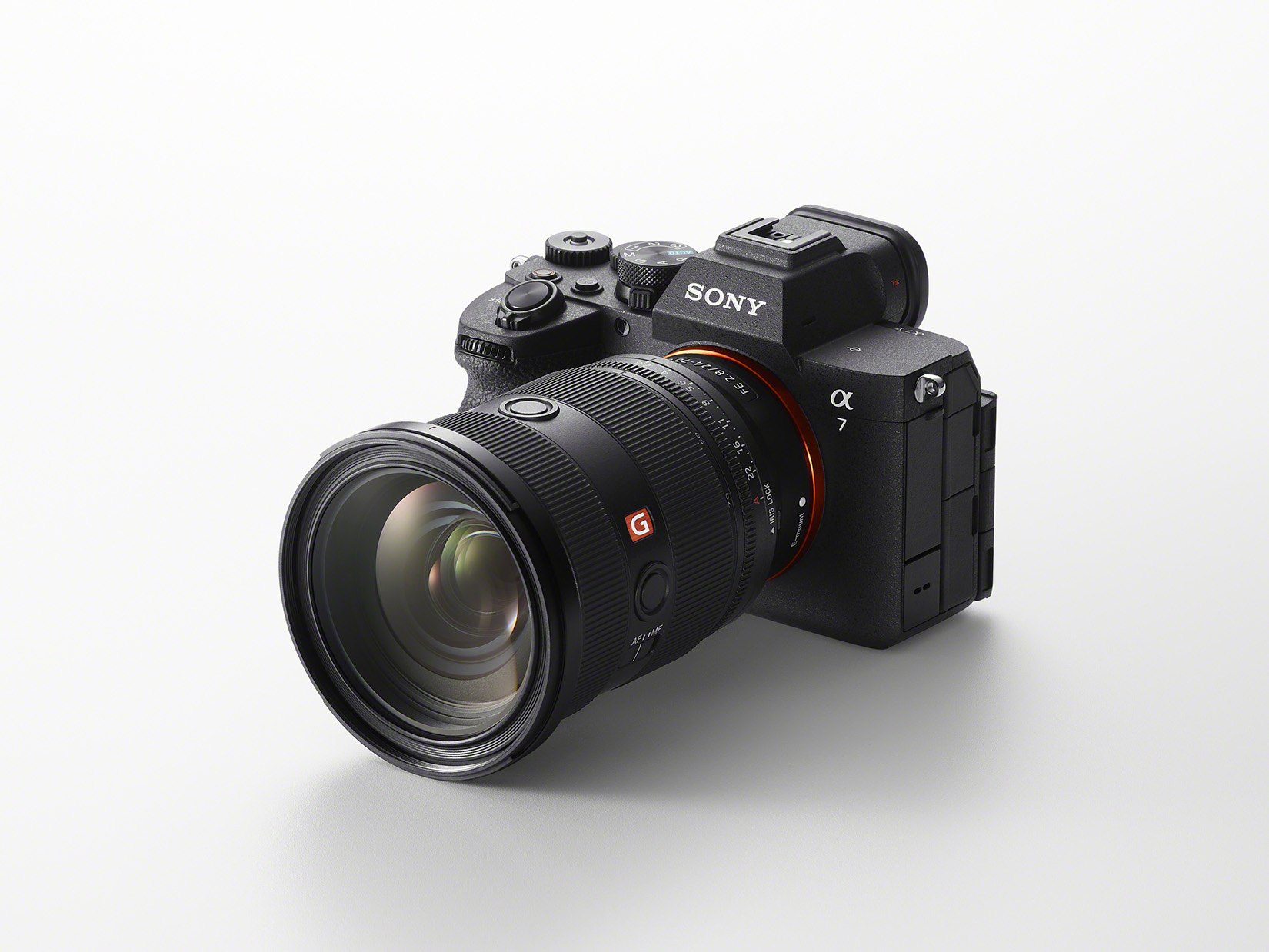
A Leap in AI-Assisted Autofocus
Sony’s push toward AI-driven capture continues here. The Alpha 7 V’s updated AF system gains roughly 30 percent improvement in Real-time Recognition and subject detection, allowing the camera to identify people, animals, vehicles, and other common subjects with greater consistency. Its 759 phase-detect points cover nearly the entire frame, letting photographers track motion even in dim light down to EV –4.0.
This system is tuned for consistency in unpredictable environments — a priority for wildlife shooters, event photographers, and fast-moving documentary work. Sony’s AI unit analyzes posture, eye shape, head orientation, and object patterns, making the tracking feel more “aware” and less prone to losing subjects behind movement or clutter.
High-resolution RAW processing is also supported through Sony’s Imaging Edge Desktop software, giving editors more latitude when working with gradations, detail recovery, and color refinement.
Speed Without the Rolling Shutter Penalties
The partially stacked sensor reads out roughly 4.5× faster than the previous generation. Paired with the XR2 processor, the Alpha 7 V can shoot blackout-free bursts up to 30 fps with full AF and AE calculations at 60 cycles per second. That level of responsiveness is typically reserved for Sony’s sports-oriented bodies, making the Alpha 7 V a compelling option for action shooters who don’t want to jump to an Alpha 1 or Alpha 9 series camera.
Even in 14-bit RAW, the camera holds its 30 fps speed, a spec that matters for professionals capturing fleeting expressions or high-velocity subjects. The addition of Pre-Capture — buffering up to one second of images before the shutter is pressed — further reduces the chance of missing a moment.

Still Imaging: High Dynamic Range and Smarter Color
Sony rates the Alpha 7 V at up to 16 stops of dynamic range, enabling soft roll-offs in highlights and nuanced shadow preservation. Photographers working in natural light or high-contrast indoor environments benefit the most here, as the camera retains detail without banding or sudden tonal jumps.
The new AI-based Auto White Balance evaluates light sources with a deeper scene understanding than previous Sony systems. Instead of merely estimating temperature, it infers the actual type of illumination — LED, tungsten, fluorescents, mixed lighting — and adjusts accordingly. This directly reduces color casts and cuts down on correction time in post, something portrait and product shooters will appreciate.

Video: Oversampled 4K and Improved Stabilization
Hybrid creators get a series of meaningful upgrades. The Alpha 7 V introduces 7K oversampled 4K at 60p in full-frame mode for crisp detail without moiré, and 4K 120p in APS-C/Super 35 for slow motion. Full pixel readout without pixel binning provides video that holds fine textures such as fabric, foliage, and hair with cleaner edges.
Sony’s Dynamic Active Mode stabilization gives handheld video a smoother look, complementing the camera’s on-sensor stabilization and allowing creators to shoot vlogs or run-and-gun sequences without additional rigs. Auto Framing uses the AI processor to automatically crop and reposition the frame to maintain subject placement — essentially a built-in camera operator for solo shooters.
Audio sees an upgrade as well. Enhanced noise reduction and refined mic processing aim to make onboard recording more usable, especially in environments with steady ambient noise.

Usability: Built Around Real-World Workflow
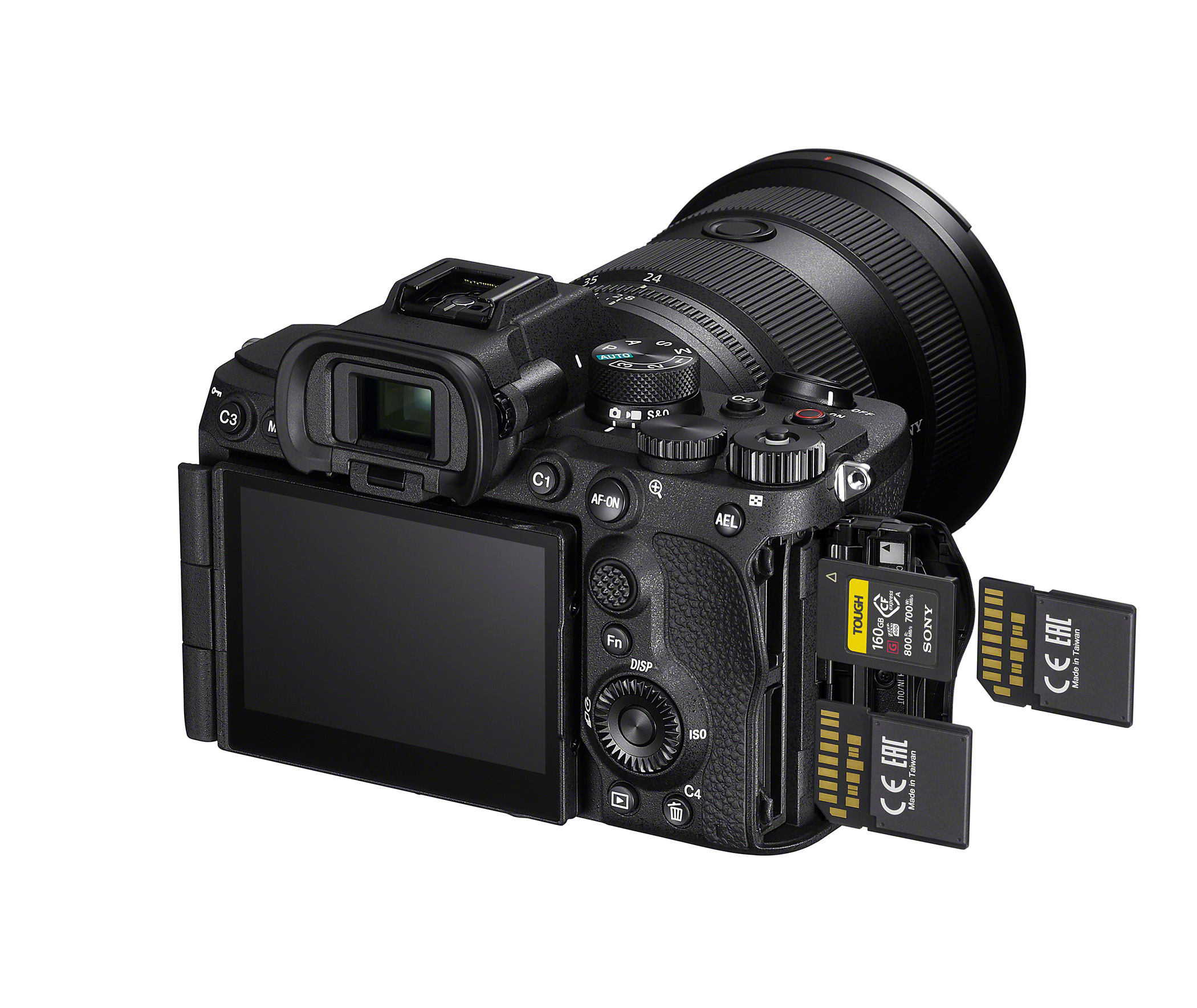
Sony redesigned several handling elements. The body introduces Wi-Fi 6E for faster, more stable wireless transfers and includes dual USB-C ports, making tethering, charging, and accessories easier to manage during shoots.
The 4-axis multi-angle display merges tilt and vari-angle movements, giving photographers flexible articulation without compromising stability. The grip has been reshaped for a more secure hold during long shooting days.
Vertical format support, an adjustable electronic shutter sound, and improvements to menu responsiveness all aim to streamline daily operation.
Stamina and Thermal Management
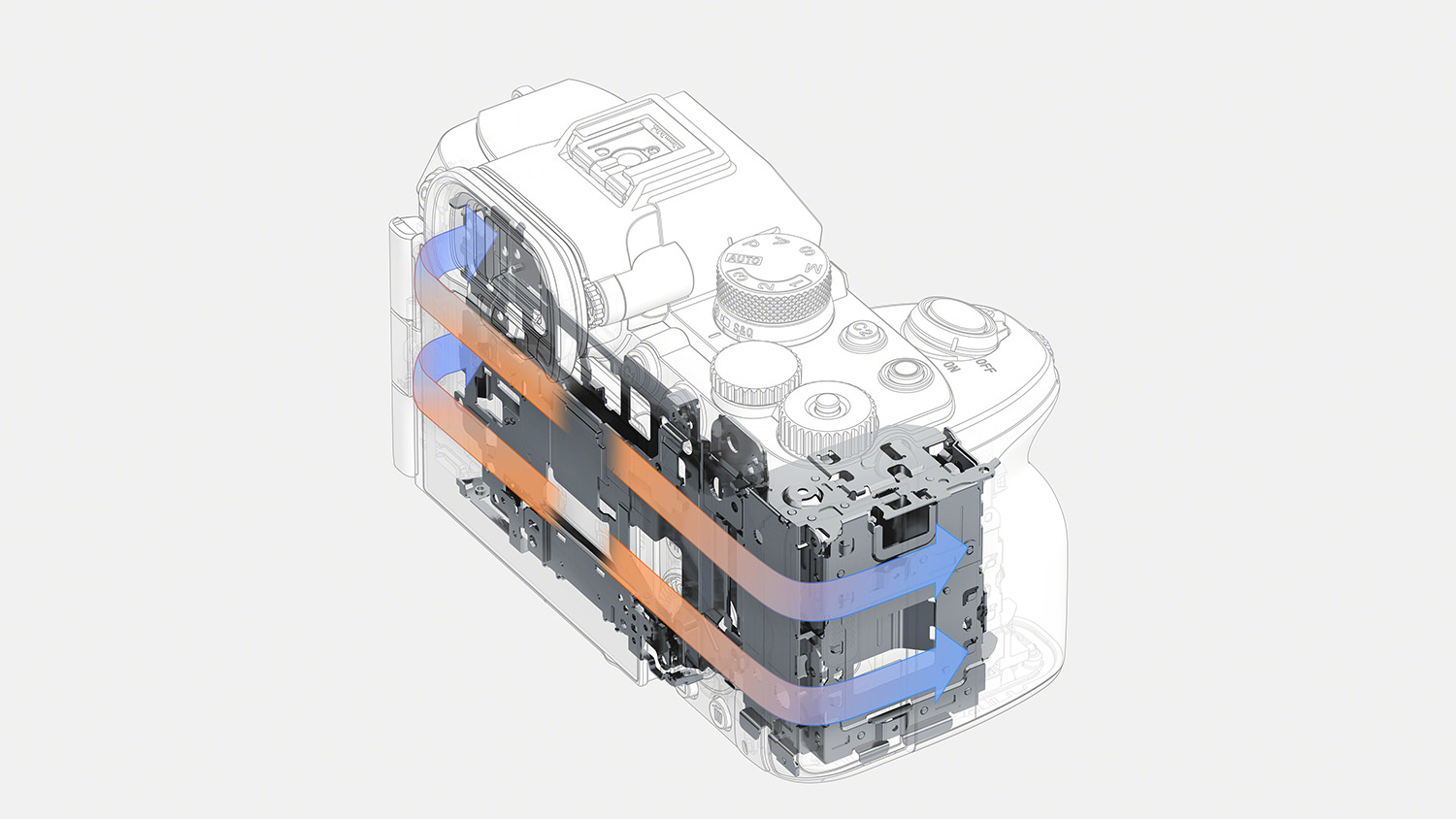
A revised power system and new Monitor Low Bright mode extend battery life, while Sony says updated thermal pathways allow for prolonged 4K recording with minimal risk of overheating. The camera reaches approximately 630 shots per CIPA standards when using the viewfinder.
FE 28–70mm f/3.5–5.6 OSS II: A Lightweight Companion
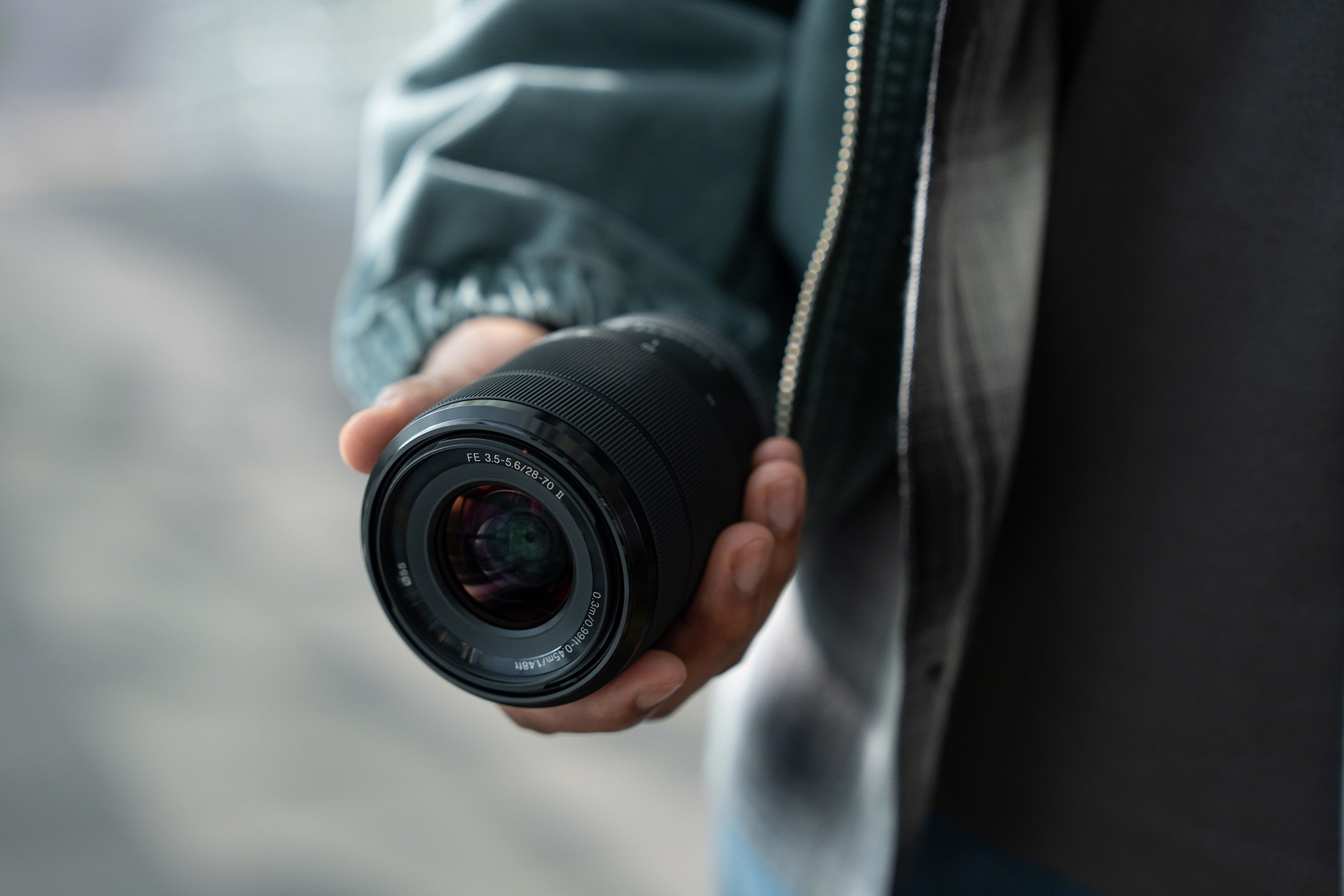
The updated kit zoom is designed to be a nimble match for the Alpha 7 V. Sony says the lens now supports up to 120 fps AF/AE tracking with compatible bodies, and coordinated image stabilization helps maintain clarity in both stills and video. The lens also supports breathing compensation, making it friendlier for filmmakers who want more natural focus transitions.
Its compact size and low weight make it a practical option for travel, daily carry, or creators who want a simple all-purpose zoom that doesn’t overwhelm the camera’s ergonomics.
Pricing and Availability
Sony plans to ship the Alpha 7 V body at the end of December 2025 for $2,899 USD or $3,699 CAD. A kit including the new zoom lens will follow in February 2026 for $3,099 USD or $3,899 CAD. The FE 28–70mm f/3.5–5.6 OSS II arrives in February 2026 for $449 USD or $599 CAD.