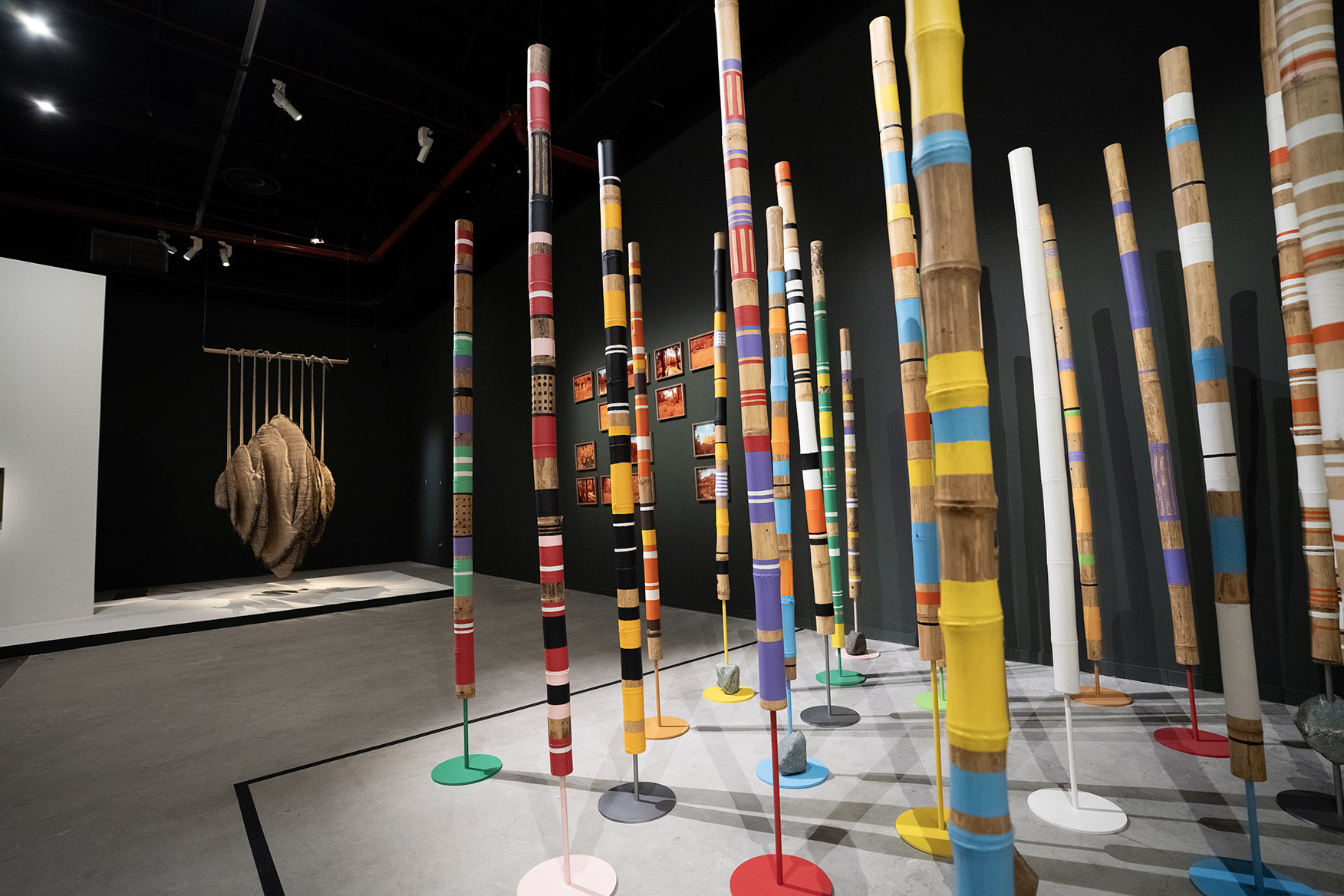
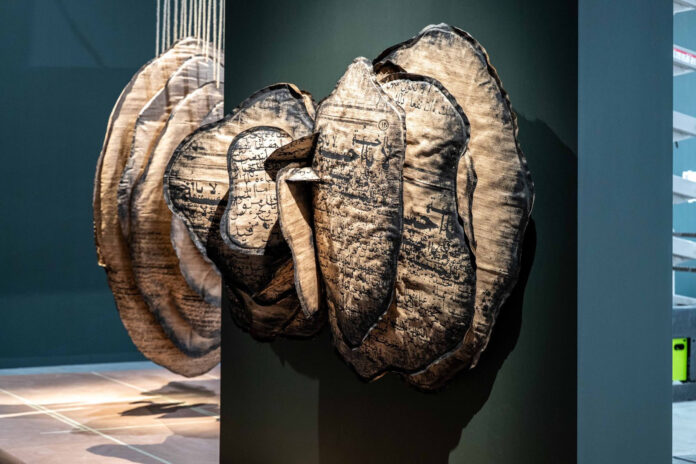

Arts AlUla has revealed the name and curatorial direction of its forthcoming flagship institution, the AlUla Contemporary Art Museum, establishing a new framework for contemporary art grounded in one of the world’s most historically layered landscapes. The announcement signals a calibrated shift in AlUla’s cultural trajectory, positioning contemporary practice not as an overlay to heritage, but as its continuation.
Located in northwest Saudi Arabia, around 1,100 kilometers from Riyadh, AlUla is defined by scale and continuity. The region spans more than 22,500 square kilometers, encompassing a fertile oasis, expansive sandstone formations, and archaeological sites shaped by successive civilizations. From the Dadanite and Lihyanite kingdoms to the Nabataeans and the later Roman presence, AlUla has functioned for millennia as a site of exchange along the Incense Road, where commerce, belief systems, and artistic expression converged.
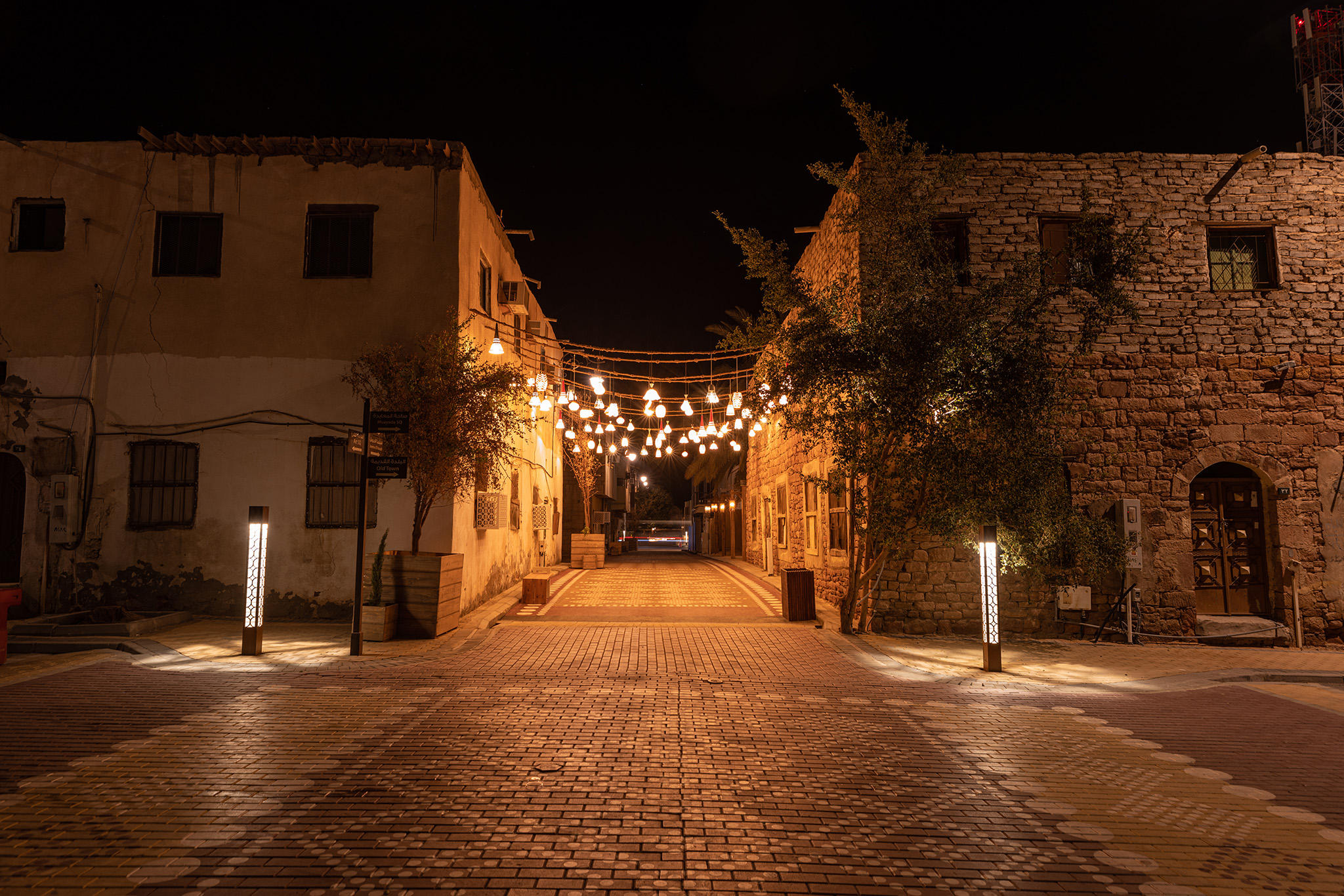
Hegra remains the most widely recognized of these sites. As Saudi Arabia’s first UNESCO World Heritage Site, the Nabataean city is notable for its precision and restraint: 111 rock-cut tombs carved directly into sandstone outcrops, their facades defined by line, proportion, and geological intimacy. Archaeological research situates Hegra as the southernmost Roman outpost following the annexation of the Nabataean Kingdom in 106 CE, reinforcing AlUla’s historic position at the edge of empires.
This depth of place forms the conceptual foundation of the AlUla Contemporary Art Museum. Conceived as both an institution and a platform, the museum is designed to operate well ahead of its permanent opening through exhibitions, commissions, research initiatives, publications, and residencies. Its ambition lies not in spectacle, but in structure: creating a sustained environment for artistic production, scholarship, and dialogue rooted in local conditions and global exchange.
The museum sits within the wider vision of Arts AlUla, operating under the Royal Commission for AlUla, and aligns with Saudi Arabia’s Vision 2030 by positioning culture as a driver of social, spatial, and economic transformation. A strategic advisory partnership with Centre Pompidou reflects this outward-facing approach, embedding international expertise within a framework that prioritizes regional voices and long-term institutional depth.
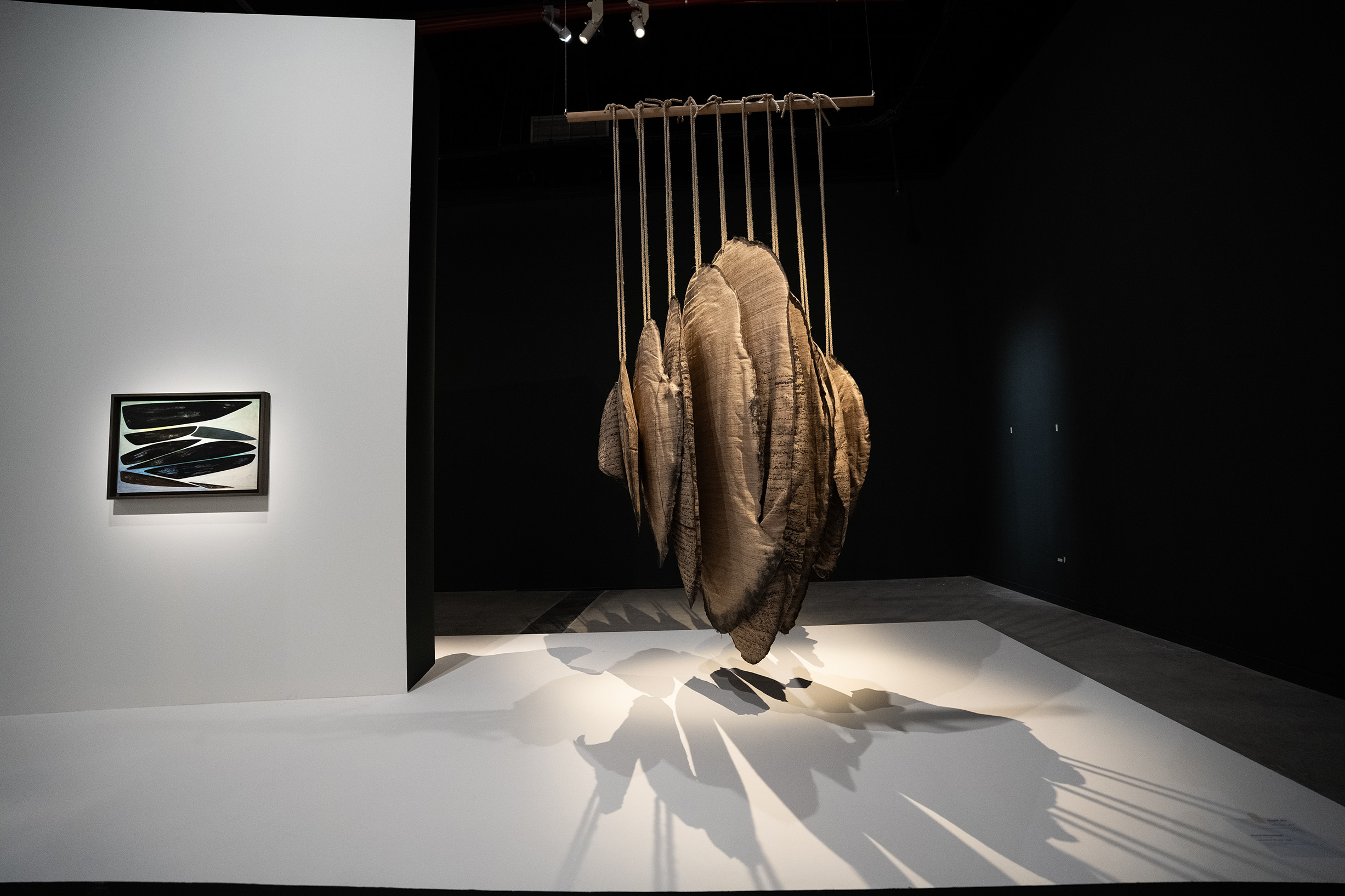
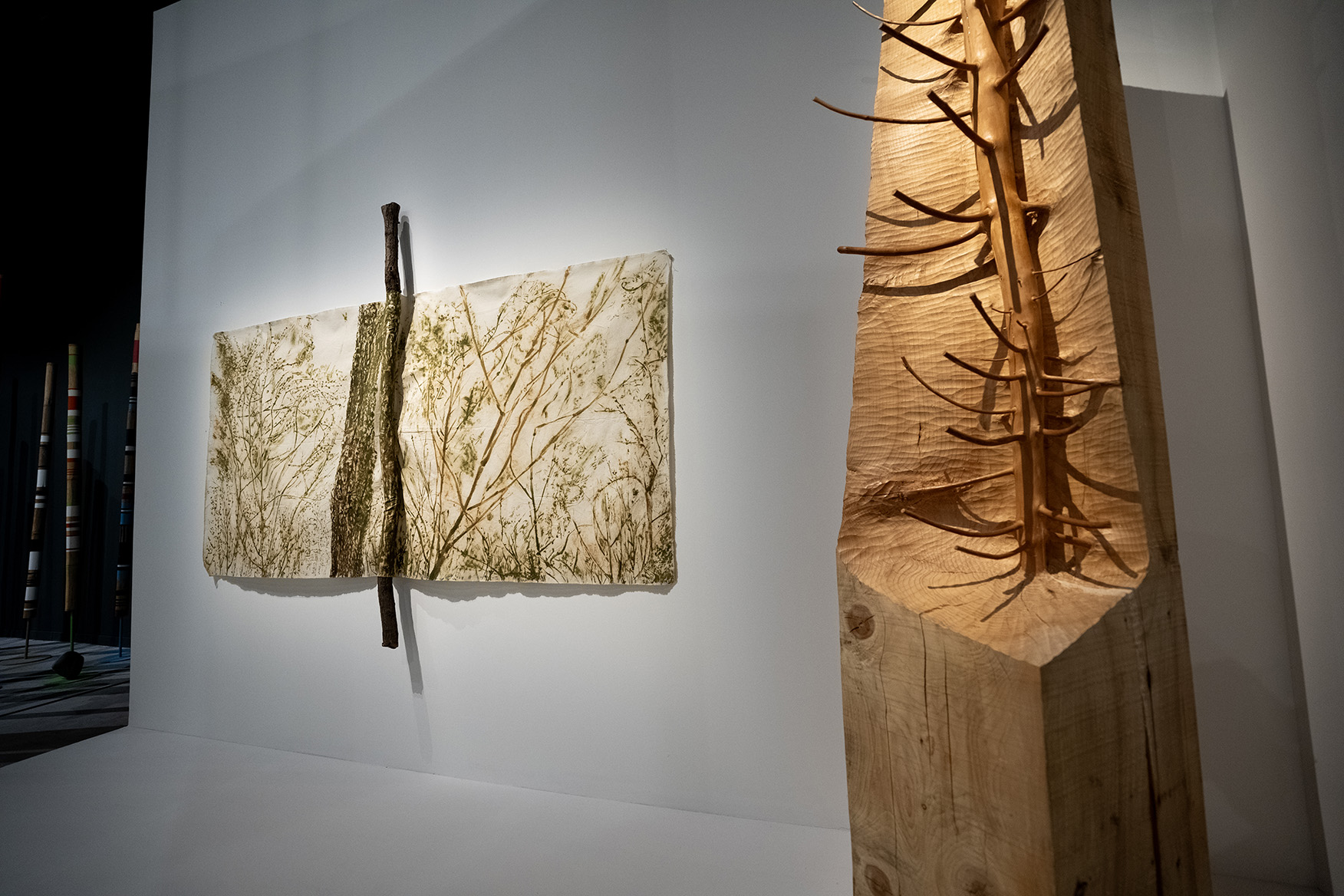
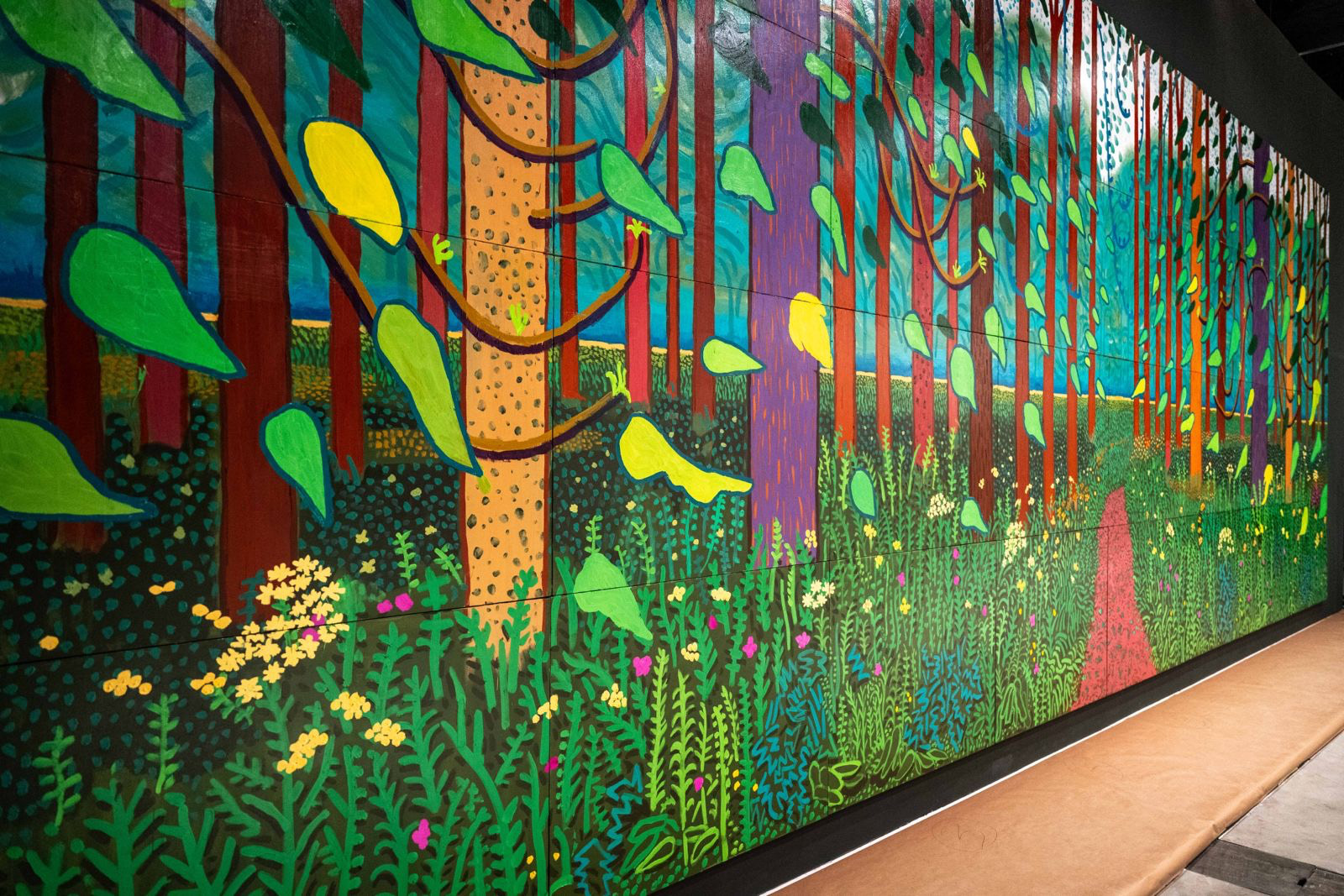
The announcement of the museum coincides with Arduna, a major pre-opening exhibition presented as part of the fifth edition of the AlUla Arts Festival 2026. Co-curated with Centre Pompidou and supported by the French Agency for AlUla Development, Arduna offers an early articulation of the museum’s curatorial position. The title, meaning “our land” in Arabic, frames an exploration of how artists have engaged with nature as material, metaphor, and contested terrain.
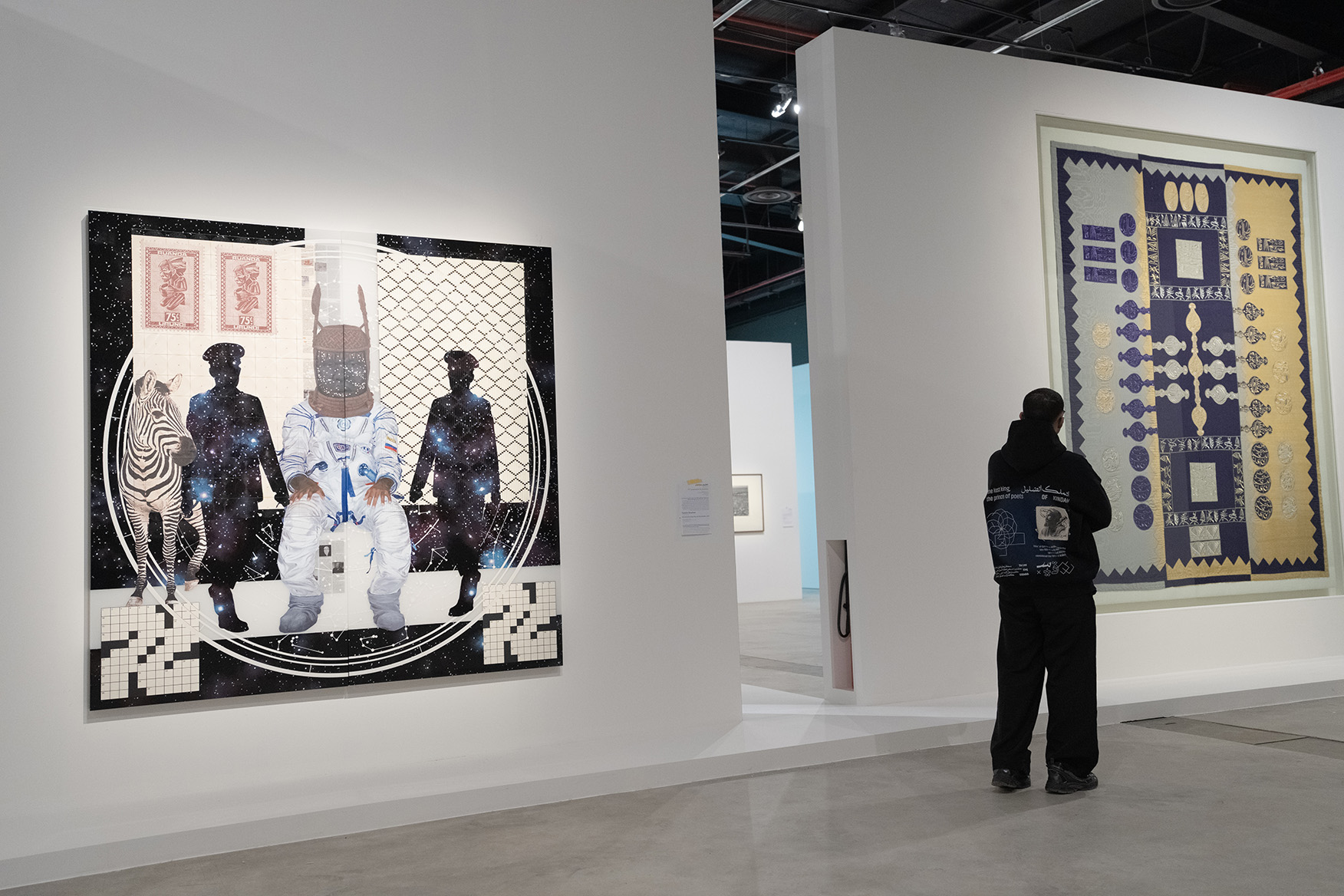
Bringing together more than 80 works from Saudi Arabia, the wider Middle East, and beyond, the exhibition moves across modern and contemporary practice with a controlled thematic structure. Works by Pablo Picasso, Wassily Kandinsky, Joan Mitchell, and David Hockney are presented alongside contemporary figures including Manal AlDowayan, Ayman Zedani, Etel Adnan, Samia Halaby, and Imran Qureshi. Organized into six chapters, the exhibition traces nature through gardens, forests, deserts, and cosmic space, addressing the Anthropocene, climate change, migration, and urbanization without didacticism.
New commissions form the exhibition’s conceptual core. Each artist was invited to work in close dialogue with AlUla’s landscape, acknowledging land as a site shaped by memory, labor, and power rather than an abstract backdrop. The resulting works reflect a curatorial approach defined by specificity, duration, and relational depth.
Ayman Zedani’s commission draws on speculative archaeology and science fiction to propose alternative readings of the Arabian Peninsula’s deep time. Through a two-channel video installation combining archival material, new footage, and three-dimensional renderings, Zedani constructs a fictional framework in which ancient sites become portals between earth and cosmos. The work treats archives as active systems rather than fixed records, positioning heritage as a generative force.
Dana Awartani’s contribution centers on stone carving as a living repository of cultural knowledge. Working with displaced craftsmen now based in Jordan and Saudi Arabia, she reactivates Levantine ornamental motifs through geometry and material continuity. The project foregrounds skill transmission and collective making, framing craft as a form of resilience and cultural preservation within contemporary conditions of displacement.
Tarek Atoui’s commission unfolds as a long-term process rooted in listening, collaboration, and shared authorship. Initiated through workshops with students, musicians, and artisans in AlUla, the project prioritizes time and attention over immediacy. Its expansion through partnerships with Madrasat Addeera and local craftspeople will culminate in a major installation for the museum’s opening, conceived as a sonic record of place shaped through collective practice.
Renaud Auguste-Dormeuil brings his sustained investigation of time and memory into dialogue with AlUla’s layered temporality. Through works that overlay historical events with celestial data, his practice collapses past, present, and future into dense visual structures. The resulting works operate as quiet confrontations with history’s permanence and art’s inherent ephemerality.
Tavares Strachan’s contribution extends his ongoing inquiry into erased histories at the intersection of art, science, and power. Drawing on exploration, astronomy, and global trade routes, his works restore visibility to marginalized narratives while questioning how knowledge is constructed and institutionalized. Carpets, sculptures, and installations function as terrains of memory, weaving together disparate geographies and temporalities into a single visual field.
The AlUla Contemporary Art Museum’s collection strategy reflects this emphasis on depth and continuity. Rather than isolating singular works, the museum focuses on acquiring complete bodies of work, including research materials, sketches, correspondence, and archives. Approximately sixty to seventy percent of the collection is dedicated to regional artists, complemented by international practices that resonate conceptually.
The museum’s future home, designed by architect Lina Ghotmeh following an international competition, will be located beneath the palm canopy of the AlUla Oasis within an intersecting cultural quarter. Informed by extensive research into AlUla’s 7,000 years of continuous habitation, the architecture is conceived in symbiosis with its environment. Bioclimatic principles, material restraint, and landscape integration define a structure that prioritizes sensory experience and spatial clarity over monumentality.
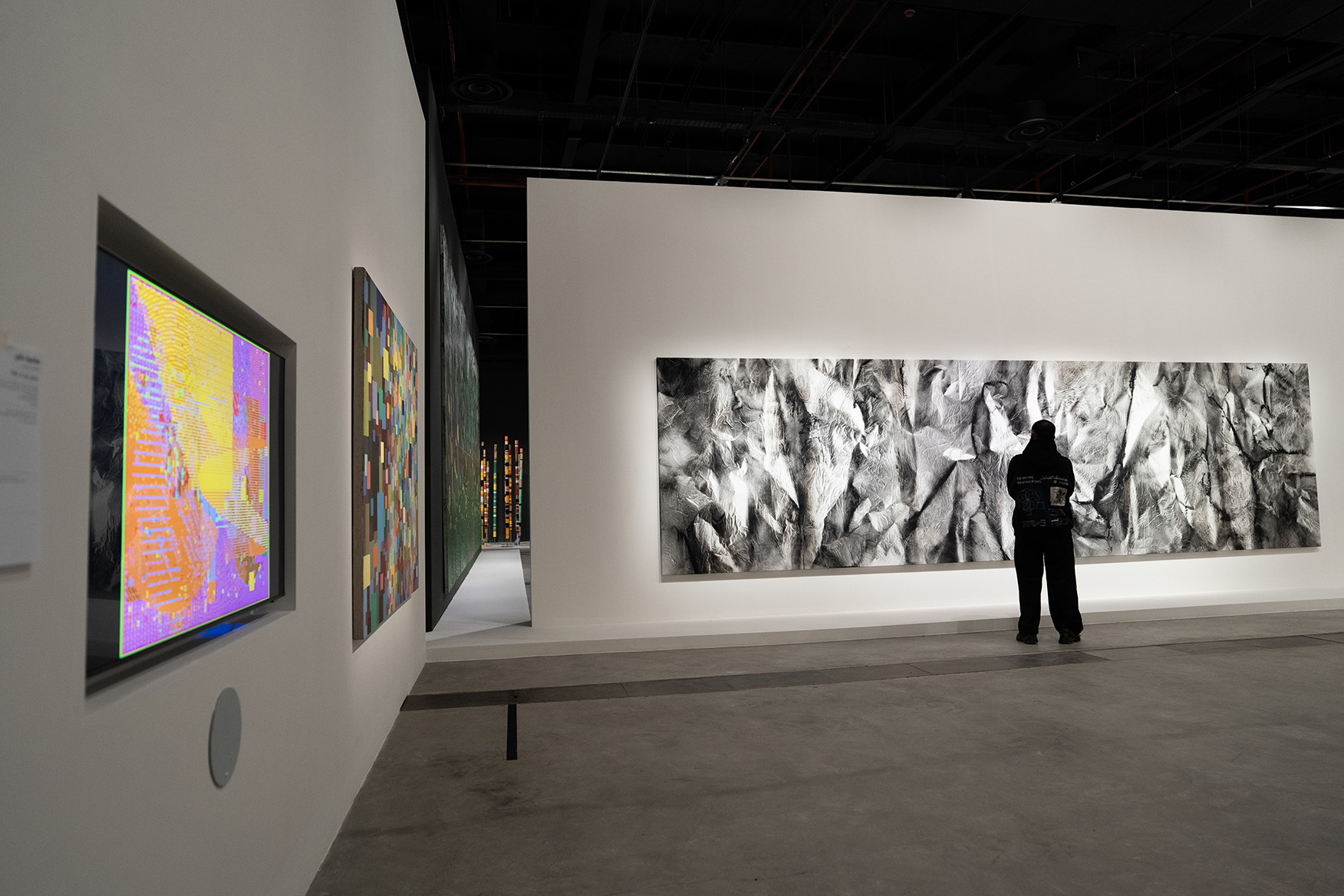
Operating dynamically ahead of its physical completion, the AlUla Contemporary Art Museum already functions as a cultural catalyst. Through exhibitions such as Arduna, it establishes a measured yet confident presence within the global art landscape, framing AlUla not as a destination shaped by heritage alone, but as a contemporary cultural environment where history and experimentation coexist with precision and intent.