On April 14, 1912, the R.M.S. Titanic sank in the North Atlantic, resulting in the deaths of more than 1,500 people. The event has remained a subject of extensive public interest and speculation for over a century. National Geographic’s TITANIC: THE DIGITAL RESURRECTION, a 90-minute documentary premiering April 11 and streaming on Disney+ and Hulu, takes a methodical, data-driven approach to reexamining the disaster through the lens of technology and forensic analysis.
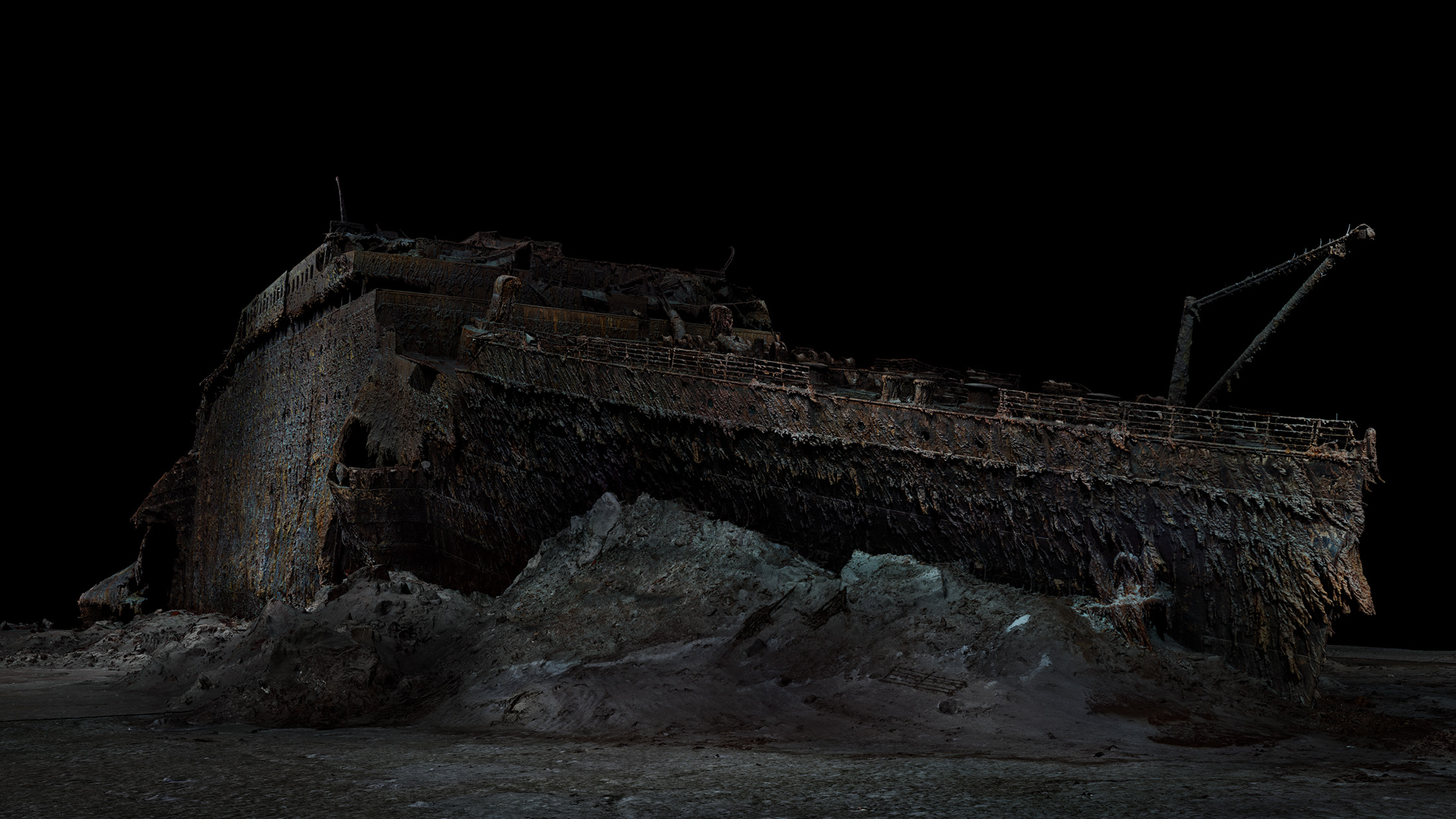
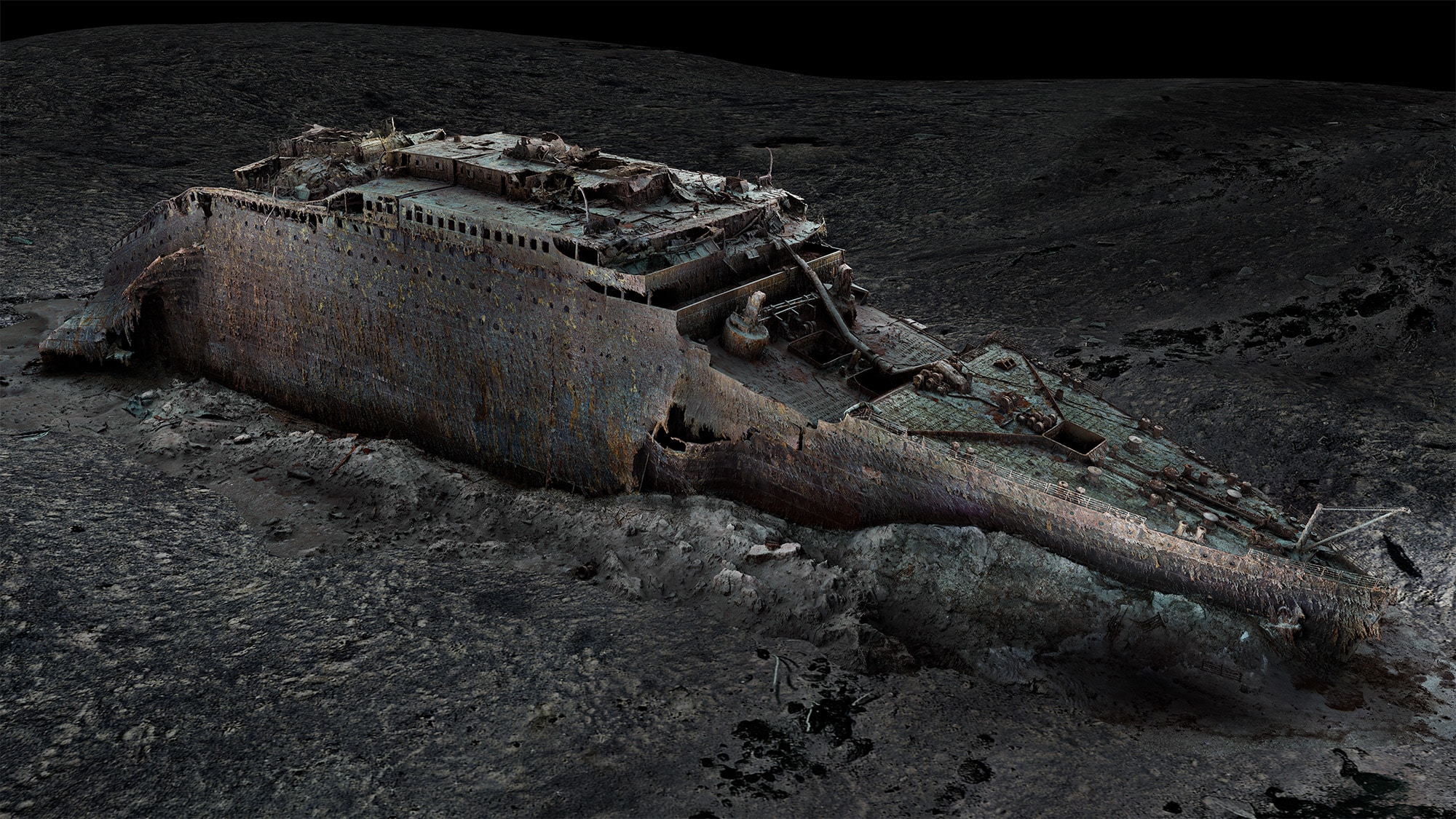
In 2022, Atlantic Productions and director Anthony Geffen partnered with deep-sea mapping company Magellan to carry out the most extensive underwater 3D scanning operation to date. Over a three-week period, their submersibles mapped the wreck site 12,500 feet beneath the surface, capturing 715,000 high-resolution images and collecting 16 terabytes of data. This data set enabled the creation of a full-scale, 1:1 digital twin of the Titanic, the most accurate visual model of the ship constructed to date.
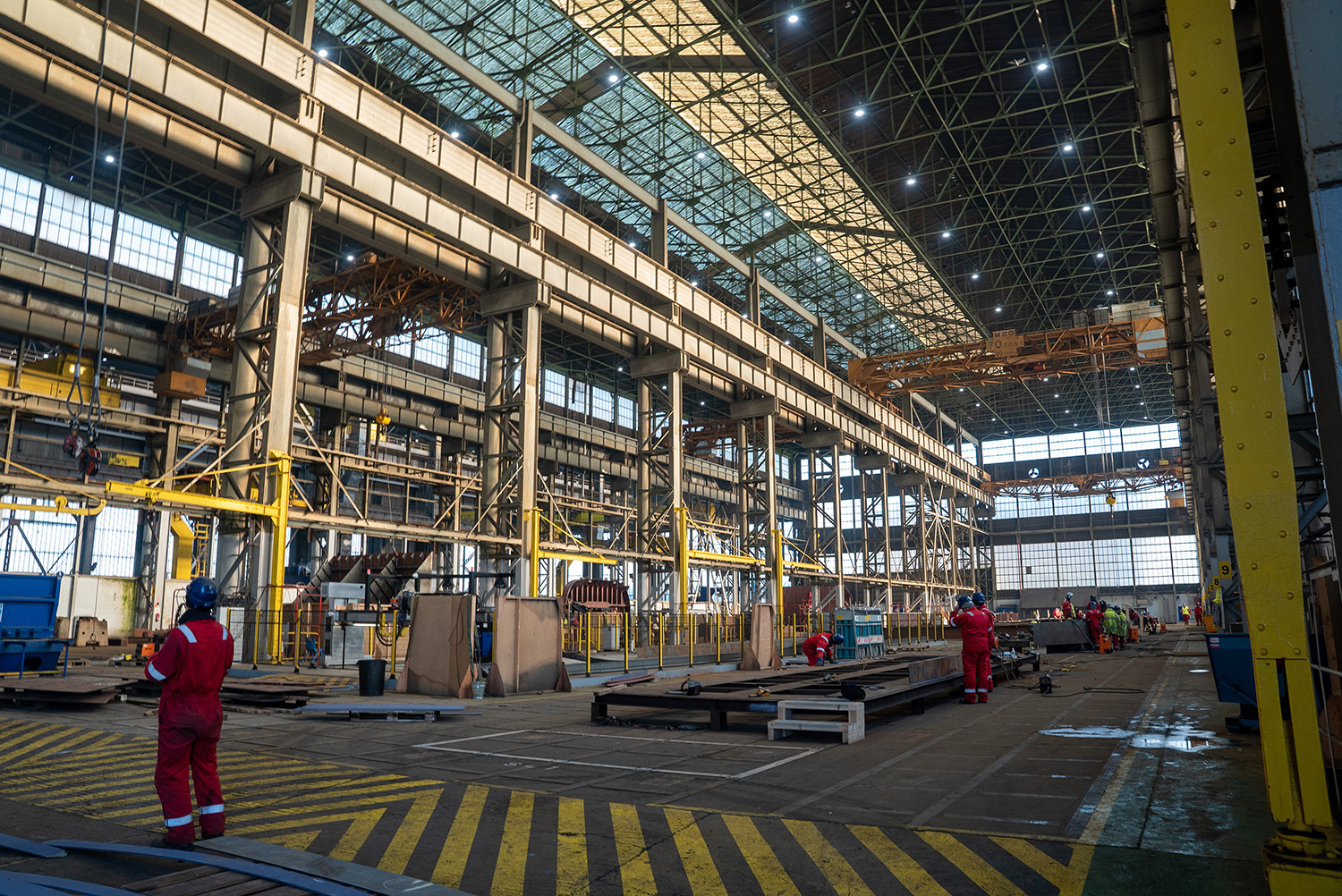
The documentary brings together experts from multiple fields: Titanic analyst Parks Stephenson, metallurgist Jennifer Hooper, and maritime professional Captain Chris Hearn. Using a large LED volume stage, the team conducts a virtual walkthrough of the shipwreck, analyzing structural details and digital reconstructions to clarify aspects of the ship’s final hours.
Key Evidence and Findings:
Steam Valve Discovery: A visible steam valve in boiler room two is found in the open position. This mechanical detail aligns with historical testimony that engineers remained in the boiler rooms for some time after the iceberg collision, continuing to provide electrical power for distress signals.
Reevaluation of First Officer Murdoch: Using enhanced imaging of lifeboat equipment on the starboard side, the team identifies evidence that Murdoch and his crew were preparing to launch a lifeboat shortly before being overtaken by water. This finding is consistent with Second Officer Charles Lightoller’s statements and challenges prior assumptions that Murdoch may have abandoned his responsibilities.
The documentary also documents the 15-square-mile debris field, cataloguing hundreds of personal artifacts. These objects, such as watches, shoes, and combs, are linked to specific passengers when possible. Historian Yasmin Khan assists in contextualizing these items based on passenger records and available documentation.
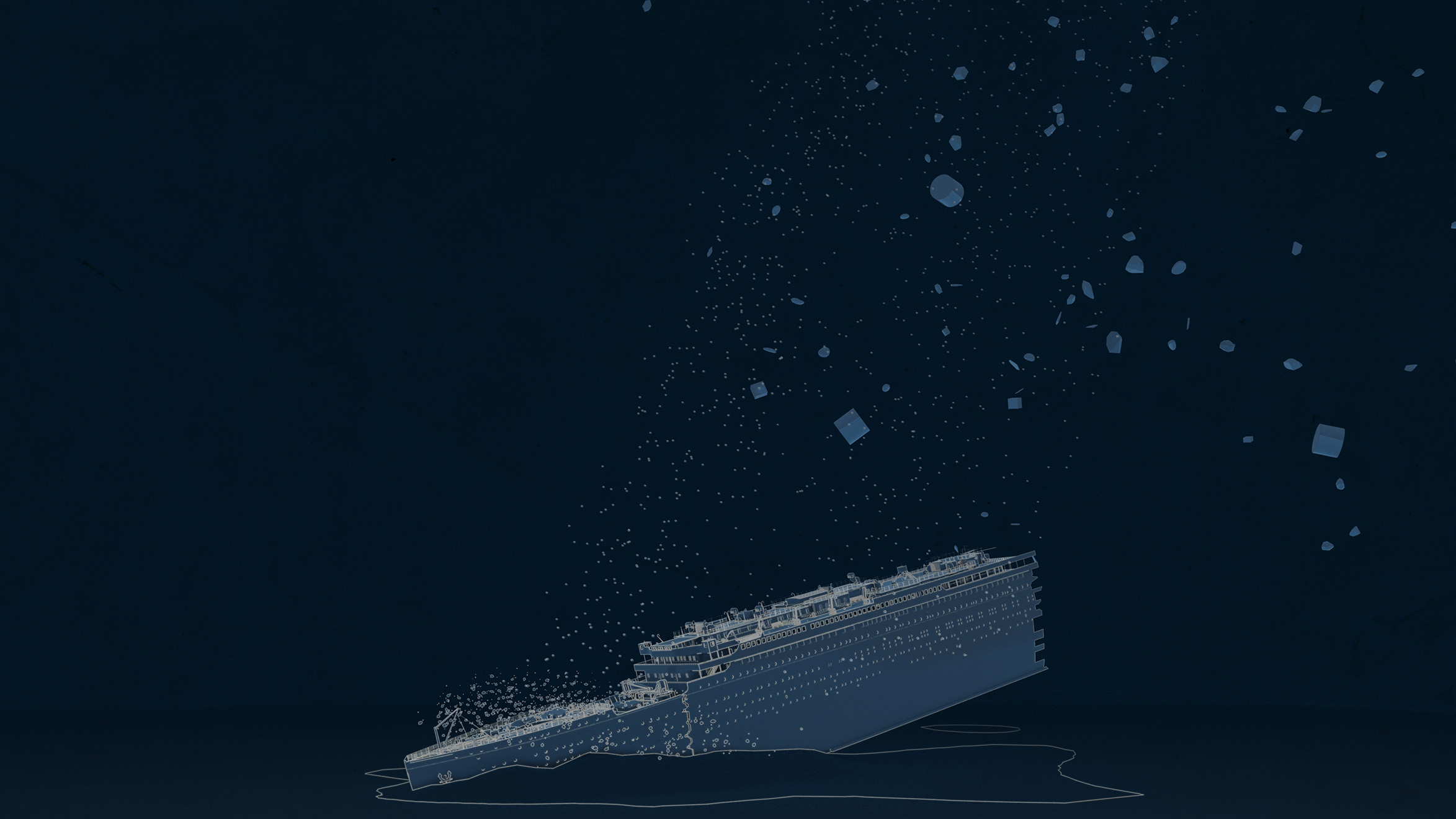
Beyond individual findings, the project offers a broader contribution to maritime archaeology. The Titanic wreck is rapidly deteriorating, and this digital model captures its condition as of 2022 with high fidelity. While the wreck itself will continue to decay, the data provides a permanent and accessible reference point for future research.
TITANIC: THE DIGITAL RESURRECTION does not seek to dramatize the story of the Titanic. Instead, it applies modern investigative tools to reevaluate key aspects of the disaster. The use of detailed imaging and interdisciplinary analysis brings new clarity to long-standing questions. For viewers interested in evidence-based historical research, the film offers a clear and thorough examination of one of the most studied shipwrecks in history.