



The Life Below Zero series, which airs on National Geographic, offers an immersive and raw look into the lives of those who inhabit Alaska’s most isolated and extreme environments. With its breathtaking cinematography, from sweeping drone footage to intimate close-up shots, the show takes viewers deep into the unforgiving wilderness, where every episode is a masterclass in survival and human resilience. Filming in such harsh and frigid conditions, where temperatures can plunge to minus-60 degrees and storms can strike without warning, adds to the authenticity and intensity of the storytelling.
Throughout the series, including episodes like “Night Moves,” “School of Ice,” and “Creatures of Darkness,” the residents of Alaska must adapt to the ever-changing challenges posed by the elements. These episodes reveal how the onset of winter brings not only frigid temperatures but also erratic weather patterns, making survival a constant struggle. The cinematography beautifully captures the vast, frozen landscapes, emphasizing the isolation and danger faced by individuals like Sue Aikens in Kavik or Ricko DeWilde, who must teach his children essential survival skills.
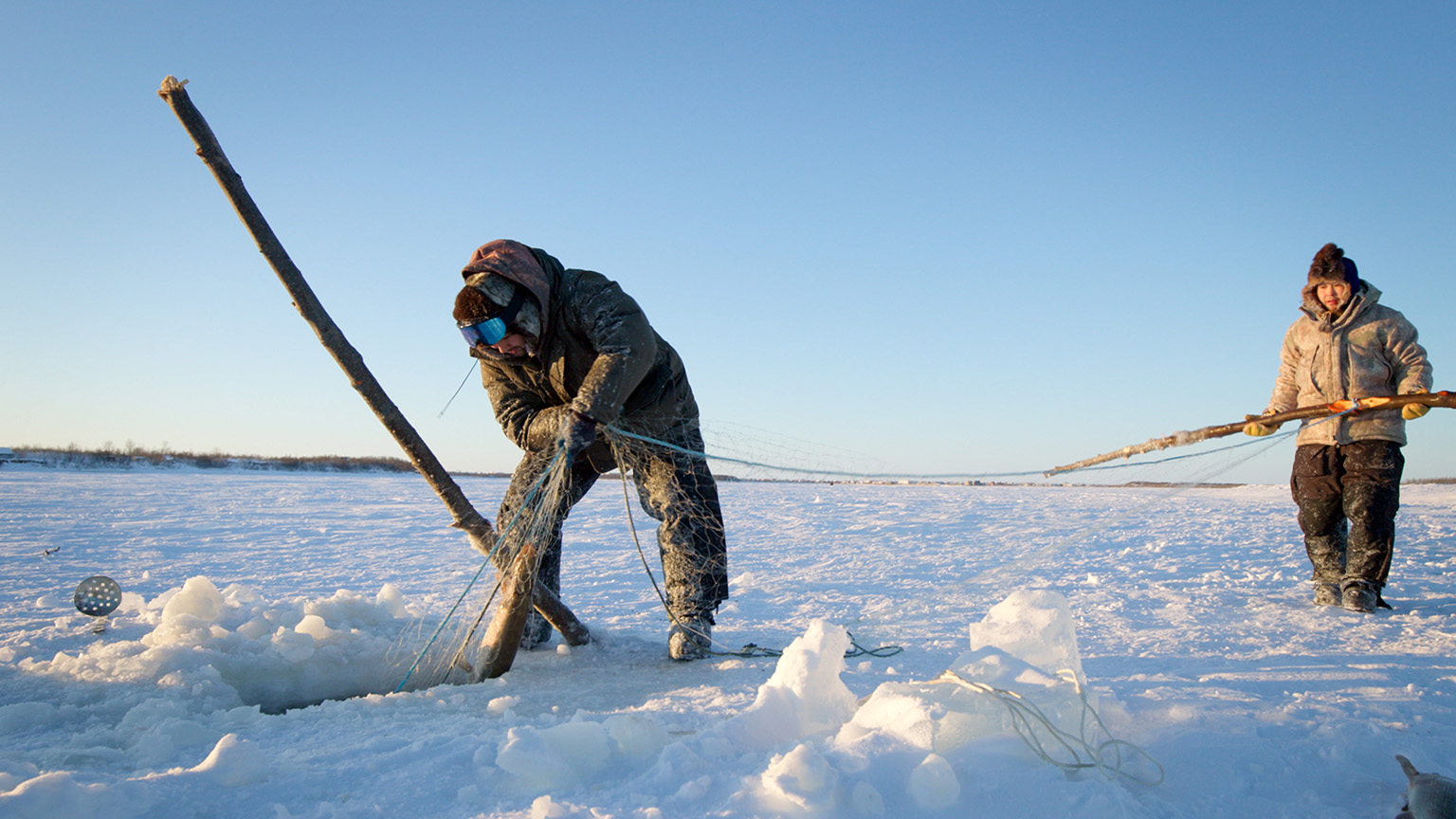
In episodes such as “Dog Eat Dog” and “What’s Up From Down,” the show highlights the delicate balance between humans and nature. The characters rely on hunting, trapping, and bartering to sustain themselves, all while contending with apex predators like wolves, bears, and the merciless cold. This dynamic is brought to life with powerful visuals, from overhead shots of endless tundra to intense close-ups of the residents braving blizzards and hunting under the ice.
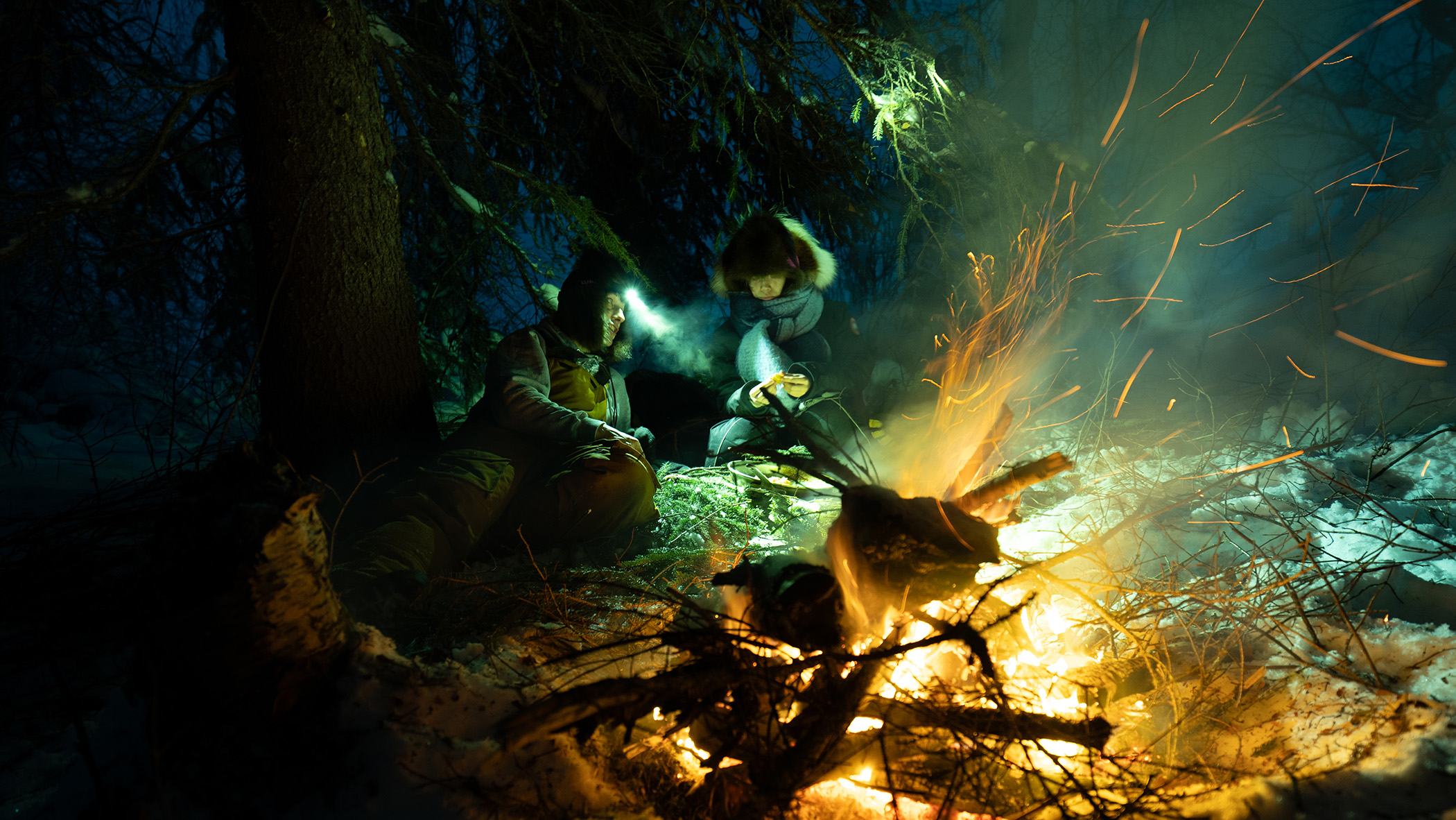
One of the key strengths of the series is how it portrays not just the physical challenges but also the emotional and psychological toll of living in isolation. Episodes like “Return of the Herd” and “Night Country” showcase this as the Alaskans face loneliness, exhaustion, and the constant need to adapt to survive. In the heart of winter, when daylight is scarce, the cinematography highlights the eerie beauty of the long nights, with shadowy figures moving through snow-covered landscapes as they hunt, trap, and secure food sources.
Filming in such extreme conditions is a testament to the skill and dedication of the crew, who manage to capture both the majestic beauty and the deadly severity of Alaska’s wilderness. The series excels in showcasing how the residents not only survive but thrive by drawing on ancestral knowledge, resourcefulness, and a deep connection to the land. From the Hailstones working together to catch fish beneath the ice to Andy Bassich and Denise Becker navigating sudden storms, each episode builds on the theme of resilience and survival.
The series also touches on the passing of knowledge from one generation to the next. In episodes like “Creatures of Darkness” and “Night Moves,” we see parents teaching their children the skills necessary to live off the land, such as Ricko DeWilde’s lessons to his daughter Skarlett or Chevie Roach passing on winter survival knowledge to his son. This intergenerational connection adds depth to the narrative, showing that survival in Alaska is not just about individual grit but also about community, family, and tradition.
Ultimately, Life Below Zero is more than just a survival show; it is a beautifully crafted exploration of human endurance in one of the most extreme environments on Earth. Each episode, with its stunning visuals and gripping narratives, captures the raw power of nature and the indomitable spirit of those who call Alaska home. Through the lens of the camera, viewers experience both the breathtaking beauty and the deadly challenges of life in the wild, making Life Below Zero a standout in the realm of documentary filmmaking.


