



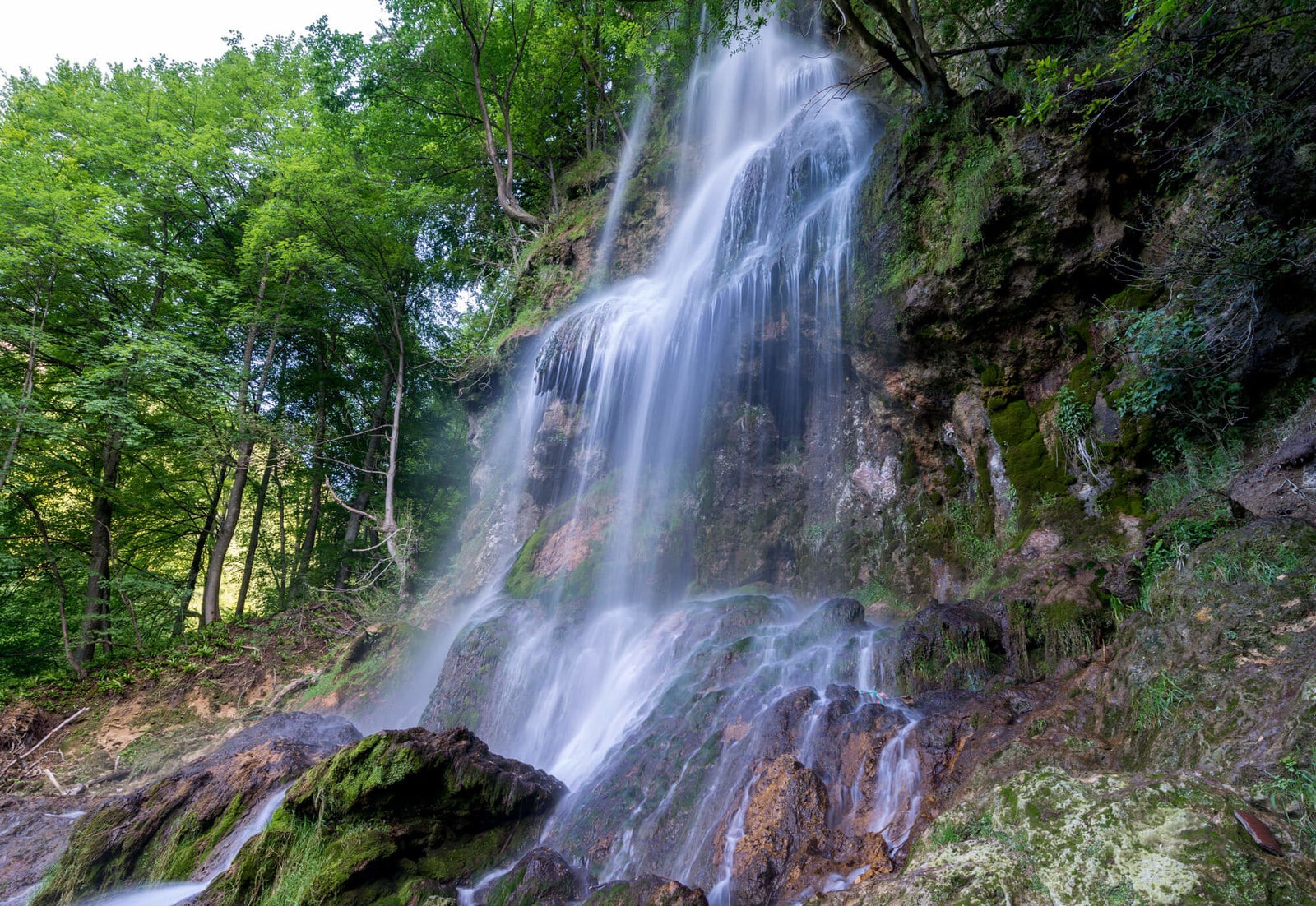
Expansive nature reserves, protected forest and natural landscapes in Baden-Württemberg, the wild south of Germany.
Germany’s south is surprisingly wild and untouched: Dark forests, roaring ravines and enchanted wetland meadows present a picture of nature at its most original. If you venture out on an expedition here, you will find a patchwork of natural and cultural landscapes in various stages of development. Around 14,000 square kilometers (38% of the land surface) are clad with forest. Between Odenwald and the southern Black Forest, there are also river- and pasture landscapes, orchard meadows and heathlands simply enticing you to explore them. There’s a lot of pristine nature and wilderness waiting to be discovered in the ten large protected areas.
Black Forest National Park: On the way to wilderness
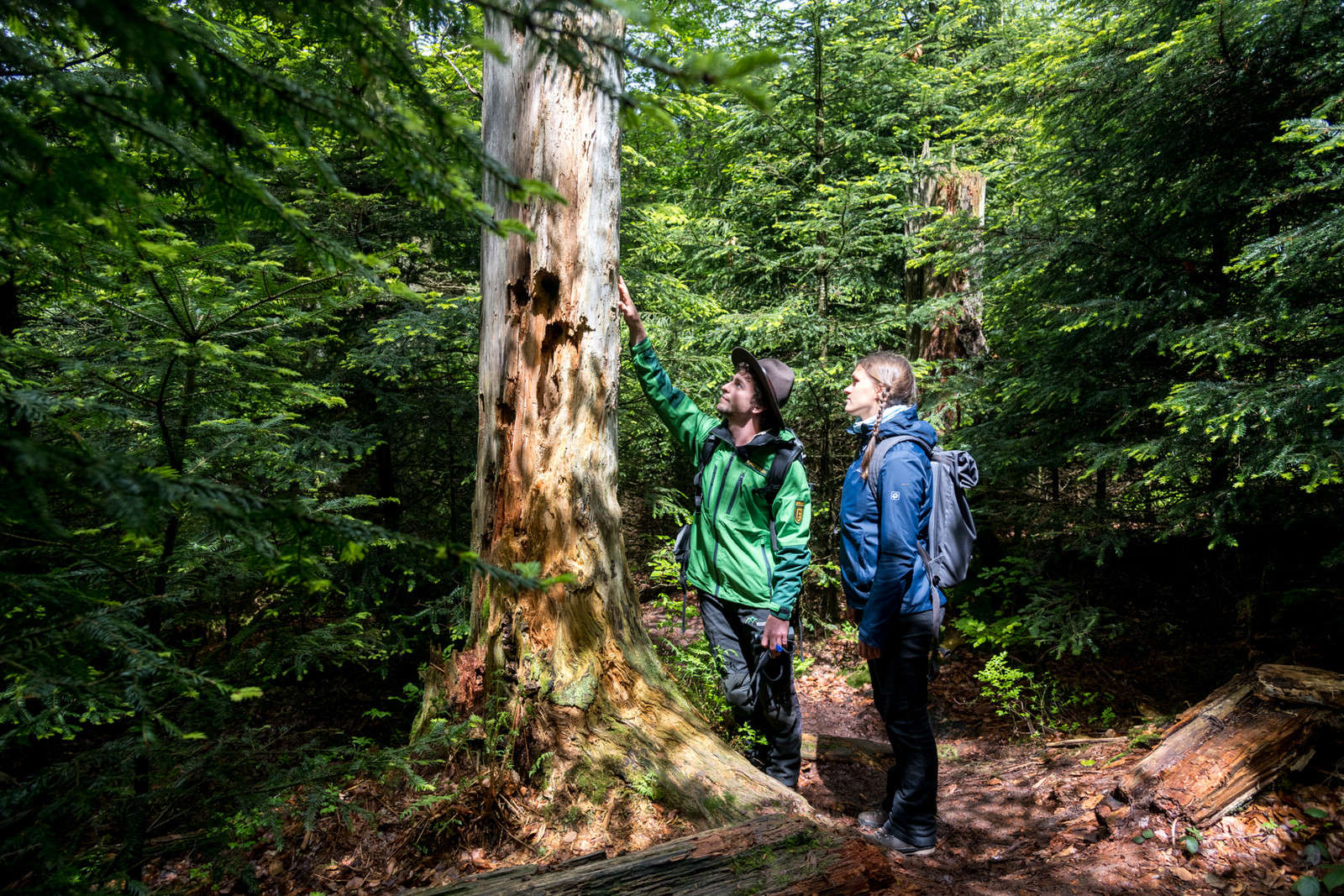
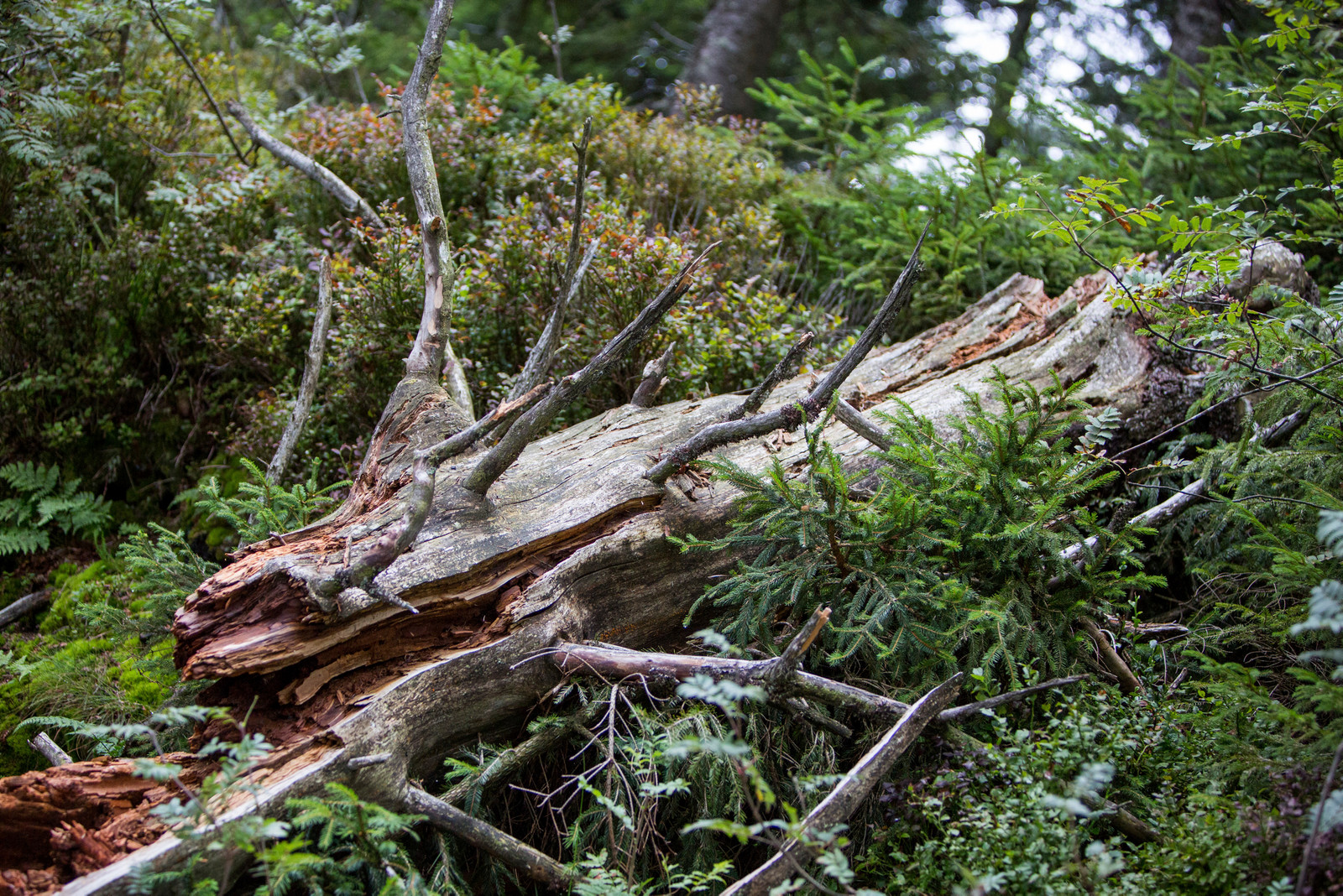
This is where nature can be simply left to its own devices and take its course without human intervention: Baden-Württemberg’s first National Park has extended over the northern Black Forest mountain range since 2014. The Park has an area of around 100 square kilometers and stretches over the two areas of Ruhestein and Hoher Ochsenkopf / Plättig. The centre of the National Park is formed by two protected forests where forestry is no longer practiced. This is where you can see for yourself how the entire National Park would eventually look if nature was left to its own devices. A team of head- and volunteer rangers guide visitors to a relic wilderness area which becomes gradually more unspoiled every year. You can easily backtrack this by the Lothar path: this is where a new natural forest has been gradually re-growing more than 15 years after a major storm. In late 2020, the new visitor centre will open its doors in Ruhestein – with a grand exhibition and spectacular skywalk above the treetops of the National Park.
www.nationalpark-schwarzwald.de/en
Swabian Alps Biosphere region: Transformation from a no-go area to a natural paradise
Until a couple of years ago, army tanks use to roll across the former private military training zone at Münsingen. Since no one had access to the area for a long time, nature had the chance to develop its full diversity. Today, this is the site of one of the largest unfragmented natural environments in Baden-Württemberg and the heart of the Swabian Alps biosphere, extending over 6700 hectares. Wooded mountain summits and patchy shrubs loom out from the landscape.
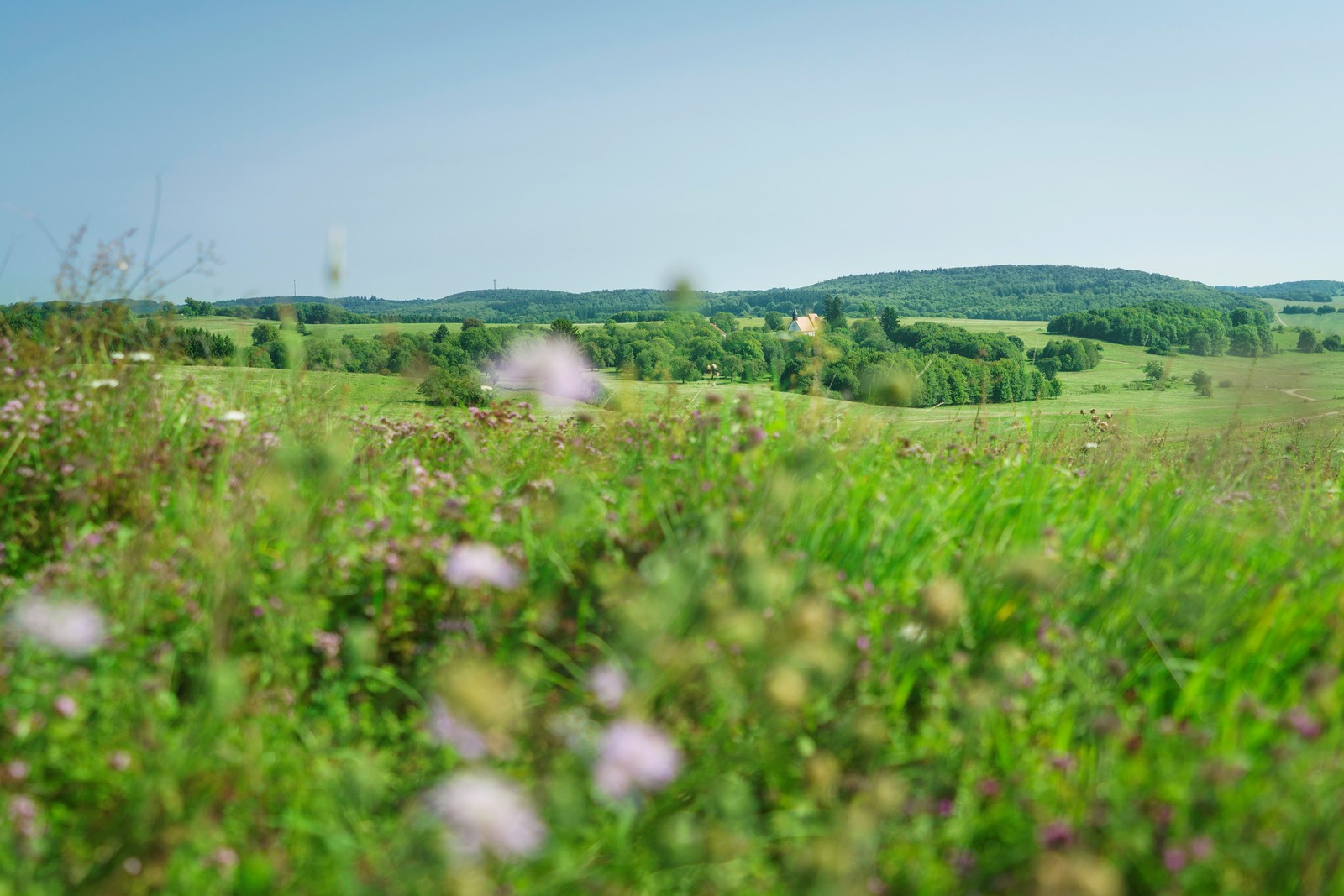
The region is home to endangered plants species such as catsfoot (Antennaria dioica) and moonwort (Botrychium lunaria), as well as threatened animal species such as wheatear (Oenanthe spp). In 2009, UNESCO designated this cultural landscape as a biosphere reserve. The area covering over 85,000 hectares is now one of the model regions exemplifying the harmonious coexistence of man and nature. It also includes the plateau as well as the Albtrauf with its spectacular mountain forest and wooded ravines, alongside the foothills with their expansive meadow orchards. The decade-long special protection status means that many curiosities can still be found here such as the remains of an abandoned village, whose residents were rehomed in the 1930s.
http://biosphaerengebiet-alb.de
Black Forest Biosphere region: Shaped by nature and people
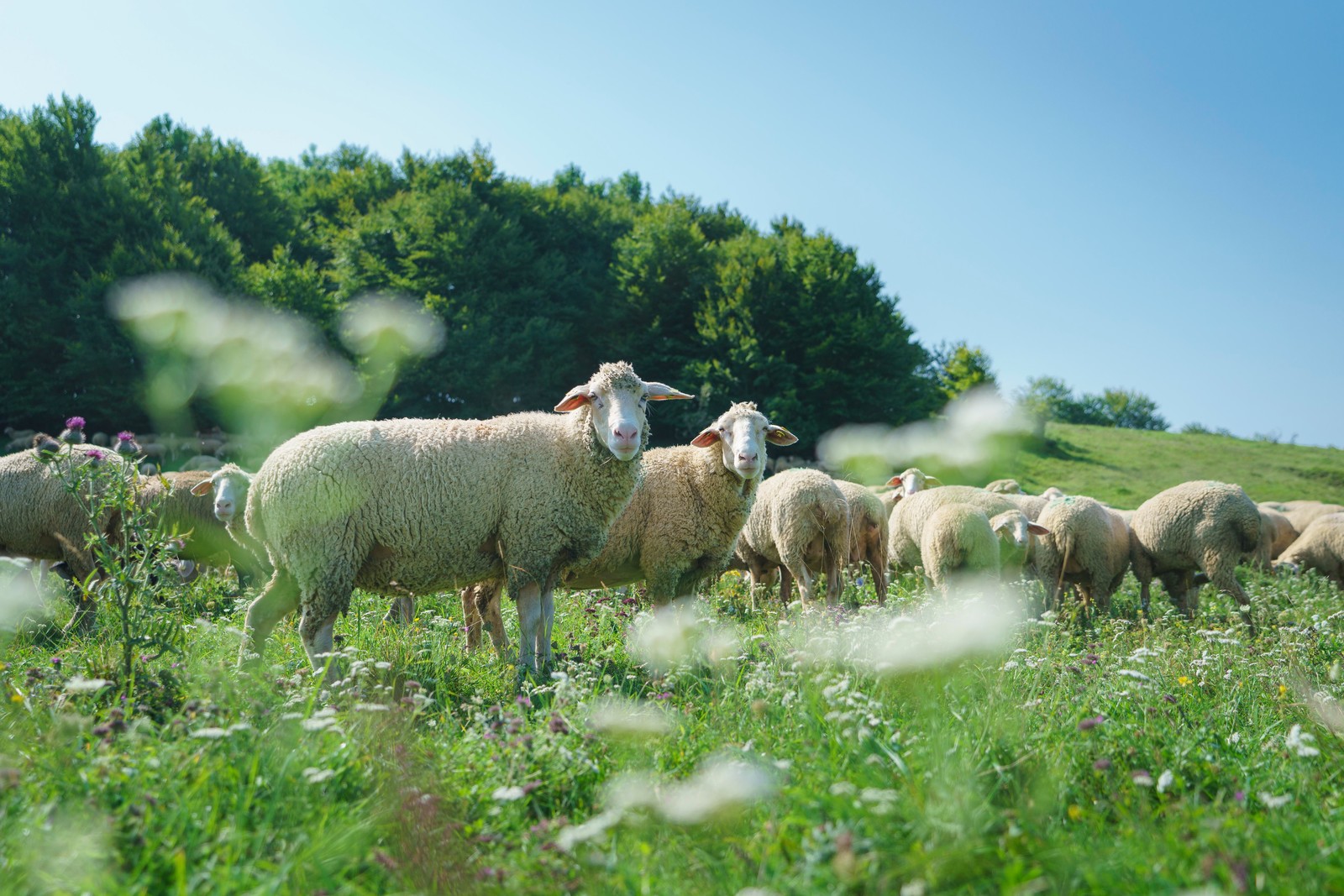
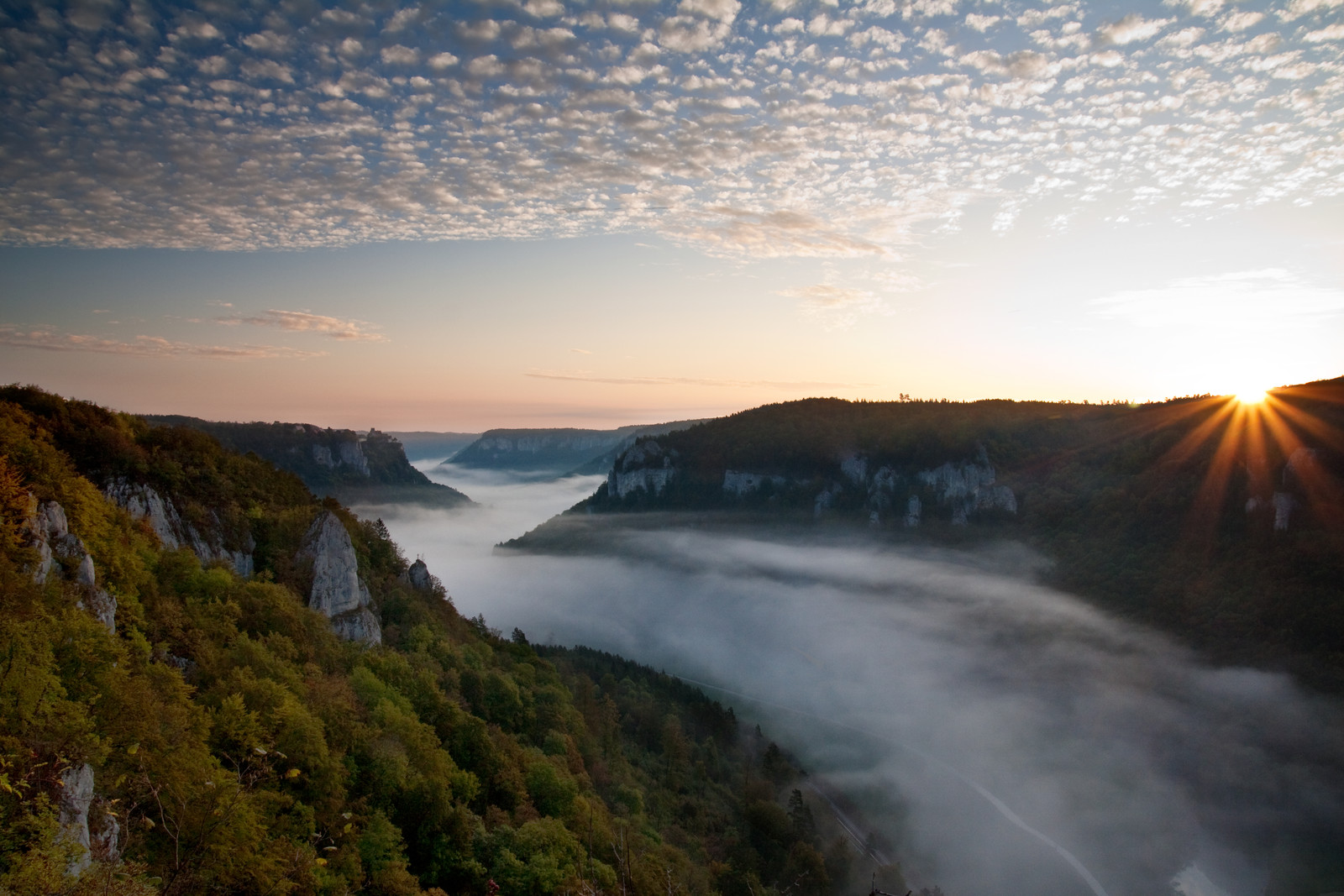
Where six glaciers used to meet is now a remarkable scene of natural species diversity where rare plant and animal species can find somewhere to live. Vestiges of the last Ice Age can still be seen in the Black Forest landscape, such as in the form of numerous corrie lakes. The region is also a special cultural landscape that is characterized by an attractive alternation of forest and open highland valleys. One special feature of interest lies in the so-called grazing commons, which are pasture areas that have been in communal use for centuries. They testify not just to a lasting cohesive relationship between Black Forest farmers. The tradition of communal land management has also characterized the landscape and ecosystem. Preserving this man-made cultural landscape is one of the Biosphere region’s specified targets.
www.biosphaerengebiet-schwarzwald.de
Seven nature parks: Enjoy nature in landscapes of forest, vineyards and meadows
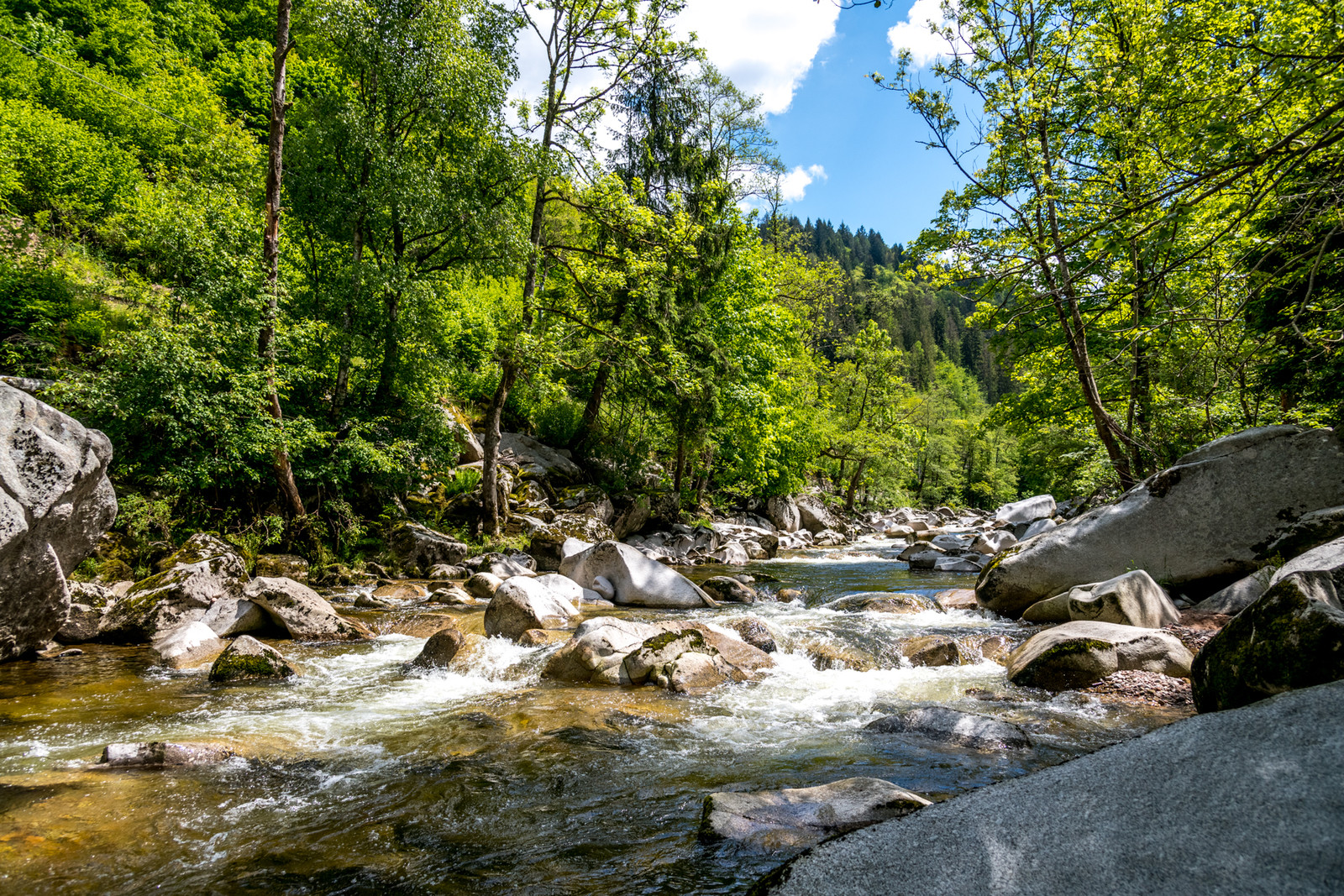
These nature parks depict the entire landscape diversity in the south and offer numerous visitor attractions: Seven nature parks with an area between 160 and 3800 square kilometers give you an intriguing experience of the cultural and natural landscapes in Baden-Württemberg. Two of them can be found in the Black Forest: The nature parks of the southern and the central / northern Black Forest surround and complement the National Park. Another nature park promotes the rocky landscapes of the Upper Danube with its well-known monasteries and river valleys. In the Schönbuch nature park, a broadleaf forest has survived in the middle of the densely populated middle Neckar Valley. The deep notches of the Neckar Valley lend character to the Neckartal-Odenwald nature park, in the heart of which lie numerous old castles and the old university city of Heidelberg. Visitors can travel even further back in time at the Schwäbisch-Fränkischer forest nature park, where the border rampart of the Roman Limes once extended – this is now a UNESCO world heritage feature. Finally, the Stromberg-Heuchelberg nature park provides an opportunity to enjoy an attractive variety of forest, vineyard- and meadow landscape, with countless regional products that vary greatly between all nature parks.

