HomeGourmetDiningEat like a Local, What to eat when traveling to the Philippines

Eat like a Local, What to eat when traveling to the Philippines

follow us on Google News

Part of the charm of traditional Filipino hospitality is making sure that visitors have their fill of the best food that their home can offer. The first thing a Filipino will ask their guest is, “have you eaten?” Wherever you go in the country, the dishes offered will vary, as each region has something unique to offer, using their best and freshest ingredients. 
Halo-halo
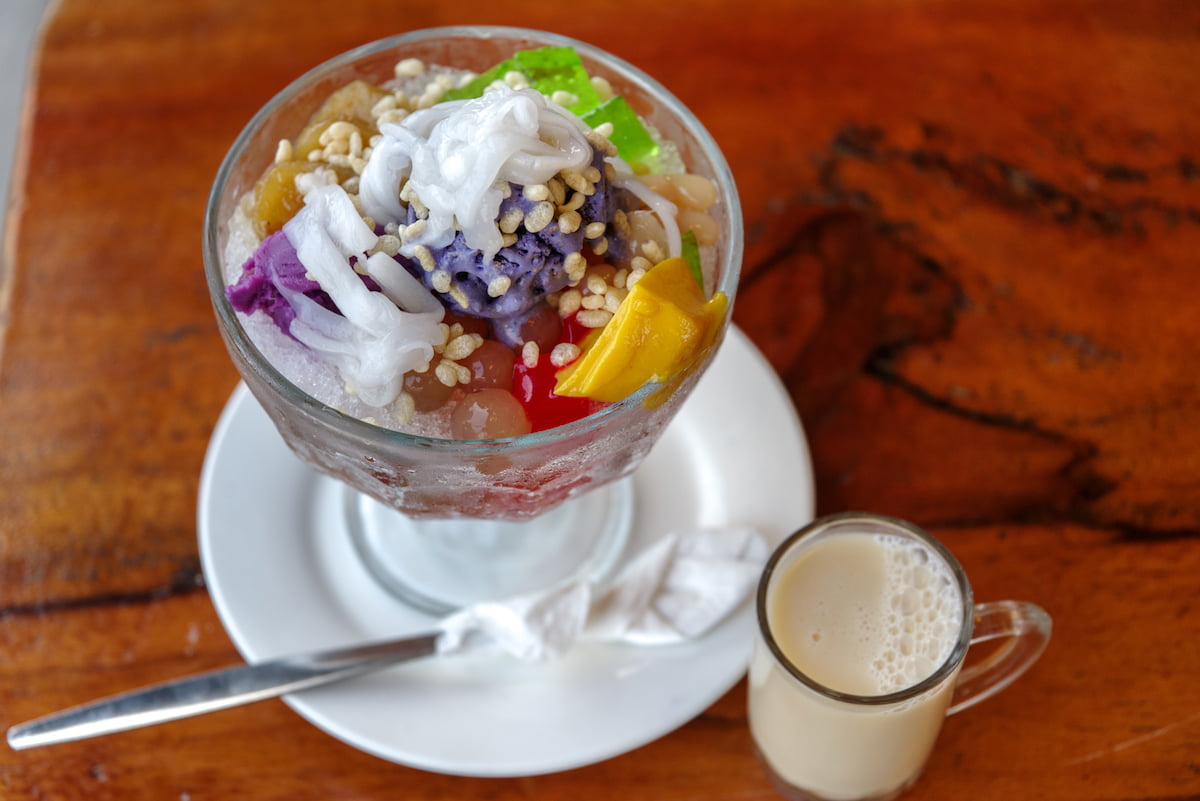
Halo-halo

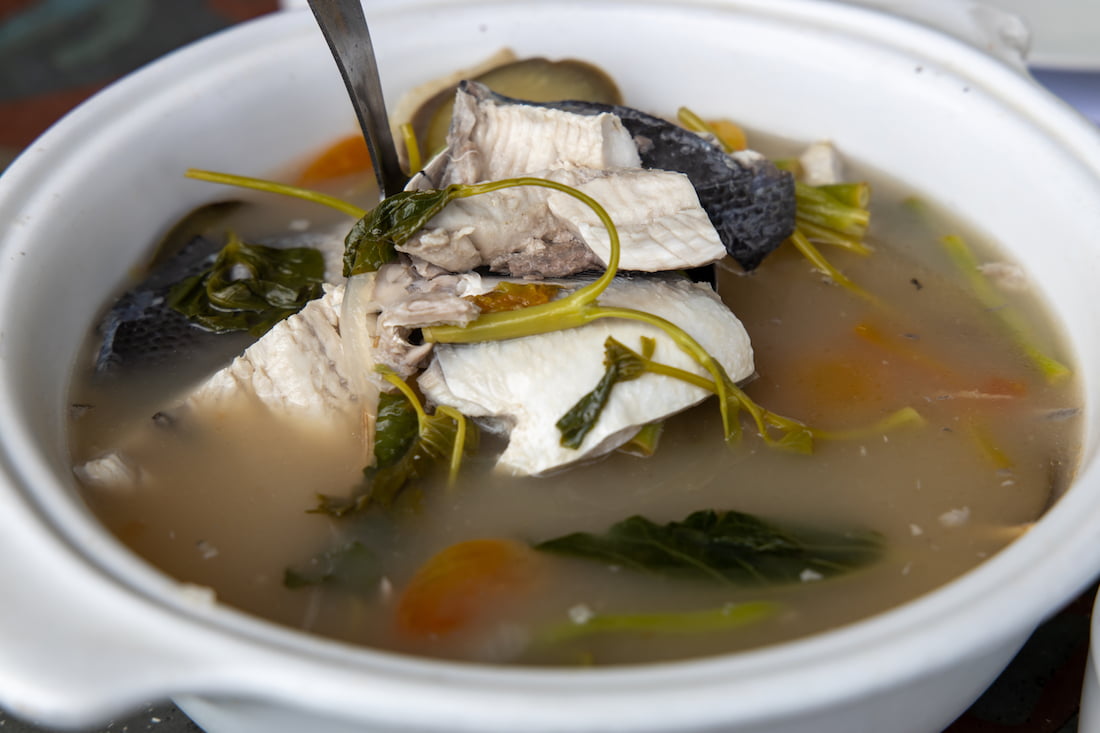
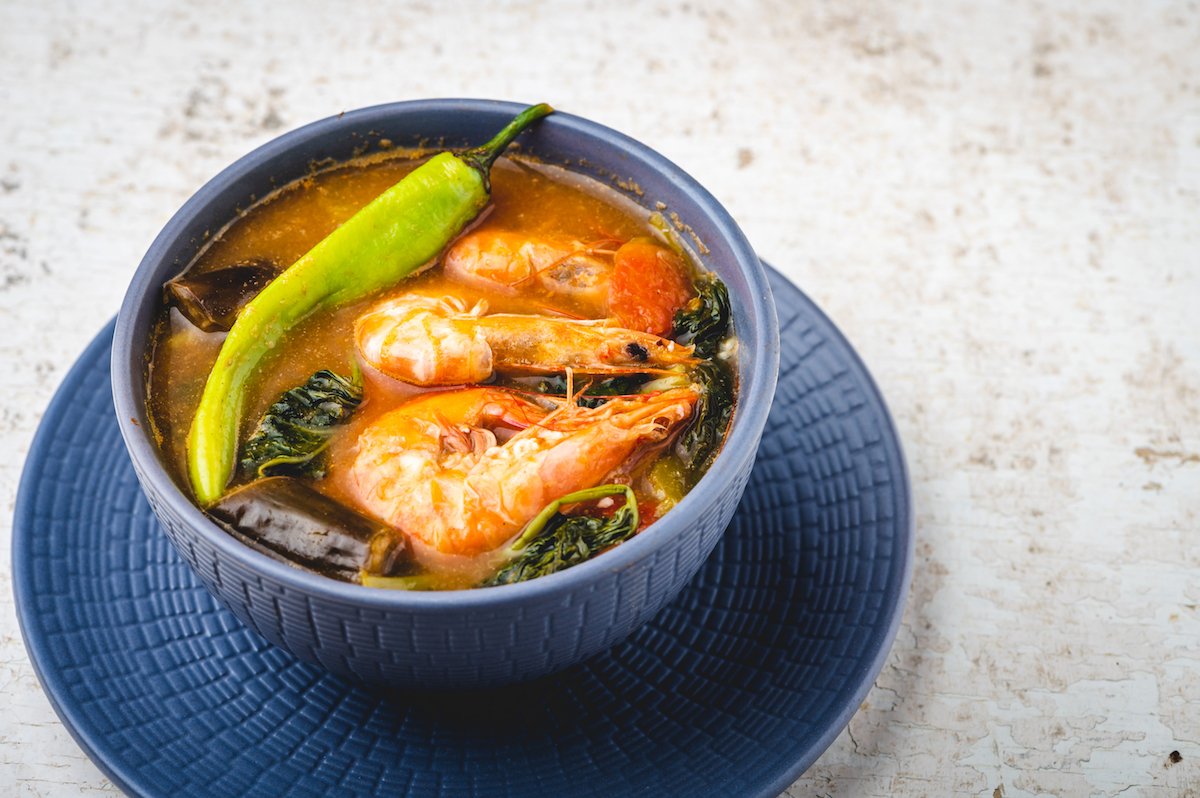
Halal food takes on many forms throughout the Philippines. In Manila, there are restaurants and eateries that offer Halal-certified food, ranging from the stalls located at the area known as Muslim Town near the Golden Mosque in Quiapo that offer culinary delights such as Bakas or Bamboo-smoked tuna and a glutinous rice cake called Dodol. For Halal-certified Filipino fare in the Makati district, the El Prado dining outlet of the Berjaya Hotel Makati offers dishes such as Tinolang Manok (chicken in ginger broth with vegetables), a Halal Nilagang Baka (boiled beef with vegetables) and Sinigang na Baka (Beef simmered in a clear sour soup with vegetables).   
Maranao Delicacies – Pagana Mamis from Halal Culinary - CDO
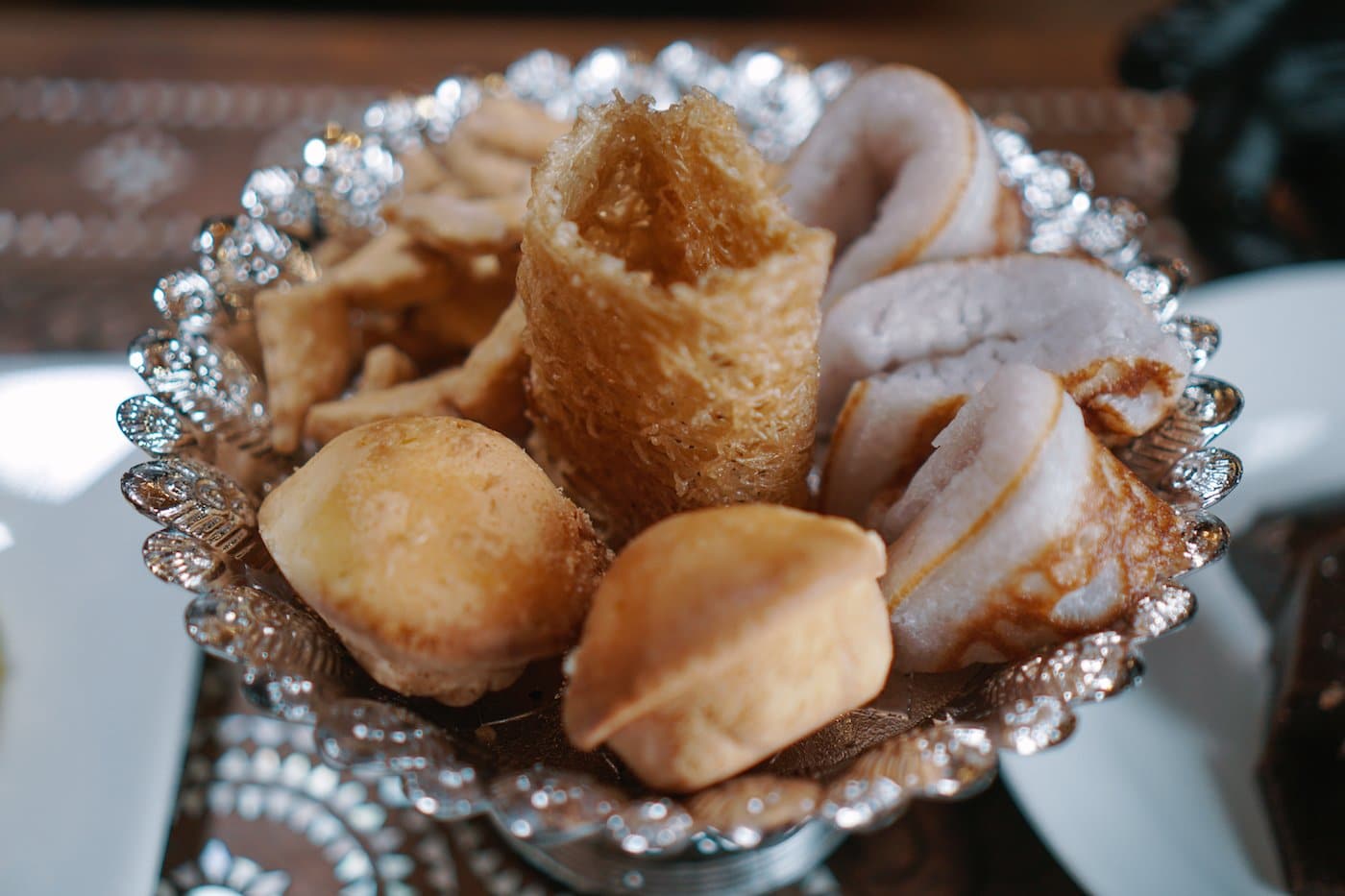
Maranao Delicacies – Pagana Mamis from Halal Culinary – CDO

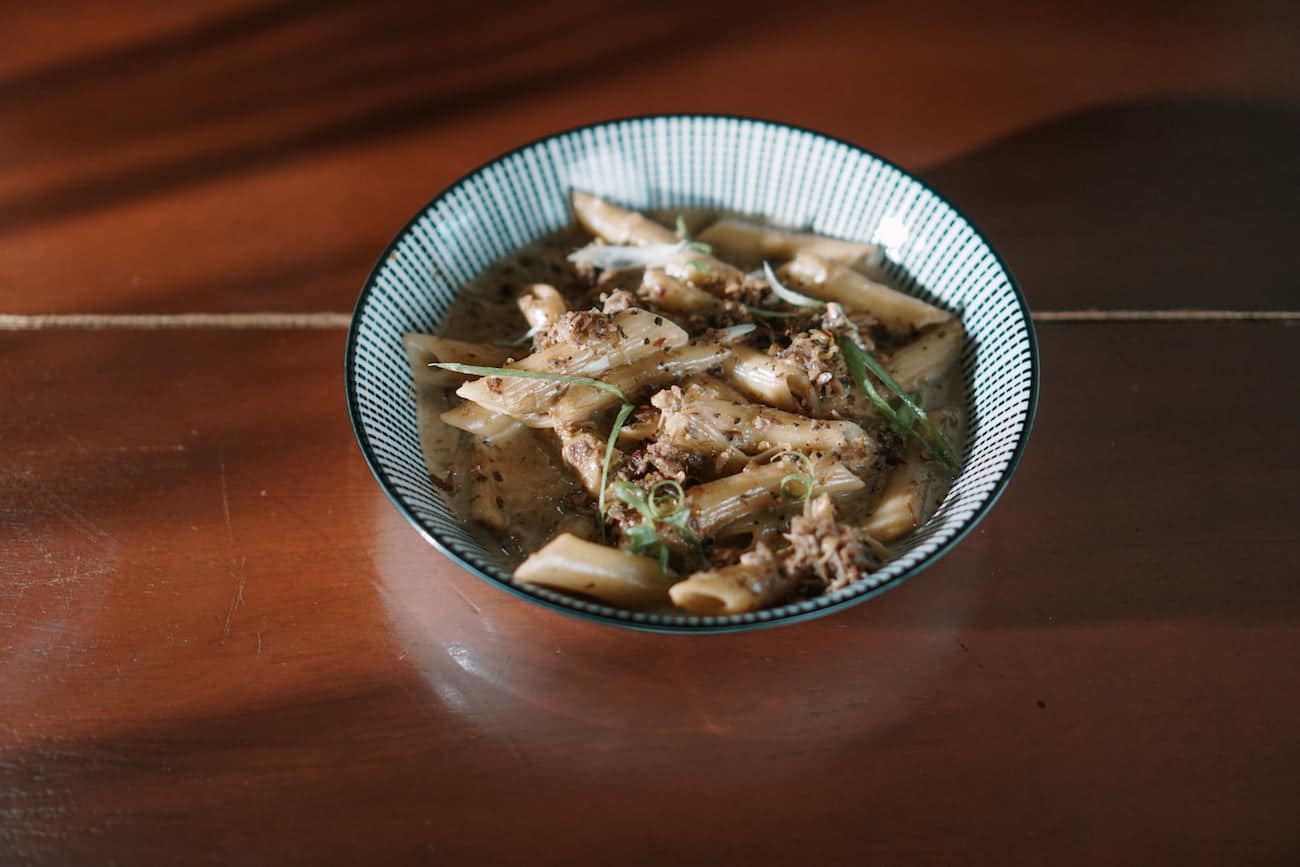
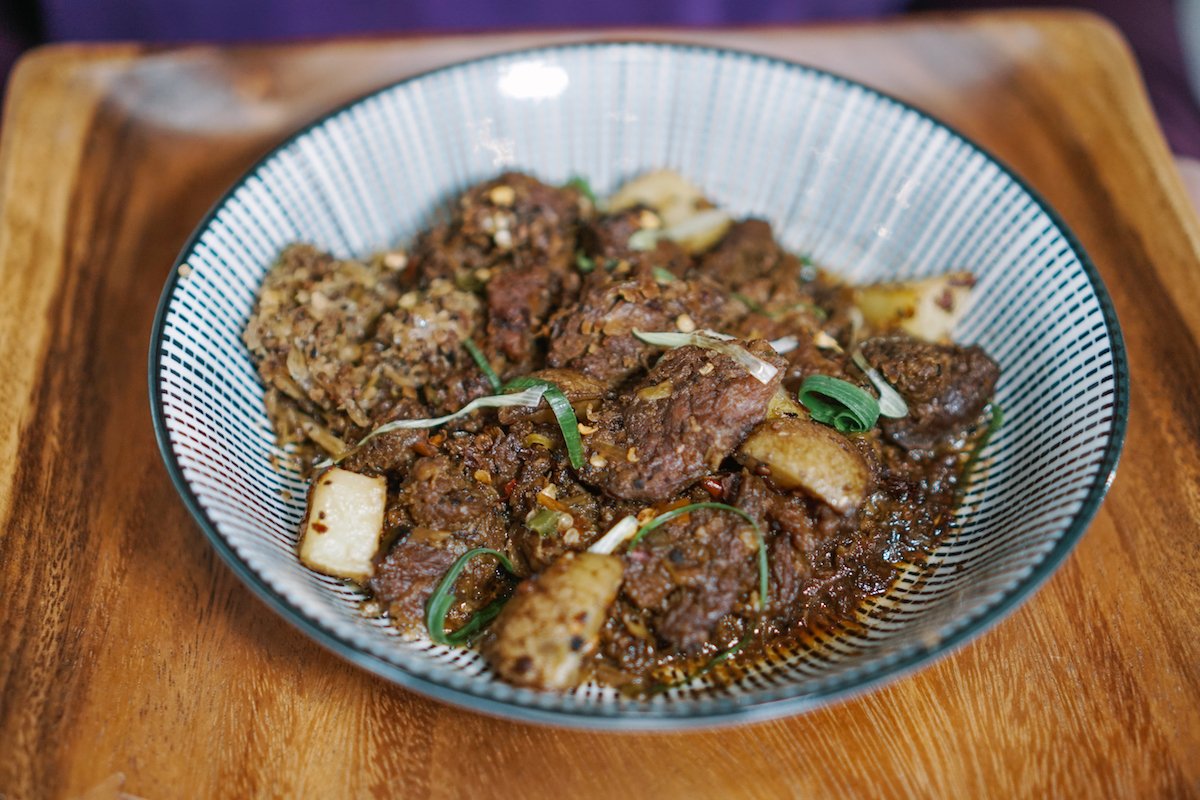
In the CARAGA region, visitors can have fruits and vegetables served with Guinamos or salt fermented fish as their starter. In Cagayan de Oro, one can have a dry curry Beef Rendang or its fusion version as a Beef Rendang Penne at a restaurant called Torogan Kape. 
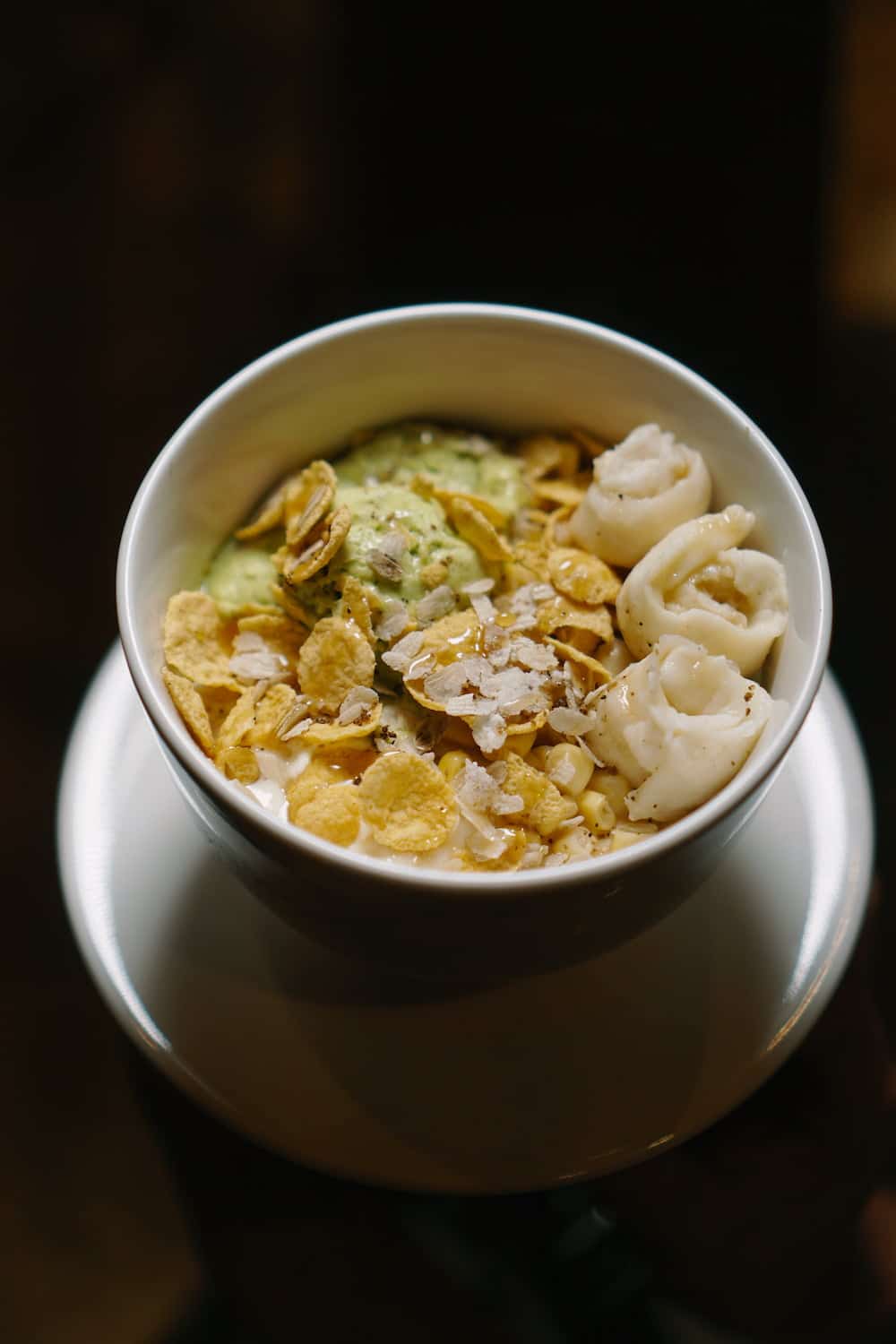
Diners can also try Piaparan a Manok or chicken stewed in coconut milk, turmeric and a special paste called ‘Palapa’ which is made with scallions, ginger, and turmeric along with local pastry snacks called Tyatag, Lokatis, Apang a Margas, Browa, Dodol, Tapay asa Torogan (Fermented Cassava dessert).
Ads
Tapay asa Torogan (Fermented Cassava dessert) from Halal Culinary

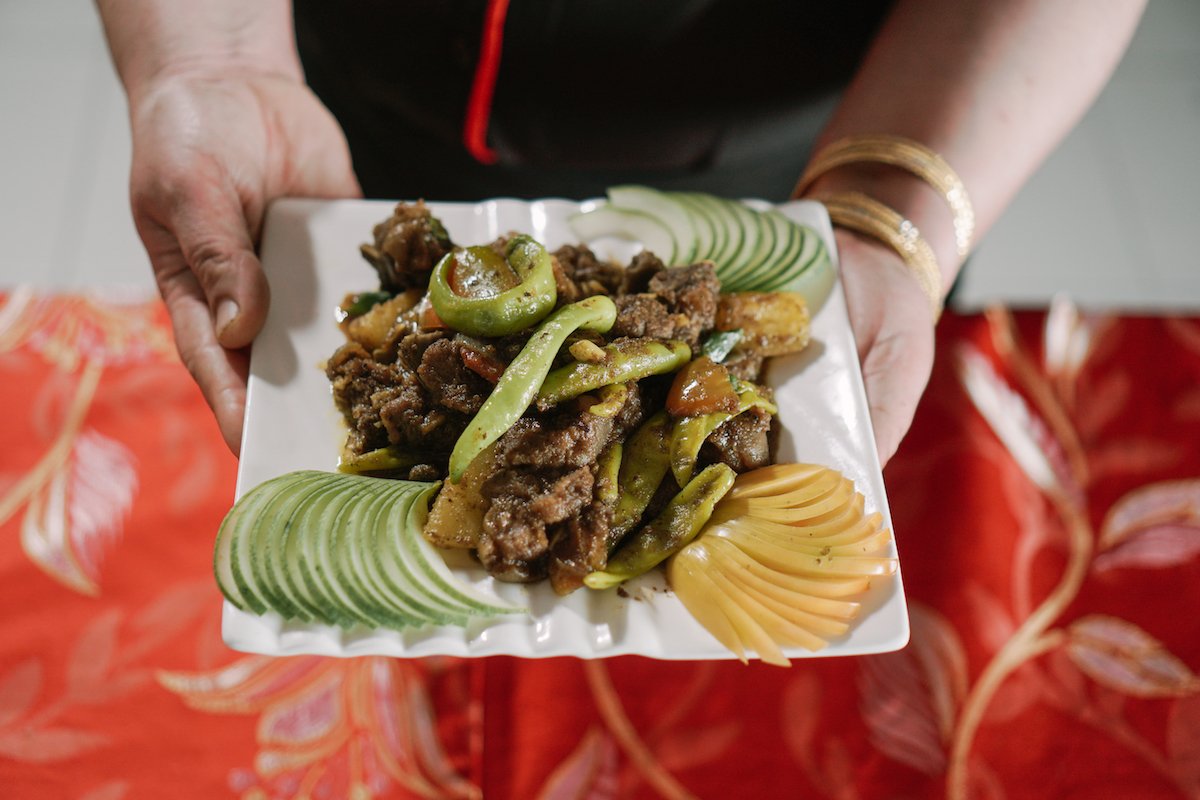
When in Cotabato, travelers can try the Sinina Kambing or goat meat stewed in spices and served with Crab Rice from Hashy’s Cuisine, which is one of the pioneering Halal restaurants in the region.  From the Maguindanaoan kitchens comes Linigid na Manok, a curry-like dish of chicken stewed in ginger, fresh coconut milk, and turmeric. Palapa is added to the dish to give it depth of flavor. Visitors can try this Halal dish at a restaurant called Mama Ping, a fixture in Cotabato’s dining scene. 
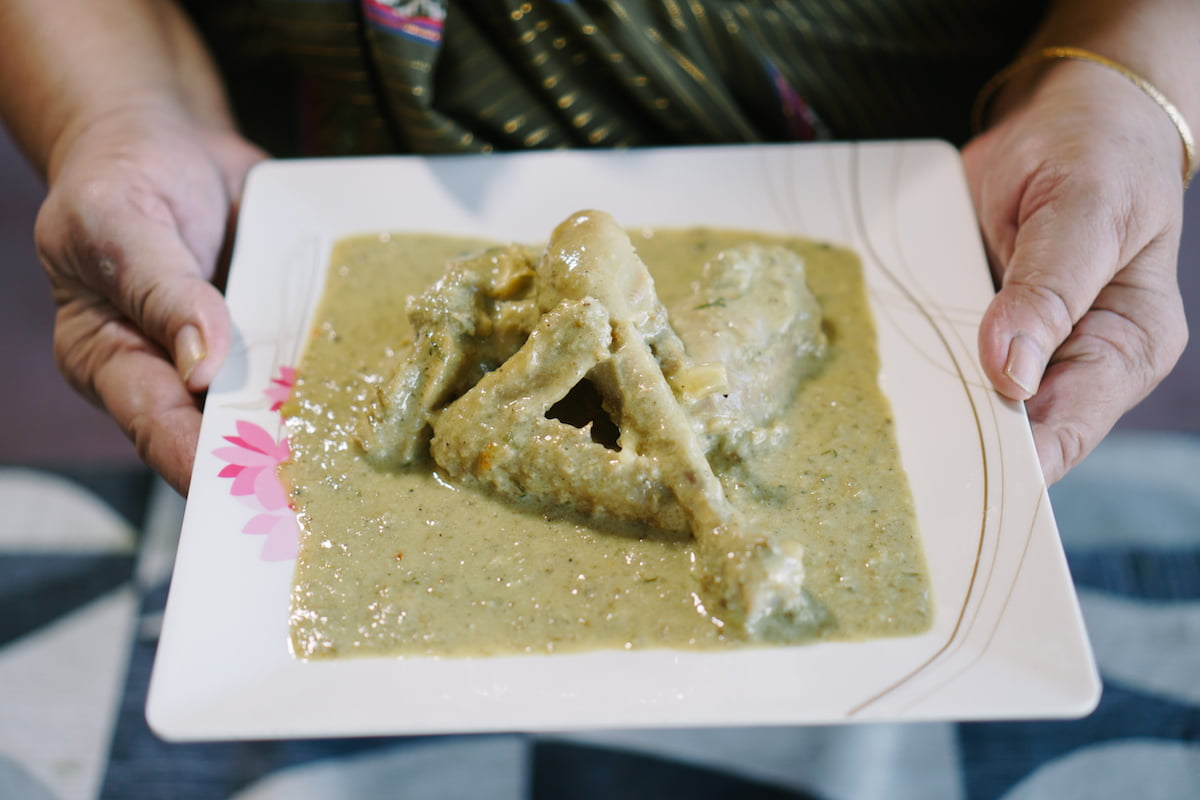
Linigid na Manok from Mama Ping from Halal Culinary - Cotabato
Linigid na Manok from Mama Ping from Halal Culinary – Cotabato

In General Santos City, where tuna is abundant, their Halal fish dish is Buntot ng Tuna in Curry sauce and Palapa by Tambilawan Kamayan Restaurant.
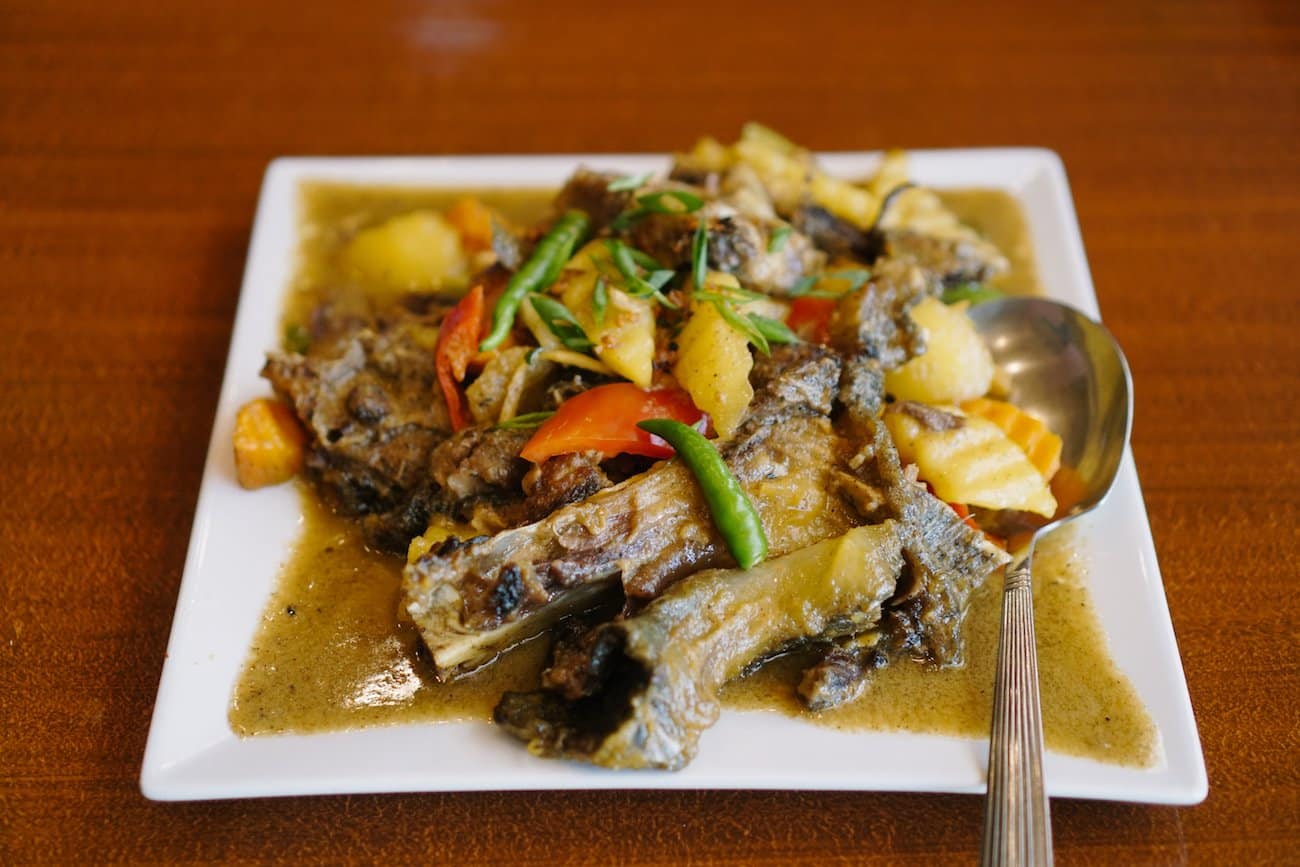
Buntot ng Tuna in Curry sauce with Palapa by Tambilawan Kamayan Restaurant from Halal Culinary – Gen San

The Al Kuwait eatery in Iligan offers Pater or Pastil, dish made with shredded chicken, beef or fish that is wrapped with steamed rice in a banana leaf for convenient eating.  
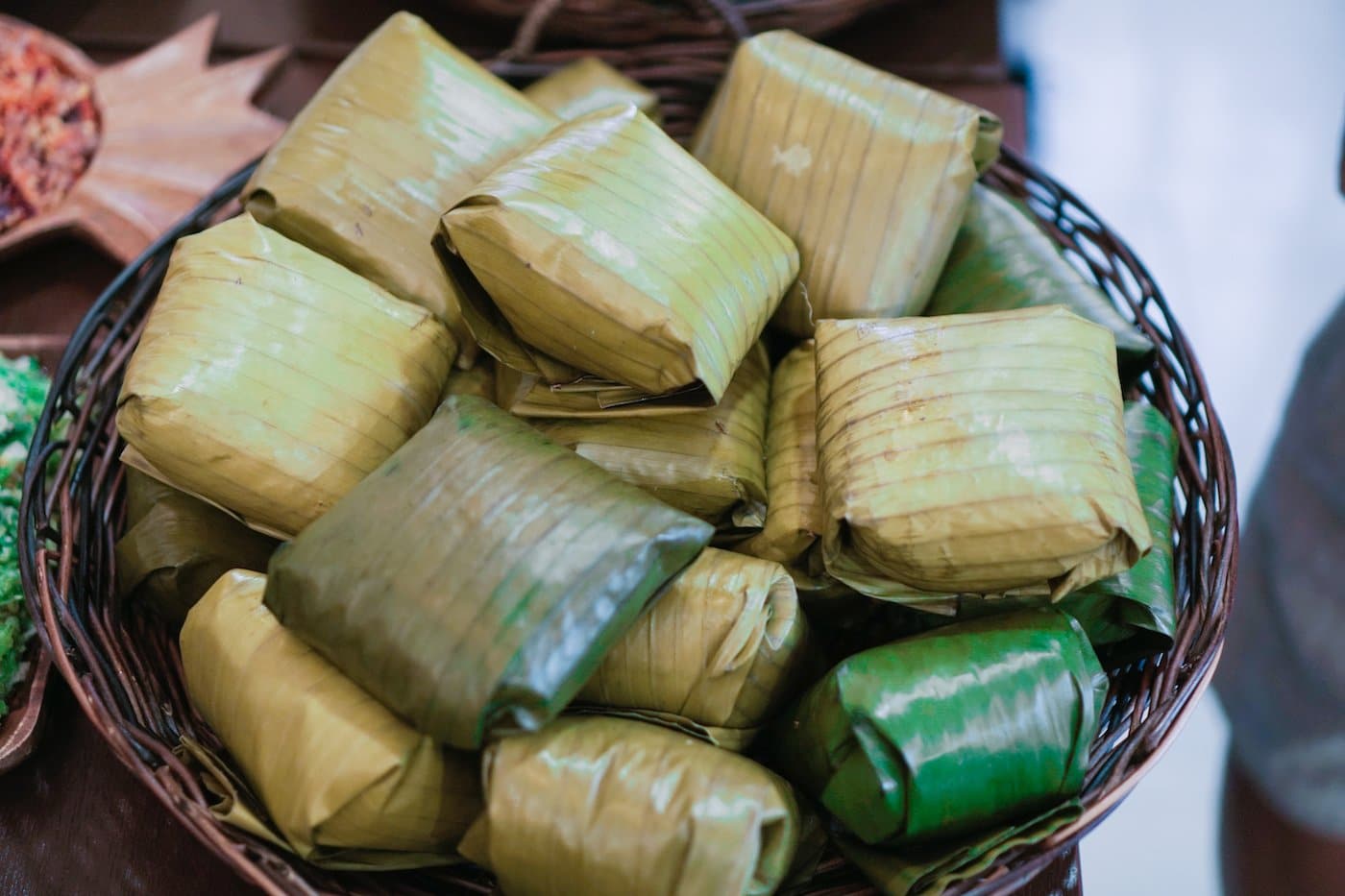
Pater from Pater – Al Kuwait in Iligan from Halal Culinary – Iligan

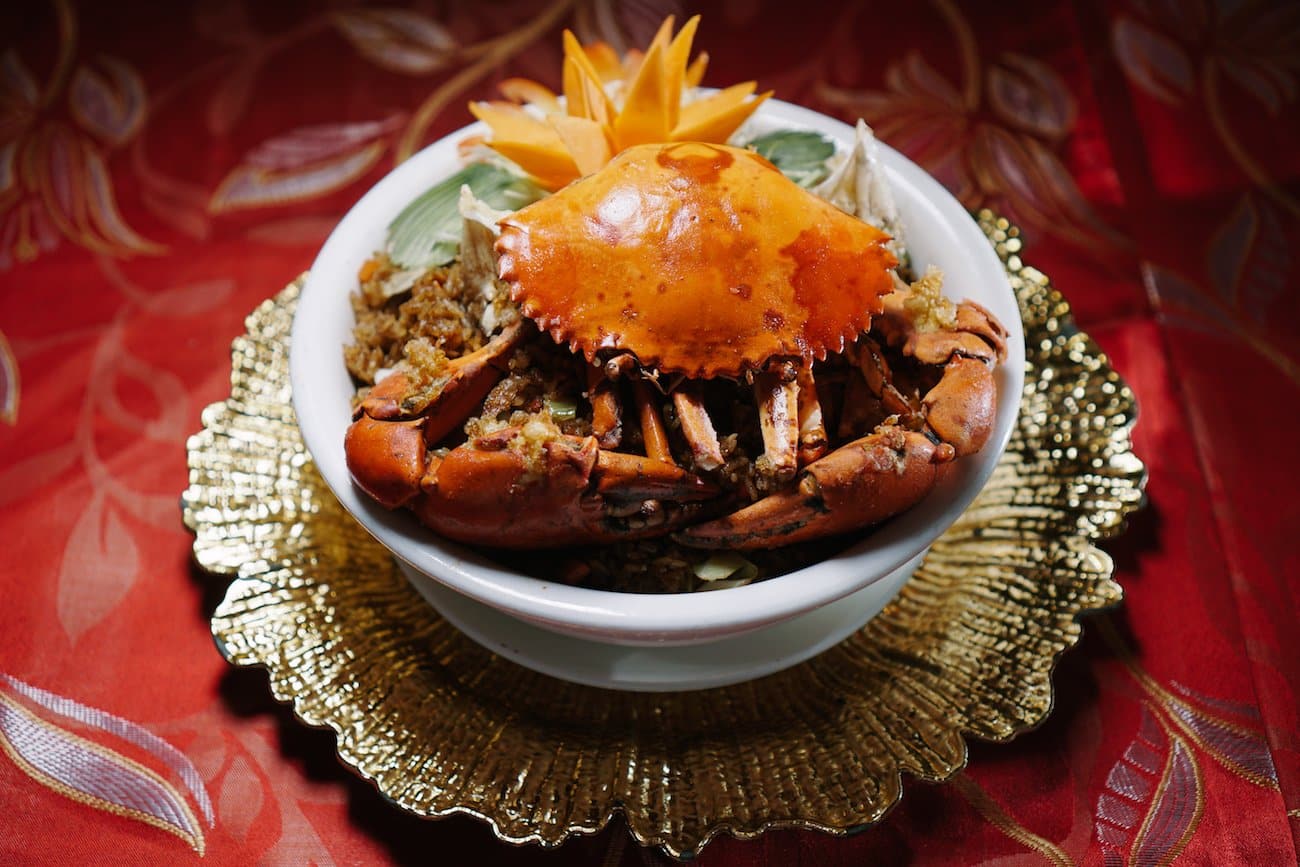
In the Zamboanga Peninsula, composed of Zamboanga del Norte, Zamboanga del Sur, and Zamboanga Sibugay, there are culinary delights that await. Warm up with a bowl of Tiyula, which is the Tausug word for soup. Its most popular iteration is the Tiyula Itum, distinctive because of its dark-colored broth that comes from the addition of charred coconut. It is usually made with beef but sometimes goat meat is used. It is one of the anticipated dishes at Tausug gatherings.
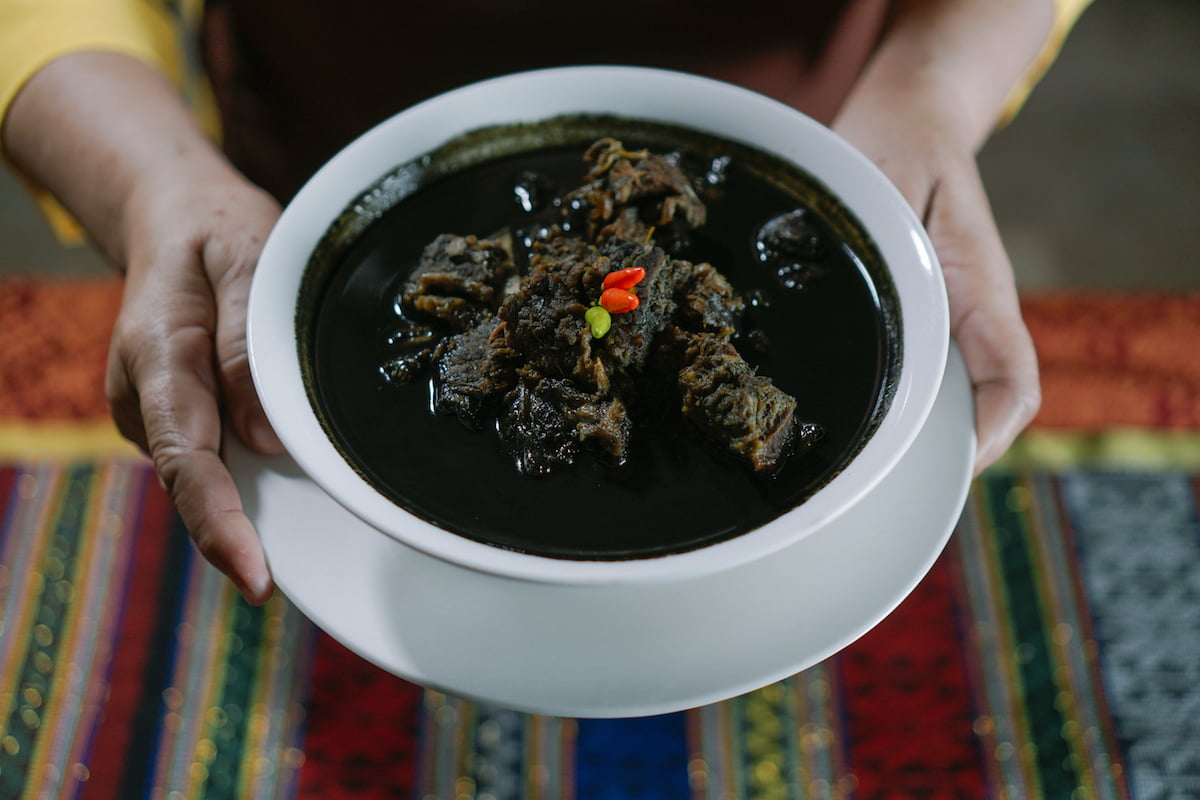
Tiyula Itum from Halal Culinary - Zamboanga
Tiyula Itum from Halal Culinary – Zamboanga

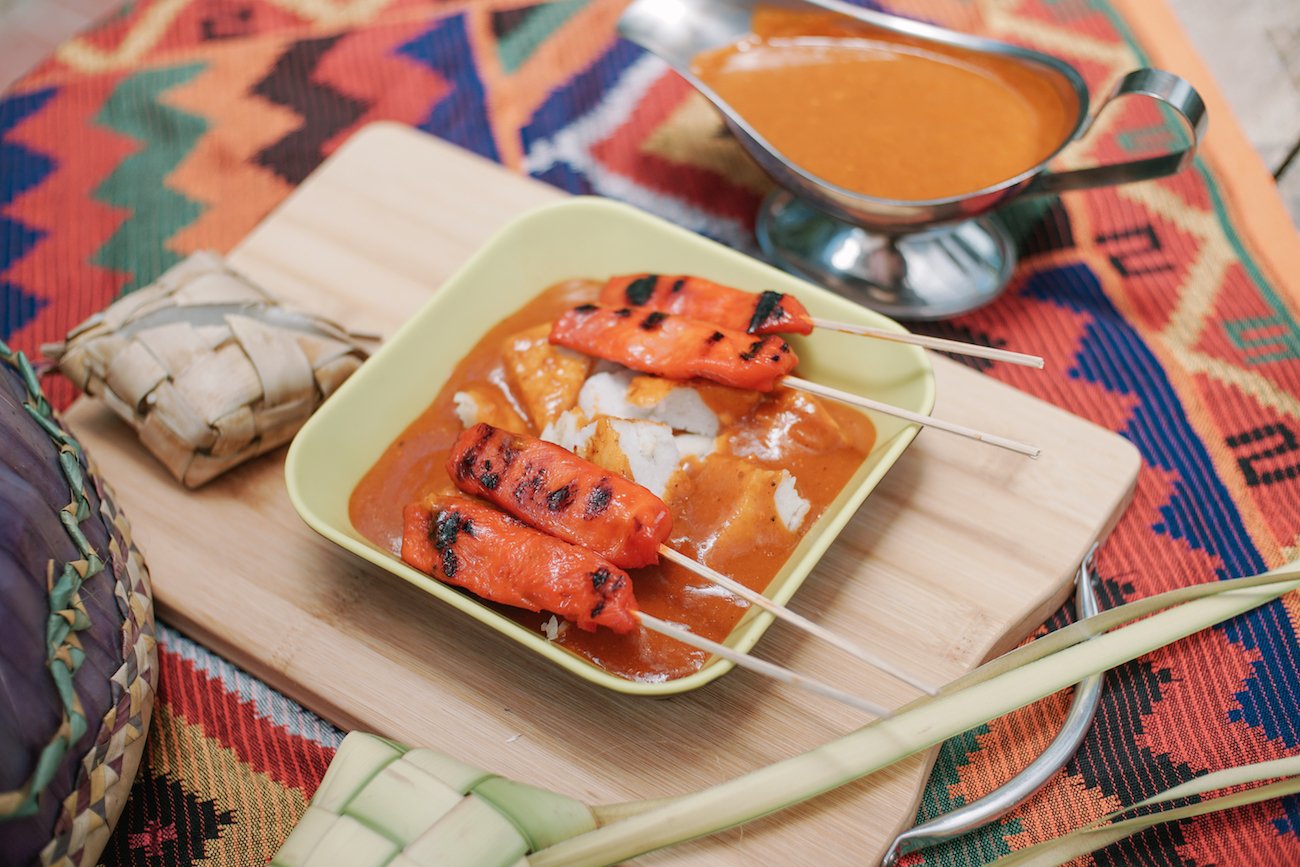
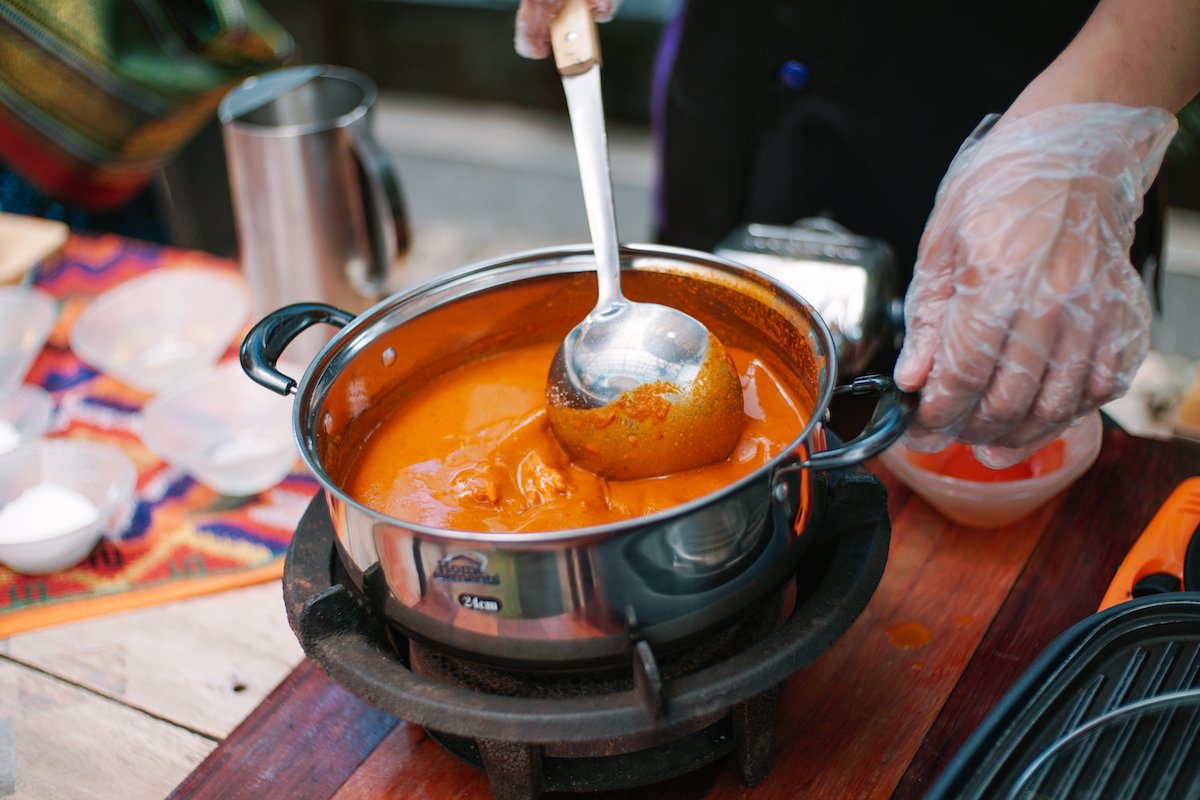
There is Satti as well which is a breakfast staple in Zamboanga, and can be bought from Satti houses like Jimmy’s, Morning Sun, Andy’s, Dennis, and Baytal Mal serving these skewers of beef, chicken, or liver cubes with their own version of the spice-laden sauce as part of their morning offerings.  
In the Davao Region, the food culture of the indigenous Kaagans can be tasted through their Amik, a confection that is made by frying a thin sweetened ground rice batter that is swirled dexterously in hot oil by practiced hands. Chili is a favorite ingredient and condiment in Mindanao cuisine and there are many varieties of chili sauce that are available, with innovations such as the Mango Pineapple Hot Sauce from the SpiChef in Davao that serves up sweet-spicy-tangy goodness. 

It is not an understatement that Filipinos love to eat. Get a Filipino picnic feel by packing a coffee break in a handcrafted rattan box that is filled with Filipino mementos. 

Ads

Set the mood with an Inabel table rug, handwoven from the communities of the Cordillera Mountains using weaving traditions that have been passed down through generations. The Philippines is also home to artisan woodcarvers who craft wood pieces into home decorations and utilitarian items such as an Acacia wooden cup. 
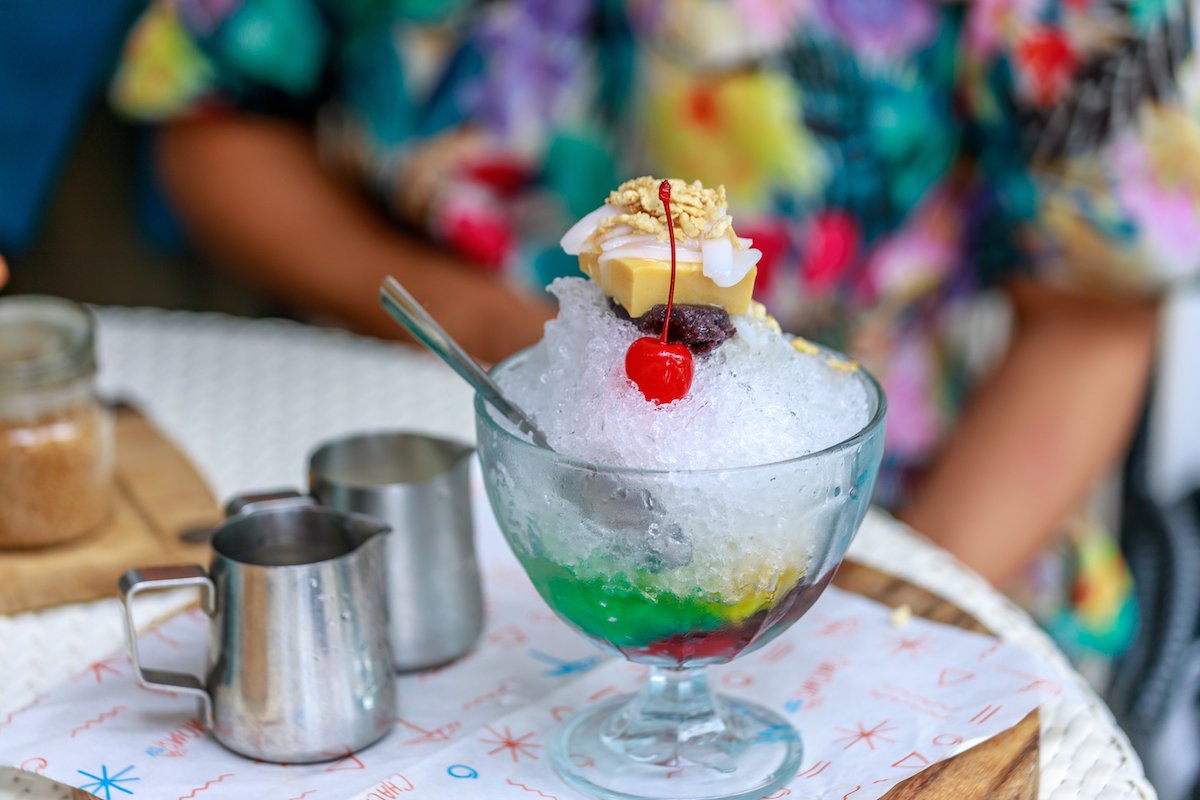
Halo halo, Filipino summer dessert in Philippines

Fuel up with a hot brew made from world-class coffee beans that are tended by Filipino farmers. Barako coffee from Batangas is known for its strong flavor and fragrance, which is why it is named after the Filipino word that describes a male wild boar. Benguet coffee comes from a single-origin Arabica varietal that grows in the highlands of the Cordilleras that is loved for its chocolate, fruity, and floral notes. The Robusta coffee harvested from the country’s lowlands in Cavite, Bulacan, and Mindoro has a high caffeine content and is the most commercialized varietal, used in local instant coffee products. Sweeten the deal with Muscovado sugar from the sugar plantations of Negros whose hacienderos like to pair their afternoon drinks with crisp bites of Paborita Biscuits. These are flaky discs made with wheat flour, sugar, and skim milk which originated from the Noceda Bakery that was established in Negros back in 1947.     
Julie Nguyen
Julie Nguyen

Julie is the founder of SNAP TASTE and a driving force in global storytelling, innovation, and creative leadership. A respected member of the Harvard Business Review Advisory Council, she also serves as a judge for the CES Innovation Awards (2024, 2025, and 2026), bringing her perspective to the intersections of business, culture, and breakthrough technologies.

Her immersive reporting has taken audiences behind the scenes of defining world moments, from the FIFA World Cup Qatar 2022 and Expo 2020 Dubai to CES, D23 Expo, and the Milano Monza Motor Show. Through her lens, global events become intimate, human stories.

An accomplished film critic and editorial voice, Julie has built a reputation for reviews that go beyond analysis, finding the heartbeat within the frame. Her work on National Geographic documentaries and other cinematic works speaks to audiences who believe that great storytelling has the power to shift perspectives and expand the world.

At the heart of everything Julie does is a belief that art, technology, and culture are not separate conversations. She has spent her career proving they never were.

Ad

Leave a Reply

More to Explore

Tokyo’s Legendary Sushi Mitani Brings Its Acclaimed Pairing Experience To Manhattan

For years, tucked away in Tokyo’s historic Yotsuya district, Sushi Mitani has been a legendary pilgrimage for those seeking the pinnacle of sushi craftsmanship....

Michelin Starred Chefs Elevate Luxury Dining at Hanoi’s Iconic Le Beaulieu

To mark its landmark 125th anniversary, the Sofitel Legend Metropole Hanoi, the enduring Grande Dame of the Vietnamese capital, is hosting a yearlong celebration...

Sofitel Transforms the Classic Croissant into a Seasonal Masterpiece with the New Fruit Kiss Collection

Sofitel continues to redefine the boundaries of the continental breakfast with the debut of its second limited edition La Haute Croissanterie collection. This summer’s...

The Three Stops That Define Ixtlán del Río, Nayarit’s Best-Kept Secret

There is a particular quality of light in southern Nayarit, amber and slightly diffuse, as though the air itself has been warmed through, that...

Michelin Guide Kyoto Osaka 2026: Every Star, Promotion, and Award

The Michelin Guide Kyoto Osaka 2026 arrived with the kind of momentum that signals a culinary region in full flower. Unveiled at a ceremony...

The Galapagos of Mexico? A Complete Guide to Visiting the Islas Marías Archipelago

Few places in Mexico carry as much contrast as the Islas Marías. Tucked more than one hundred kilometers into the Pacific Ocean off the...

Nayarit’s Best Restaurants in 2026: Eight Tables That Prove Mexico’s Pacific Coast Has Arrived

There is a version of Nayarit that most visitors glimpse from a resort terrace or a sun-bleached fishing boat: Pacific light, a horizon that...

Why This Hidden Beach is the Crown Jewel of Riviera Nayarit

Just north of Puerto Vallarta's famous bay, another Mexico begins. Less performed, more felt. A coastline that hasn't yet decided what it wants to...

Why the Reimagined Afternoon Tea at Atlantis The Royal is a Masterclass in Pastry Artistry

Within the soaring, marble clad lobby of Atlantis The Royal, a hotel recently minted as one of the World’s 50 Best, the ritual of...

FZN by Björn Frantzén Unveils First Seasonal Menu of 2026 in Dubai

FZN by Björn Frantzén has officially unveiled its inaugural seasonal menu for the year, further cementing its status as a culinary titan in the...

A Symphony of Two Provinces: High Gastronomy Meets at Four Seasons Hotel Osaka

In the rarefied air of the 37th floor of the Four Seasons Hotel Osaka, a significant culinary dialogue is set to unfold this spring....

Jaeger-LeCoultre and Chef Gilles Varone Redefine Swiss Excellence

At Watches and Wonders Geneva 2026, Jaeger-LeCoultre invites guests into a sensory landscape where the precision of high horology meets the soulful art of...

Handpicked for You

You Might Also Like