HomeNewsArtEverything you need to know about Lives of the Gods: Divinity in...

Everything you need to know about Lives of the Gods: Divinity in Maya Art exhibition

follow us on Google News

This morning The Met hosted a press preview of Lives of the Gods: Divinity in Maya Art.  The exhibition will open to the public on November 21 and will remain on view in the Iris and B. Gerald Cantor Exhibition Hall at The Met Fifth Avenue through April 2, 2023.
- Advertisement -
Installation view of Lives of the Gods: Divinity In Maya Art, on view November 21, 2022 – April 2, 2023.
Installation view of Lives of the Gods: Divinity In Maya Art, on view November 21, 2022 – April 2, 2023. Photo by Richard Lee, courtesy of The Metropolitan Museum of Art.

The exhibition Lives of the Gods: Divinity in Maya Art will bring together nearly 100 rarely seen masterpieces and recent discoveries in diverse media—from the monumental to the miniature—that depict episodes in the life cycle of the gods, from the moment of their birth to resplendent transformations as blossoming flowers or fearsome creatures of the night. Created by masters of the Classic period (A.D. 250–900) in the spectacular royal cities in the tropical forests of what is now Guatemala, Honduras, and Mexico, these landmark works evoke a world in which the divine, human, and natural realms are interrelated and intertwined. Lenders include major museum collections in Europe, Latin America, and the United States, and many of these works have never been exhibited in the U.S., including new discoveries from Palenque (Mexico) and El Zotz (Guatemala). 
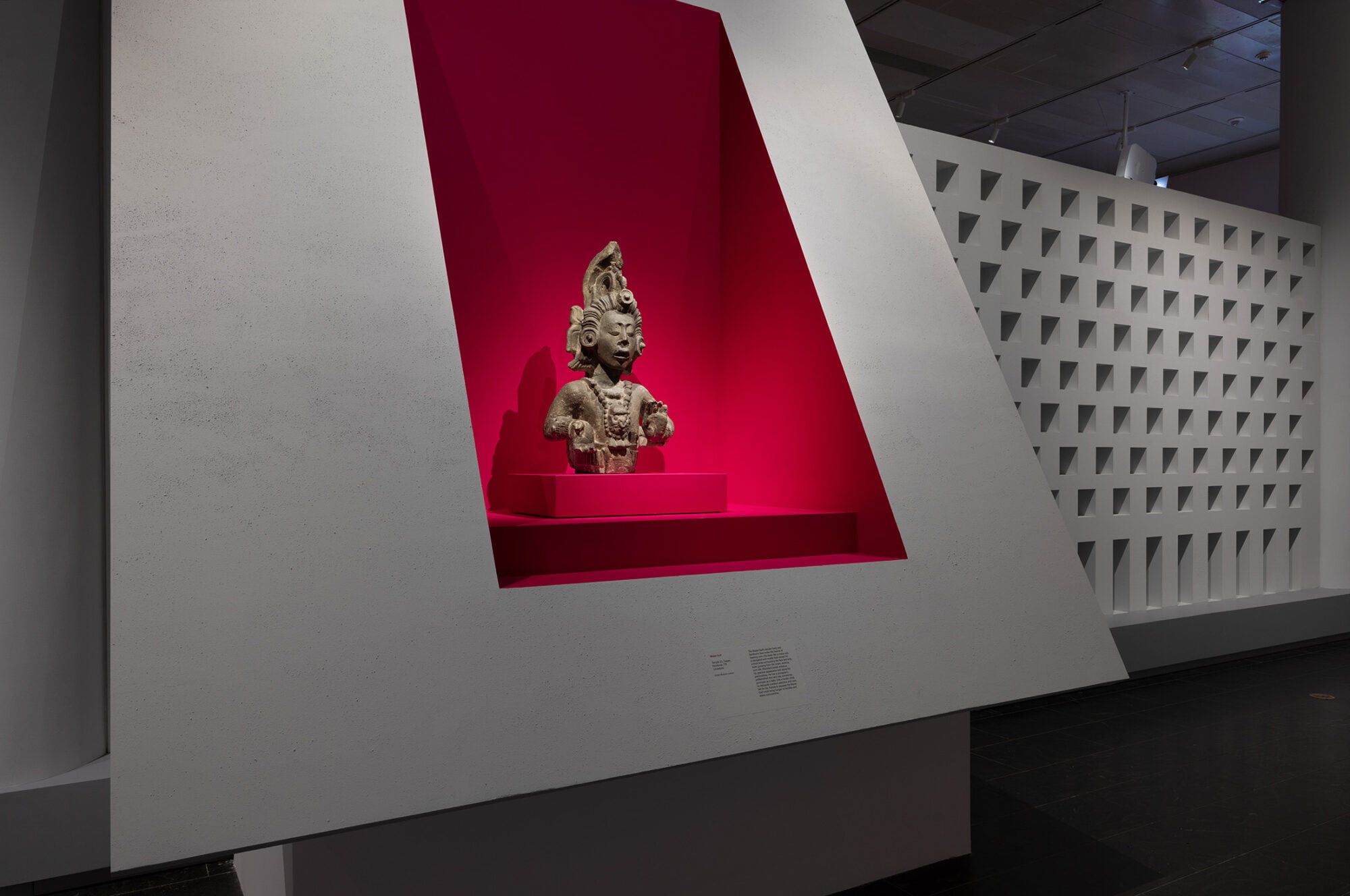
Installation view of Lives of the Gods: Divinity In Maya Art, on view November 21, 2022 – April 2, 2023.
Installation view of Lives of the Gods: Divinity In Maya Art, on view November 21, 2022 – April 2, 2023. Photo by Richard Lee, courtesy of The Metropolitan Museum of Art.

The exhibition is organized by The Metropolitan Museum of Art and the Kimbell Art Museum. 

Exhibition Overview 

- Advertisement -

The exhibition is organized thematically, following the arc of the lives of the gods and their place within a cosmological framework. 
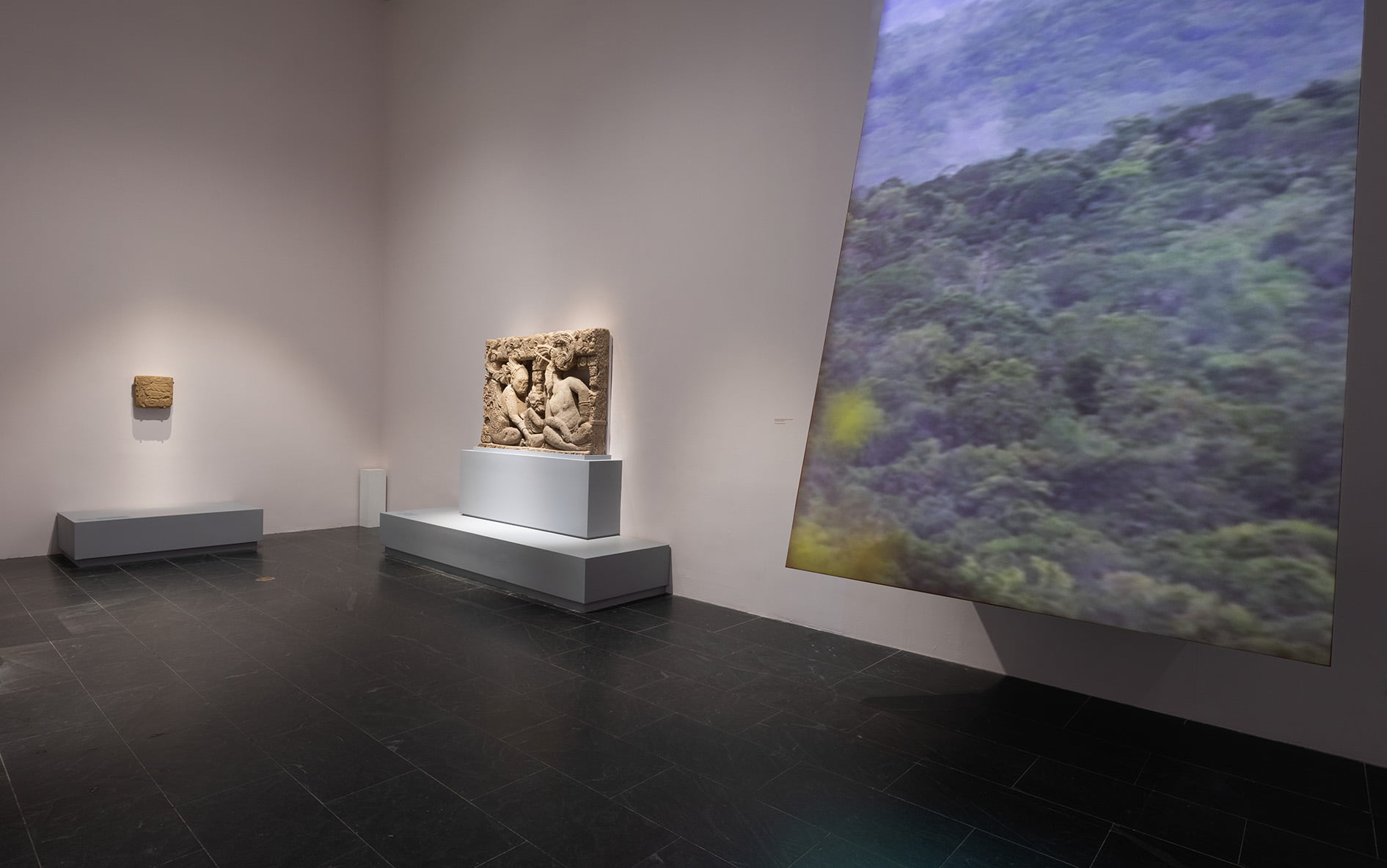
Installation view of Lives of the Gods: Divinity In Maya Art, on view November 21, 2022 – April 2, 2023.
Installation view of Lives of the Gods: Divinity In Maya Art, on view November 21, 2022 – April 2, 2023. Photo by Richard Lee, courtesy of The Metropolitan Museum of Art.

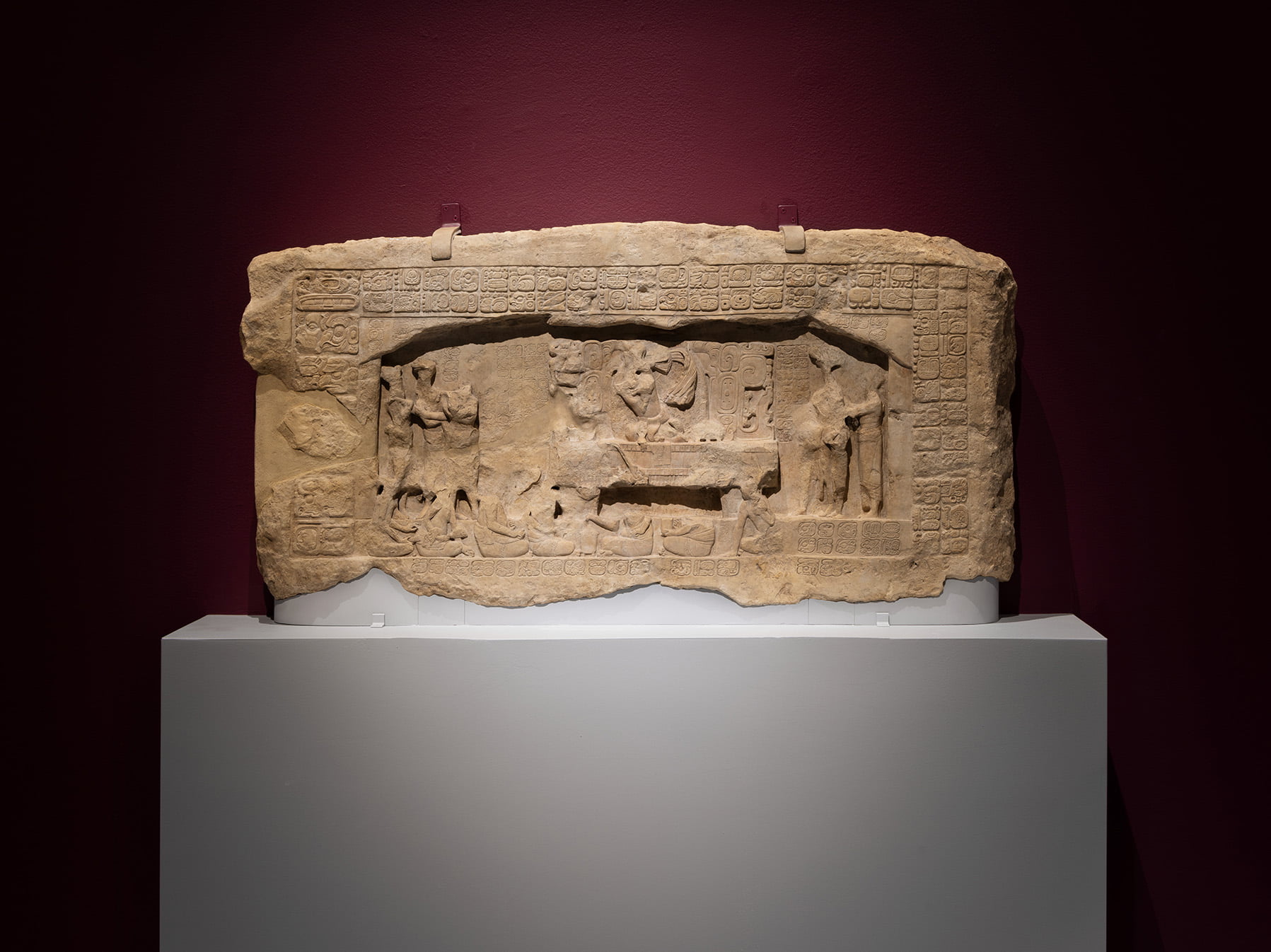
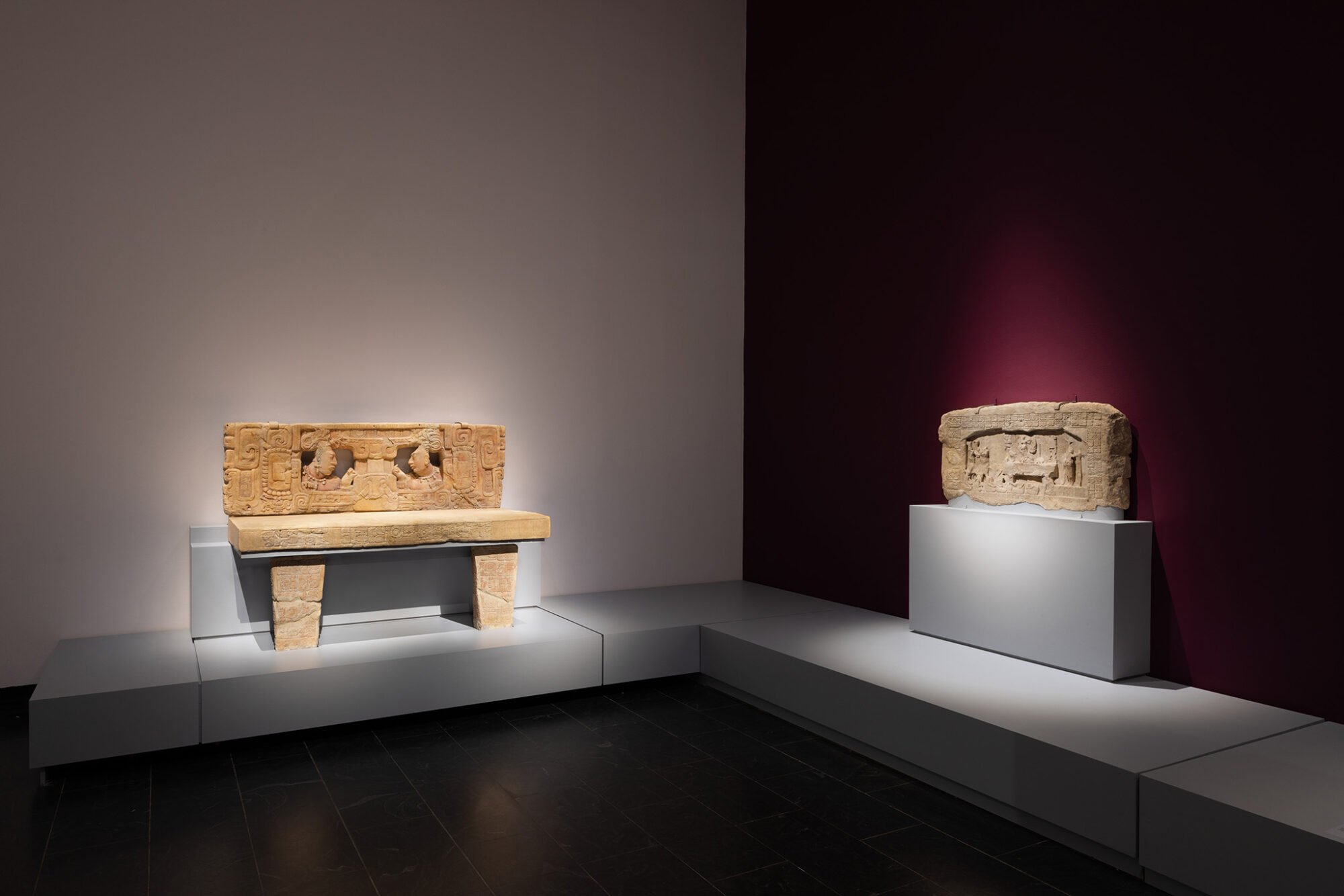
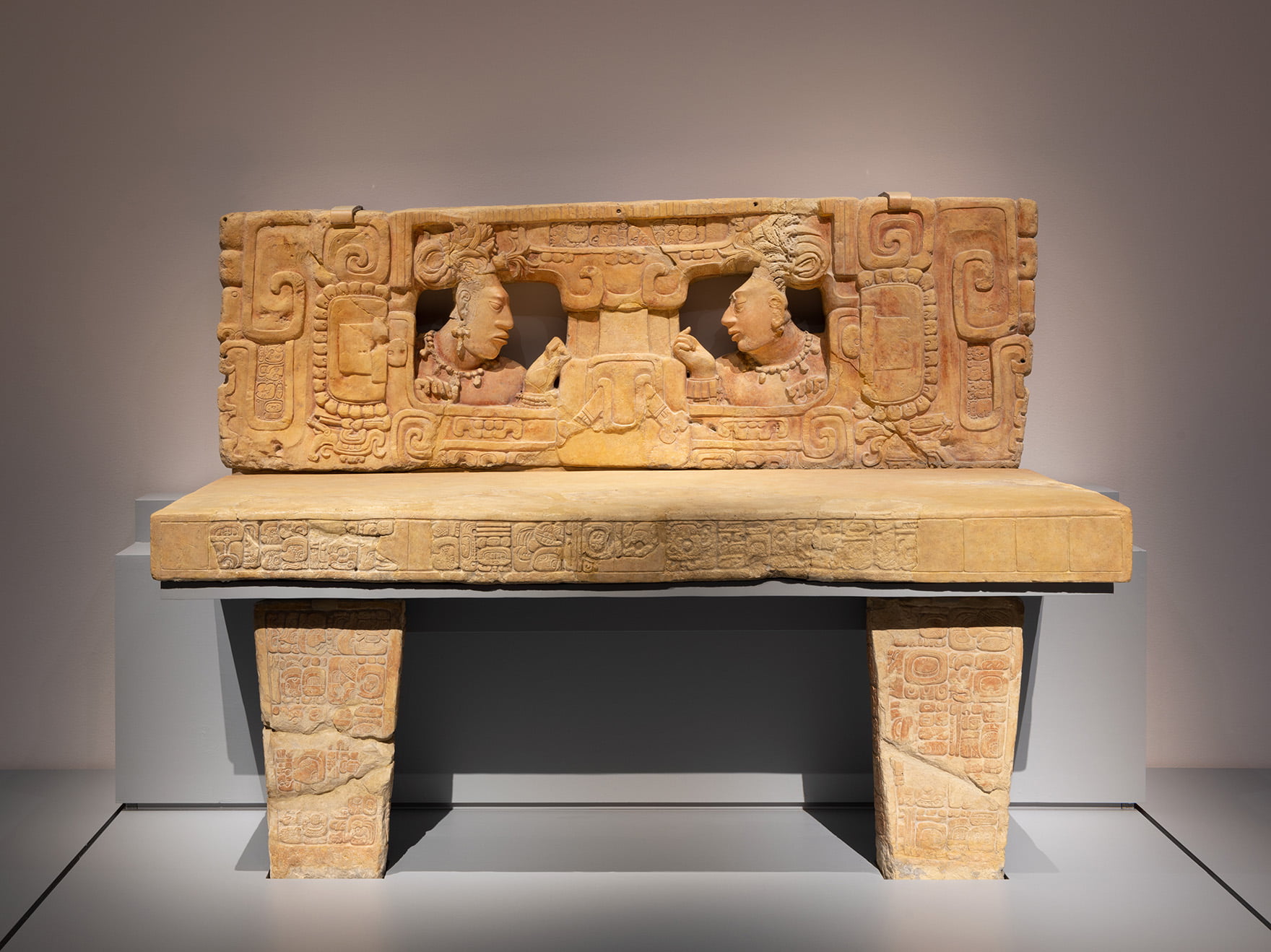
The first section of the exhibition, “Creations,” will present mythical episodes related to the origin of the world. On August 11, 3114 B.C., before the advent of cities and writing in this part of the world, inscriptions tell us that the deities “were set in order,” and the gods placed stones in mythical locations. Maya kings replicated these divine actions at celebrations marking the ends of calendrical periods, each calculated at regular intervals from 3114 B.C. Sculptures and ceramic objects highlight the aged god Itzamnaaj (the name of a major deity in colonial Yucatán) and its avian avatar, who played important roles in primordial myths. A monumental limestone throne back—from the Usumacinta River area—will introduce visitors to the Classic-period city-states of the Maya and creation stories expressed through sculpture and painting. 
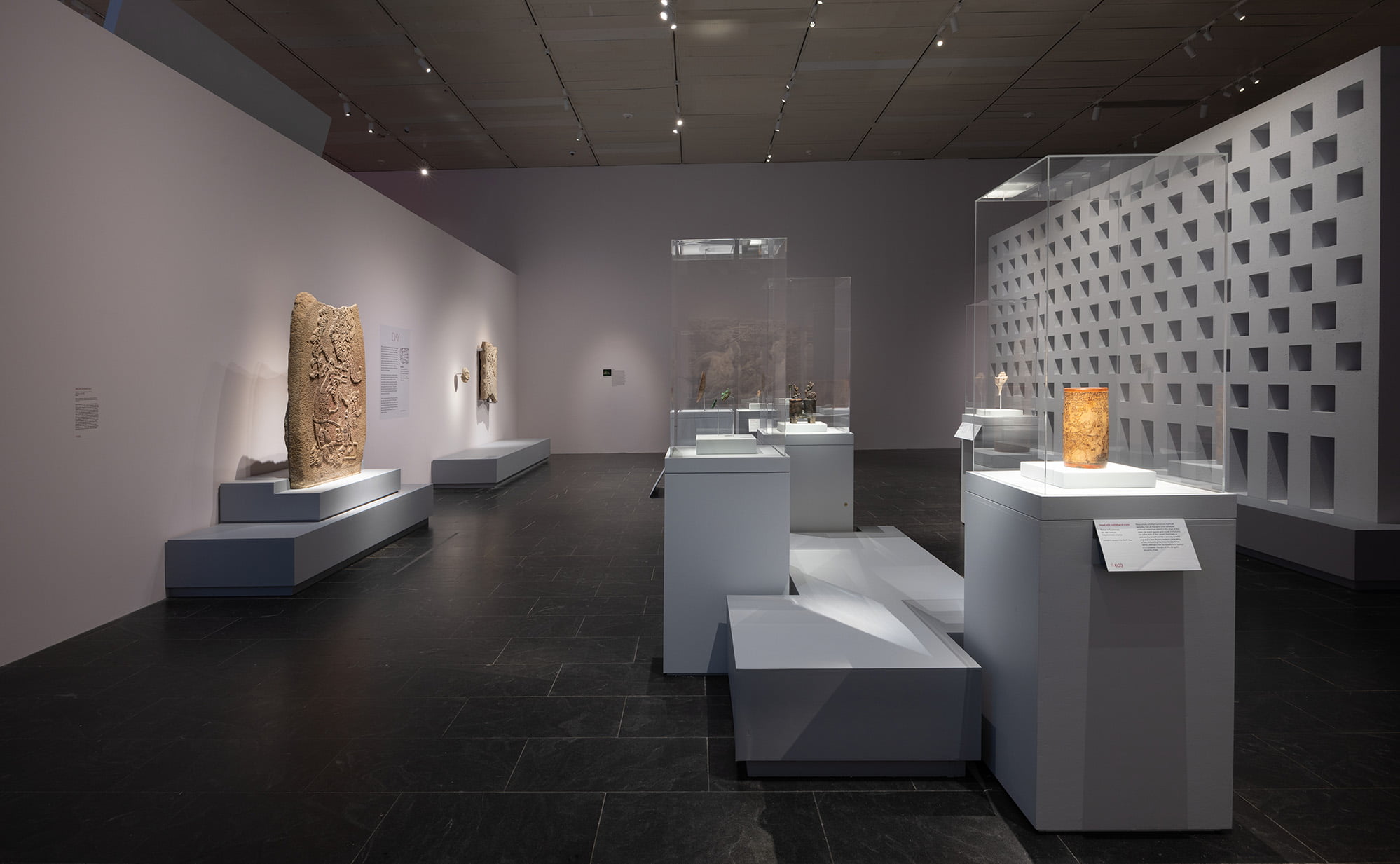
Installation view of Lives of the Gods: Divinity In Maya Art, on view November 21, 2022 – April 2, 2023.
Installation view of Lives of the Gods: Divinity In Maya Art, on view November 21, 2022 – April 2, 2023. Photo by Richard Lee, courtesy of The Metropolitan Museum of Art.

Day” will explore the balance between the gods of the day, such as the Sun God K’inich, and the nocturnal gods like the Jaguar God in the section “Night,” to follow. The sun was associated with life-giving forces, and rulers who identified closely with this power would often add the title K’inich to their name. Many deceased kings were portrayed as glorious new suns rising in the sky, overseeing their successors’ performance of royal duties. Equally imposing and dignified, Maya artists created imaginative and terrifying images of nocturnal deities. Jaguars—who figure prominently in imagery of the night gods—are powerful nighttime hunters in the Maya area, and therefore jaguar gods and goddesses all displayed an aggressive, warlike personality. There were also beautiful and often suggestive nocturnal deities such as the Moon Goddess, who was sometimes identified in texts as the sun’s wife or mother, represented in various narratives on vessels throughout this section. 
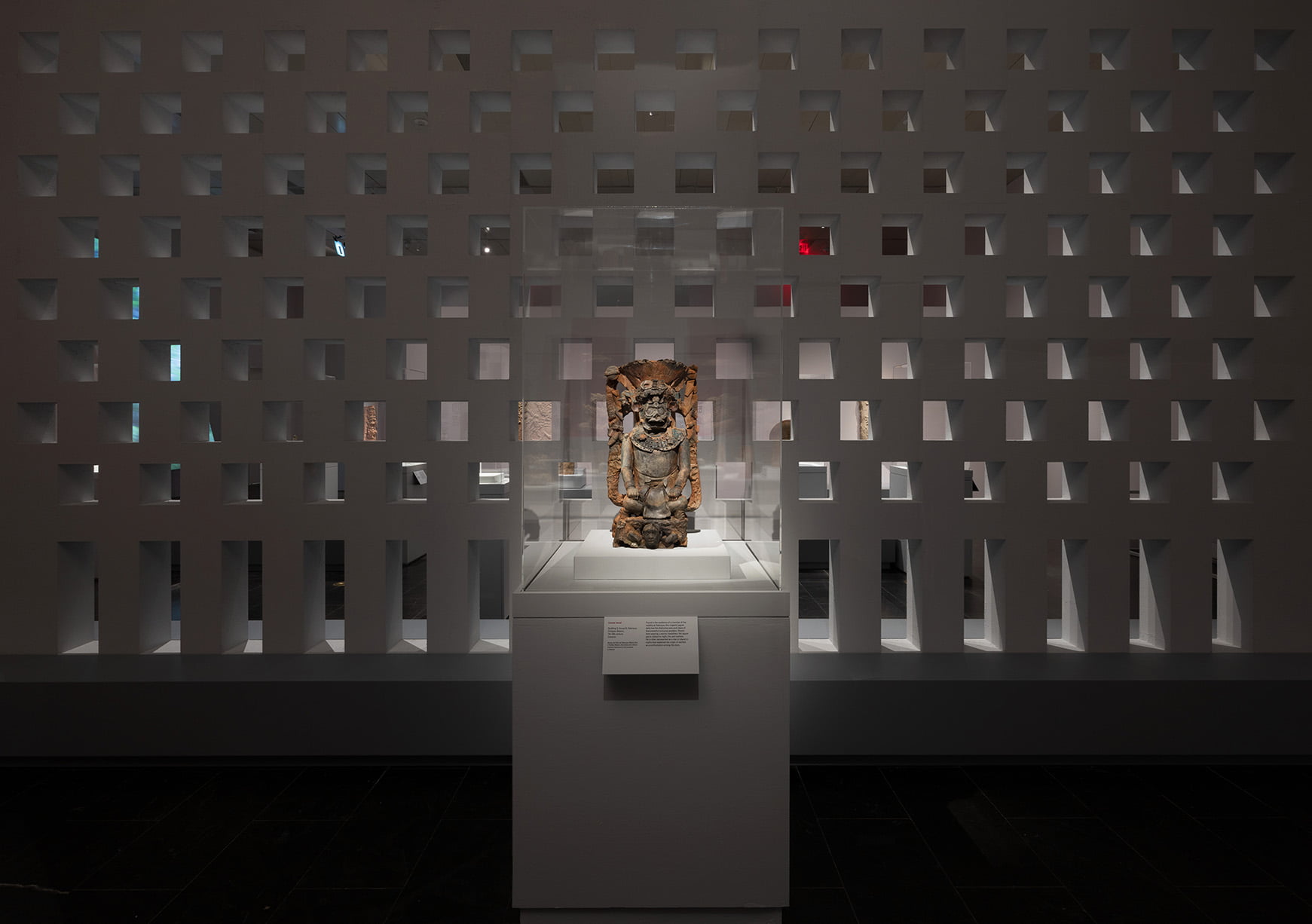
Installation view of Lives of the Gods: Divinity In Maya Art, on view November 21, 2022 – April 2, 2023.
Installation view of Lives of the Gods: Divinity In Maya Art, on view November 21, 2022 – April 2, 2023. Photo by Richard Lee, courtesy of The Metropolitan Museum of Art.

The “Rain” section will feature depictions of two important and interrelated gods—the powerful rain god, Chahk, and the god of lightning, fertility, and abundance, K’awiil. Rain gods were venerated throughout the Maya region, and acts of appeasement to them were, and still are, critical for the well-being of communities. A highlight will be a tripod plate (7th–8th century), in The Met’s collection, that depicts Chahk waist high in water, with the Maize God emerging from a waterlily in the depths below and celestial beings hovering above him. 
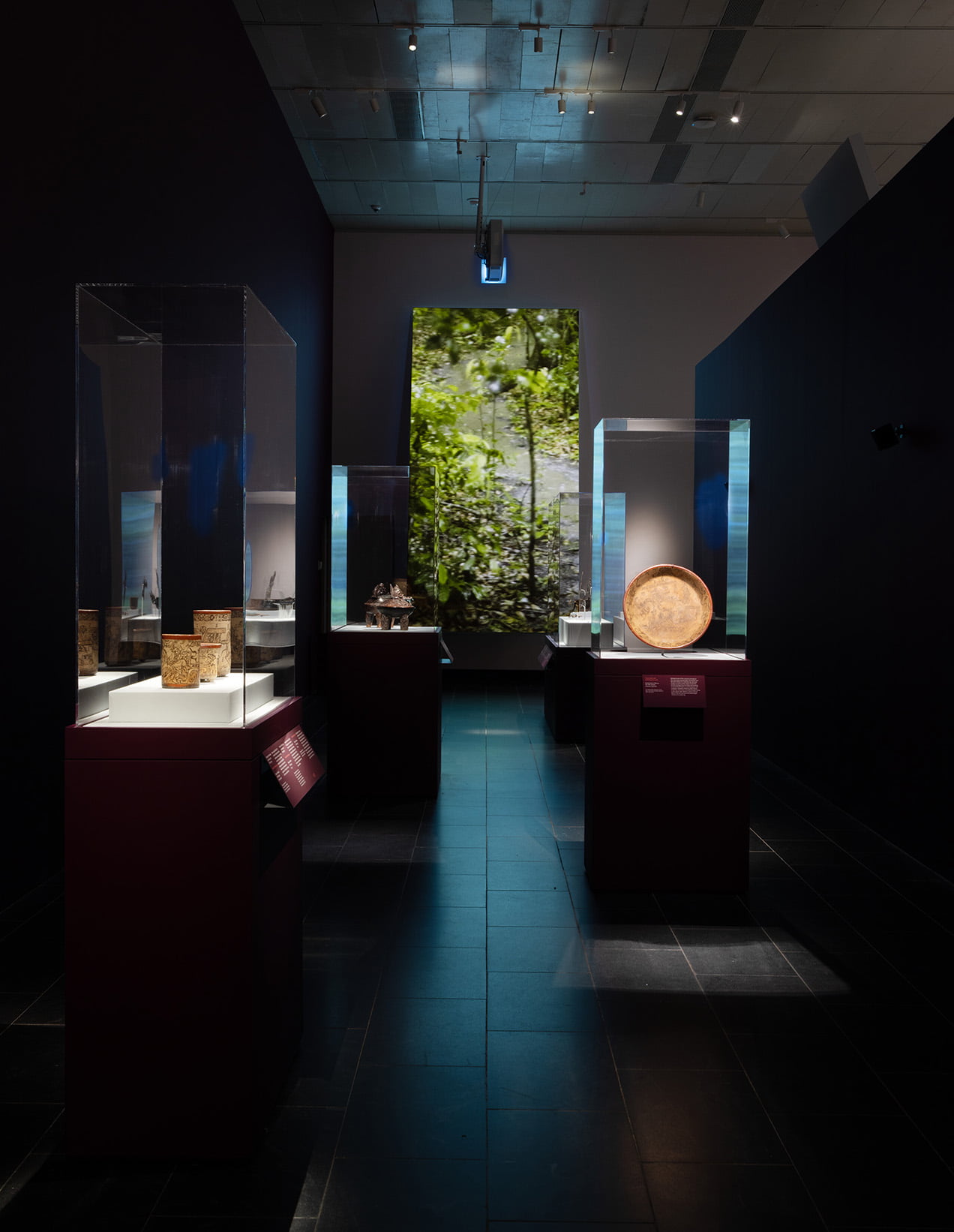
Installation view of Lives of the Gods: Divinity In Maya Art, on view November 21, 2022 – April 2, 2023.
Installation view of Lives of the Gods: Divinity In Maya Art, on view November 21, 2022 – April 2, 2023. Photo by Richard Lee, courtesy of The Metropolitan Museum of Art.

The section on “Maize” chronicles this god’s life, death, and rebirth through an assemblage of stunning and inventive masterpieces. The Maize God represented the beauty of the Maya staple crop, and is often depicted by Maya artists as an eternally youthful, graceful being. The Maize God was also associated with two of the most valuable items in ancient Maya economies—jade and cacao. Episodes from the Maize God’s mythical saga appear on some of the ancient Americas’ finest ceramic vessels. 
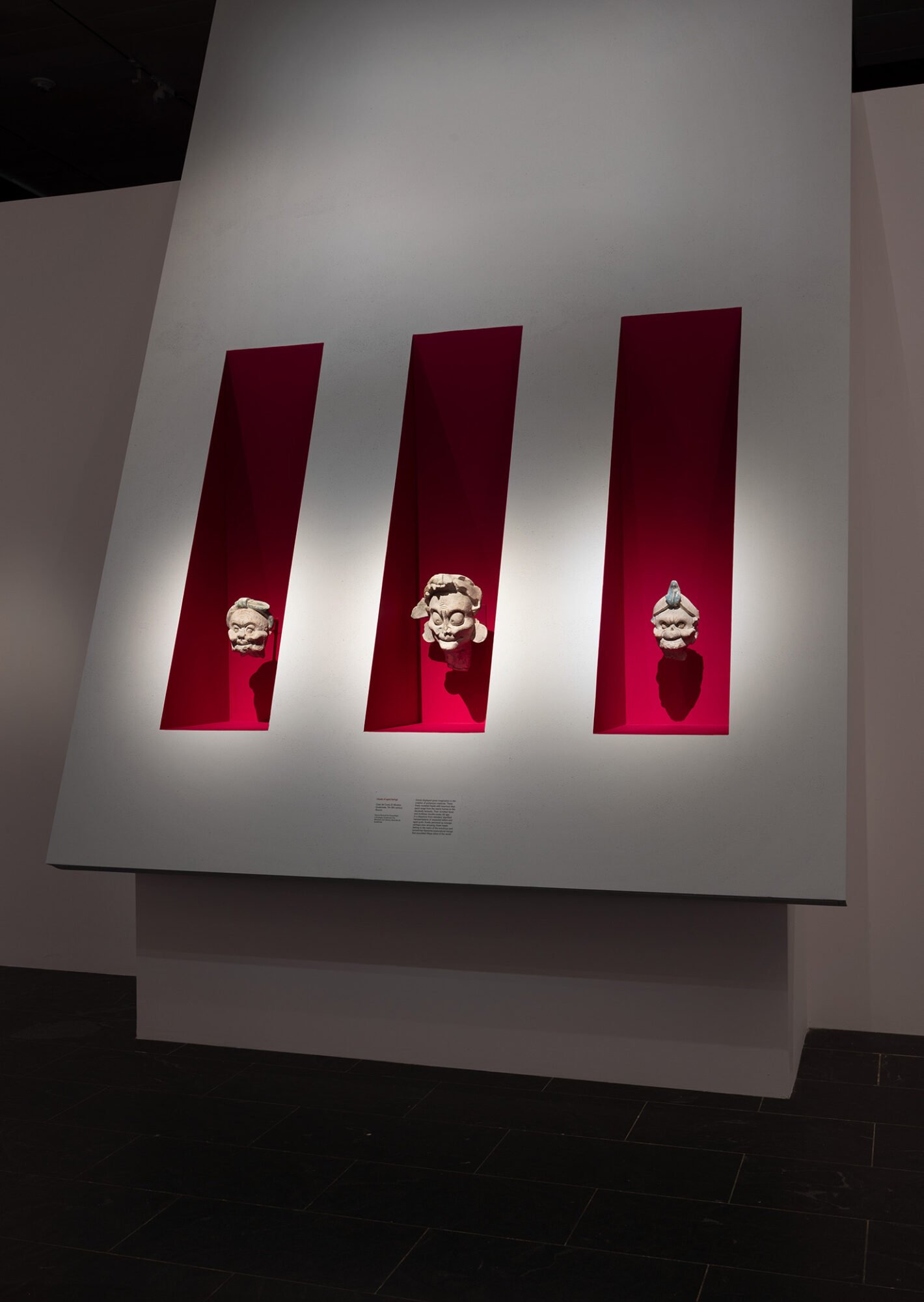
Installation view of Lives of the Gods: Divinity In Maya Art, on view November 21, 2022 – April 2, 2023.
Installation view of Lives of the Gods: Divinity In Maya Art, on view November 21, 2022 – April 2, 2023. Photo by Richard Lee, courtesy of The Metropolitan Museum of Art.

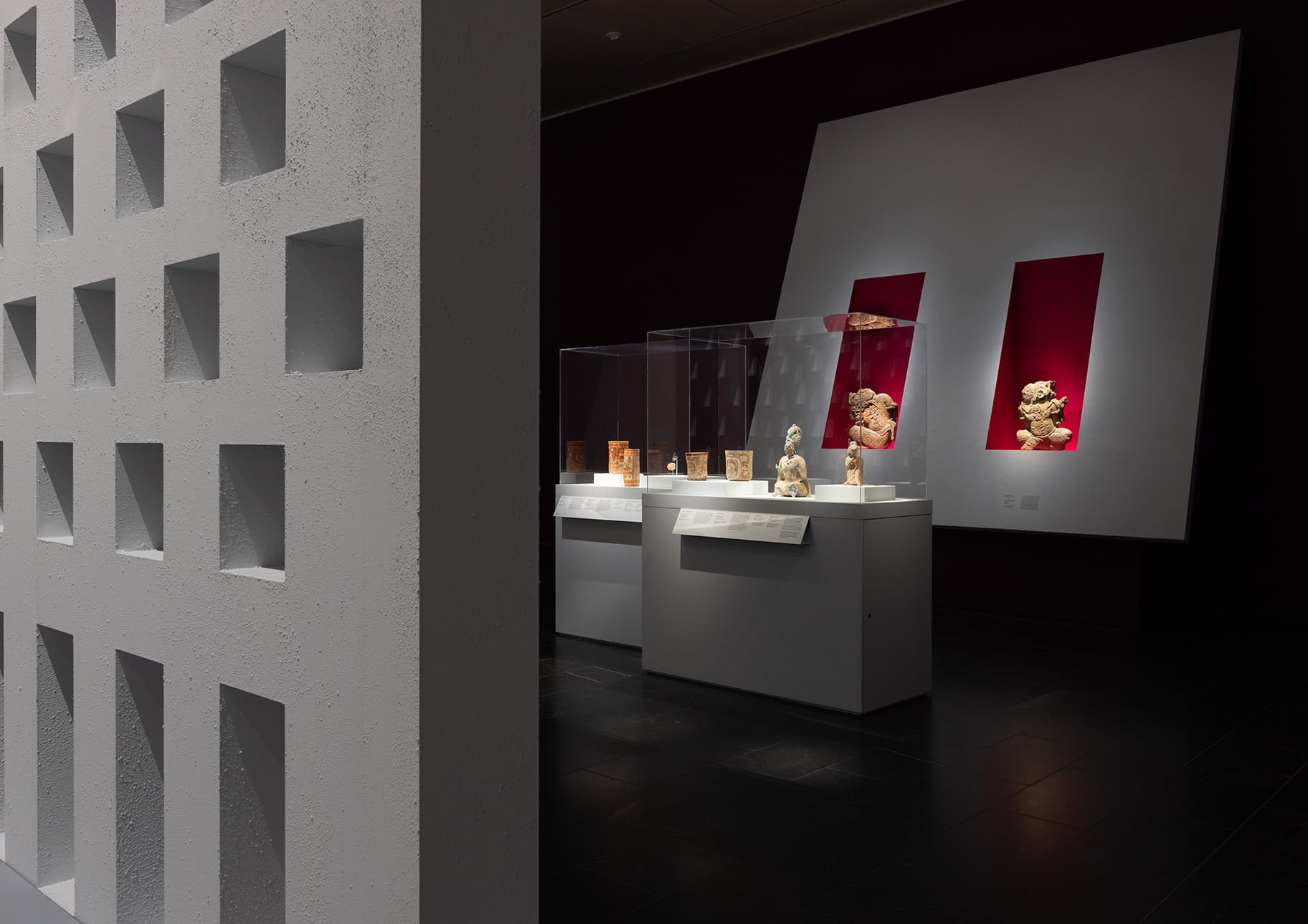
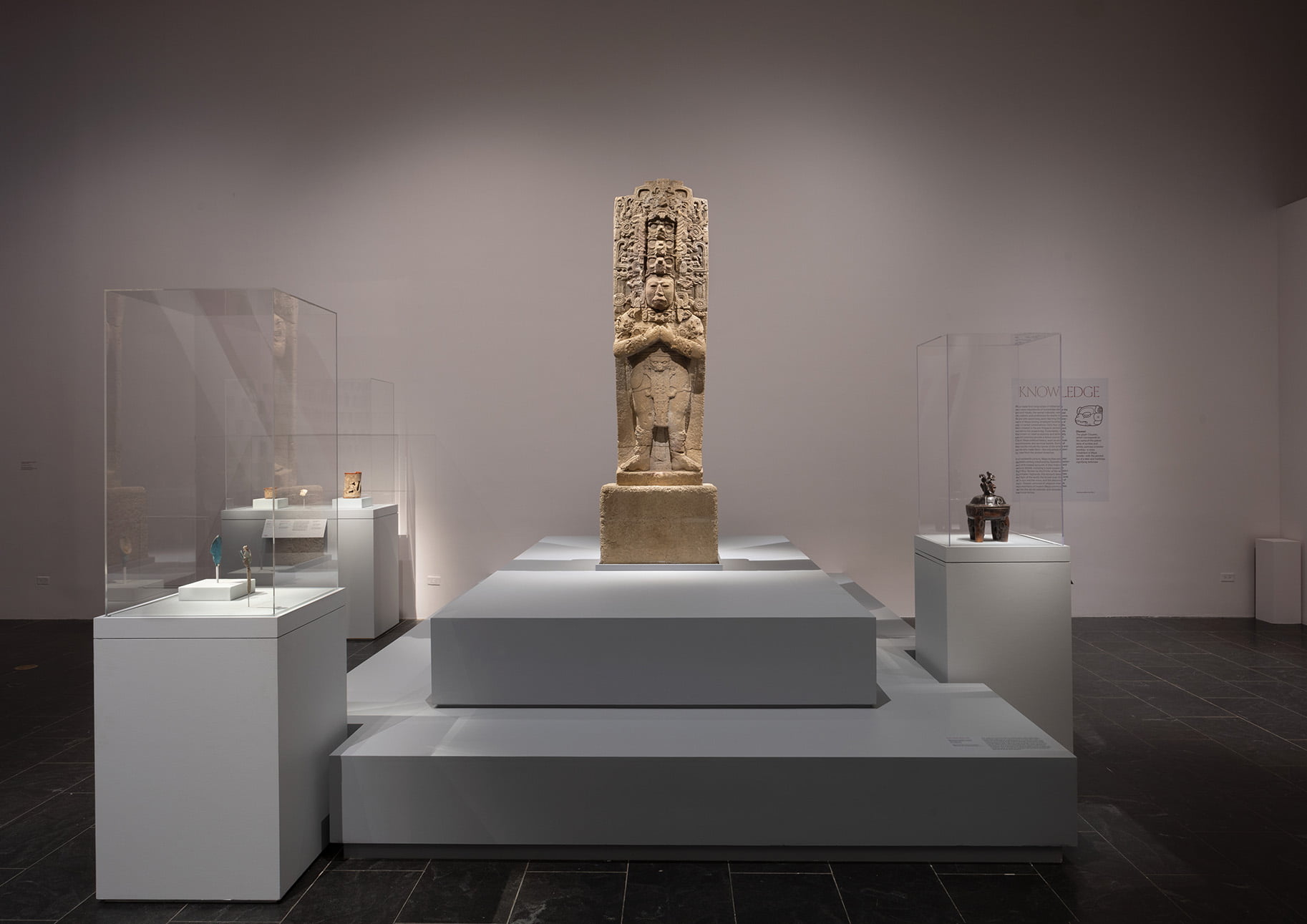
Knowledge” will delve into the work of the scribes, who spent long years learning the intricacies of Maya writing and employed hundreds of signs in varied combinations, which can be seen throughout the exhibition. Only four of the books created in the pre-Hispanic period have endured to the present day, but texts that survive on relief sculptures and delicately painted ceramics provide a resource for understanding Classic Maya alliances, conquests, and spiritual beliefs. 
- Advertisement -
Installation view of Lives of the Gods: Divinity In Maya Art, on view November 21, 2022 – April 2, 2023.
Installation view of Lives of the Gods: Divinity In Maya Art, on view November 21, 2022 – April 2, 2023. Photo by Richard Lee, courtesy of The Metropolitan Museum of Art.

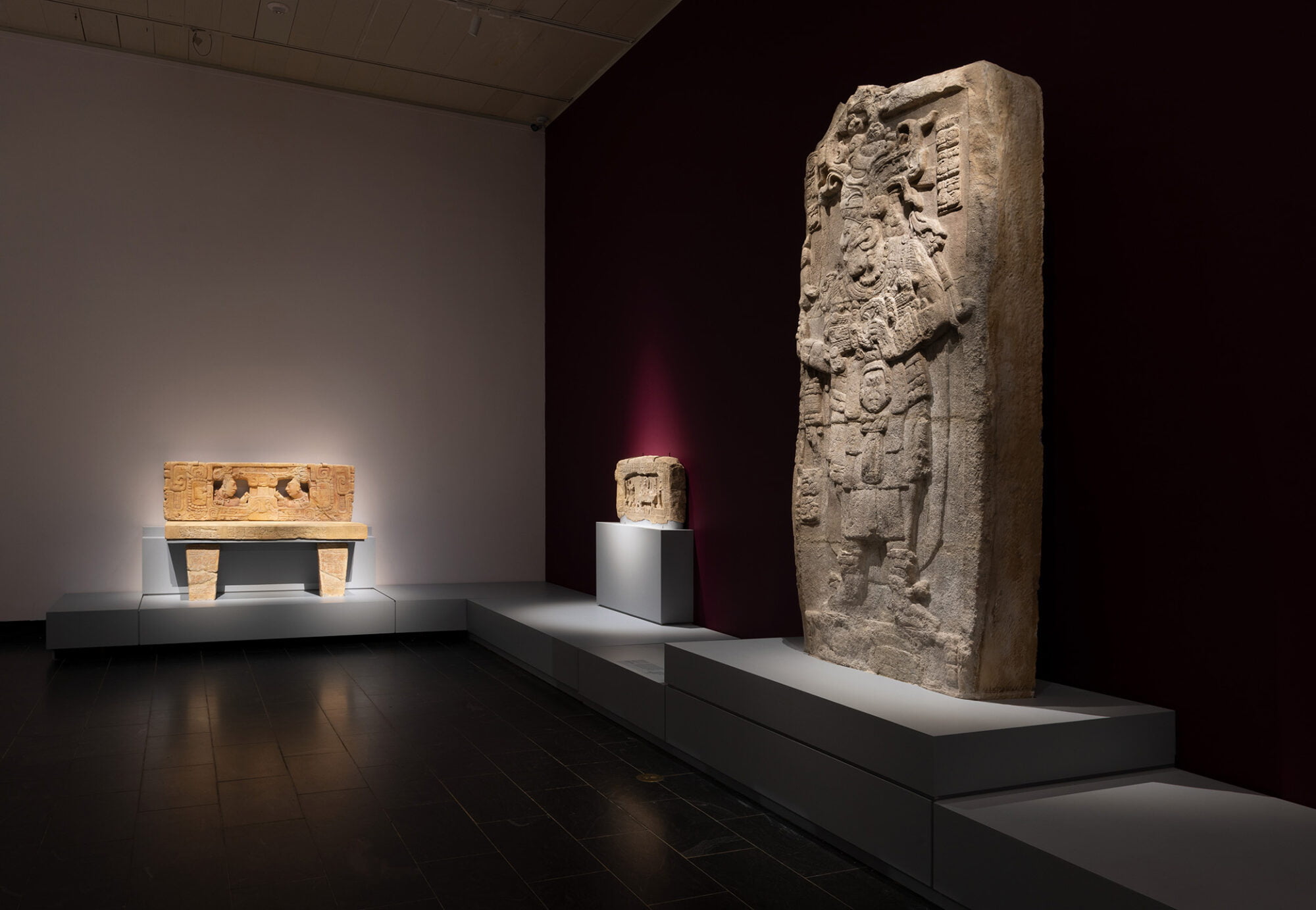
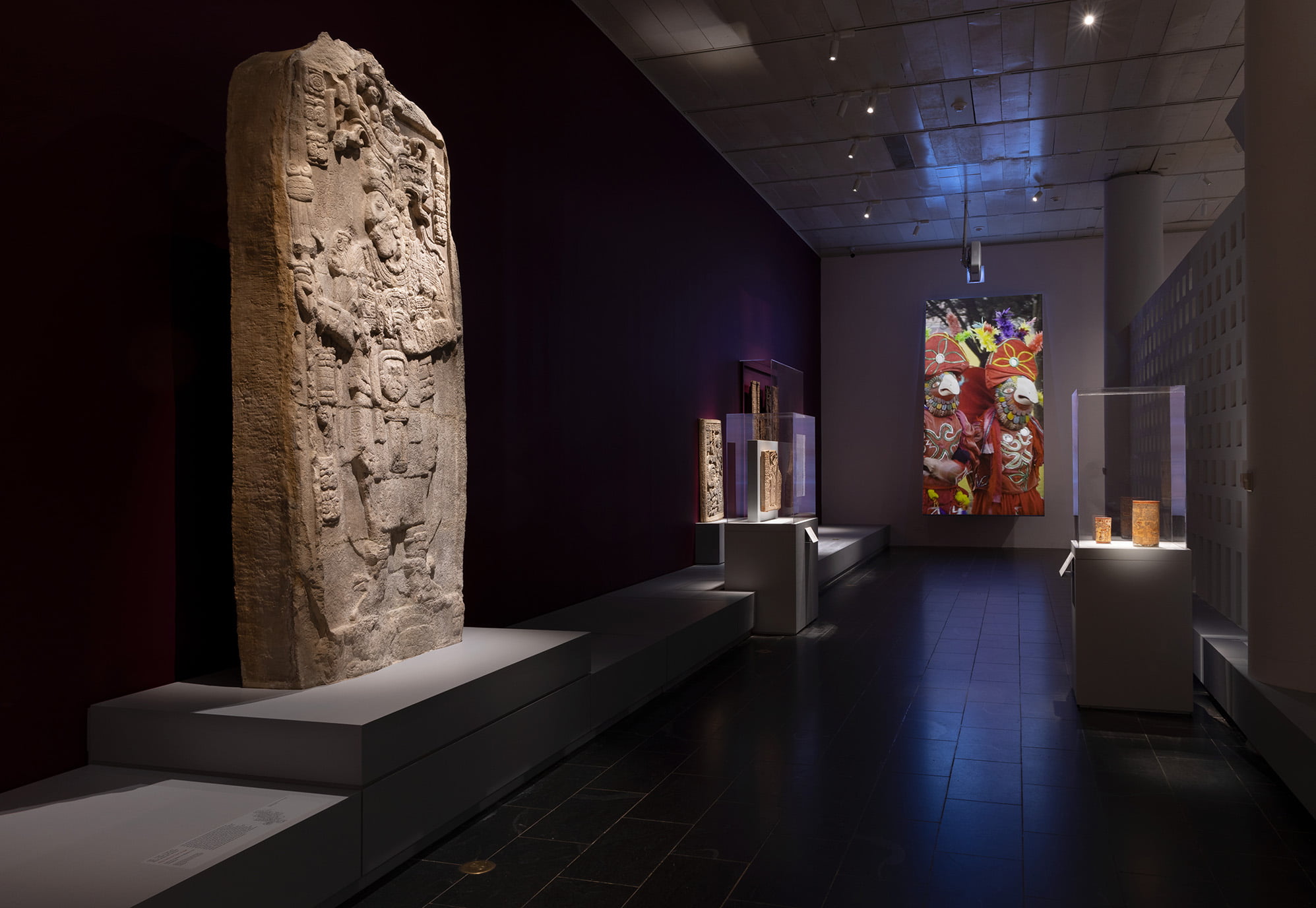
The final section, on “Patron Gods,” will include a striking series of works depicting kings and queens taking on various aspects and attributes of the gods. Maya artists created monumental sculptures to celebrate events and depict the perceived connection between rulers and the gods. Freestanding slabs known as stelae stood in the large plazas of Maya cities, and some of these sculptures bear the signatures of sculptors. Also on display will be a remarkable lintel—a horizontal support spanning a doorway—made of zapote wood. There are few Maya works carved in wood in antiquity that survive to the present day, and this lintel represents a celebration in the wake of the victory of Tikal (and its king Yihk’in Chan K’awiil) over rival Naranjo. Sculptures and vessels in the exhibition demonstrate the intimate relationship between Maya royalty and the gods and underscore the role of religion in the establishment and maintenance of Maya political authority. 
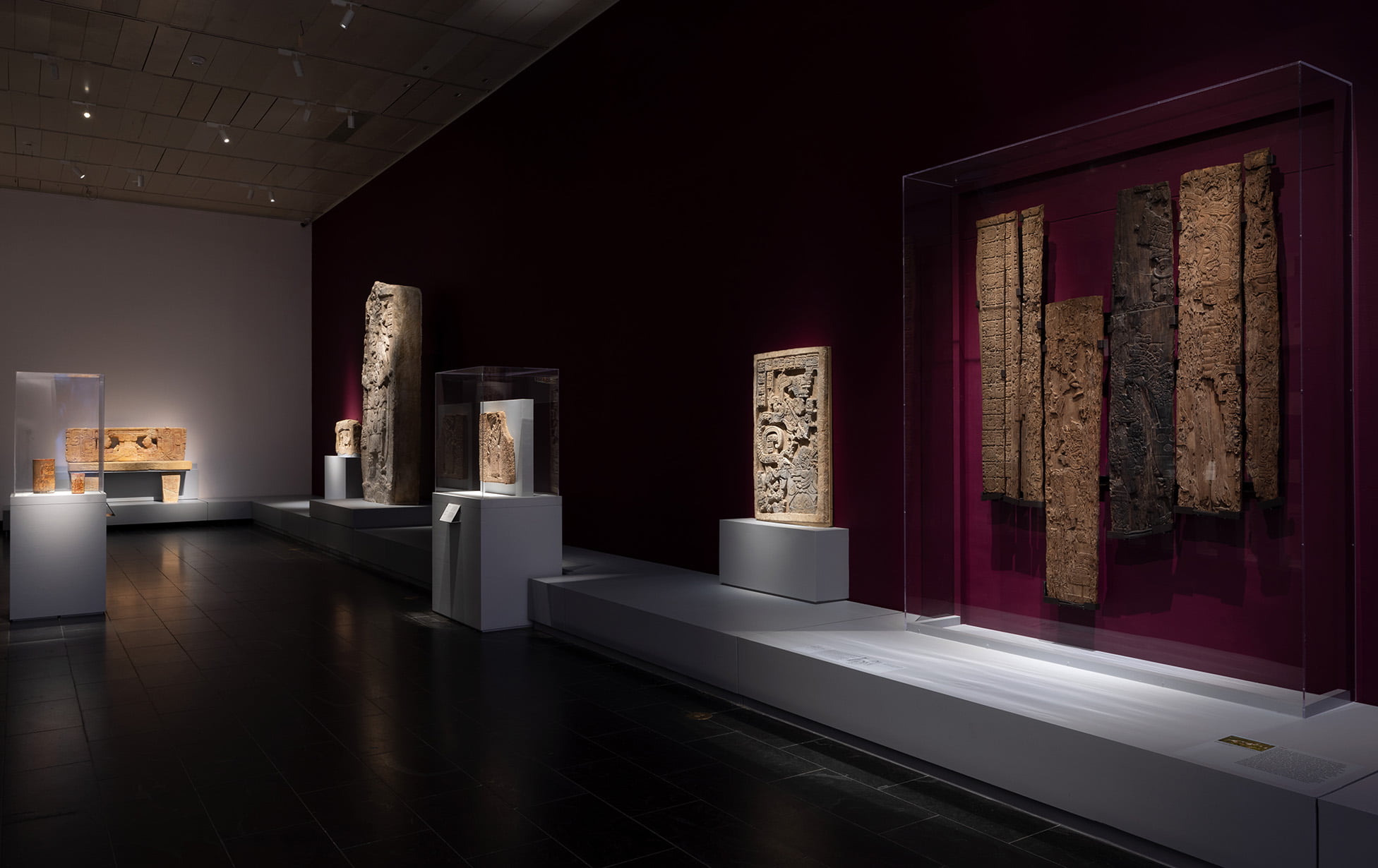
Installation view of Lives of the Gods: Divinity In Maya Art, on view November 21, 2022 – April 2, 2023.
Installation view of Lives of the Gods: Divinity In Maya Art, on view November 21, 2022 – April 2, 2023. Photo by Richard Lee, courtesy of The Metropolitan Museum of Art.

After its showing at The Met, the exhibition will travel to the Kimbell Art Museum, Fort Worth, Texas, May 7–September 3, 2023. 
Exhibition Dates:
November 21, 2022–April 2, 2023 

Exhibition Location:
The Met Fifth Avenue, Floor 2, Iris and B. Gerald Cantor Exhibition Hall, Gallery 999
Installation view of Lives of the Gods: Divinity In Maya Art, on view November 21, 2022 – April 2, 2023.
Installation view of Lives of the Gods: Divinity In Maya Art, on view November 21, 2022 – April 2, 2023. Photo by Richard Lee, courtesy of The Metropolitan Museum of Art.

Leave a Reply

More to Explore

What Happened at Art Basel Hong Kong 2026

Art Basel Hong Kong concluded its 2026 edition with sustained sales across all market segments, broad institutional participation, and a collector base that extended...

Art Basel 2026: A Global Market in Full View

Art Basel has confirmed the 290 galleries selected for its 2026 flagship fair in Basel, drawing exhibitors from 43 countries and territories, including 21...

Art Basel Hong Kong 2026 Highlights Announced

Art Basel Hong Kong returns in 2026 with an expanded and ambitious program that reinforces its role as the leading platform for artistic exchange...

Art Basel Qatar and the Shape of a New Cultural Moment

In early February, Doha became not simply a host city but a stage, as Art Basel Qatar drew to a close its inaugural edition...

Entering NOX, a Speculative Clinic for Artificial Intelligence

The first thing one notices on entering NOX: Confessions of a Machine is the quiet. Not the absence of sound, but a calibrated hush,...

Art Basel Arrives in Doha with a New Model for the Global Art Fair

Art Basel has opened its first fair in the Middle East, North Africa, and South Asia, marking a pivotal expansion of the renowned platform...

The Work of Severance: Kwangho Lee at Frieze House Seoul

Severance, rather than continuity, is the generative premise of Kwangho Lee’s sculptural practice. In The Severance of the Serpent’s Neck, presented at Frieze House...

Architecture, Art, and Deep Time in AlUla’s New Museum

Arts AlUla has revealed the name and curatorial direction of its forthcoming flagship institution, the AlUla Contemporary Art Museum, establishing a new framework for...

Inside Hajime Sorayama’s Major Tokyo Retrospective

The largest retrospective to date dedicated to Hajime Sorayama will take place at Creative Museum Tokyo in Kyobashi from March 14 to May 31,...

Conversation Pieces at the Denver Art Museum, Fashion as Design Dialogue

Opening February 15, 2026, the Denver Art Museum presents Conversation Pieces: Stories from the Fashion Archives, an exhibition that places fashion within a framework...

A Season in Bloom at Yamatane Museum of Art

A special exhibition devoted to the enduring beauty of flowers in Japanese painting will be presented at the Yamatane Museum of Art in Shibuya,...

Japan in Lights: A Luminous Dream at the Jardin d’Acclimatation

As winter settles over Paris, the Jardin d’Acclimatation awakens in light. From December 10, 2025, the park becomes the stage for Japan in Lights,...

Inside The Great Capcom Exhibition Taking Over Creative Museum Tokyo

okyo is about to go full power-up mode. The Great Capcom Exhibition – Game Creations that Captivate the World lands at Creative Museum Tokyo...

At the Edge of the Year: Art Basel Miami Beach Rewrites Its Own Script

Art Basel Miami Beach 2025 unfolded with the sense that the fair had entered a new phase—less a commercial summit than a temporary polis...

Art Basel’s Gold Awards Recast the Field of Contemporary Practice

Art Basel introduced its first cohort of Gold Awardees with a striking, high-gloss presentation at the Frank Gehry–designed New World Center. The event marked...

Recommended for You

You Might Also Like