



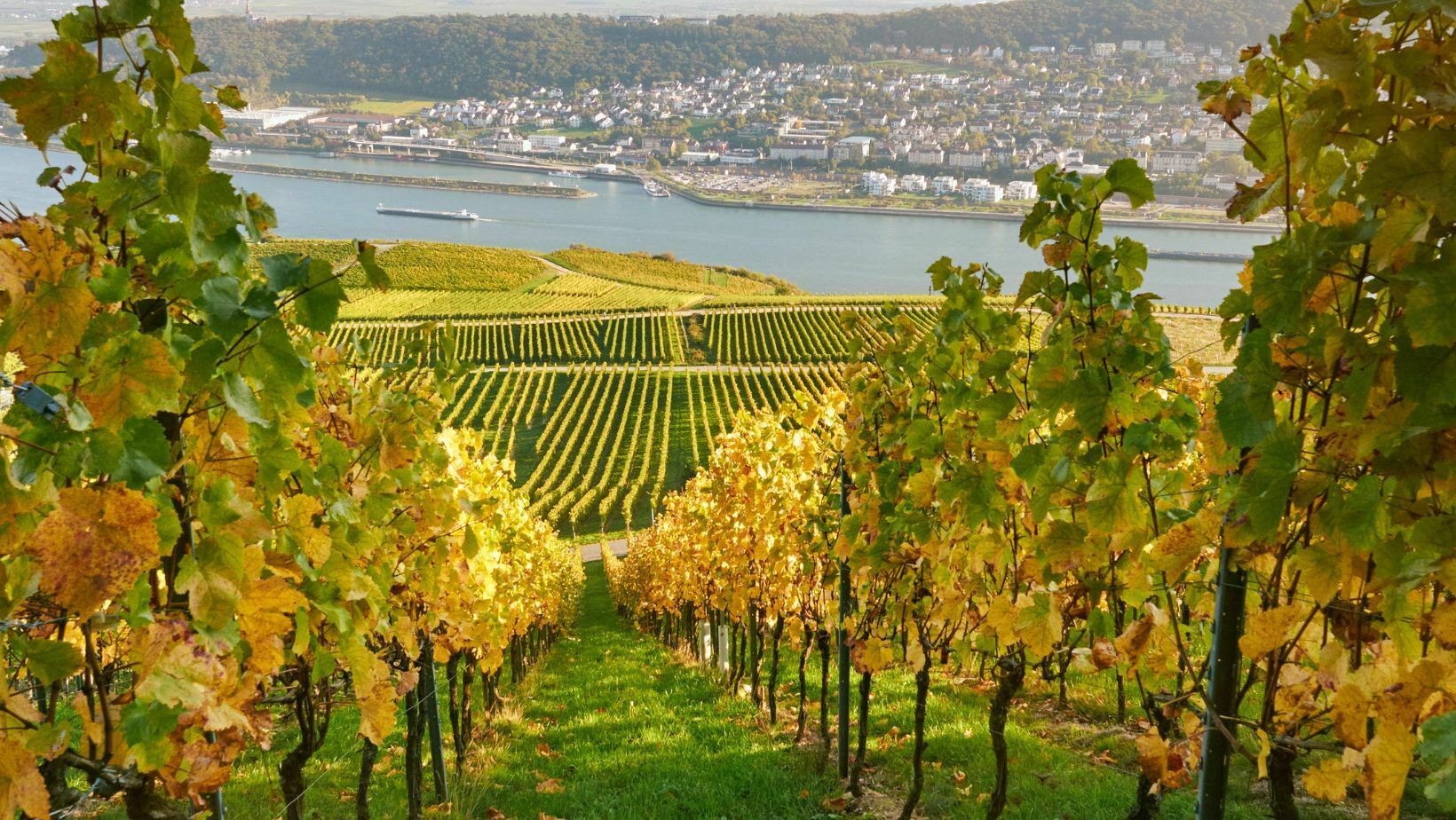
Walking and wine tasting can almost literally go hand in hand, especially in Saxony. Covering just over 34 miles by car and about 50 miles by foot along the Elbe, the Saxon Wine Trail is a charming way to experience the Saxon countryside and take in some of the most stunning historic Saxon towns, including Pirna, Meissen, and Dresden, renowned for their porcelain, art, architecture, history, and castles.
Nicknamed the Saxon Riviera, the Saxon Wine Route runs along several gracious turns in the Elbe River where average temperatures hover around 75 degrees during summer and fruit trees and grapes grow in abundance. All stops along the wine route are within a short day’s trip from Dresden.
Striking evidence of over 850 years of wine growing in the Elbe Valley can be found, as well as modern wineries and cozy wine bars. You can taste more than 60 grape varieties – including Riesling, Pinot Blanc, Pinot Gris, and Pinot Noir, but also Traminer, Scheurebe, and the Goldriesling, which is only grown on the Elbe.
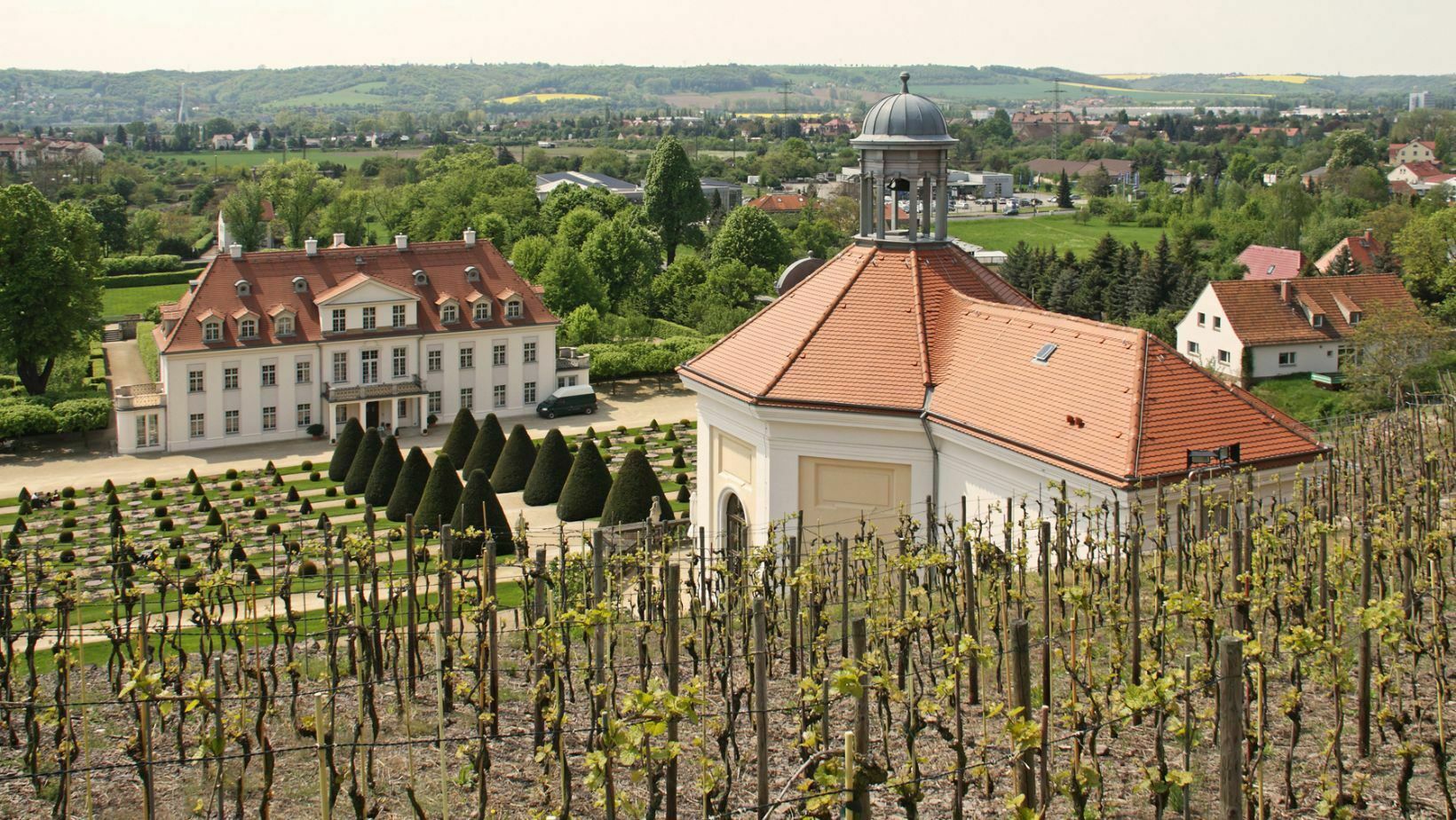
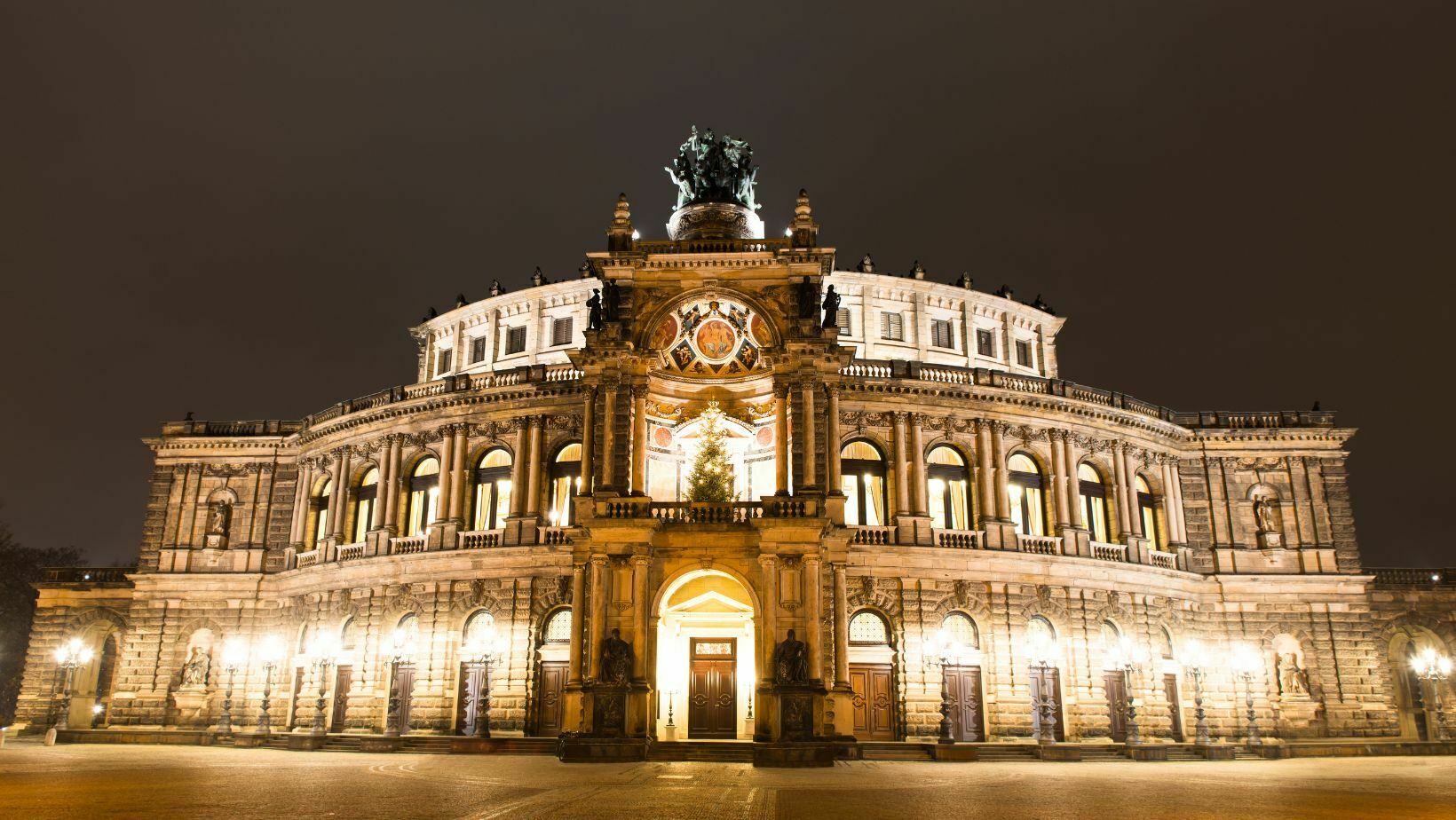
You will pass beautiful villas and magnificent castles. A detour into the old town of Dresden leads to the Zwinger, Semper Opera, and Frauenkirche. In Radebeul, you can take time to visit the Saxon Wine Museum Hoflößnitz and the beautiful 850-year-old winery in Europe at Wackerbarth Castle where you can treat yourselves to fabulous tours, meals, and a great gift shop. The journey continues to Meissen: the imposing castle hill with the cathedral and Albrechtsburg Castle can be seen from afar. The Wine Experience World of the Saxon Winegrowers’ Cooperative Meissen offers information and insights into the history and current practices of winegrowing in the area.
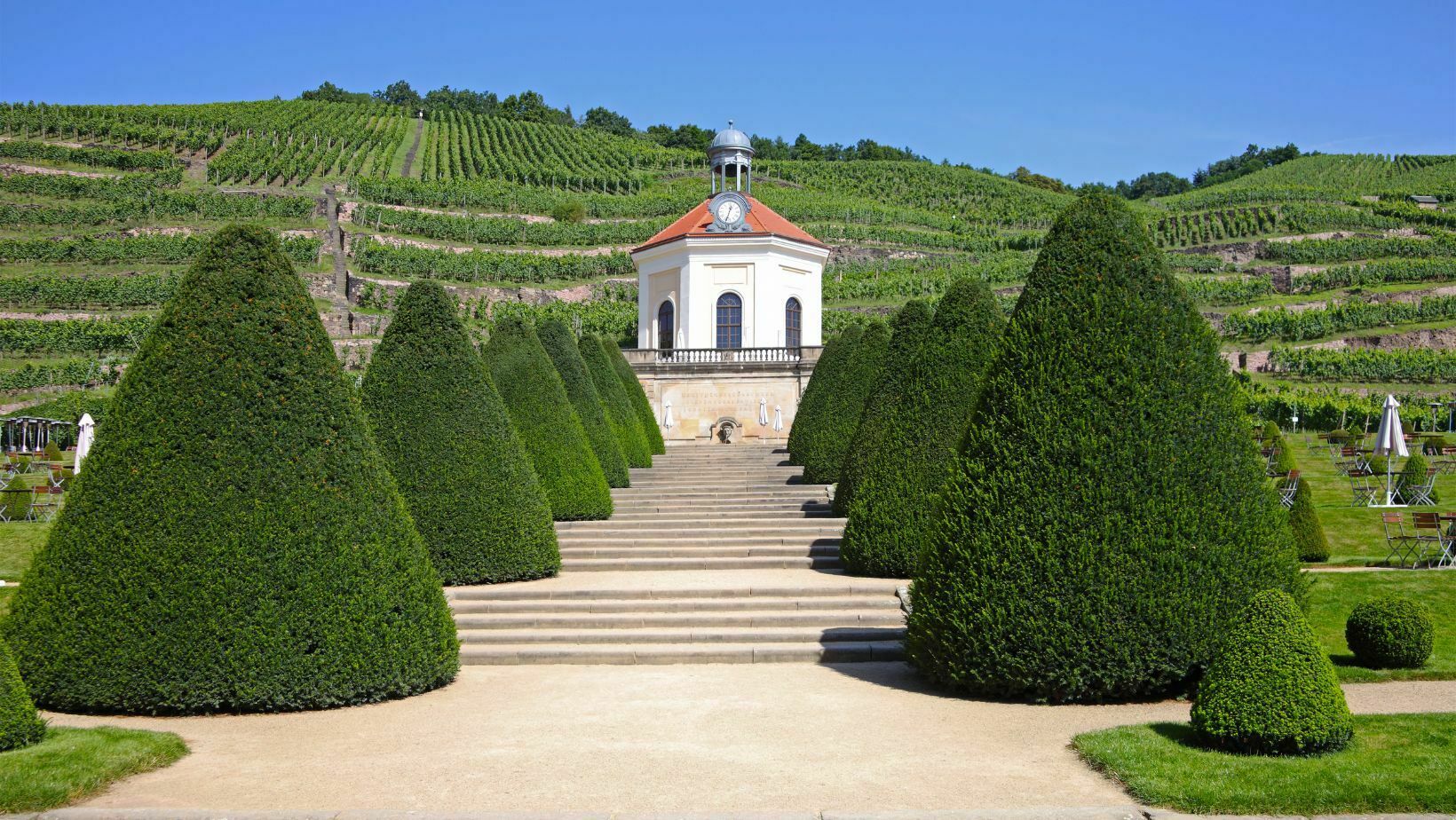
In the last 40 years, Saxony has experienced a true renaissance of wine growing with young and experimental vintners leading the way. Although Saxony is still Germany’s smallest and northernmost wine region, there are today many professional growers and about 1000 hobby winemakers. With a few exceptions, the local grapes are grown on hillside terraces, which requires much of the tending and harvesting to be done by hand.
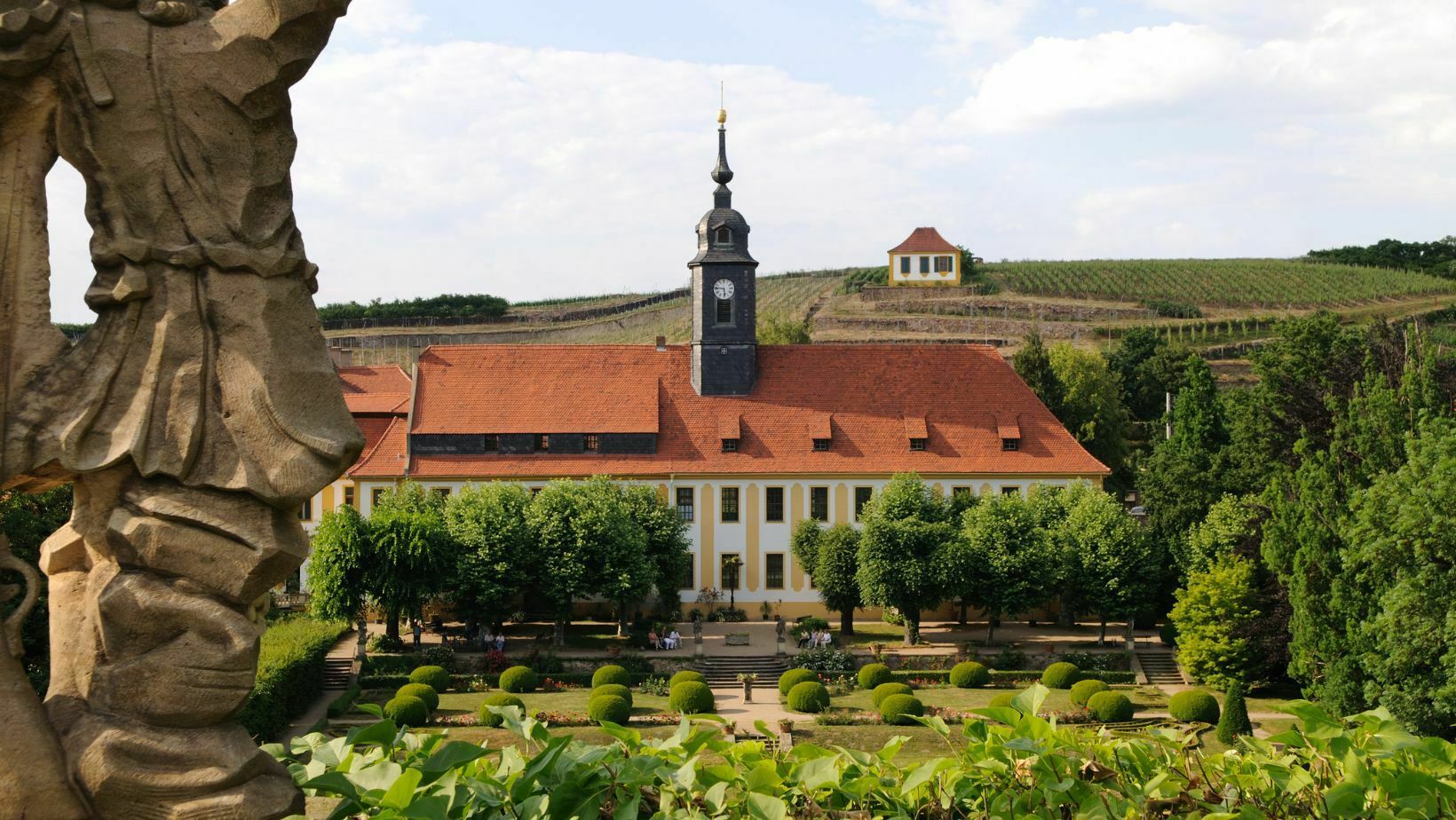
The northern starting point of the Saxon Wine Route is the charming village of Diesbar-Seusslitz with a beautiful baroque castle surrounded by formal gardens. The next point of interest on the route is the most prominent winery, Schloss Proschwitz. This baroque-style castle was built by one of Saxony’s oldest families who lost their home after WWII but bought it back after reunification. With dedication, labor, and love, they recreated one of Saxony’s leading and largest privately owned wineries. The winery produces a range of wines from Pinot Gris and Pinot Blanc to Müller-Thurgau and Goldriesling, a specialty from Saxony. The castle and vineyard are year-round destinations for events, weddings, and even concerts that are part of Dresden’s famous music festivals.
Nearby, the city of Meissen, with its vineyards, was the seat of the Saxon electors which gives it a special prominence in this historic land. Two trademarks of this 1000-year-old city on the Elbe are the Albrechtsburg, an enormous Gothic cathedral, and the well-known Meissen porcelain manufactory, MEISSEN, a must-visit destination for anyone interested in design and craft, jewelry, art, and architecture.
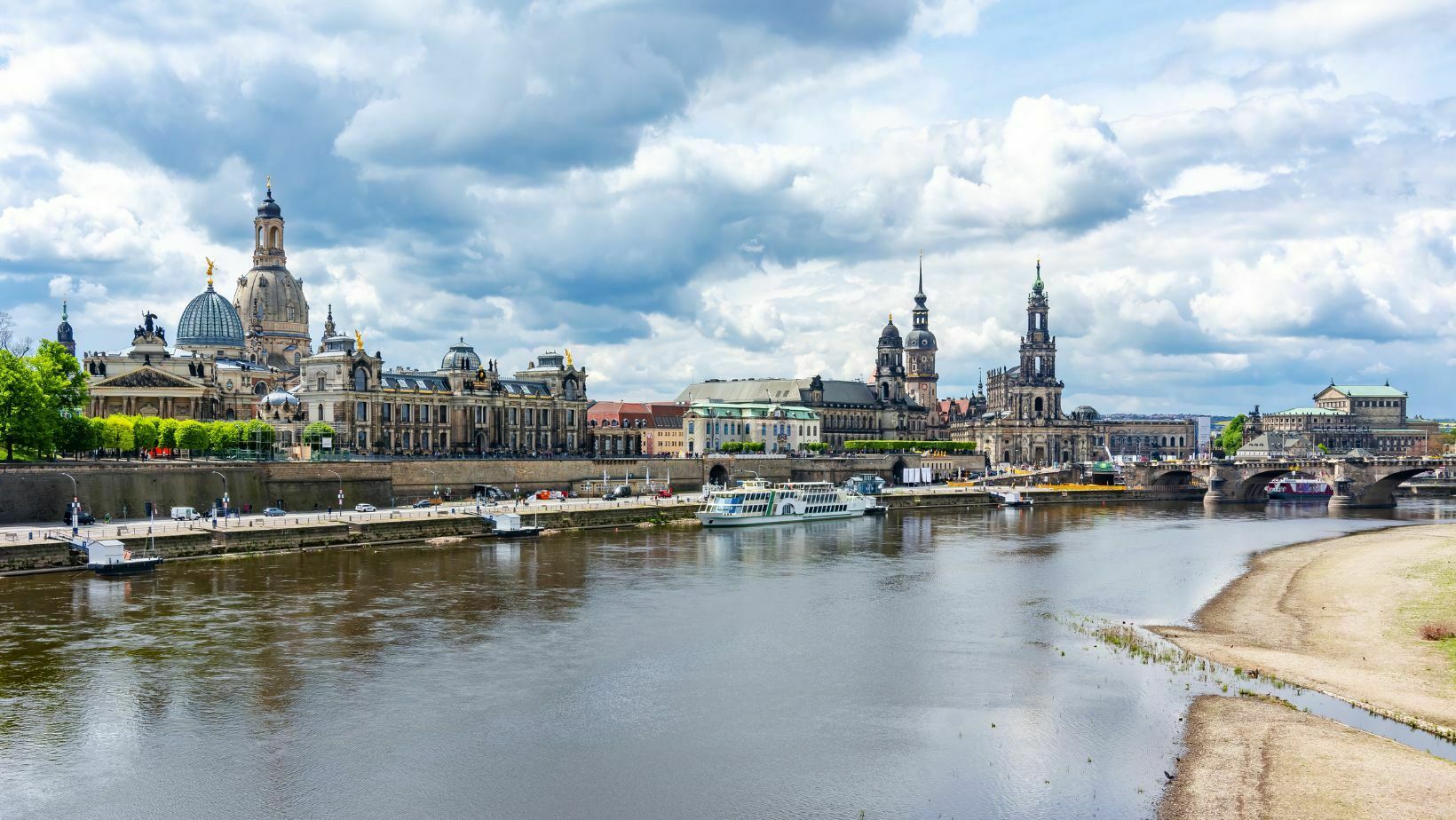
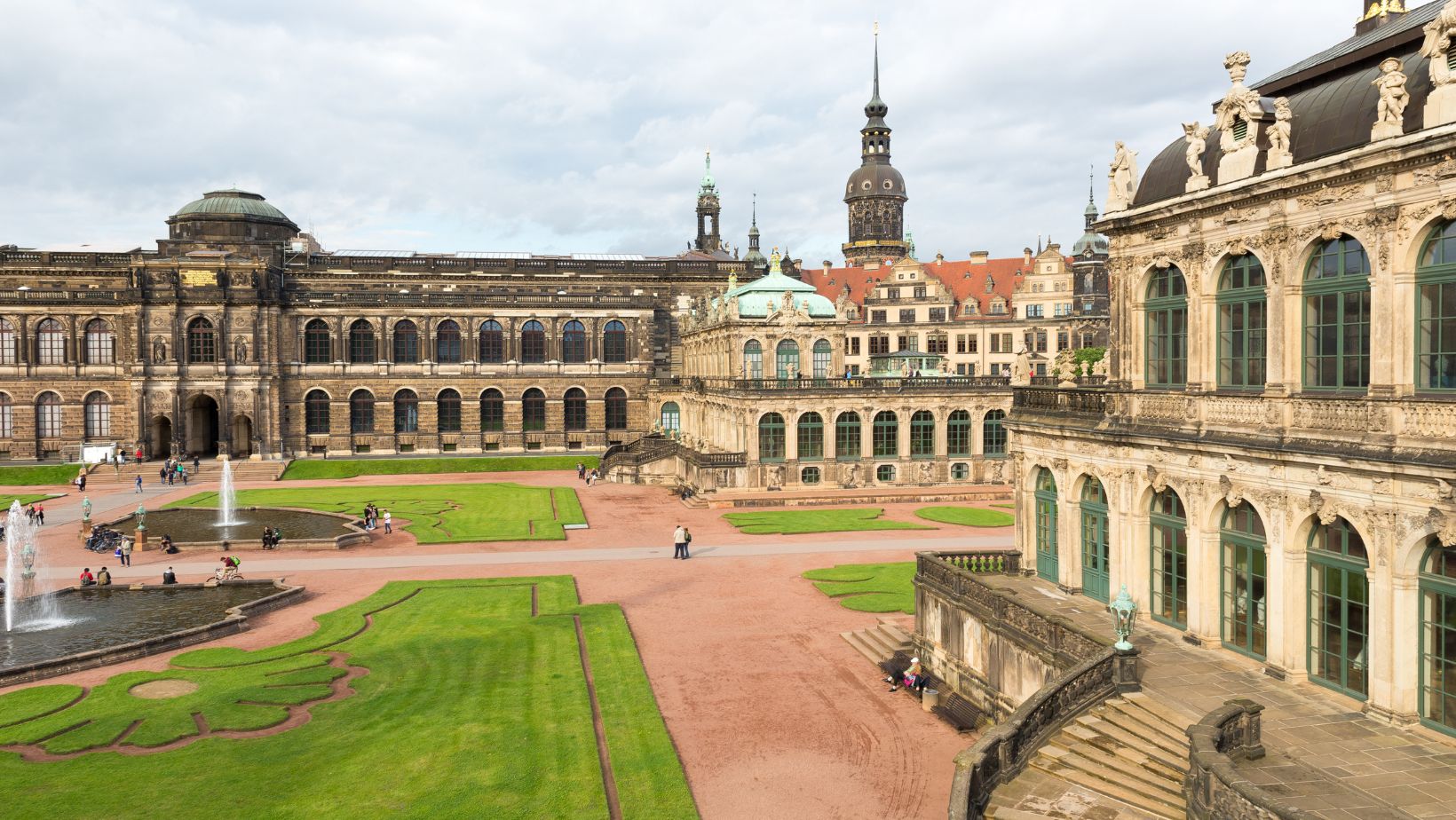
The capital city of Dresden with its magnificent skyline is notable for the dome of the protestant Church of Our Lady (Frauenkirche), the smaller dome of the catholic Palace Church (Hofkirche), the roof line of the Semper Opera and the ornate gates to the museums in the Zwinger Palace.
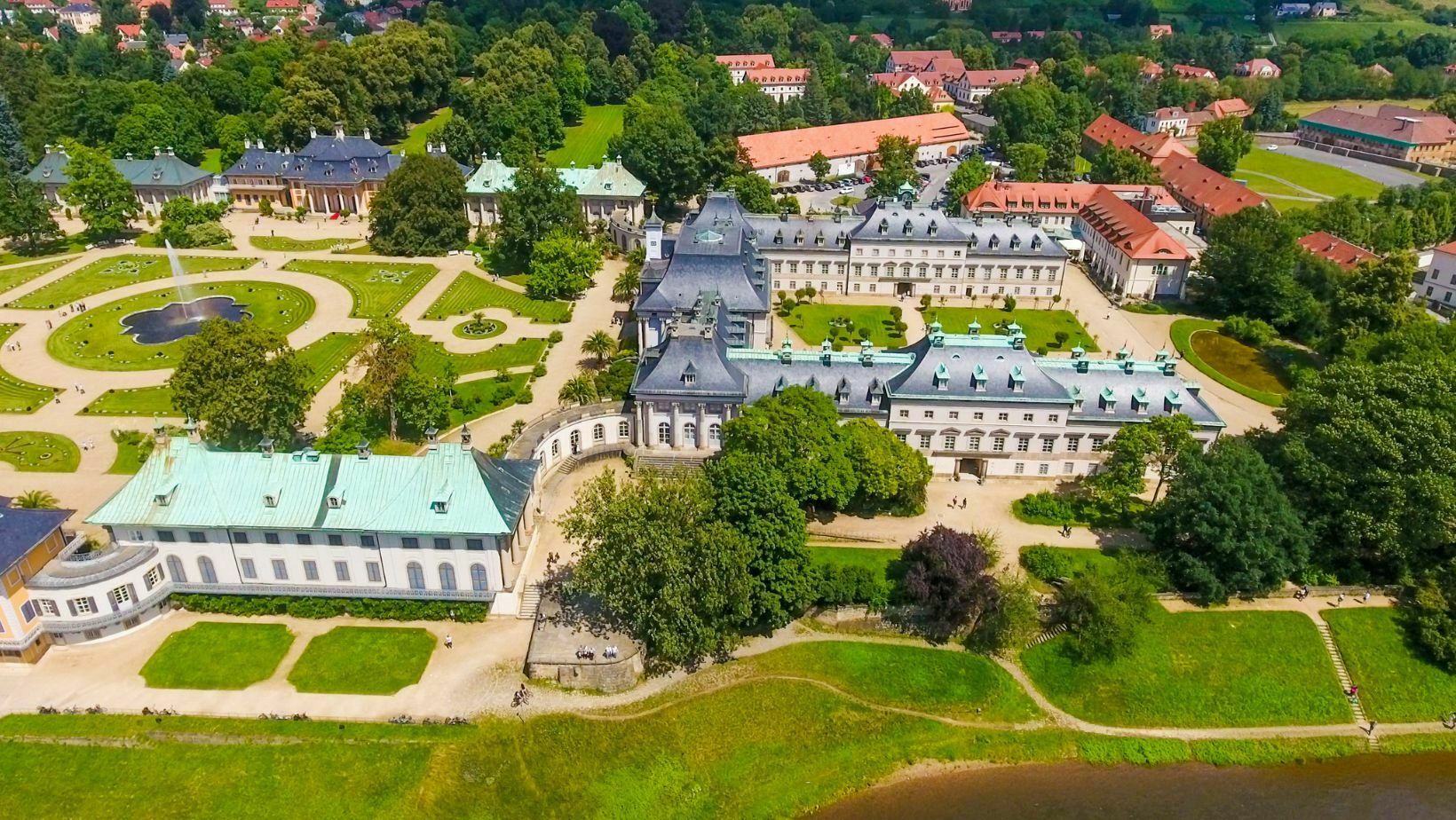
Just down the river, the next highlight is Castle Pillnitz, the summer palace of the Wettin kings and Saxon electors. The baroque palace is home to the Arts and Crafts Museum of the Dresden State Art Collection as well as a castle museum and has an extensive formal garden and park. The most spectacular way to get to the palace is by paddle boat from Dresden as the river bank is lined with beautiful villas and castles built by noble families who wanted to be near the king. A spectacular winery in Pillnitz with views over the Elbe River Valley is Weingut Klaus Zimmerling, where visitors can stay for a wine tasting and view the fields and the outstanding sculptures by Malgorzata Chodakowska.
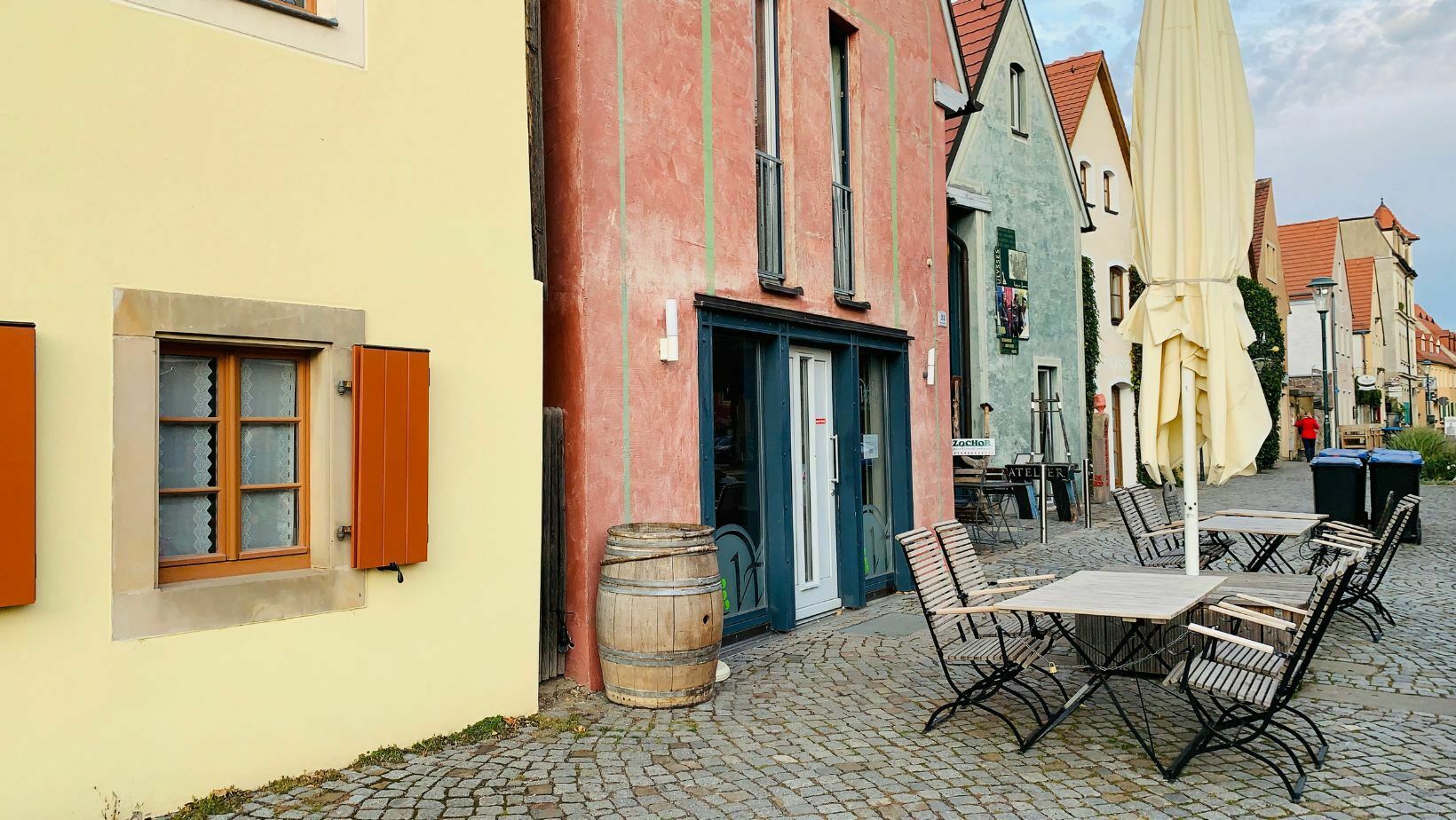
The last stop on Saxony’s Wine Trail is the medieval town of Pirna, the gateway to Saxon Switzerland. The reason Pirna is known beyond the borders of Saxony is largely due to the paintings by Venetian artist Bernardo Bellotto, the nephew of the famous Italian painter, Canaletto, who often took his uncle’s name to further his reputation. The medieval town is much as it has always been and features winding streets, leading visitors in between townhouses, charming courtyards and numerous fountains, and taking you on a journey through the past.
Every autumn, there are wine festivals in various of towns along the wine trail. Pirna and Radebeul are popular festivals and visitors will enjoy meeting the growers from the region and tasting the local wines. Saxony and Dresden is an easy car or train ride from Berlin or Frankfurt which has many direct flights from the U.S. and Canada.

