


The hotel of the future may look less like a place to check in and more like a world to step into. Across Europe and beyond, a new generation of hotels is reimagining the guest experience through experimental architecture, intelligent technology, environmental innovation, flexible living spaces, and entirely new ways of connecting with a destination. From a Berlin hotel inviting travelers to help shape its rooms to a Swedish retreat where architecture is woven into the forest canopy, these properties offer a glimpse into the evolving art of hospitality.
For travelers accustomed to hotels that distinguish themselves through service, location, or design, these innovative properties offer another reason to book a stay. They are destinations where the architecture tells a story, where the room becomes an entirely different kind of living environment, and where the experience of traveling is reimagined from the ground up.
Some are intimate design experiments. Others are ambitious architectural projects that challenge the traditional definition of a hotel. A few are quietly transforming the way hospitality approaches sustainability, community, and the relationship between people and place.
Together, they suggest that the next chapter of travel may be shaped by hotels that are not simply designed to accommodate guests, but to inspire them.
The stays where the future is already taking shape
1. MM:NT Berlin Lab, Berlin, Germany
A hotel where guests become part of the design process
In Berlin’s Mitte district, where independent galleries, creative studios, historic courtyards, and contemporary cafés define the neighborhood’s character, MM:NT Berlin Lab offers a stay that feels distinctly of the city’s experimental spirit. The concept began with an unusual premise: instead of developing a hotel, perfecting every detail, and presenting the finished product to travelers, the designers would invite guests into the process itself.
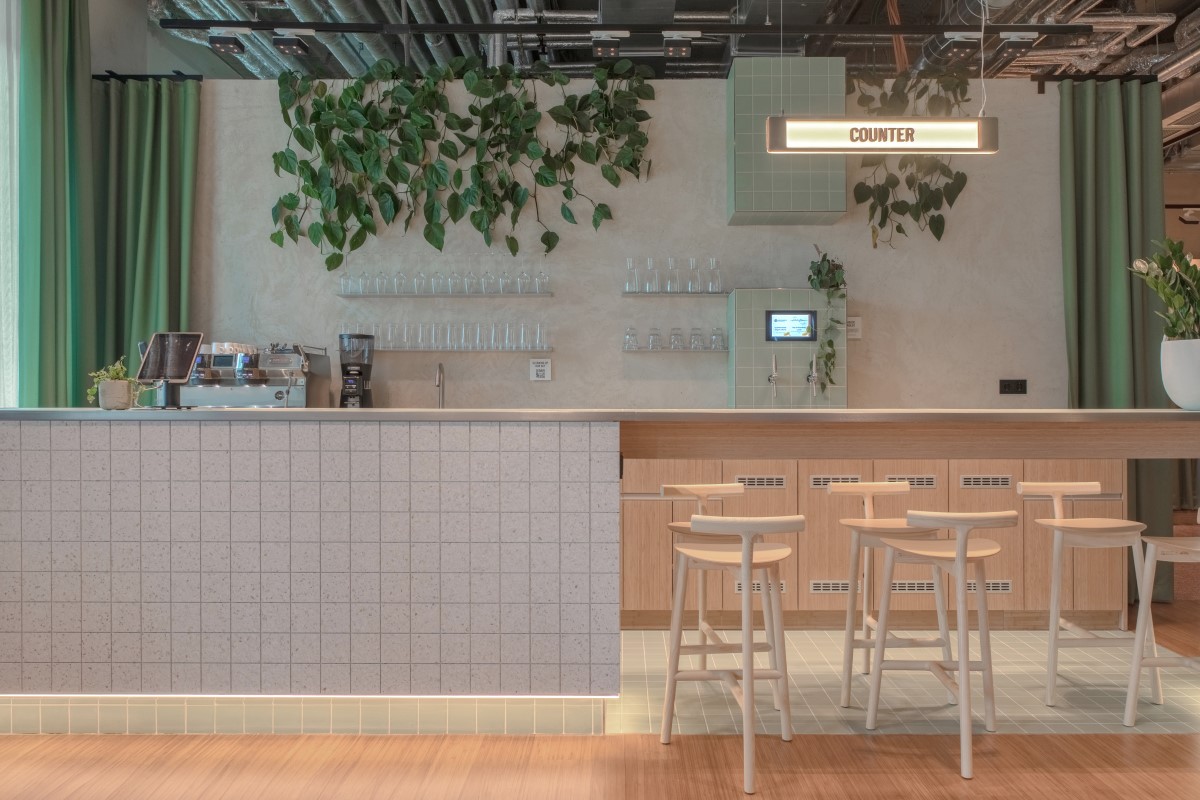
Created by TFE Hotels and Adina Hotels in partnership with architectural and technology specialists, MM:NT Berlin Lab opened as an evolving hospitality experiment. Six individual rooms were designed with different approaches to space, storage, materials, bathroom layouts, and room flow. Early guests were invited to experience the spaces and share feedback that could influence future decisions. The rooms were not simply variations on a theme. They were prototypes exploring how a modern traveler might live comfortably within a smaller, more thoughtfully designed footprint.
The experience reflects a more independent style of city travel. The hotel operates with a digital self service model rather than a conventional reception desk, and guests are encouraged to move through their stay with a degree of autonomy. Shared spaces offer places to work, relax, and meet fellow travelers, while the surrounding Mitte neighborhood provides an abundance of restaurants, boutiques, and cultural destinations within walking distance.
What makes the property particularly compelling is the way it invites guests to reconsider their expectations. A hotel room can be a carefully edited environment rather than a collection of standard amenities. A smaller space can feel generous when its design is intuitive. And a hotel can continue evolving after its doors open, informed by the people who experience it firsthand.
For travelers interested in contemporary design, Berlin’s creative energy, and the possibility of staying somewhere that is actively questioning the future of hospitality, MM:NT Berlin Lab is an especially intriguing place to check in.
2. M Beta at Charlotte Marriott City Center, Charlotte, North Carolina
A hotel that invites travelers to vote on the experience
In the heart of Uptown Charlotte, M Beta at Charlotte Marriott City Center turned the traditional hotel experience into something more interactive. The property became a live testing environment for new hospitality ideas, giving travelers an opportunity to participate in the development of hotel amenities, services, spaces, and technology.
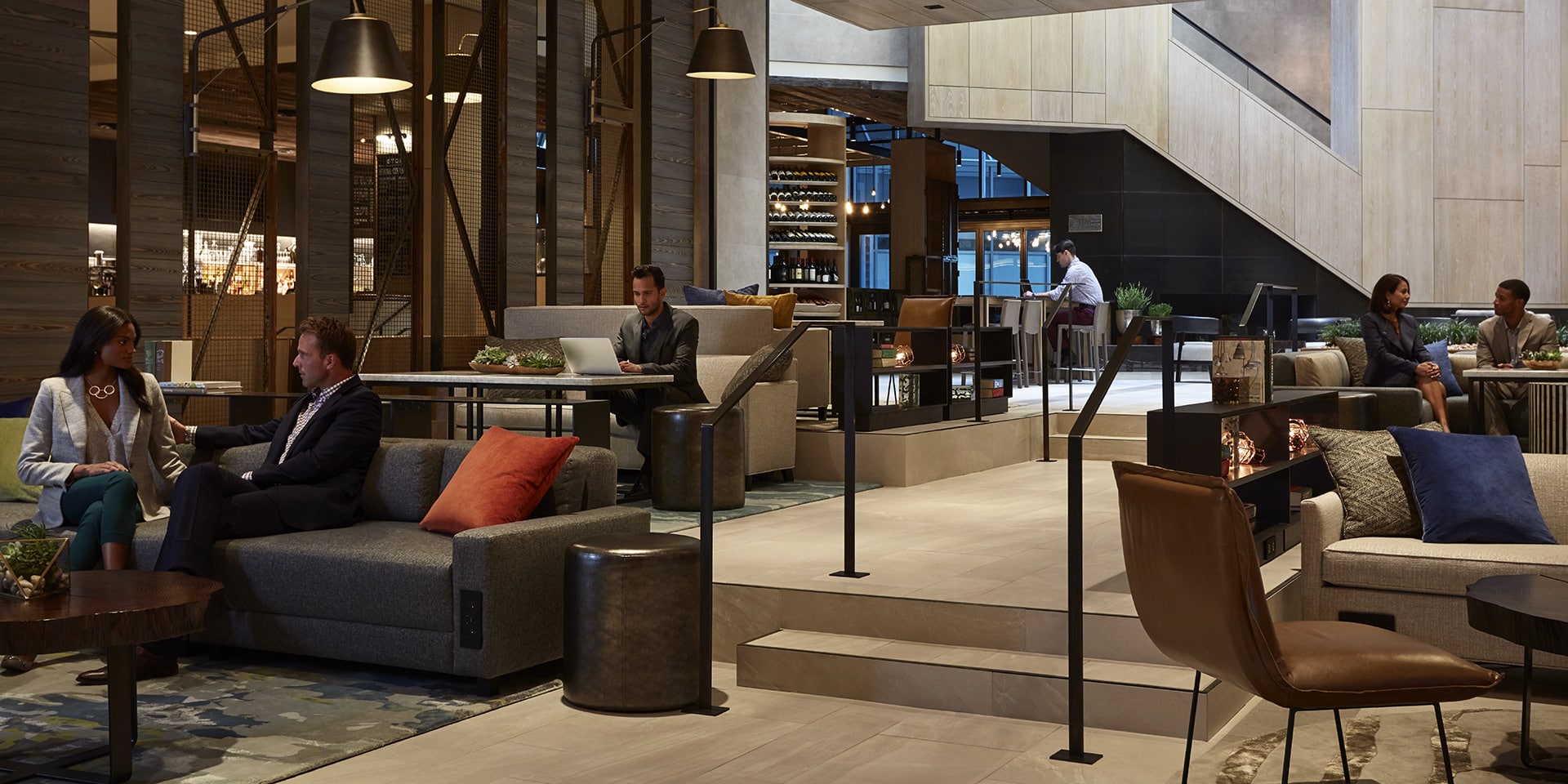
When the M Beta concept launched, guests and visitors encountered physical Beta Buttons placed throughout the property. A traveler enjoying the restaurant, fitness center, arrival experience, or another feature could press a button to register approval. Votes were displayed on digital boards, giving hotel teams a visible measure of guest response and transforming feedback into part of the experience.
The idea was surprisingly simple, yet it represented a significant shift in the way hotels could approach product development. Rather than relying exclusively on surveys conducted after a stay, Marriott experimented with collecting reactions in the moment. Guests became active participants in determining which ideas resonated, and the hotel became a setting in which hospitality concepts could be observed and evaluated in real time.
The property also explored the role of public spaces in urban hotel life. Restaurants, coffee spaces, collaborative work areas, and social environments were conceived to attract both hotel guests and Charlotte residents. This approach made the hotel less of an isolated accommodation and more of a neighborhood destination.
For travelers, the appeal extends beyond the technology. Charlotte offers a growing urban dining and cultural scene, and the hotel places guests within reach of Uptown’s restaurants, galleries, sporting venues, and business district. The experience is particularly interesting for visitors who appreciate the energy of a city hotel and the idea that their stay may help influence the next generation of hotel design.
M Beta is a reminder that innovation does not always need to be hidden behind sophisticated systems. Sometimes it begins with a simple question posed to the traveler: What works, what feels better, and what should hotels do differently?
3. 25hours Hotels, Europe and beyond
Hotels with a personality of their own
There is no single look that defines a stay at 25hours Hotels. In Berlin, the design may feel playful and immersed in urban greenery. In Florence, the hotel may draw inspiration from literature, architecture, and the city’s artistic history. In Dubai, a concept might reflect the traditions of nomadic life while interpreting them through a contemporary lens.
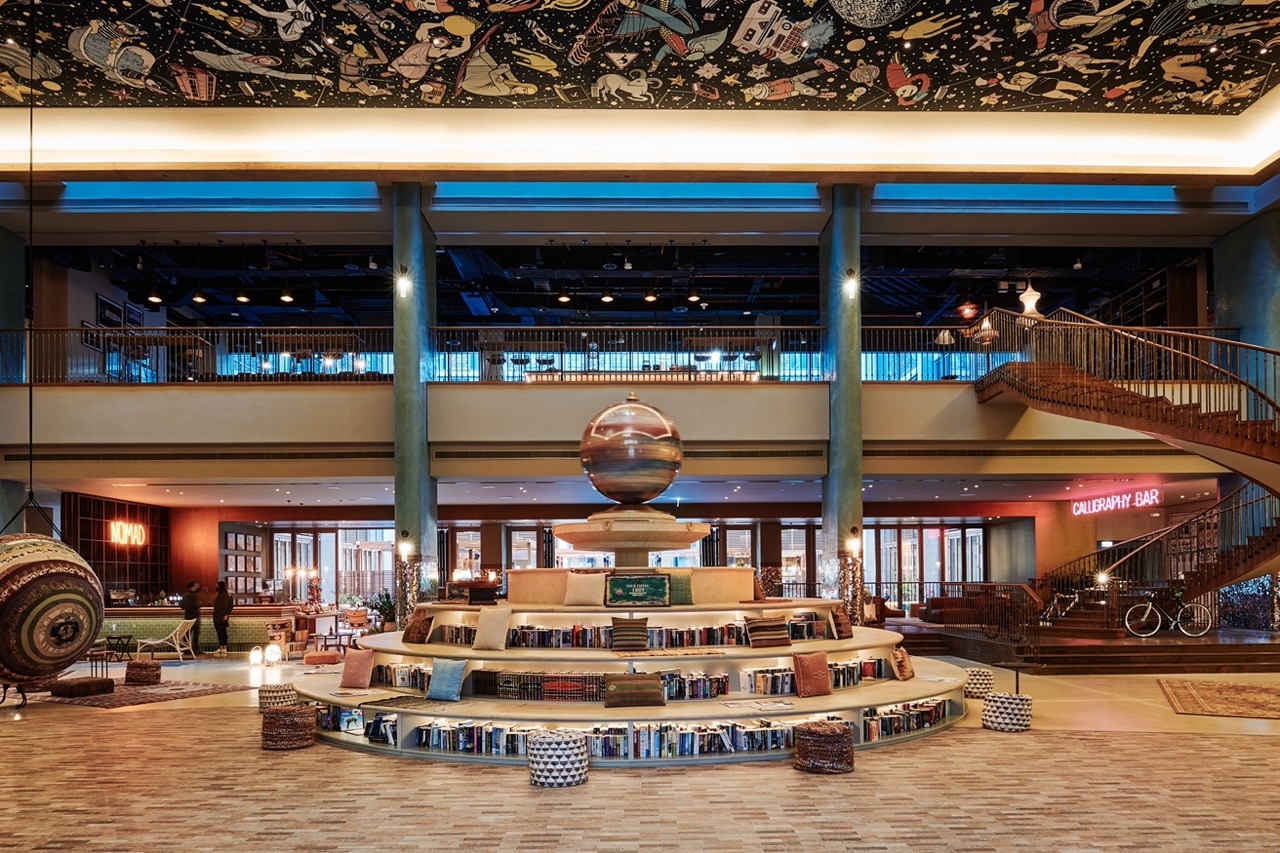
The brand’s philosophy is built around individuality. Each hotel is conceived as a distinct world shaped by its destination, with architecture, interiors, art, food, and storytelling creating an identity that cannot simply be replicated elsewhere. Its guiding idea, “You know one, you know none,” encourages travelers to approach each property as an entirely new experience.
At 25hours Hotel Bikini Berlin, the Urban Jungle concept connects the building to its surroundings near Berlin Zoo and the city center. Interiors combine expressive design, plants, unexpected details, and social spaces that feel more like creative gathering places than traditional hotel lounges. The rooftop Monkey Bar, with its views over the city and the zoo, offers a particularly memorable way to experience Berlin from above.
In Florence, 25hours Hotel Piazza San Paolino takes a more theatrical approach. Its concept draws from Dante’s Divine Comedy, dividing the experience between ideas of heaven and hell, expressed through color, lighting, art, and playful architectural details. The hotel creates a contemporary interpretation of the city’s cultural heritage without becoming a conventional historical property.
Across the brand, public spaces are central to the experience. Restaurants, bars, coworking areas, lounges, and retail concepts create a lively atmosphere in which hotel guests and local residents naturally mix. The properties are designed to feel inhabited rather than simply admired, with spaces that evolve throughout the day from morning coffee to evening drinks.
For travelers, 25hours offers an opportunity to choose a hotel based on personality as much as location. A city break can begin before the guest even steps outside, with the hotel’s design providing an introduction to the culture, humor, and creative spirit of its destination.
4. Hotel Marcel, New Haven, Connecticut
A landmark hotel with a climate conscious future
In New Haven, Connecticut, a striking modernist building has been given a new life as one of the most forward thinking hotels in the United States. Hotel Marcel occupies the former Pirelli building, designed by architect Marcel Breuer, whose bold architectural language remains an important part of the city’s built environment.
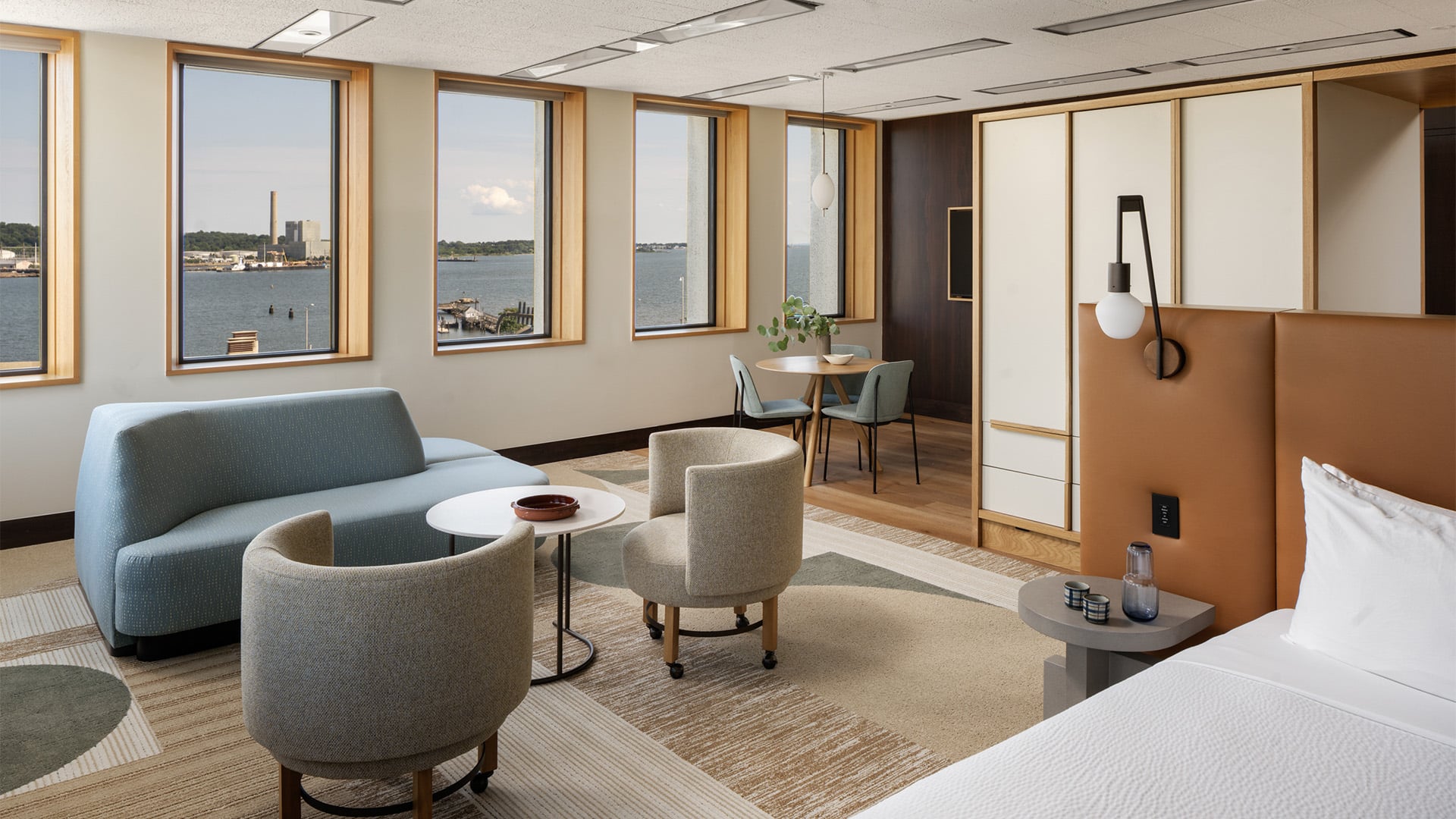
The building’s transformation is a study in how historic architecture can be preserved while being reimagined for a more environmentally conscious future. Its strong geometric lines, concrete surfaces, and unmistakable Brutalist character provide an architectural backdrop that feels almost cinematic. Inside, the interiors balance the building’s modernist heritage with contemporary furnishings, understated guest rooms, and a restrained palette.
What distinguishes Hotel Marcel is the environmental ambition behind its renovation. The property operates entirely on electricity, incorporates extensive solar power generation, and uses battery storage and energy efficient building systems. It has received LEED Platinum certification and Passive House certification, placing the hotel among the most notable examples of high performance hospitality architecture.
The experience of staying here is particularly appealing to travelers who appreciate architecture and design. Rooms are designed with clean lines and an emphasis on comfort, while views extend toward New Haven, Long Island Sound, and the surrounding urban landscape. The hotel’s restaurant, BLDG, offers modern American dining in a setting that continues the architectural character of the building.
Its location near the historic Long Wharf district also provides a convenient starting point for exploring New Haven. Yale University, the city’s museums, independent restaurants, and cultural institutions are within easy reach, while the shoreline provides a different perspective on the region.
Hotel Marcel demonstrates that a sustainable hotel does not necessarily need to resemble a retreat in the countryside. It can exist within a city, occupy a historic structure, and offer a sophisticated urban experience while rethinking the environmental systems behind hospitality.
5. Zoku Amsterdam, Netherlands
A city hotel designed for living, working, and staying longer
Amsterdam has long attracted travelers who arrive with more than sightseeing on their agenda. The city is a destination for design, entrepreneurship, creative industries, culture, and international business. Zoku Amsterdam responds to this contemporary traveler with a concept that feels closer to a stylish urban apartment than a conventional hotel room.
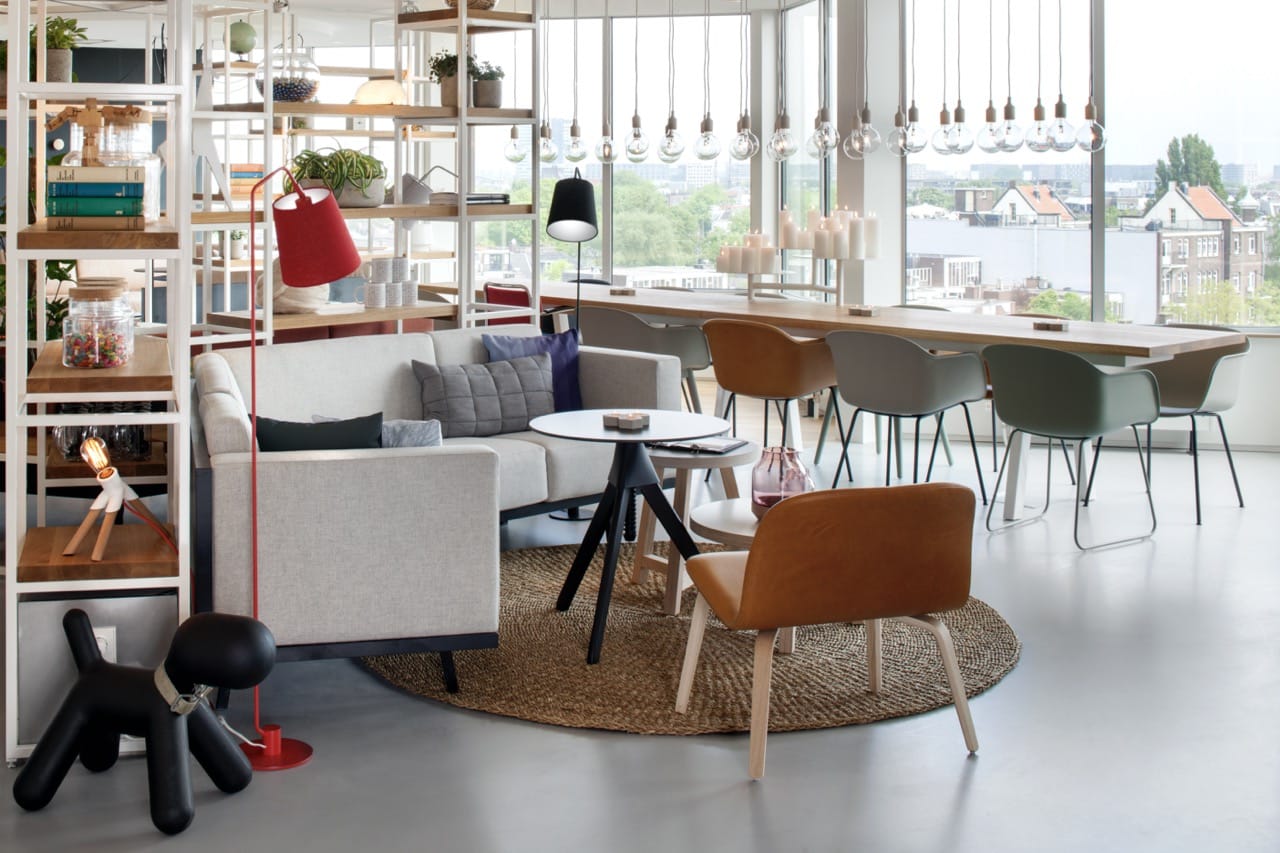
The signature Zoku Loft places living and working at the center of the design. Rather than organizing the room around a bed, the sleeping area is elevated, creating space for a kitchen, living room, dining table, storage, and a comfortable working environment. The layout makes a compact footprint feel remarkably versatile.
The concept emerged from research into the needs of globally mobile professionals, many of whom found that traditional hotel rooms and serviced apartments did not adequately support the way they traveled. A guest might need to prepare a presentation in the morning, cook a simple meal in the evening, host a colleague, or stay for several weeks without feeling confined to a hotel room.
Zoku’s design addresses these needs through practical details. The kitchen is functional rather than decorative. The dining table serves as a workspace and gathering place. Storage is carefully considered, and the elevated sleeping area creates a sense of separation between the private and social parts of the loft.
The hotel extends this idea into its shared spaces. Rooftop terraces, restaurants, coworking areas, and communal lounges create opportunities to meet other travelers, work outside the room, or enjoy a more social atmosphere. The spaces are designed to accommodate different rhythms of the day, whether guests are working quietly, sharing a meal, or taking a break from exploring Amsterdam.
Located in Amsterdam’s Eastern Canal District, Zoku offers access to the city’s waterways, museums, neighborhoods, and cafés while maintaining an atmosphere that feels residential. It is especially well suited to travelers who want to experience Amsterdam beyond a short sightseeing itinerary, including remote workers, couples on extended city breaks, and professionals relocating temporarily.
The innovation lies in recognizing that travelers increasingly need a place to live their lives while away from home. Zoku creates an environment that supports that reality, making the hotel feel less like a temporary stop and more like a home base.
6. ICEHOTEL, Jukkasjärvi, Swedish Lapland
A hotel that becomes a work of art every winter
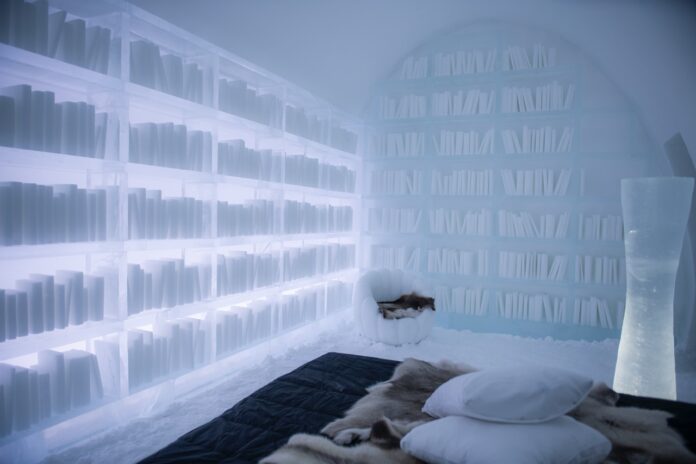
Far above the Arctic Circle, in the small Swedish village of Jukkasjärvi, a hotel emerges from the frozen landscape each winter. ICEHOTEL is built from snow and ice harvested from the Torne River, transforming the natural materials of the Arctic into an extraordinary collection of rooms, suites, galleries, and sculptural spaces.
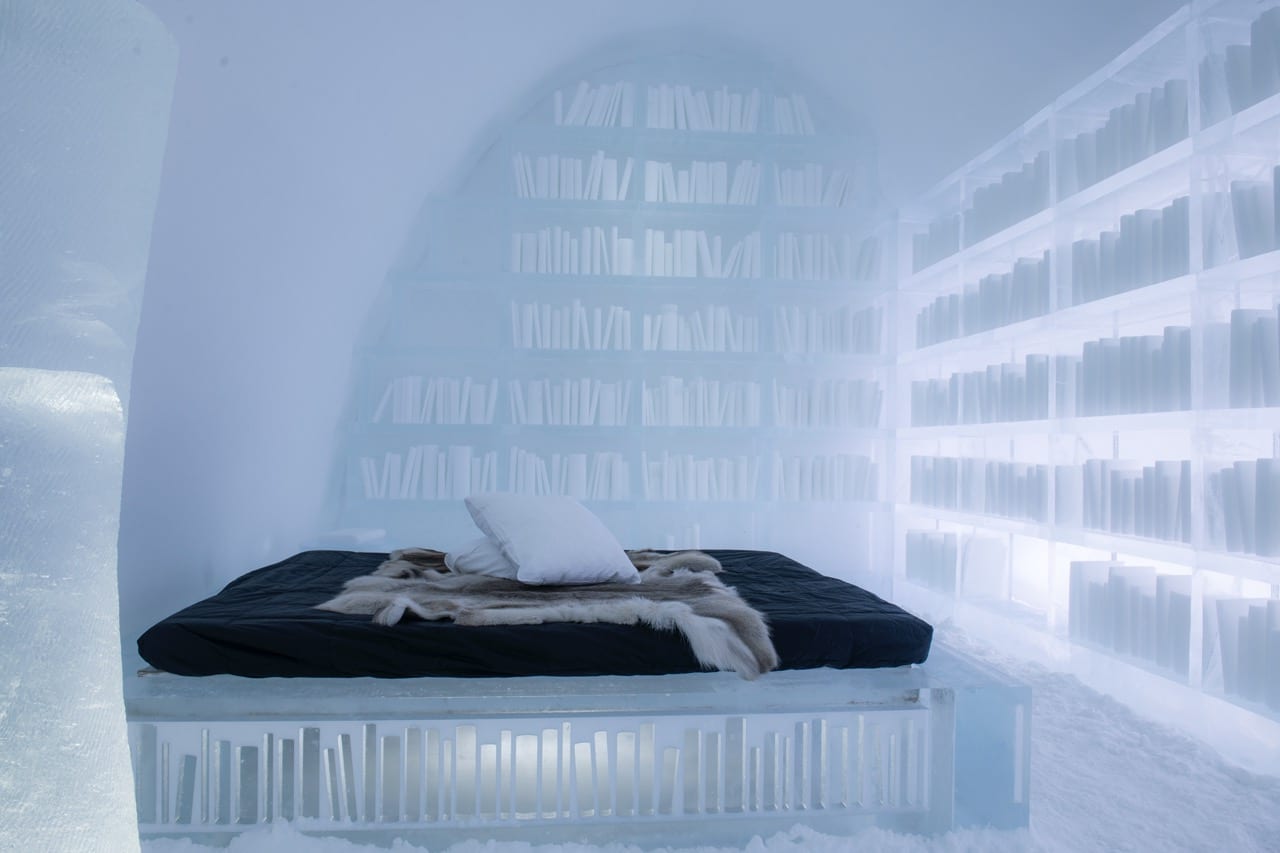
The hotel is rebuilt each winter, and every edition introduces a new creative vision. Artists and designers from around the world are invited to create individual suites, turning the property into a temporary exhibition of architecture and ice sculpture. The rooms are not simply decorated with art. They are the art itself, with walls, furnishings, sculptural elements, and architectural forms created from frozen materials.
The experience is unlike a conventional luxury stay. The temperature inside the ice suites remains around minus five degrees Celsius, and guests sleep in specialized sleeping bags on beds covered with reindeer hides. Warm facilities, changing areas, and saunas are available in adjacent spaces, creating a contrast between the extraordinary cold of the sleeping environment and the comfort of the surrounding Arctic hospitality.
The beauty of ICEHOTEL is inseparable from its impermanence. As spring arrives, the winter structure melts and returns to the river, completing a natural cycle that is central to the concept. The following winter, the hotel is created again, with new artists, new designs, and a new architectural identity.
For travelers who prefer to experience the Arctic without limiting their visit to the winter season, ICEHOTEL 365 provides a year round ice experience. The permanent ice art hall is maintained using solar powered cooling technology, allowing guests to experience ice suites, art installations, and the ice bar even during the warmer months.
Beyond the hotel itself, Jukkasjärvi offers access to the landscapes of Swedish Lapland. Northern lights excursions, snow activities, river adventures, wilderness experiences, and the remarkable seasonal changes of the Arctic make the destination an experience in its own right.
ICEHOTEL is perhaps the most poetic example of hospitality as innovation. It challenges the assumption that a hotel must be permanent, that architecture must be conventional, or that comfort must be defined by familiar surroundings. Here, the extraordinary is temporary, and that is precisely what makes it unforgettable.
7. Treehotel, Harads, Sweden
A forest retreat where architecture meets the natural world
In the forests of Harads, Swedish Lapland, Treehotel invites travelers to experience nature from an entirely different perspective. Rather than a traditional lodge surrounded by woodland, the property features individual architectural rooms suspended among the trees, each created by a different architect and designed to offer its own interpretation of life in the forest.
The experience begins with the landscape itself. Guests arrive in a quiet woodland environment where the Lule River, tall trees, and open skies create a sense of distance from everyday life. The rooms are reached through the forest, making the walk to the accommodation part of the journey.
Each tree room has its own personality. The Mirrorcube reflects the surrounding trees and sky, making the structure almost disappear into the landscape. The Bird’s Nest uses an exterior form inspired by a nest, creating a dramatic contrast between its organic appearance and the contemporary interior. Other structures explore geometric forms, playful architectural ideas, and unexpected interpretations of the forest environment.
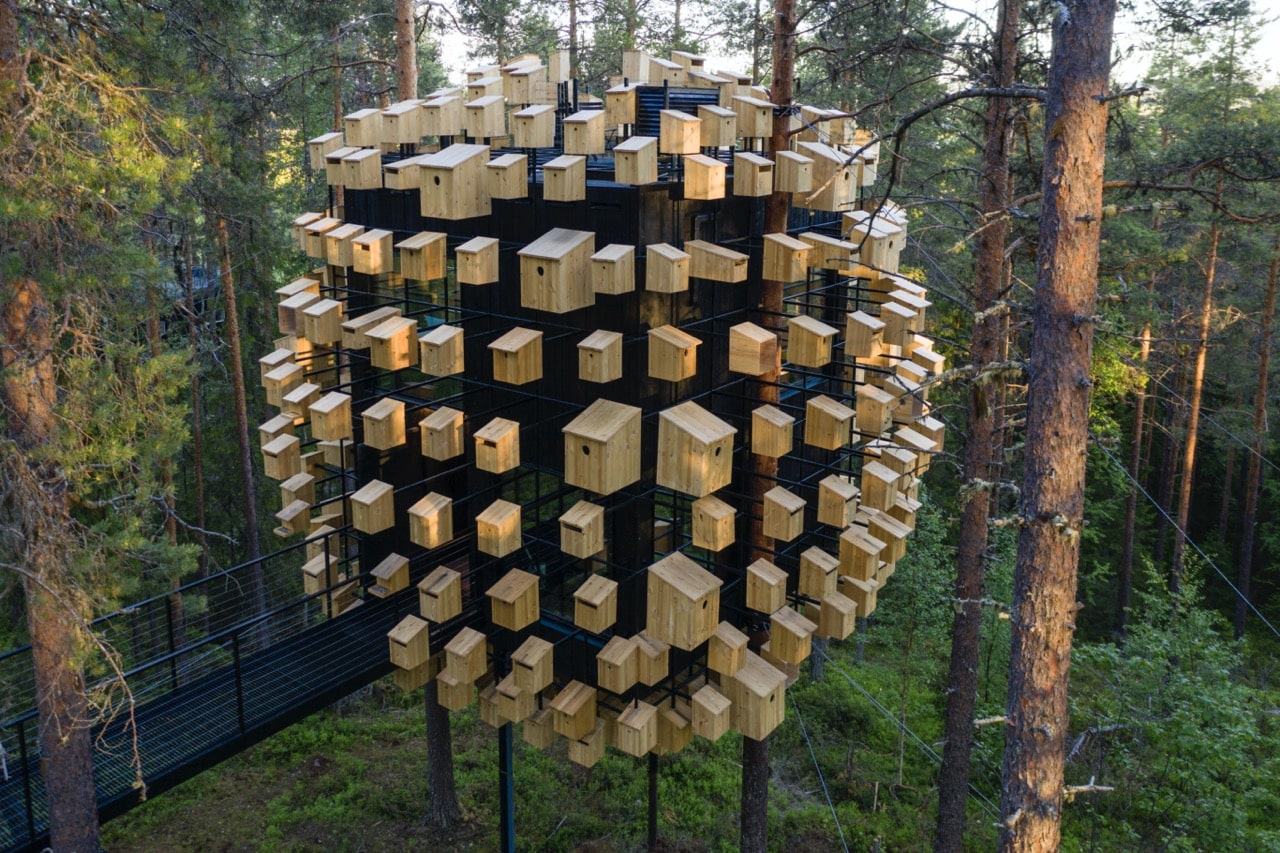
The Biosphere, designed by Bjarke Ingels Group, introduces a particularly interesting ecological dimension. Its exterior incorporates birdhouses that provide nesting opportunities for local birdlife, creating a relationship between the guest experience and the surrounding ecosystem. The design considers the forest not simply as a scenic backdrop, but as a living environment that can be incorporated into the architectural concept.
Inside, the rooms provide contemporary comfort while maintaining a strong connection to nature. Large windows frame the landscape, and the unusual architectural forms create an experience that feels distinctly different from a conventional hotel room. Depending on the chosen tree room, guests may find themselves surrounded by forest views, looking across the treetops, or experiencing the landscape through a highly unusual architectural frame.
The destination also offers opportunities to explore the region through hiking, cycling, canoeing, fishing, local food experiences, and guided excursions. During winter, the forest becomes a setting for snow covered landscapes and northern lights experiences.
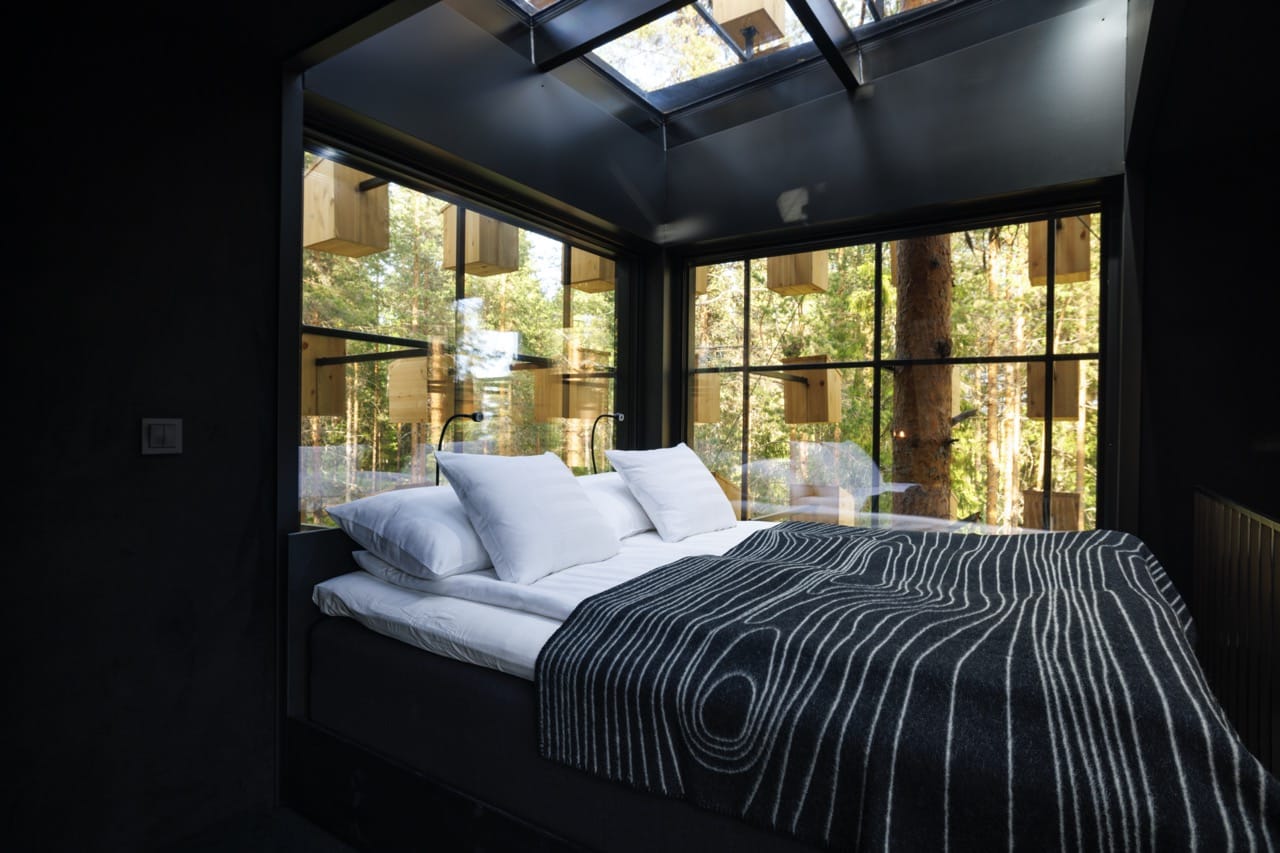
Treehotel is particularly appealing to travelers who see architecture as part of the destination. It offers a stay that is simultaneously a design experience, a nature retreat, and an invitation to slow down and observe the environment.
8. citizenM, Global Cities
A smarter way to experience the modern city hotel
For travelers who spend most of their time exploring a destination rather than remaining in their room, citizenM offers a hotel concept built around convenience, technology, design, and social spaces.
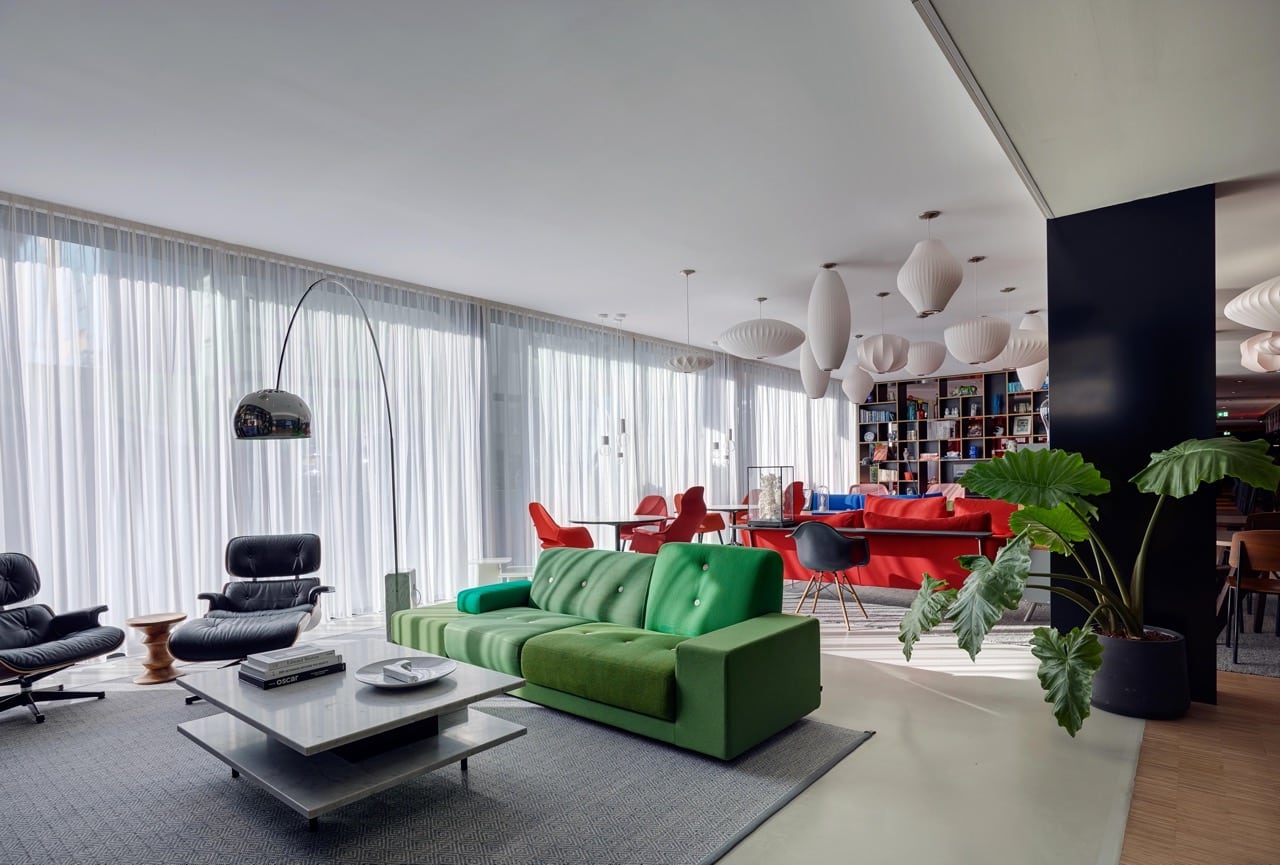
The brand challenged traditional hotel expectations by prioritizing compact guest rooms and expansive shared environments. Its rooms are designed around an oversized bed, efficient storage, a powerful shower, and technology that allows guests to control lighting, blinds, temperature, and entertainment through a smart interface.
The approach is intentionally edited. Rather than creating large rooms with multiple furniture arrangements, citizenM concentrates on the essentials of a comfortable city stay. The design uses space efficiently, while the technology simplifies daily routines. Digital self check in and streamlined services allow guests to move through the hotel with less friction.
The brand’s living rooms are central to its identity. Colorful furniture, books, artwork, communal tables, and comfortable seating create spaces that feel more like contemporary lounges than traditional hotel lobbies. Guests can work, read, meet friends, have a coffee, or simply enjoy the atmosphere without needing to retreat to their rooms.
The food and beverage concepts, including canteenM, offer convenient options throughout the day and night, while coworking and meeting spaces make the hotels attractive to travelers who need a productive environment. Rooftop bars at selected properties provide another way to experience the destination, often with views across the city.
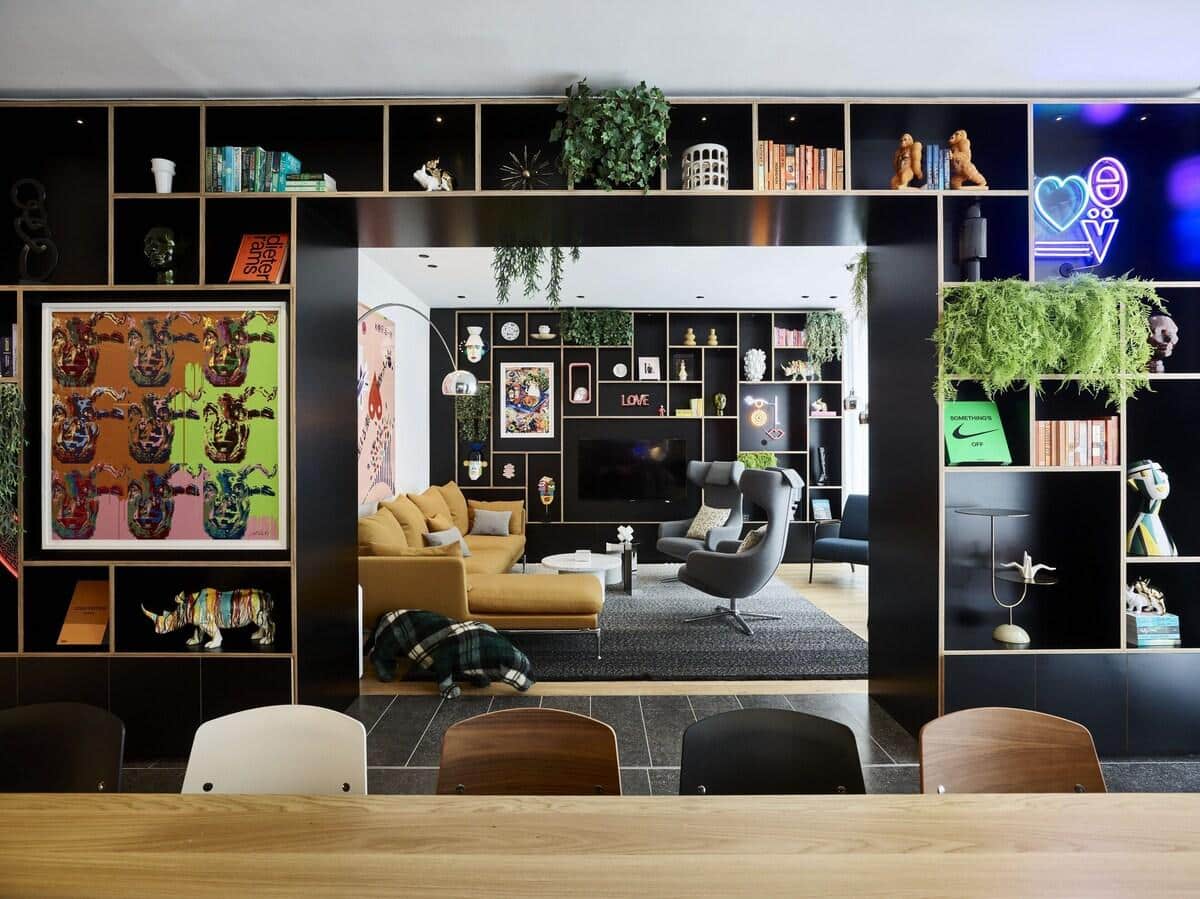
In cities such as New York, London, Amsterdam, Paris, and beyond, citizenM offers a consistent concept that allows travelers to enjoy central locations, contemporary design, and digital convenience. The properties are particularly well suited to short city breaks, solo travelers, and guests who appreciate a hotel that feels energetic, informal, and connected to urban life.
Its innovation is not based on a single dramatic architectural gesture. Instead, it comes from rethinking the balance between private and shared space, using technology to simplify the stay, and creating an environment in which the hotel itself becomes a place to spend time rather than simply sleep.
9. MAGDAS Hotel Vienna City, Vienna, Austria
A hotel that reimagines the meaning of hospitality
Vienna is a city where hospitality is deeply connected to culture, architecture, music, and tradition. At MAGDAS Hotel Vienna City, a different kind of tradition is being explored, one that places social inclusion, cultural exchange, and meaningful employment at the center of the guest experience.
The hotel operates as a social business, using hospitality as a way to create employment and training opportunities for people who have faced barriers to entering the workforce, including people with refugee backgrounds. Its business model is designed to generate revenue through hotel operations while reinvesting in its social mission rather than prioritizing conventional profit distribution.
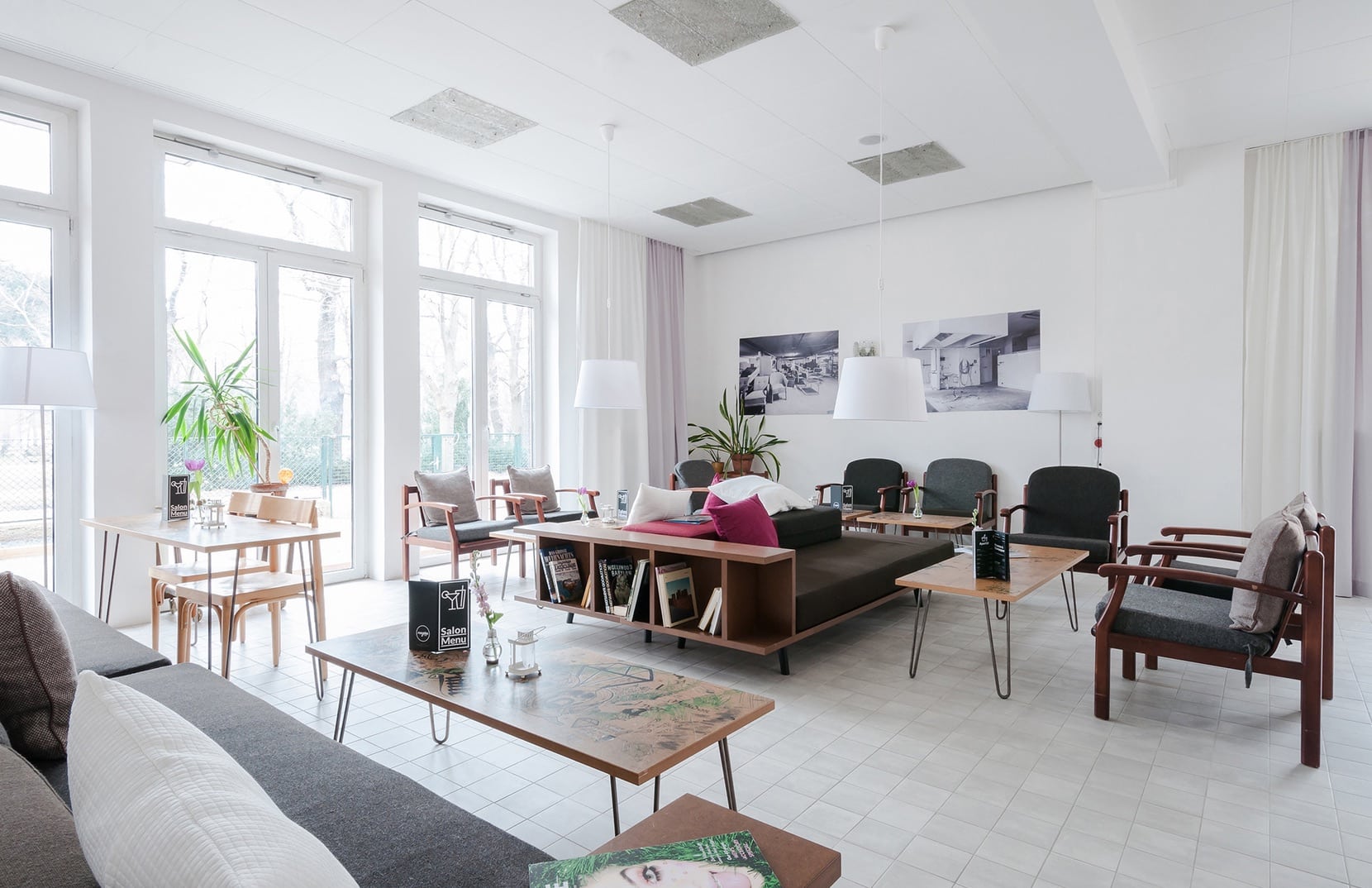
The concept began in Vienna in 2015, when MAGDAS opened its first hotel in a former care facility near the Prater. It has since evolved into a broader social enterprise, and its current Vienna City property occupies a former priests’ residence that has been renovated with environmental sustainability in mind.
The hotel is particularly interesting because its innovation is expressed through people rather than technology. Staff members bring different languages, cultural backgrounds, and personal experiences into the hospitality environment. Training programs support the development of careers in hotel management, culinary work, and restaurant service, creating pathways into the industry.
For guests, the experience remains a welcoming city hotel, but the social purpose is woven into the atmosphere. The café and restaurant offer opportunities to meet locals, while the hotel itself provides a more personal introduction to Vienna. Its central location in the Landstraße district places guests within reach of the city’s museums, historic streets, public transportation, cafés, and cultural landmarks.
The property’s environmental initiatives complement its social mission, with an emphasis on energy efficiency, reuse, and responsible operations. The combination creates a hospitality model in which the guest experience, employment, environmental awareness, and business sustainability are considered together.
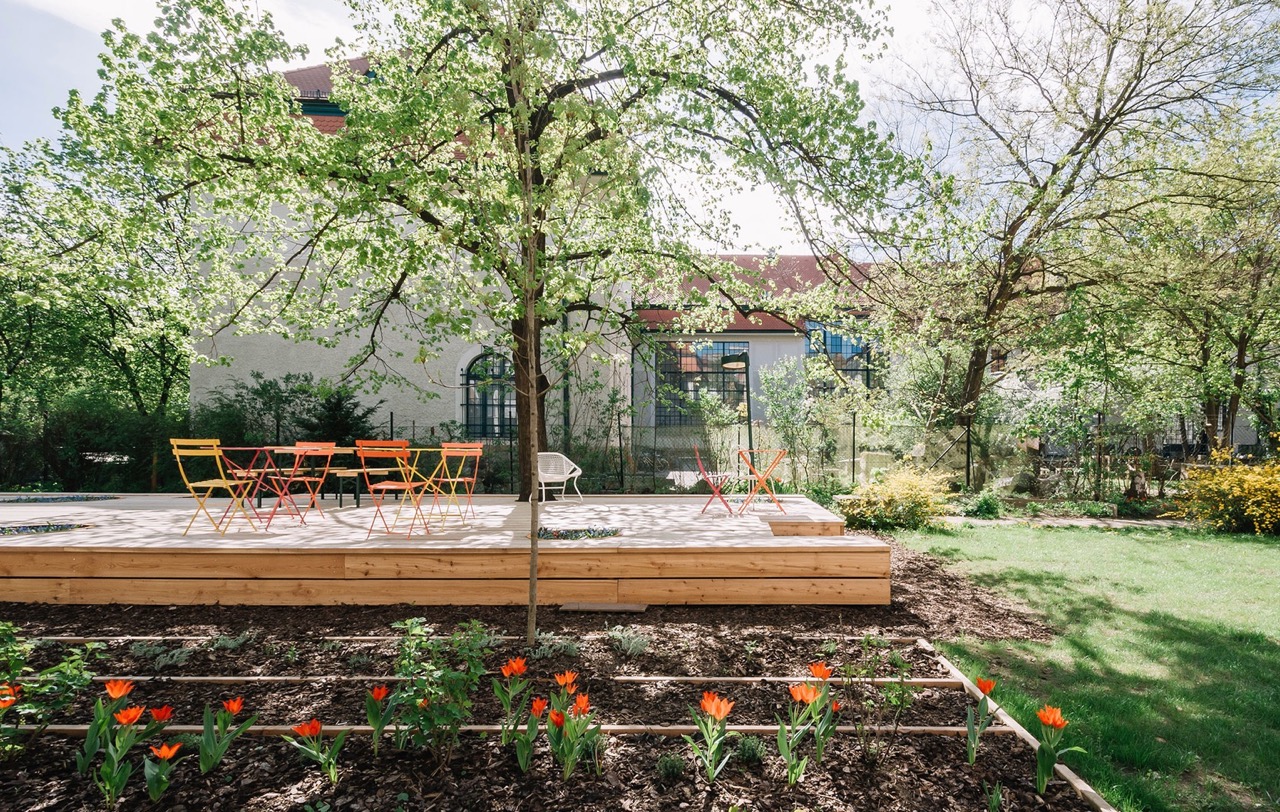
MAGDAS is a reminder that innovation can be measured not only by new technology or architectural spectacle, but by the opportunities a business creates and the communities it helps strengthen. For travelers who want their stay to have a positive impact, the hotel offers a meaningful alternative to conventional city accommodation.
10. Flying Nest by Accor, Europe
A hotel that can travel to the destination
The traditional hotel is tied to a permanent location. Flying Nest challenges that idea by exploring a hospitality concept that can move wherever travelers need accommodation.
Developed by Accor and designed by Ora-ïto, Flying Nest uses converted marine containers to create modular accommodation that can be deployed near festivals, sporting events, outdoor destinations, and other temporary locations. Its architecture is designed to be mobile, allowing hospitality infrastructure to respond to the needs of a particular event or destination rather than remaining fixed in one place.
The concept introduces an interesting alternative to conventional hotel development. Large events often create a temporary surge in demand for accommodation, while outdoor destinations may lack sufficient hotel infrastructure. Flying Nest offers a way to create accommodation that can be installed where it is needed and removed or relocated after the event.
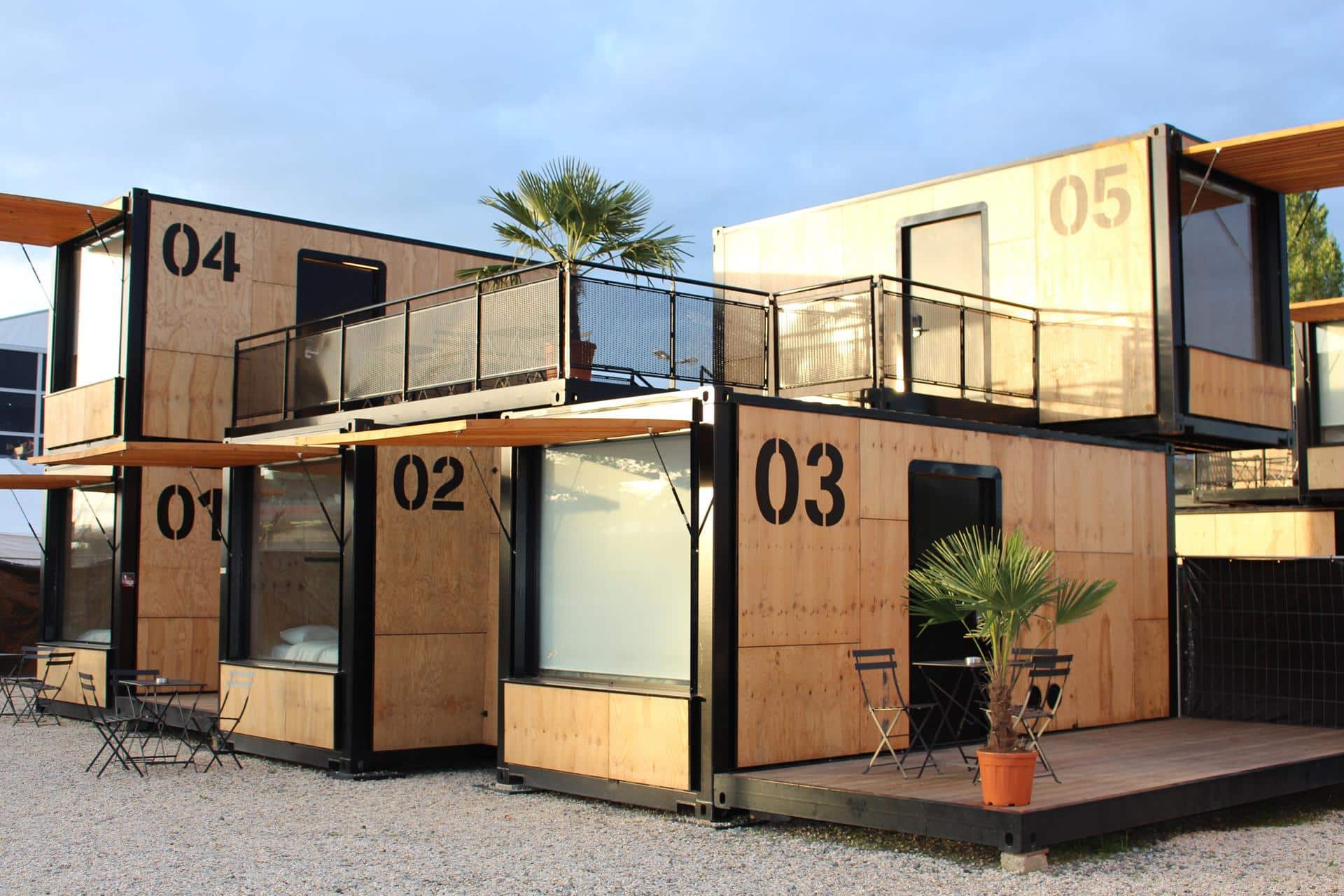
The design emphasizes contemporary comfort within a compact, modular structure. The units are conceived to provide a distinctive experience rather than simply serving as temporary shelters, with an emphasis on design, materials, and the relationship between the accommodation and its surroundings.
For travelers, the appeal is the opportunity to stay close to an event or outdoor experience without sacrificing the comfort of a designed accommodation environment. A festival stay can become a more immersive experience, while a mountain or outdoor destination can offer an alternative to traditional lodges and resorts.
Flying Nest also raises broader questions about the future of hotel development. Could accommodation become more adaptable to seasonal demand? Could modular hospitality reduce the need for permanent construction in some destinations? Could temporary hotel infrastructure support events while leaving a smaller long term footprint?
The concept explores these possibilities through a practical design approach, placing mobility and flexibility at the heart of the hospitality experience.
Where the future of travel begins
The most memorable hotels have always offered something beyond a comfortable bed. They create a sense of discovery, introduce travelers to a new perspective, and provide a setting that becomes part of the story of a trip. The emerging generation of concept hotels takes that idea further, using the guest experience as an opportunity to explore what hospitality might become.
In Berlin, a hotel invites travelers to help shape its rooms. In Charlotte, guests once voted on hotel concepts through interactive feedback systems. In Amsterdam, the traditional hotel room has been redesigned around the realities of modern living and working. In Sweden, architecture becomes an expression of the surrounding forest, while in the Arctic, an entire hotel is created from ice and allowed to return to the river each spring.
Elsewhere, the future is being explored through sustainability, social responsibility, digital convenience, and the possibility of hotel buildings that can move with changing travel demand. These experiments may appear different, but they share a common ambition: to make hospitality more responsive to the people who experience it and the places in which it exists.
For travelers, this creates a new reason to choose a hotel. The property itself can become the destination, offering a glimpse into the ideas shaping the next era of travel. A stay may introduce a new way of living, reveal a remarkable architectural vision, or create an opportunity to engage with a community in a more meaningful way.
The most exciting concept hotels are not simply showcasing innovation. They are allowing travelers to experience it firsthand. And in doing so, they are turning the journey into something more than an escape. They are making it an invitation to imagine what comes next.
