



There is a particular kind of silence that falls when a photograph stops you cold. Not the silence of emptiness, but of recognition, the feeling that someone, somewhere, saw something true and had the presence of mind to capture it. That is the quiet ambition behind the Hasselblad Masters, and this year, it has drawn more voices into its orbit than ever before.
Hasselblad has announced the 70 finalists of the Hasselblad Masters 2026, selected from more than 108,000 images submitted by photographers across more than 160 countries and territories. The numbers are staggering, but the selection is intimate: ten finalists in each of seven categories, each image chosen for its creativity, conceptual strength, and capacity to offer something genuinely fresh to the eye.
A Camera That Changed How the World Sees Itself
To understand why the Hasselblad Masters carries the weight it does, it helps to understand what Hasselblad has meant to photography since its founding in Gothenburg, Sweden in 1941. The company did not simply manufacture cameras. It built instruments of precision so refined, so architecturally considered in their design, that they became extensions of the photographic mind itself. When NASA needed a camera reliable enough to document the surface of the moon during the Apollo missions, they chose Hasselblad. The images that came back, of a grey and ancient stillness, of Earth suspended in darkness, were made with a Swedish medium format camera whose legacy continues to shape the profession today.
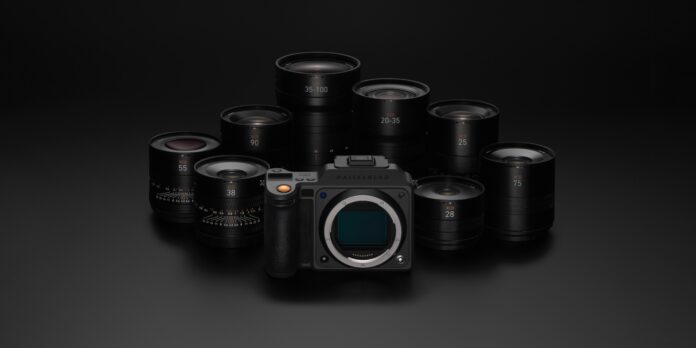
That heritage lives on in the Hasselblad X2D II 100C, the camera awarded to each of this year’s seven category winners. It is a medium format camera of extraordinary resolution, built around a 100 megapixel back-illuminated sensor that renders color, texture, and tonal gradation with a depth that photographers describe less as a technical achievement and more as a quality of light captured rather than approximated. The X2D II 100C is the kind of camera that changes how a photographer thinks about what is possible, not because it does the seeing for them, but because it removes every barrier between intention and image. In a field where the instrument and the vision are inseparable, it is, for many, the highest expression of the craft.
That a competition bearing the Hasselblad name should attract more than 108,000 submissions from over 160 countries and territories is not surprising. What is remarkable is the breadth of vision those submissions represent: photographers working in mountain light and city shadow, in wildlife reserves and architecture studios, in the intimate territory of portraiture and the boundless open space of landscape. The Hasselblad Masters has, since its founding in 2001, served as a mirror held up to the full spectrum of what photography is becoming.
Who Is Watching, and Who Decides
The competition unfolds across seven categories: Landscape, Portrait, Street, Architecture, Art, Wildlife, and Project // 21. From the tens of thousands of entries received between December 16, 2025 and February 28, 2026, seventy finalists have been selected, ten in each category. One per category will be named a Hasselblad Master.
The judging unfolds in two registers. From April 28 through June 1, the global photography community is invited to cast votes for their preferred finalists in each category, lending the process a democratic pulse that feels appropriate for a competition of this reach. Alongside that public conversation, the Hasselblad Masters 2026 Grand Jury, a body of individuals who have collectively shaped how the world understands and circulates photographic work, will deliberate in parallel, bringing to the process a depth of institutional knowledge that few competitions can assemble.
Jury Chair Kalle Sanner, Executive Director at the Hasselblad Foundation, leads a group that reads like a map of the most influential institutions in contemporary photography: Alex Pollack, Director of Photography at National Geographic; Aya Musa, Senior Curator at Foam; Paul Lachenauer, Managing Photographer at The Metropolitan Museum of Art; Rebecca Swift, Senior Vice President of Creative at Getty Images; RongRong, Co-founder and Artistic Director at The Three Shadows Photography Art Centre; Sonia Jeunet, Global Education Director at Magnum Photos; and Zack Hatfield, Managing Editor at Aperture Magazine. Together, they represent a collective sensibility forged across galleries and editorial rooms, auction houses and darkrooms, spanning continents and decades of engagement with the image.
The seven category winners will be announced on June 30, 2026. Each will receive a Hasselblad X2D II 100C camera, two XCD lenses of their choice, a cash prize of €5,000, and the title of Hasselblad Master. Their work will be featured in the Hasselblad Masters book and shared across the brand’s global channels, reaching an audience as wide and varied as the world these photographers have spent their lives learning to read.
What the Finalists Are Saying
Each of the seven categories carries its own emotional grammar, its own set of questions about what photography can and cannot hold.
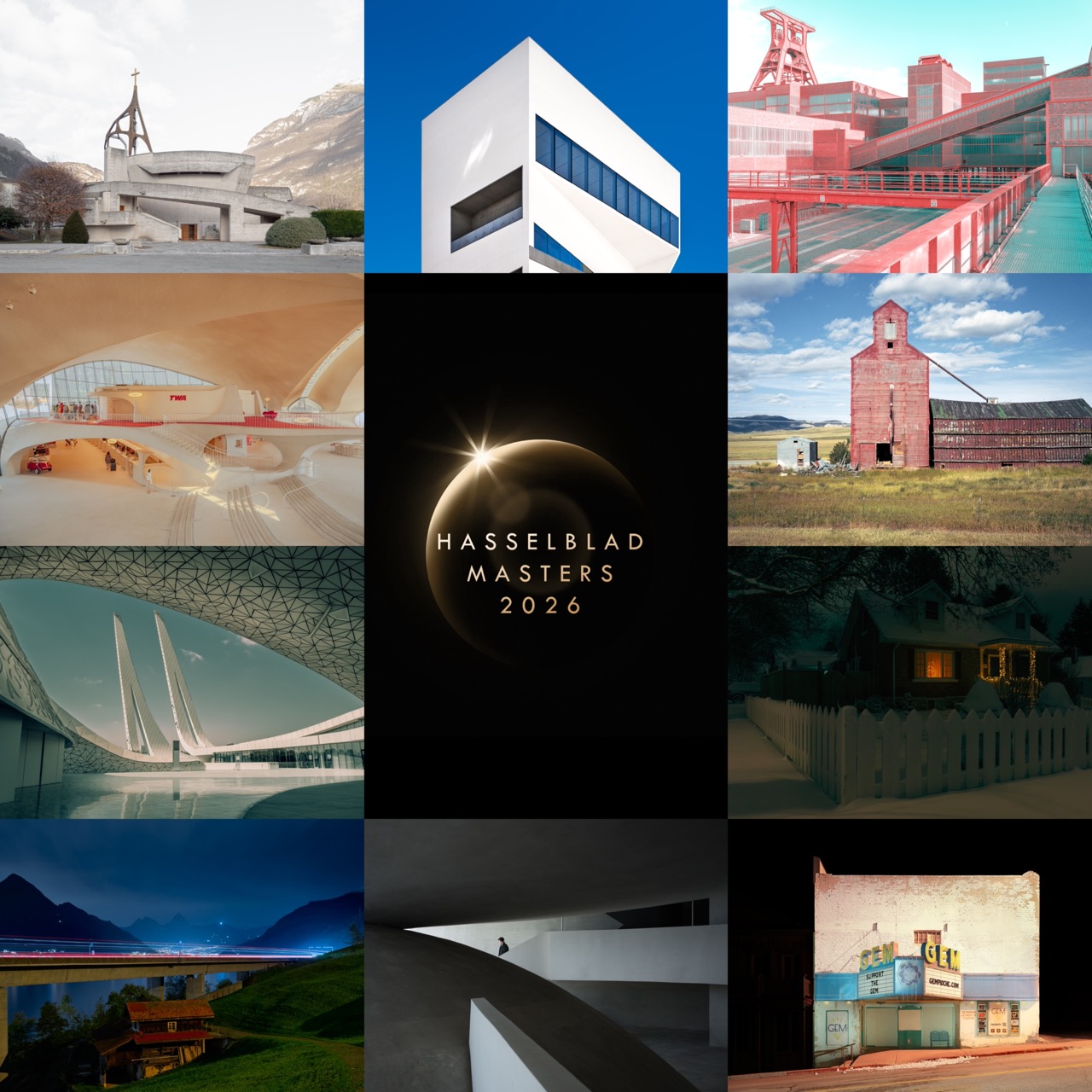
The Architecture finalists look at buildings and find something other than buildings. Light moves across concrete. A stairwell becomes a meditation on time. These images ask what it means to inhabit a structure, to carry its cultural memory in the body, to recognize the human trace embedded in stone and steel and glass. Architecture photography, at its most considered, does not document the built world so much as interrogate it, and these finalists do exactly that, offering perspectives that feel less like records and more like arguments about how space shapes the people who move through it.
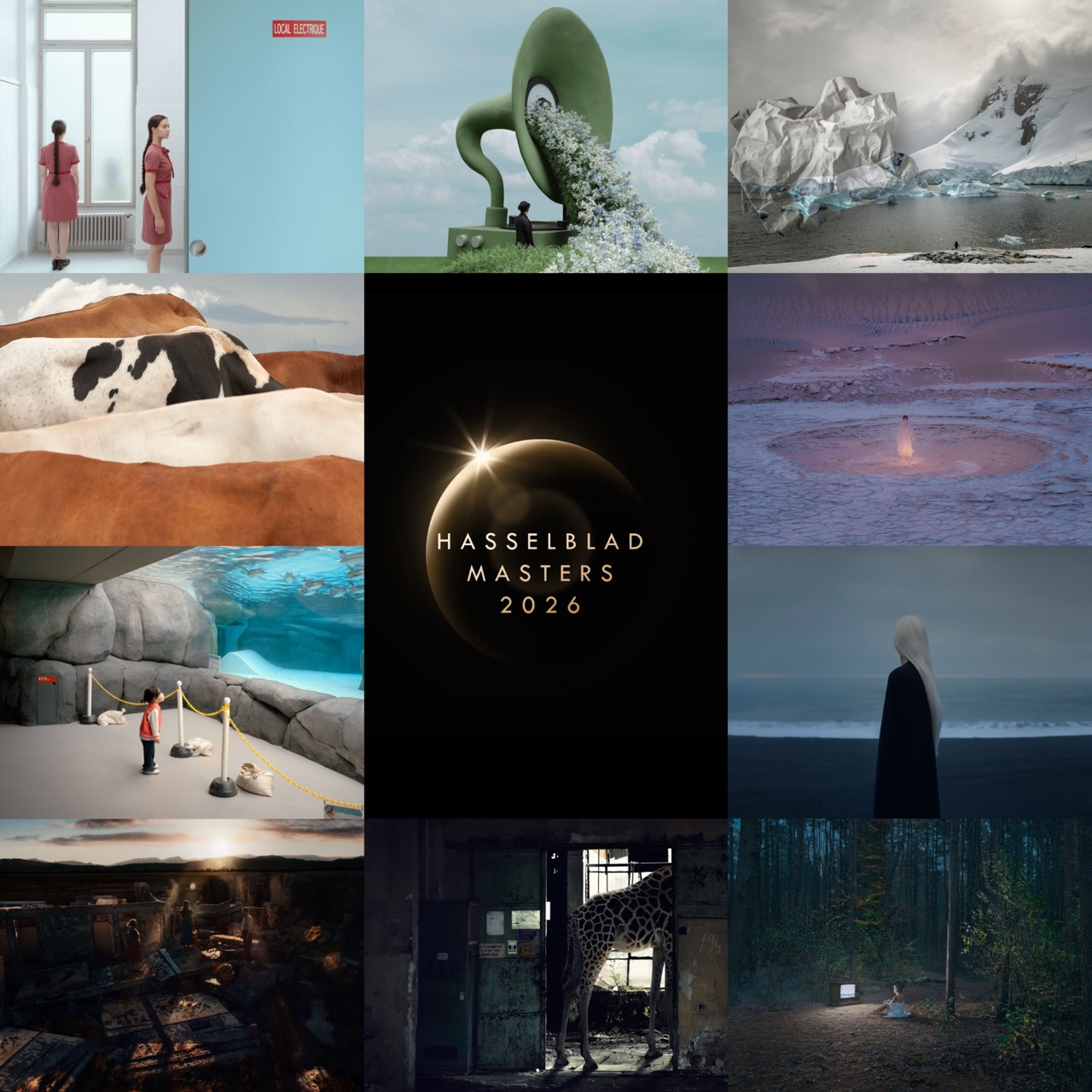
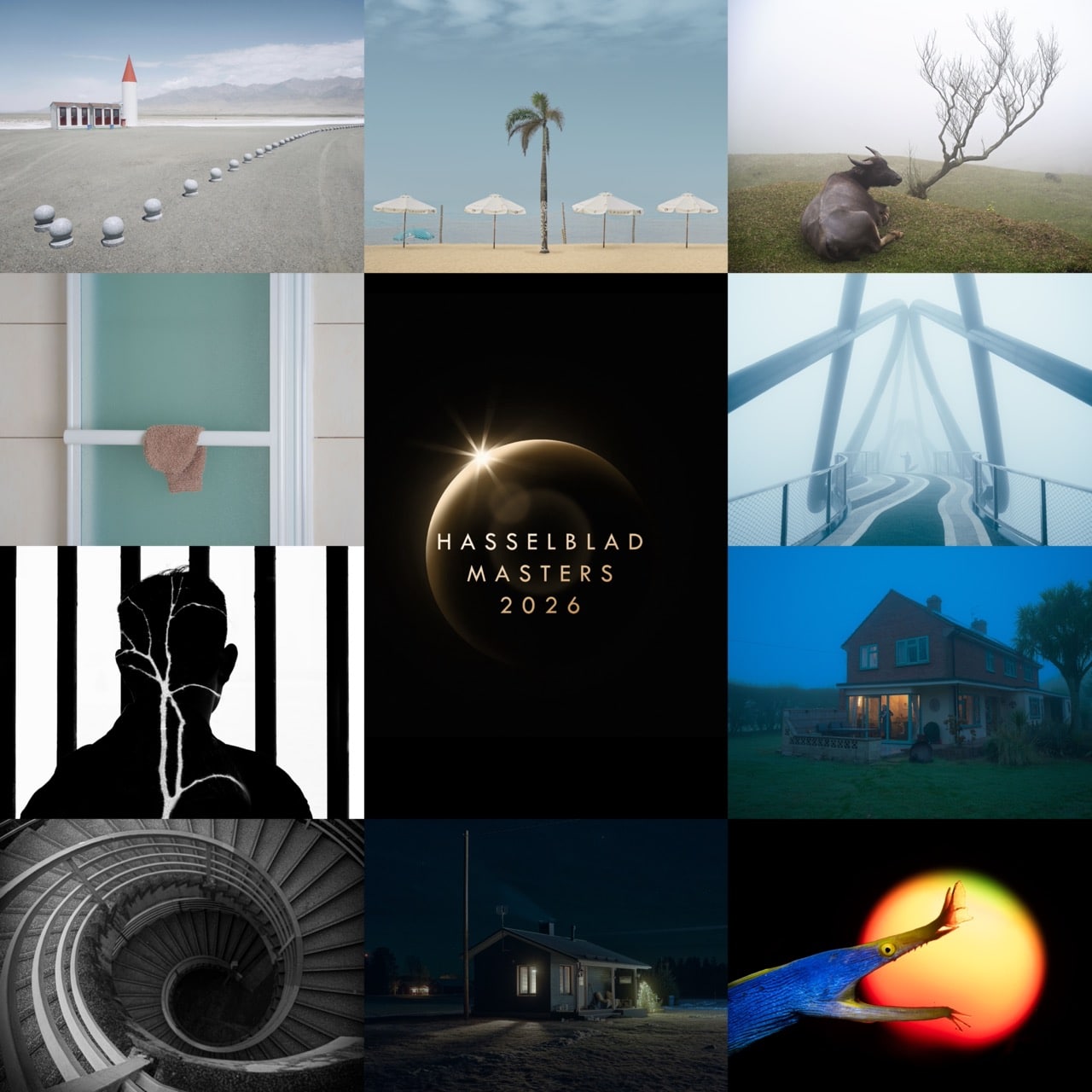
The Art finalists arrive from a different direction entirely, one driven by imagination rather than observation. Here, reality is a starting point at best. These works are constructed, symbolic, and deeply personal, born from individual conviction and shaped into a visual language that resists easy interpretation and rewards sustained attention. They are photographs that ask to be sat with, returned to, reconsidered. In a category defined by the absence of constraints, what emerges is a portrait of the photographic imagination at its most unguarded.
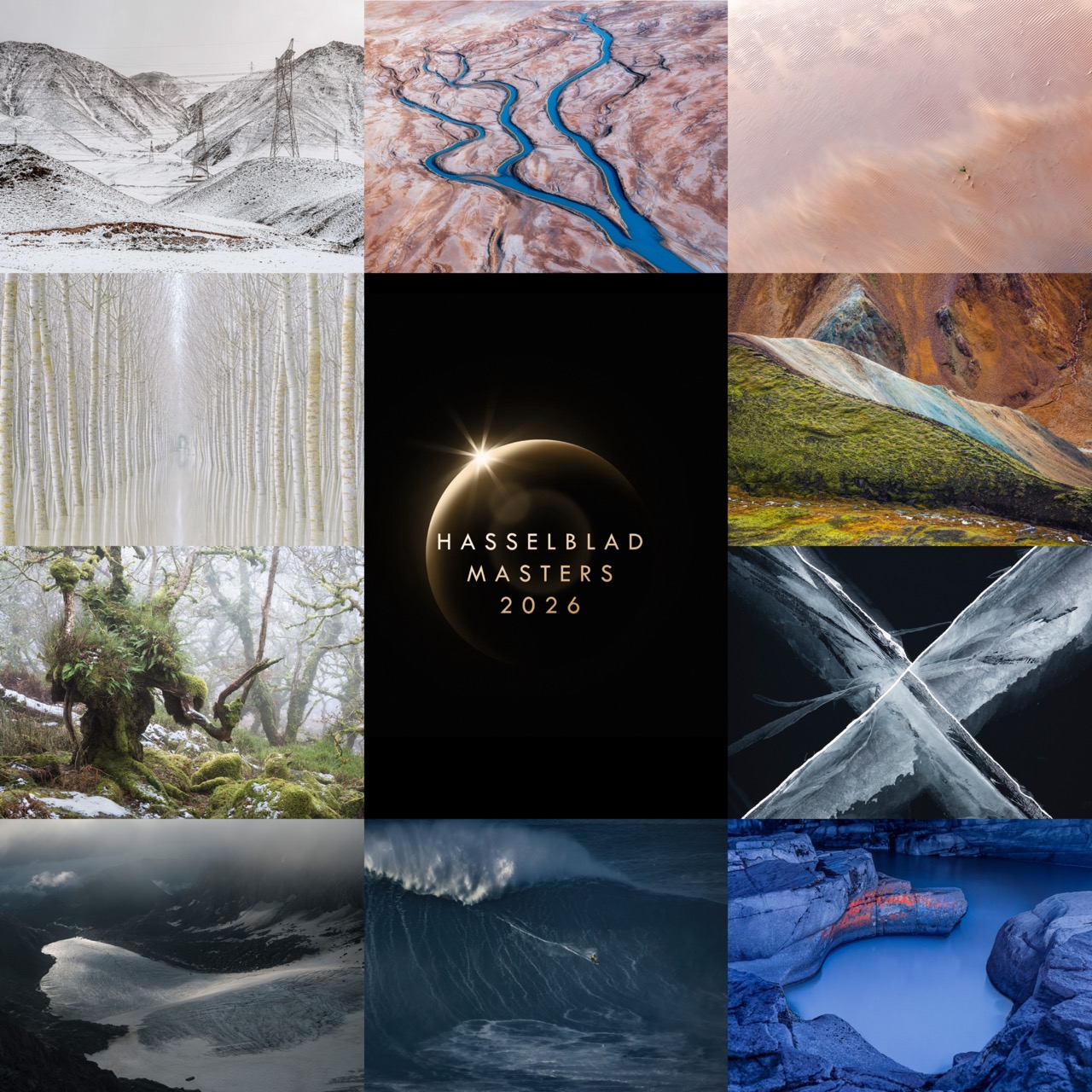
The Landscape finalists do what the best landscape work always does: they make the familiar strange and the distant intimate. These are not postcards. They are records of a relationship between the human eye and a natural world in constant, often unsettling transformation. Scale is present, but so is emotion. There is a quality of presence in these images, a sense that the photographer stood somewhere and felt something and found a way to transmit that feeling across time and distance to a viewer who may never stand in that same place.
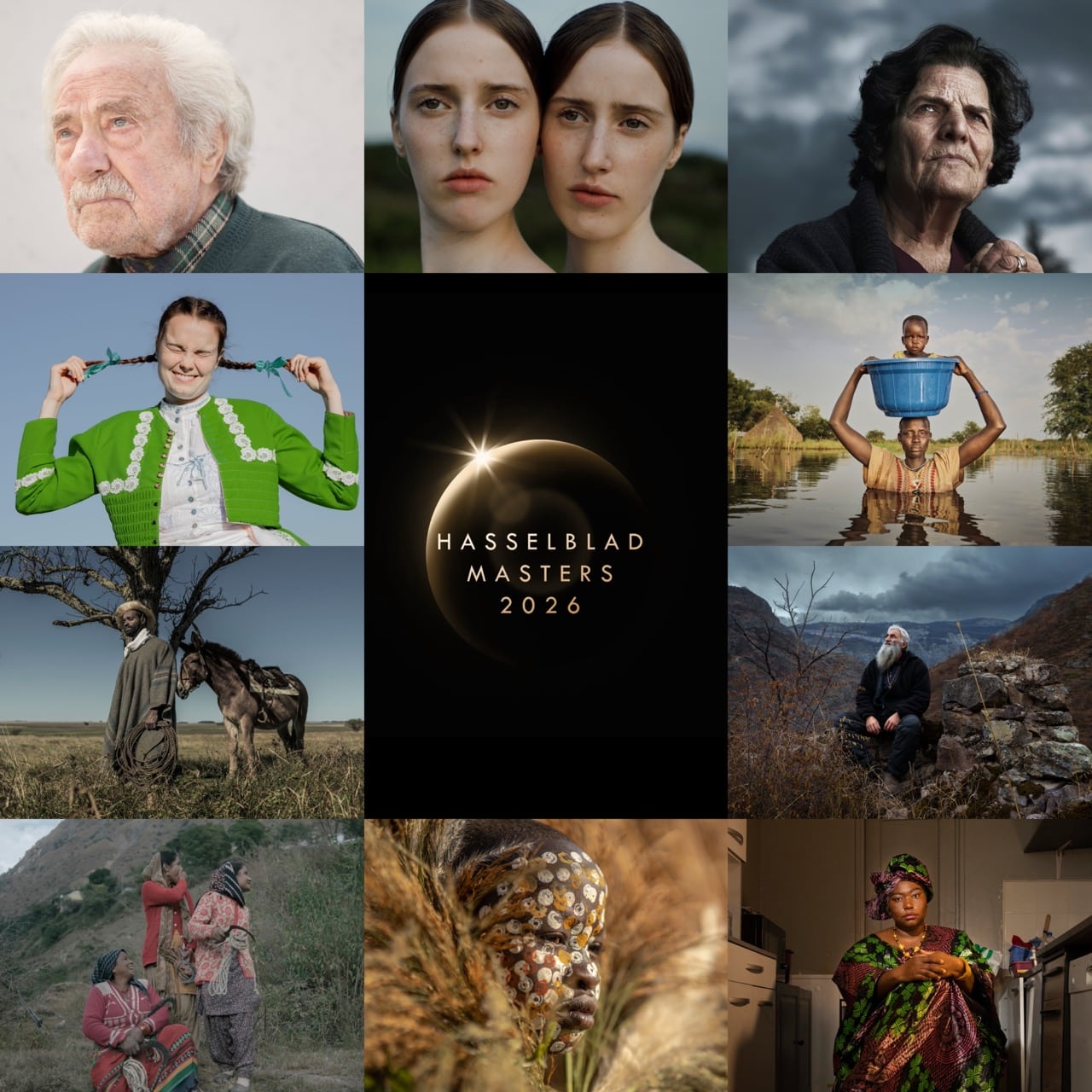
The Portrait finalists move beneath the surface of a face. Identity, heritage, resilience, the particular texture of a life lived in a specific place and time, all of it surfaces in these images with precision and quiet force. The photographers here have earned the trust of their subjects, and it shows. These are not images of people so much as images with people, made in collaboration with the inner worlds of individuals who agreed, for a moment, to be seen.
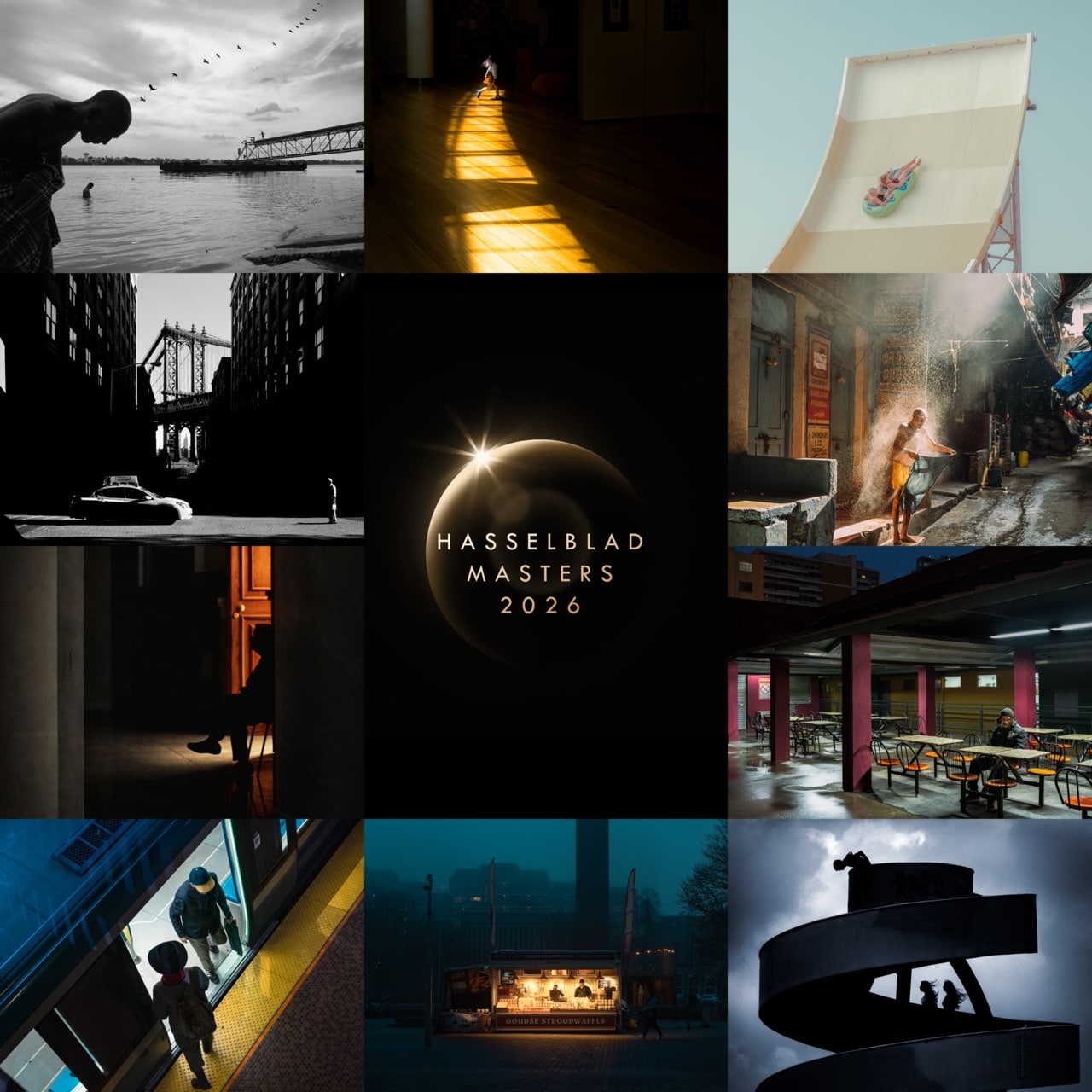
The Street finalists understand that a city is never still. These images catch the urban world mid-breath: a gesture, a shadow, a moment of unexpected symmetry between a person and the place that contains them. They document, yes, but more than that, they interpret. They ask what it means to be a body moving through a city, subject to its moods and its architecture and the accumulated presence of everyone else who has ever walked the same street.
The Project // 21 finalists are 21 years old or younger, and their work carries the particular energy of a gaze not yet tempered by habit or convention. No restrictions of theme or genre apply here. What emerges is instinctive, searching, and at times startlingly assured, photographs from photographers still in the act of discovering what photography can do. There is something quietly thrilling about work made from that position, before the rules have fully settled, when seeing is still genuinely surprising.
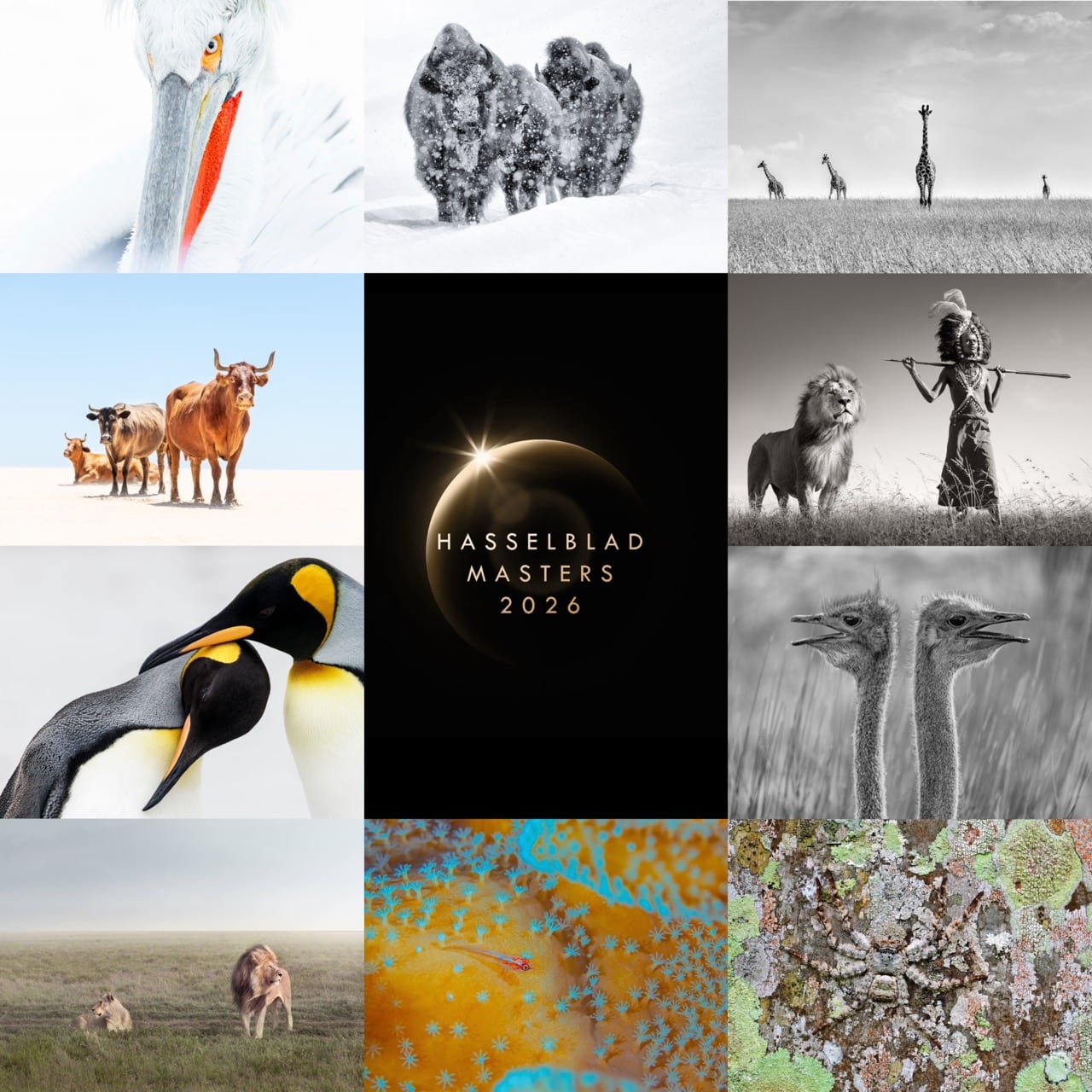
The Wildlife finalists remind viewers that the natural world operates according to its own rhythms, its own interior logic, its own forms of tenderness and struggle that have nothing to do with the human story and everything to do with it. These images are patient in the way that only long hours of observation can produce. They ask for patience in return, and they reward it with moments of connection that feel, at their best, like genuine intimacy across an enormous distance of species and experience.
The entry period ran from December 16, 2025 through February 28, 2026. Finalists were announced and public voting opened on April 28, 2026. The seven category winners will be announced on June 30, 2026.
Vote Here: https://hasselblad.com/inspiration/masters/2026/vote/