


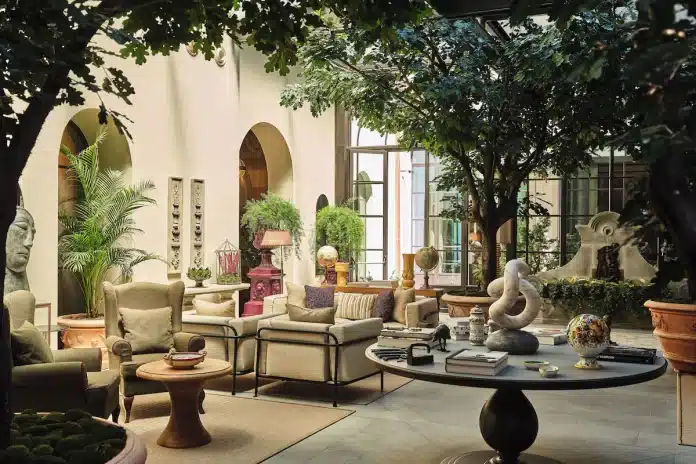

There is a particular feeling that the world’s most perceptive travelers have begun to seek — not the sensation of arrival, with its crisply folded turndown chocolates and concierge pamphlets fanned across a desk, but the quieter, more elusive feeling of belonging. Of being, in some genuine sense, at home.
This shift has been building for years, but it has now reached a point of no return. Across luxury hospitality, the most coveted properties no longer compete on spectacle. They compete on intimacy. The race is not to the most gilded lobby or the most famous chef — it is to the most deeply livable space, where rooms feel curated rather than constructed, where service anticipates rather than performs, and where the very architecture seems to say: settle in.
What has emerged is a new typology entirely: the residential hotel. Not a serviced apartment — something far more considered. A space where hotel precision meets domestic warmth. Where you might find yourself lingering over breakfast not because the dining room is grand, but because it somehow feels exactly like your own kitchen on a slow Sunday morning, only better.
Fourteen Stays That Redefine Belonging
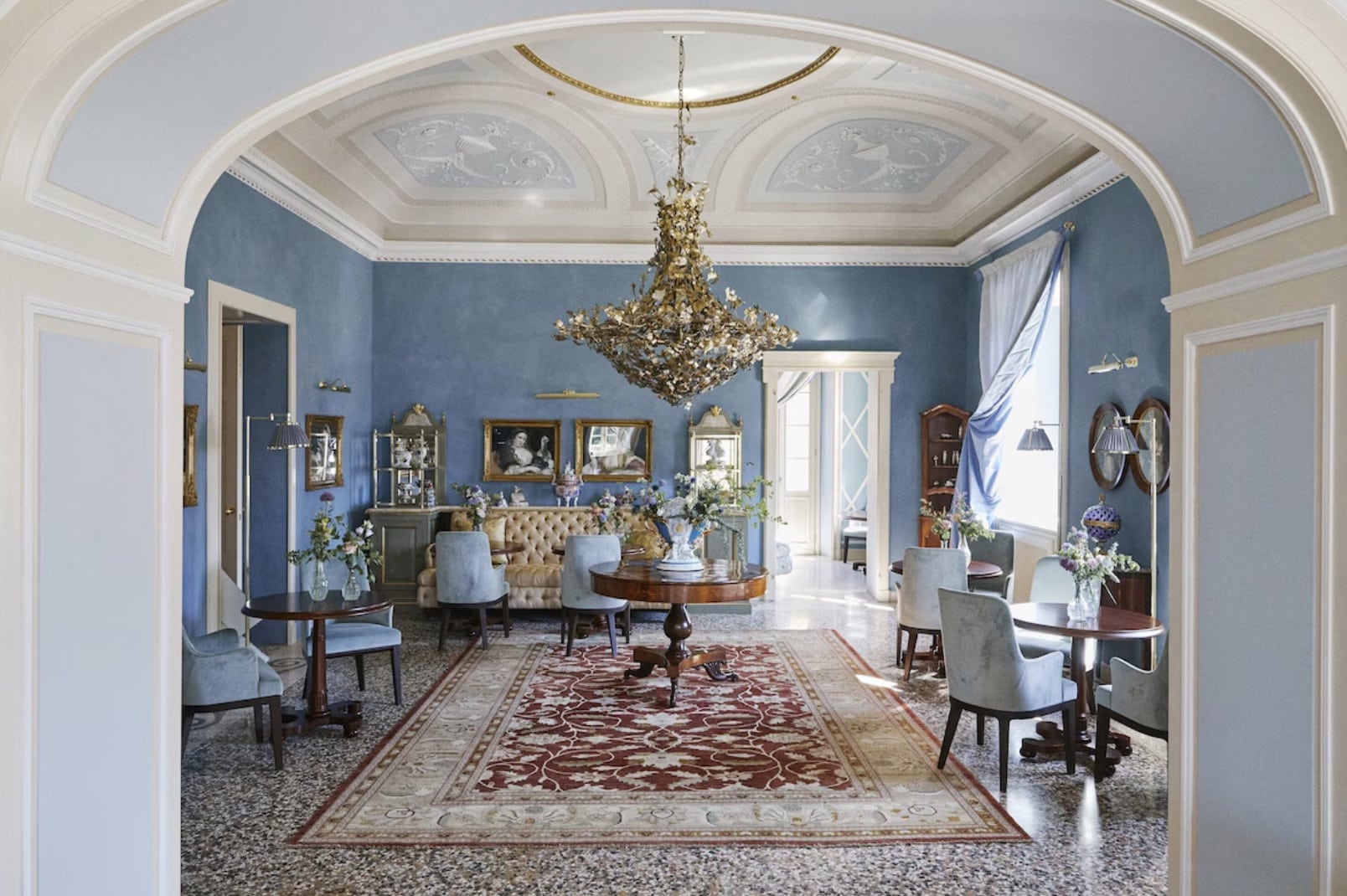
Passalacqua – Lake Como, Italy
An 18th-century villa on the Moltrasio hillside, once home to composer Vincenzo Bellini, Passalacqua operates with just 24 keys. Frescoed ceilings, Murano chandeliers, and French windows opening onto the lake give each suite the unhurried quality of a private palazzo borrowed from impossibly stylish friends. Dining here — a riot of fresh pastries, local cheese, morning sun on the water — feels like being folded into an Italian family. Named Best Hotel in Europe and Best Boutique Hotel in the World’s 50 Best Hotels 2025.
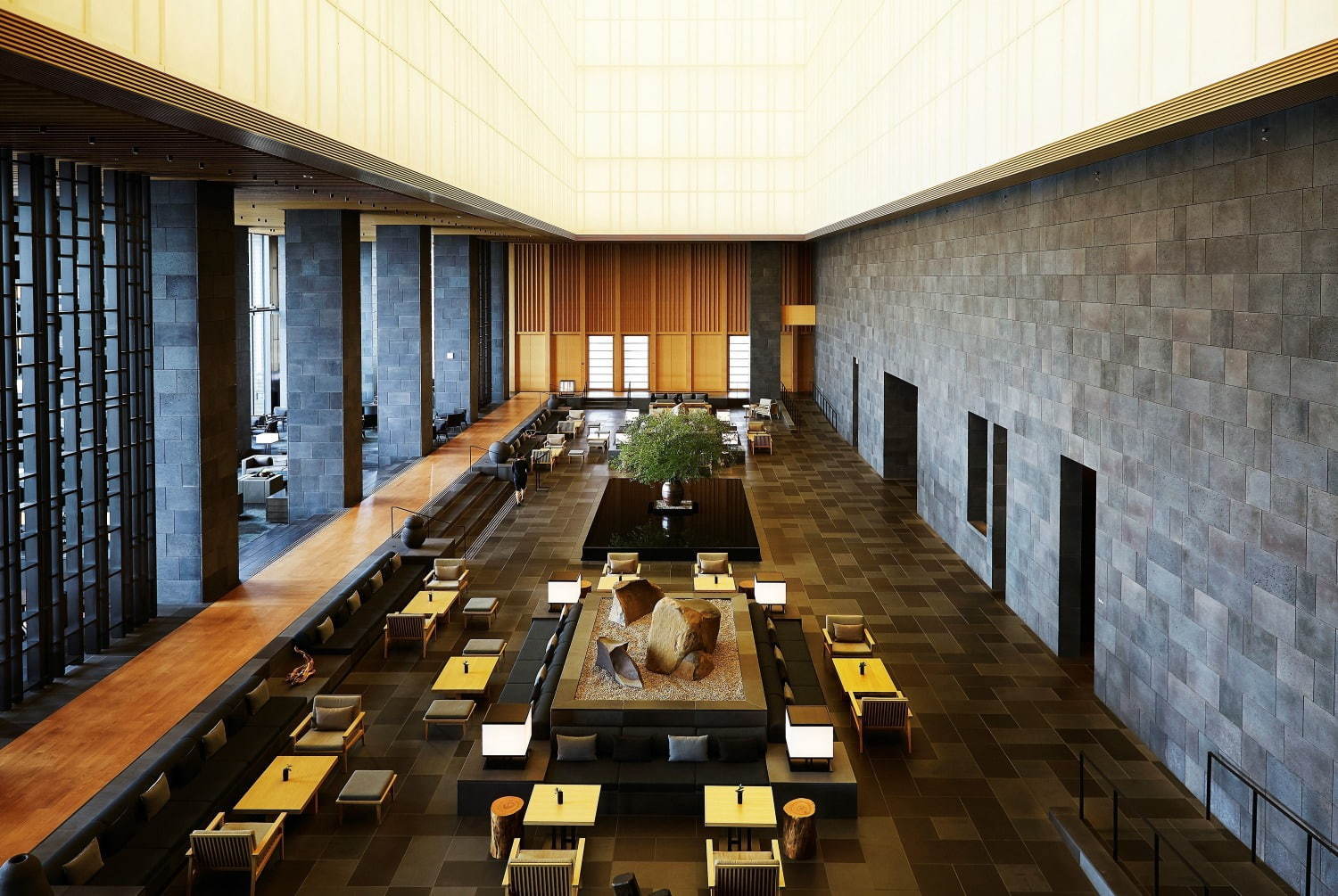
Aman Tokyo – Otemachi, Japan
Aman’s first urban outpost occupies the top six floors of Otemachi Tower, yet its rooms feel more like a deluxe private residence than any guest room should. Washi paper screens, tatami-inspired platforms, cypress wood, and deep furo soaking tubs channel traditional Japanese domestic architecture. On clear days, Mount Fuji appears as living art. The transition from the chaos of Tokyo to the serenity of the lobby — with its cathedral ceiling of hand-crafted white paper — is, by all accounts, instantaneous.
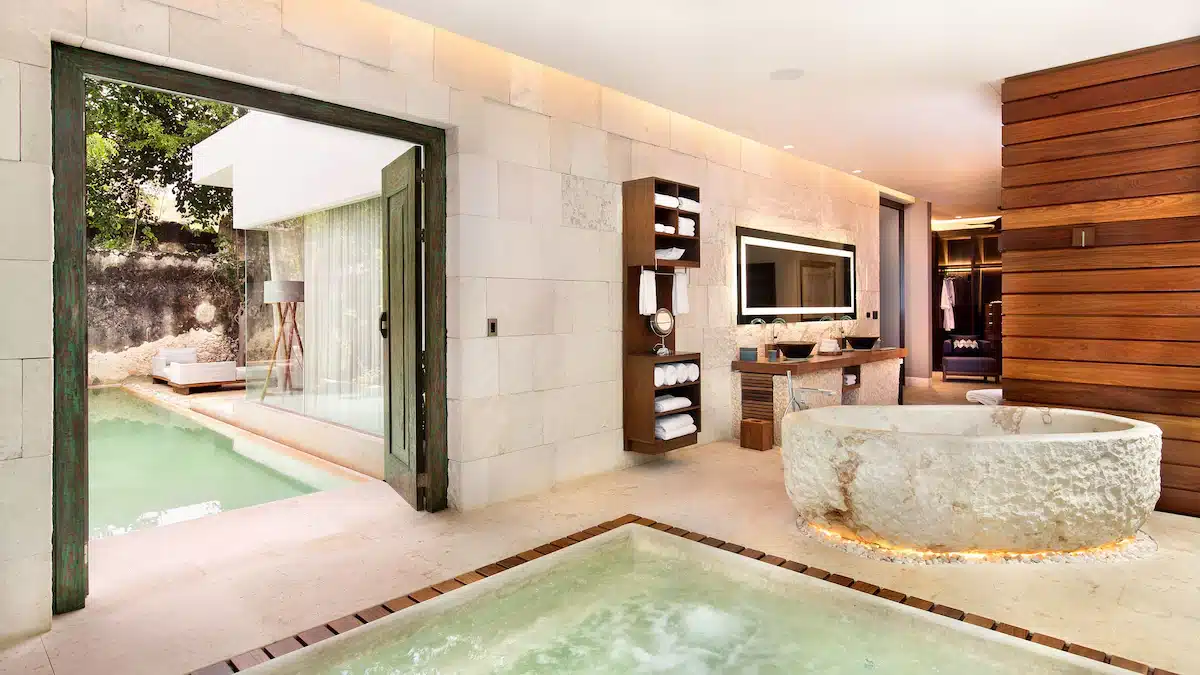
Chablé Yucatán – Chocholá, Mexico
Set on a restored 19th-century hacienda deep in the Mayan jungle, Chablé grounds its idea of home in the land itself. Private casitas open directly onto tropical forest; cenote pools fed by natural springs sit in the clearing beyond. Wellness at Chablé is not curated — it is rooted, inseparable from the cenotes, the silence, and the slow rhythm of the estate. Named Best Hotel in North America in the World’s 50 Best Hotels 2025.
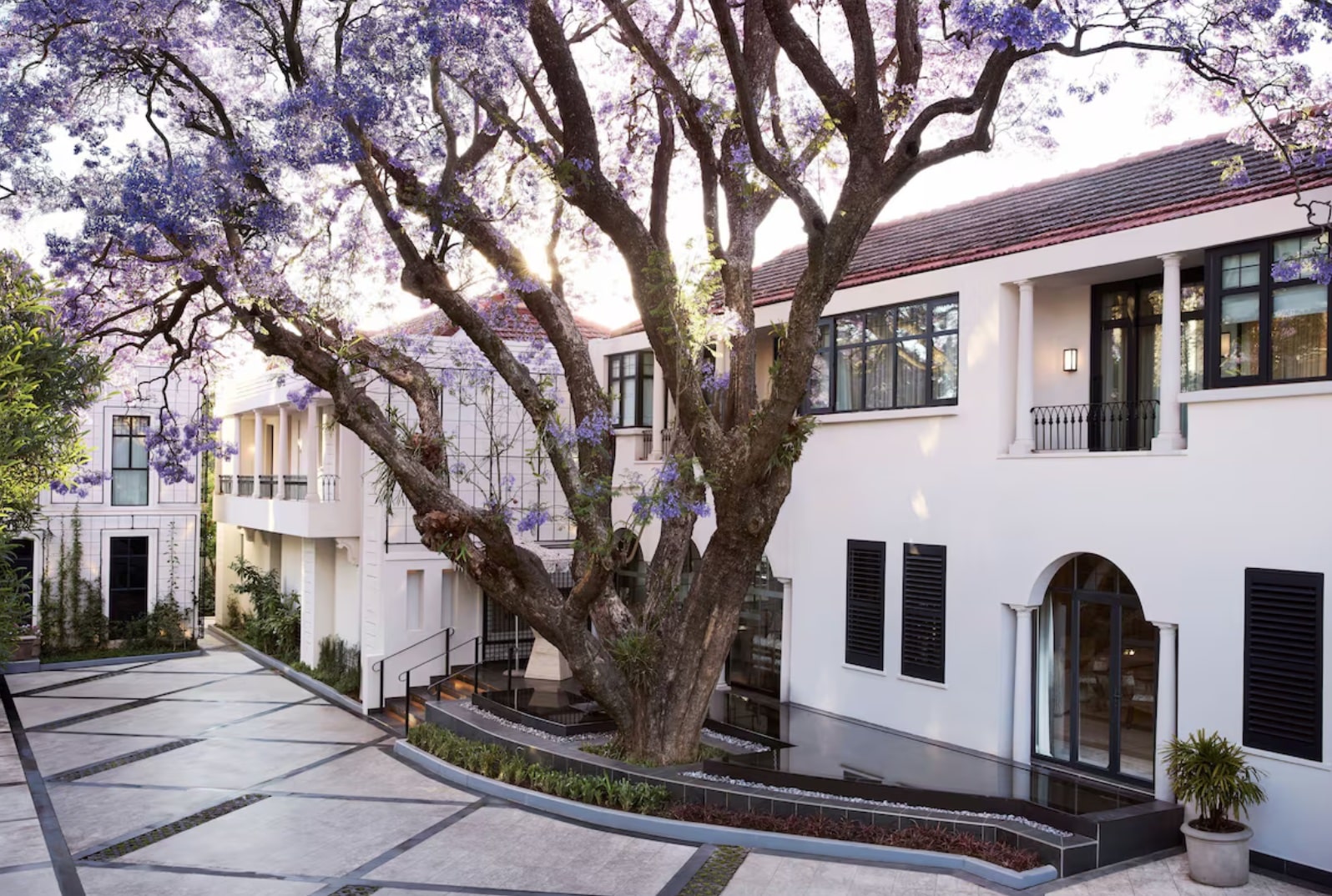
Park Hyatt Johannesburg – Rosebank, South Africa
A small-key luxury property in every sense — 31 rooms and suites, floor-to-ceiling windows, serene garden views, and a calm material palette that keeps the focus on light and space. Public areas are intentionally intimate: lounges and dining rooms that prioritize quiet conversation over scene-making. Several accommodations include private terraces. Service follows Park Hyatt’s understated philosophy: attentive, discreet, and paced to the guest rather than the schedule.
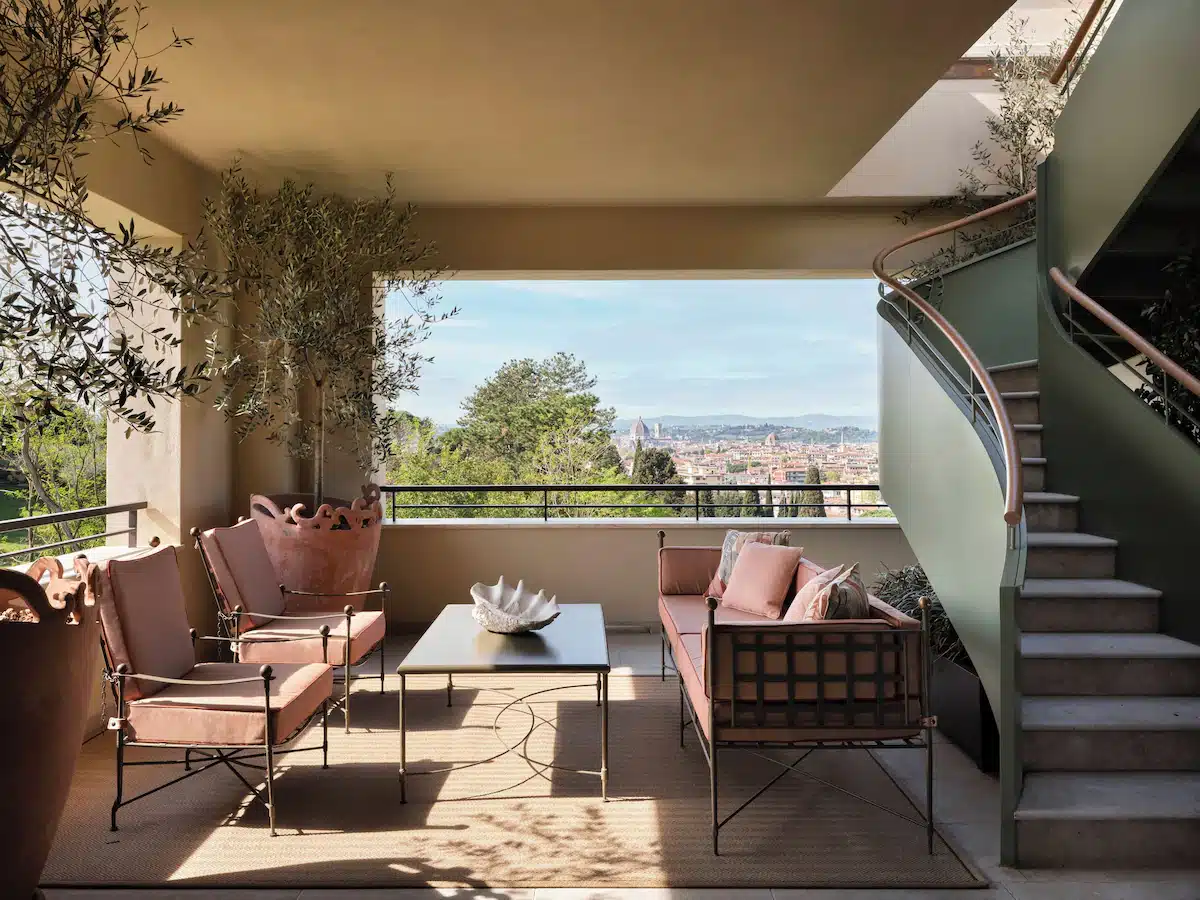
Collegio alla Querce – Florence, Italy
Set within a former convent on the hills above the Duomo, this Auberge Resorts Collection property delivers what Florence’s more touristic luxury hotels rarely manage: residential calm. Warm stone, artisanal finishes, and a serious wine program anchor daily life. An on-site chapel and theater — genuine heritage, not pastiche — give the property the character of a place that has been lived in for centuries. The golden-hour skyline view over the city makes every evening feel like a private discovery.
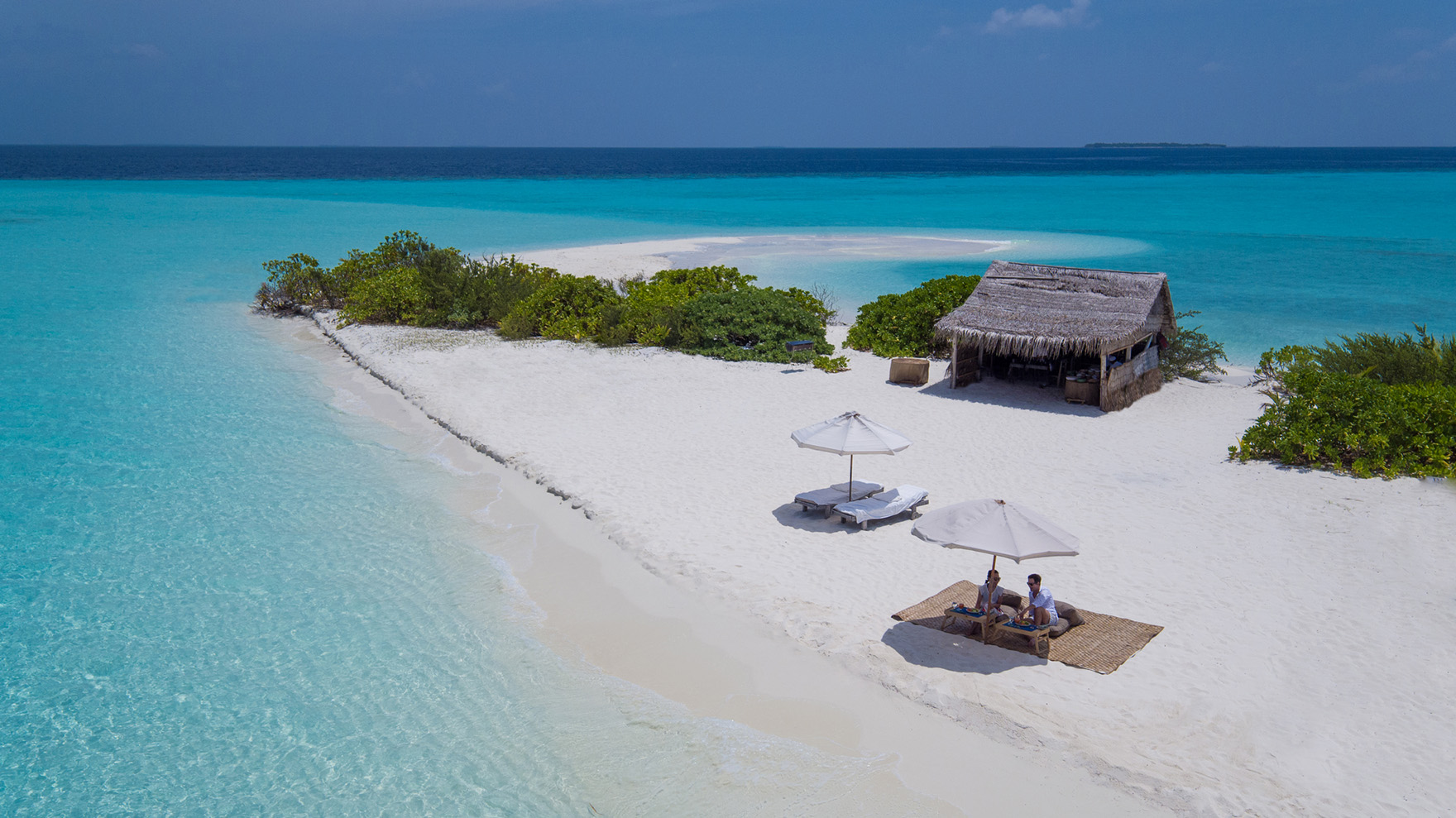
Soneva Fushi – Baa Atoll, Maldives
Guests arrive, remove their shoes, and rarely put them back on until departure. Sandy paths wind through thick jungle; the soundtrack is birds, waves, and bicycle bells. The villas — enormous, whimsical hideaways tucked into foliage or poised above the lagoon — include multiple bedrooms, open-air bathrooms, outdoor showers, and viewing decks. Some have waterslides into the Indian Ocean. This is barefoot luxury at its most committed: a way of living, not merely a way of staying.
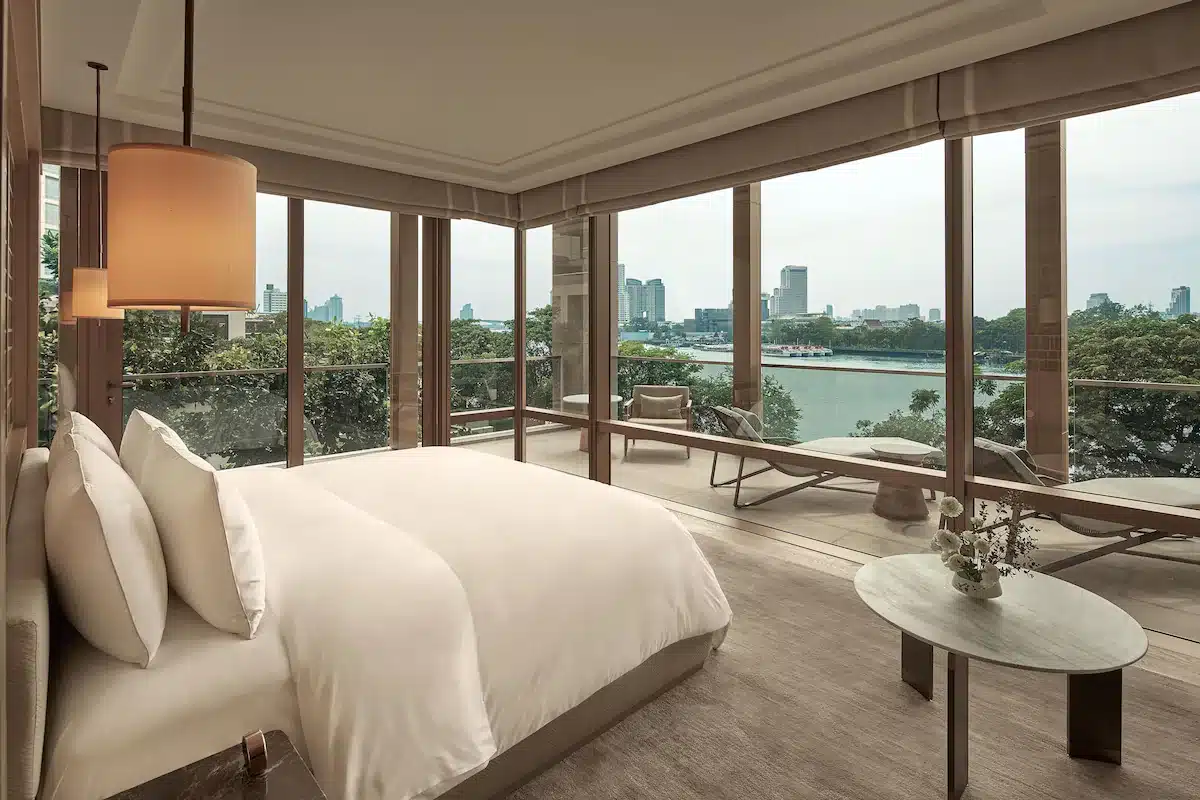
Capella Bangkok – Chao Phraya River, Thailand
A low-rise riverside sanctuary with just 101 suites and villas, each angled toward the Chao Phraya. Floor-to-ceiling windows, private verandas, soft silks, and bespoke furniture give the rooms a cocooning, residential quality. Several riverside villas offer plunge pools hidden behind lush foliage. Capella’s team of “Culturists” — in-house insiders who design wholly tailored experiences — are the property’s quiet genius: hidden-shophouse food crawls, private long-tail canal explorations, temple visits at the quietest hours.
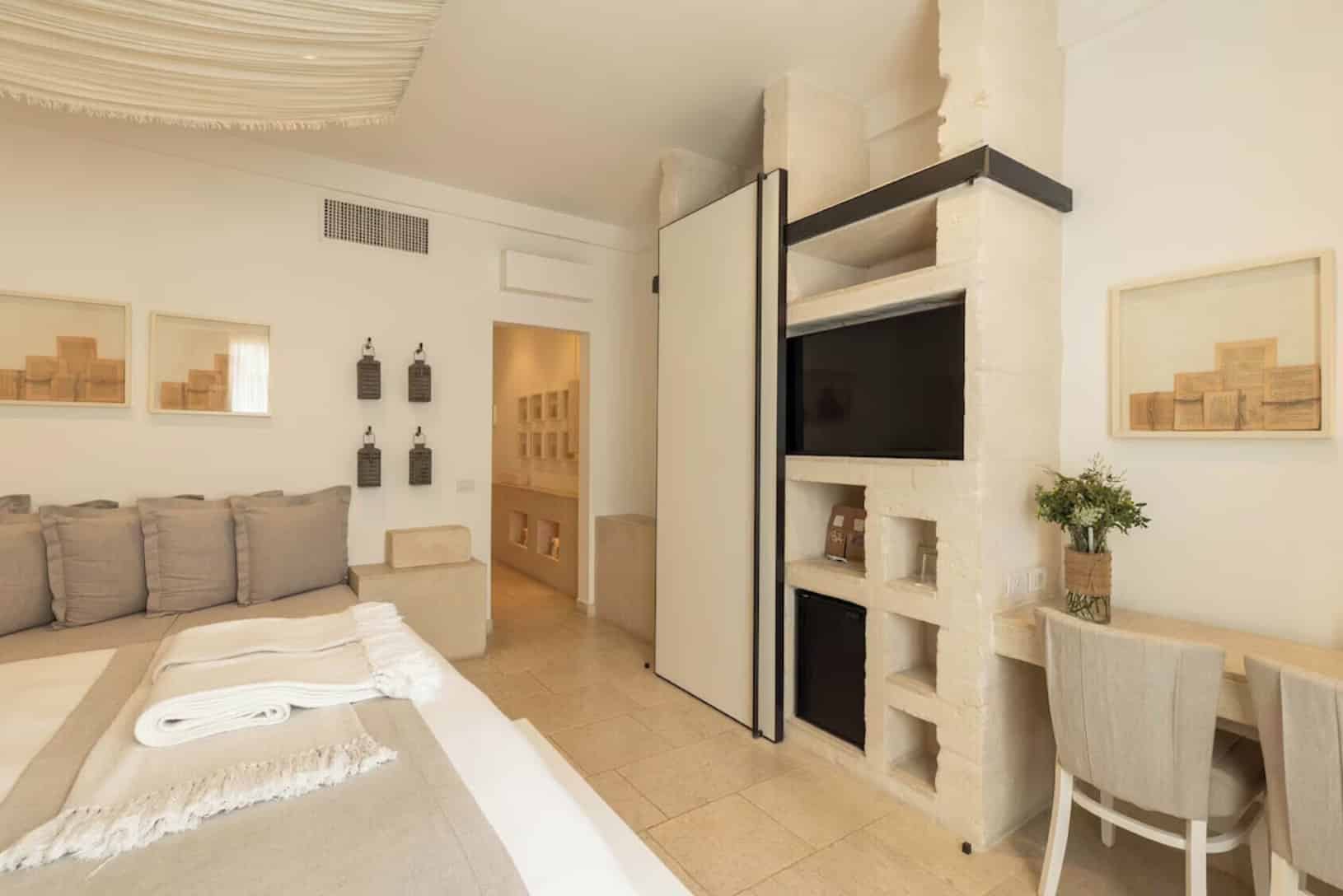
Borgo Egnazia – Savelletri, Puglia, Italy
Built from scratch to resemble a cluster of ancient Apulian hamlets — complete with a bell-towered church, central piazza, and village fortifications — Borgo Egnazia is one of Italy’s most quietly radical hospitality ideas. It does not merely evoke a village; it is one. Stone cottages called Casette, 28 private villas, and lavender-scented suites in the main building offer a range of domestic scales. The Roman-inspired thermal baths and al fresco restaurants feel less like amenities and more like the natural rhythms of a place people actually inhabit.
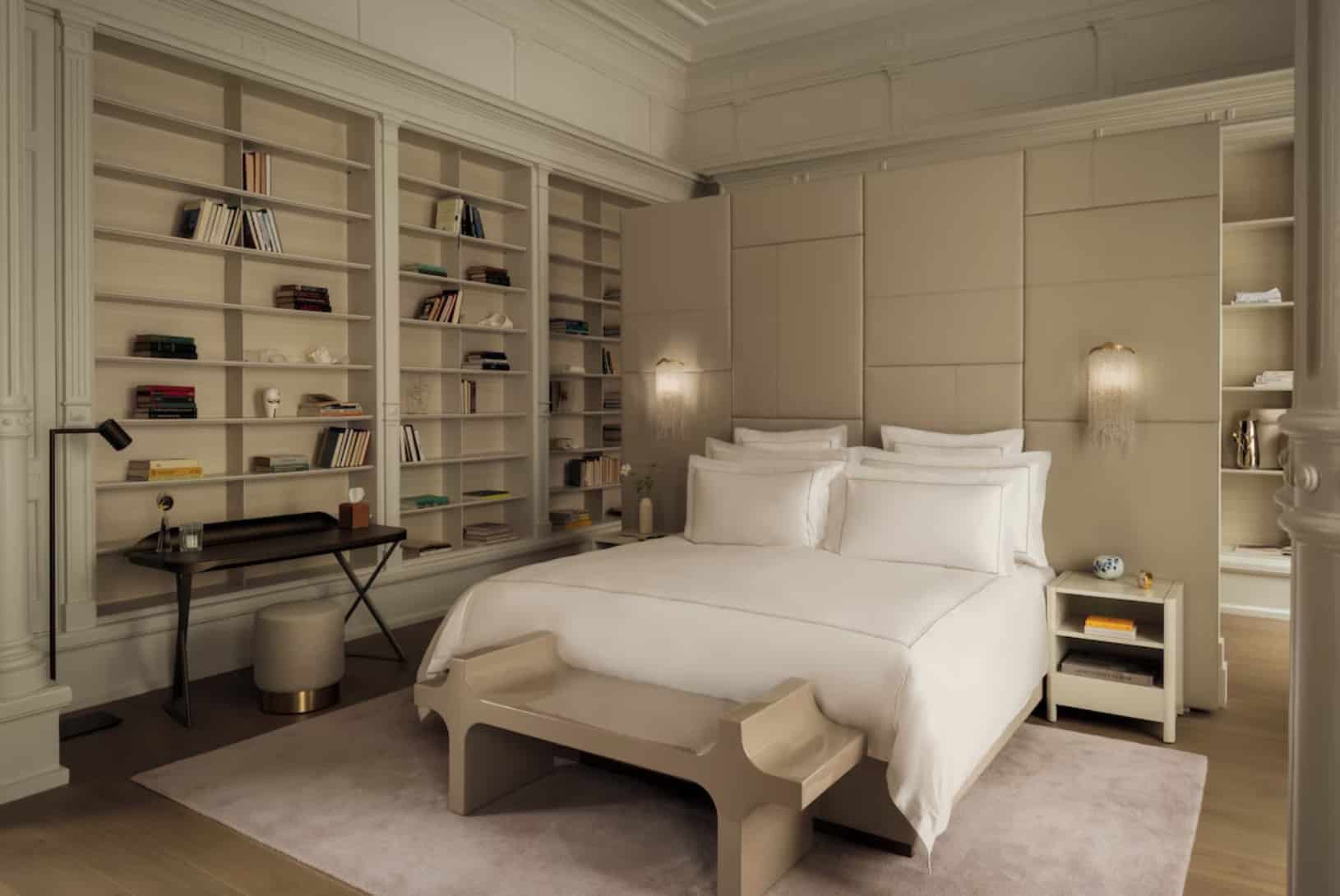
Rosewood Amsterdam – Amsterdam, Netherlands
Housed in a former Palace of Justice on the Kloveniersburgwal canal, this 134-room property is designed to feel residential and deeply rooted in Dutch heritage rather than overtly grand. Interiors combine warm textures, bespoke art commissions, and subtle nods to Amsterdam’s mercantile past — the effect is of spaces that feel collected and lived-in over time, not assembled for a hotel opening. Inner courtyards provide rare moments of stillness within the historic center, and seasonal Dutch ingredients anchor the dining program firmly in place.
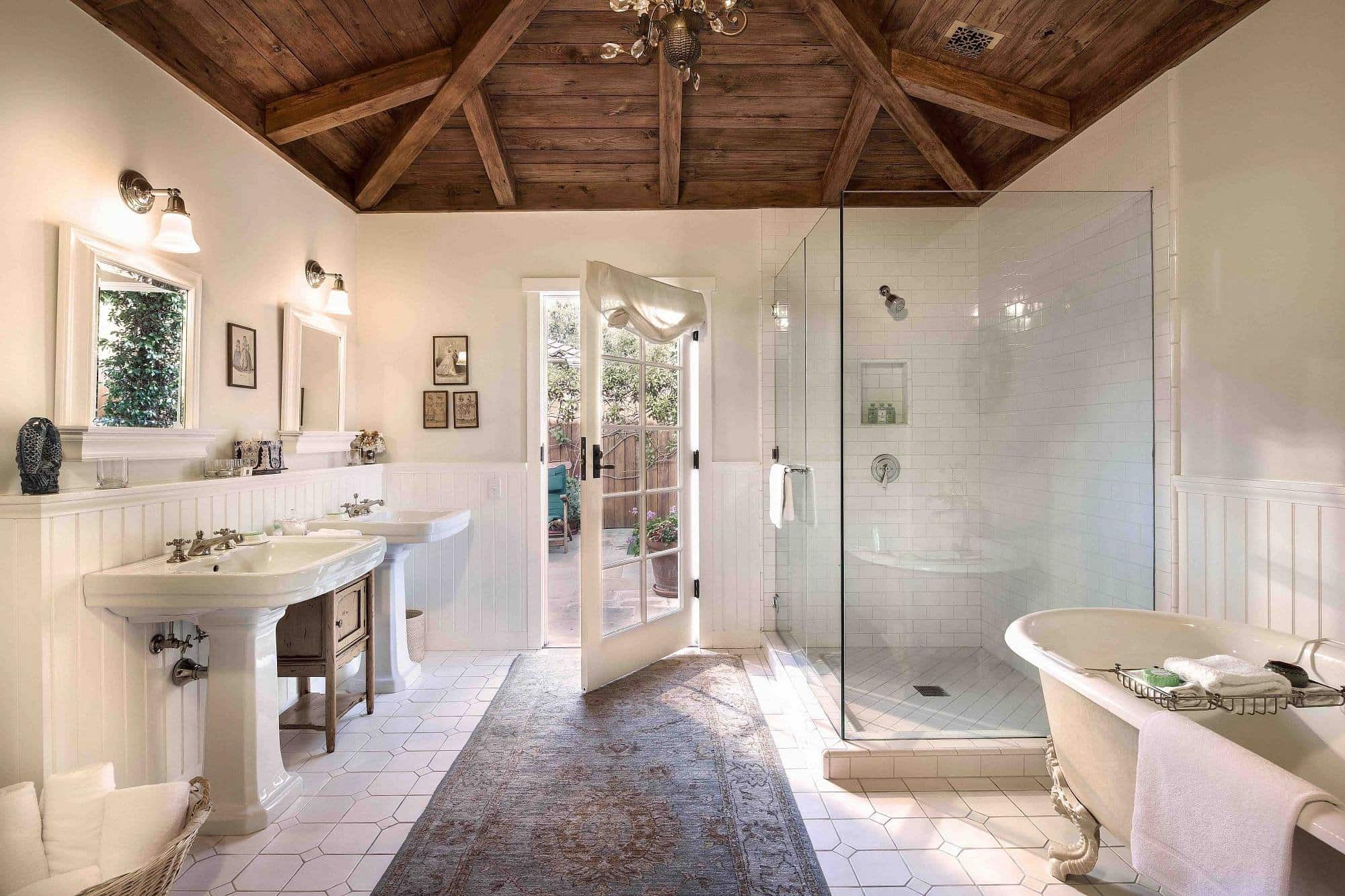
San Ysidro Ranch – Santa Barbara, California
Sequestered in the leafy foothills above Santa Barbara, San Ysidro’s 38 vine-covered cottages sit under a canopy of sycamores, citrus groves, and olive trees — each one feeling less like a hotel room than a private mountain cabin assigned to you by someone who knew exactly what you needed. Many come with outdoor rain showers, fireplaces, and private hot tubs. John F. Kennedy honeymooned here. Laurence Olivier and Vivien Leigh reportedly exchanged vows on the grounds at midnight. History has a way of accumulating in places that feel genuinely lived-in.
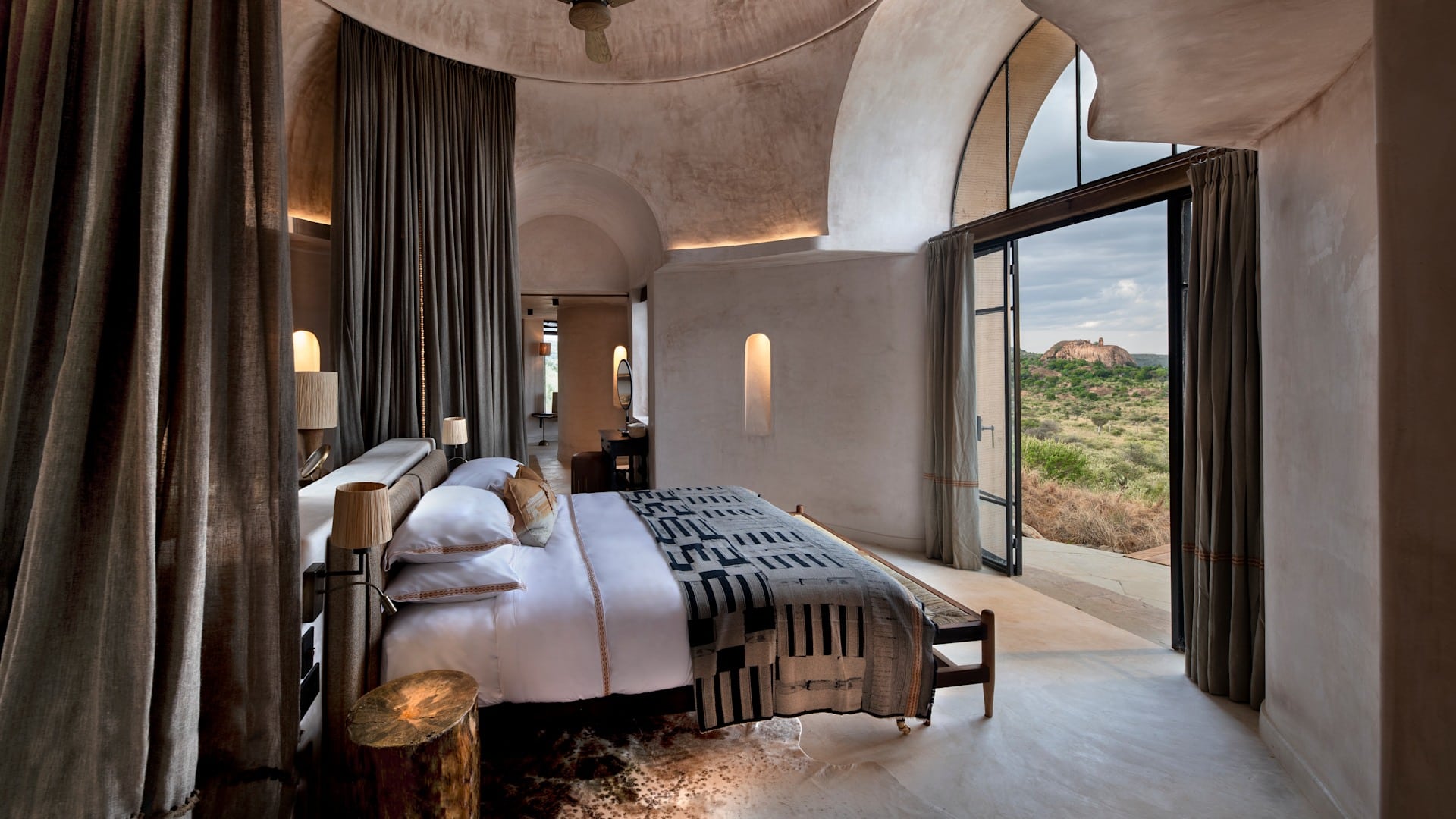
Suyian Lodge – Laikipia, Kenya
Fourteen standalone suites — each one a private, domed dwelling — are positioned across the Laikipia plateau to capture sunrise and maximize seclusion. Stone bathtubs open to the landscape, circular skylit showers dissolve the boundary between inside and out, and the silence between your suite and the horizon is absolute. Named Best New Luxury Hotel in the World by Luxury Travel Intelligence in 2025. This is not a lodge you merely stay in — it is a place you begin to feel belongs to you, the way a remote family property might, after a night or two.
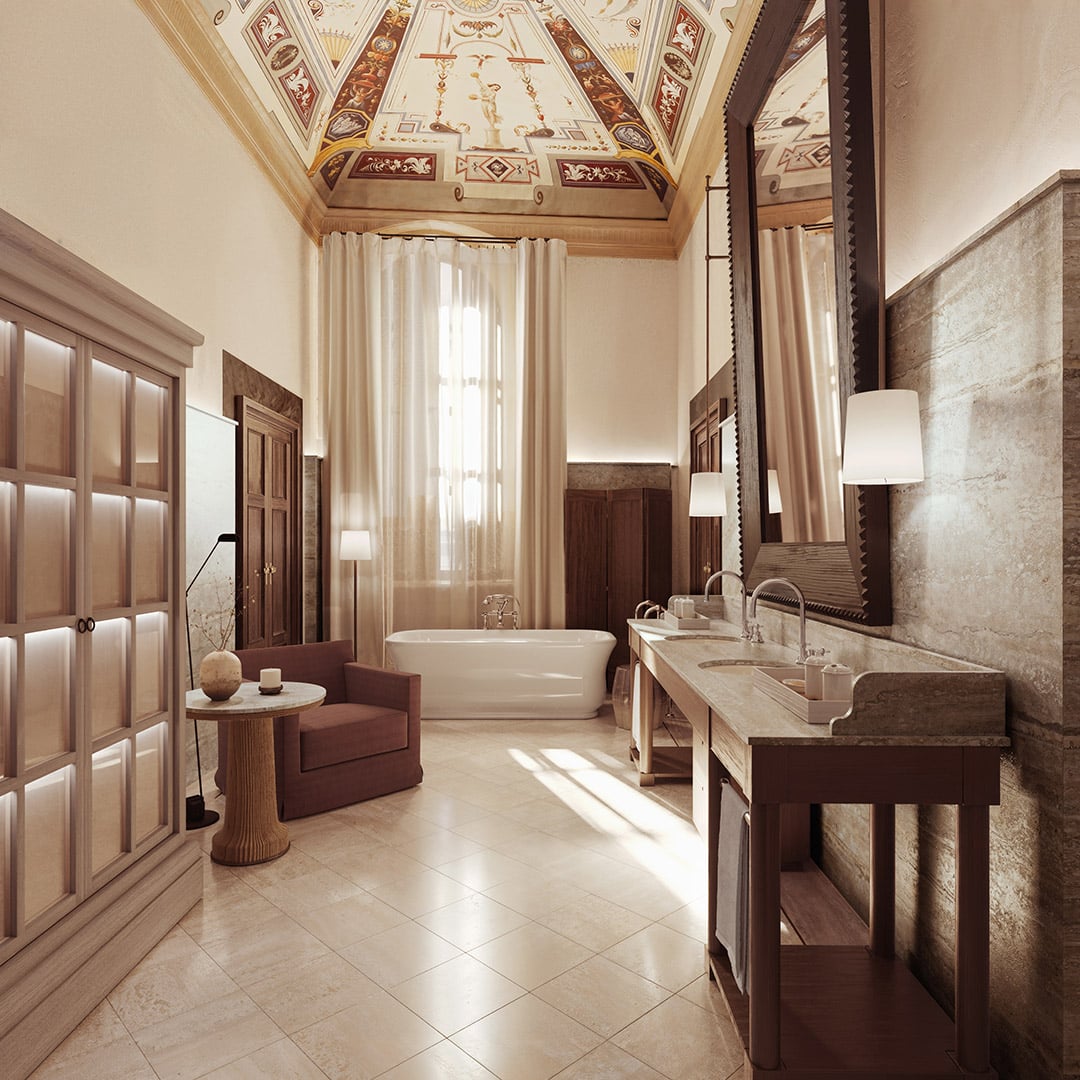
La Réserve Palazzo – Florence, Italy
La Réserve — the French hotel brand with just four intimate European addresses — has taken the residential concept to its logical extreme in Florence: six private apartments inside a grand palazzo near the Ponte Vecchio. There is no lobby, no restaurant, no front desk to navigate. Guests receive keys to their own Florentine apartment and live, for a few days or a few weeks, as Florentines. The brand’s ambition is unambiguous: to make guests feel not that they are staying in the city, but that they have their own home in it.
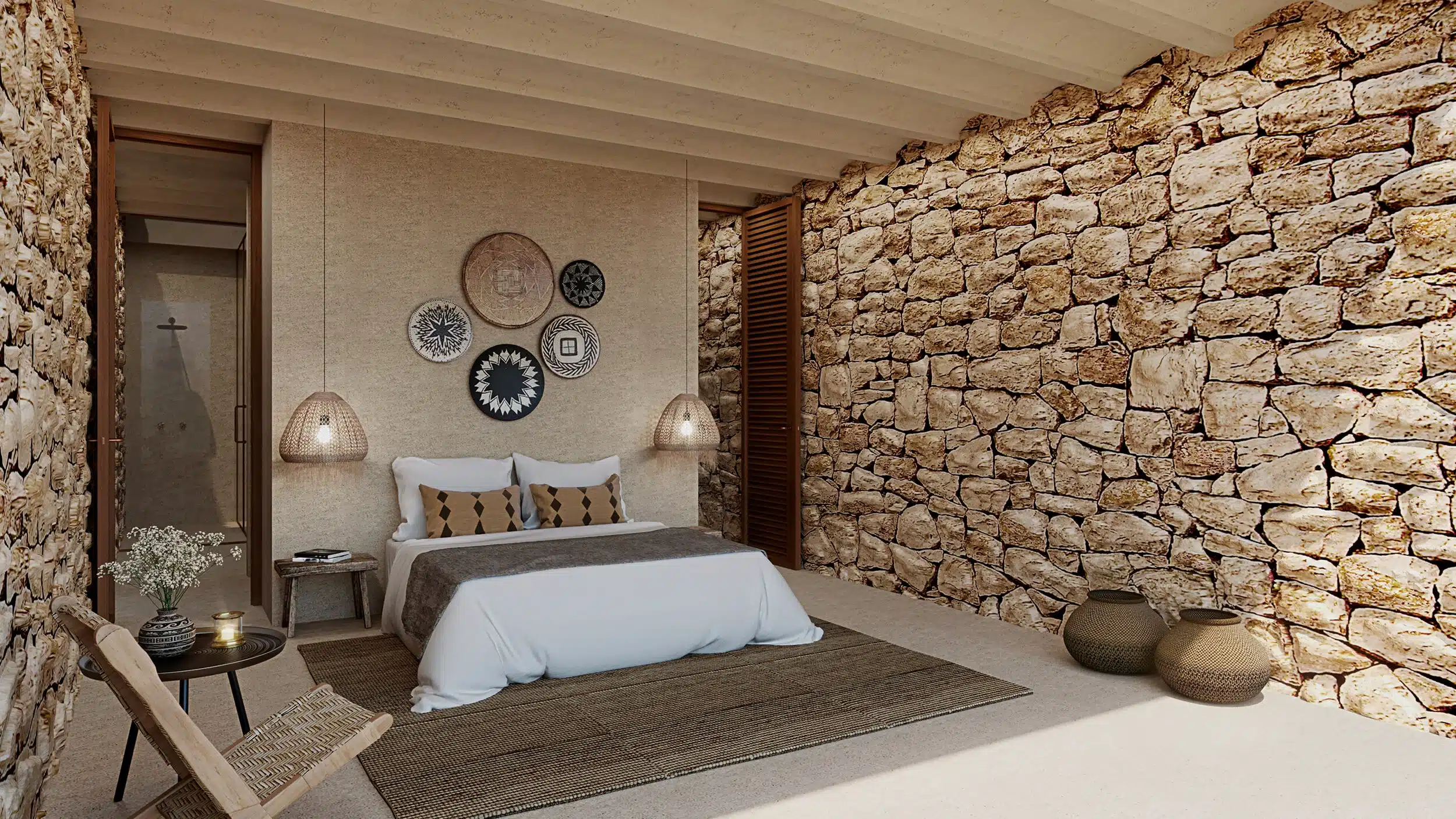
Vestige Can Jordi – Formentera, Spain
Opening in 2026, this approximately 25-suite property on the quietest of the Balearic Islands occupies a restored rural estate surrounded by olive groves and Mediterranean scrub. Whitewashed walls, natural wood, stone floors, and handcrafted furnishings evoke the island’s austere, unhurried aesthetic. Each suite is designed to feel like a private residence rather than a hotel room; communal spaces are minimal — a pool, a garden, a dining table set with local produce. Formentera’s particular genius is that it has always resisted becoming a destination. Vestige, appropriately, follows suit.
WHY NOW
Four Forces Reshaping Hospitality
The Post-Pandemic Interior
Years of heightened home-consciousness produced travelers who now measure hotel rooms against their own refined domestic standards. Warmth, tactility, and calm have replaced grandeur as the benchmarks of luxury.
Design Literacy
A new generation of globally mobile guests reads architectural press, follows interior designers on social media, and arrives with a clearly formed aesthetic vocabulary. Generic hospitality design no longer satisfies them.
Extended-Stay Demand
Remote work and longer travel patterns have accelerated demand for aparthotel formats. In Q1 2025, multiple operators expanded across North America specifically to serve travelers who need weeks, not nights.
The Members’ Club Effect
The rise of private members’ clubs — where intimacy and discretion are paramount — has influenced hotel culture. Guests now expect a similar sense of quiet belonging rather than transactional hospitality.
What We Mean When We Say Home
The word ‘home’ is doing real work here, and it is worth pausing to consider what it actually means in the context of a hotel. It cannot mean familiarity in the literal sense — you have never been to Passalacqua’s villa before. It cannot mean privacy in the absolute sense — staff move through these spaces with practiced discretion. What it means, rather, is something more atmospheric: the feeling that the space was designed around the way a person actually lives, rather than the way a hospitality manual imagines they might.
This is expressed differently across cultures. In Italy, it manifests as home-style dining, frescoed intimacy, and rooms that feel inherited rather than installed. In Japan, it is the engawa platform and the furo bath — domestic rituals elevated to meditative precision. In Mexico, it is the hacienda’s relationship with its land: a home that has been growing from the soil for a century. In the Maldives, it is the radical simplicity of bare feet on sand.
What these properties share is not a design style but a philosophy of restraint. They have all chosen — conspicuously, deliberately — to do less. Fewer rooms, not more. Quieter lobbies, not grander ones. Service that arrives before you need it rather than service that announces itself. Luxury, as understood here, is the luxury of being left alone inside a space that has thought deeply about your comfort.
City hotels, meanwhile, are recalibrating in kind. They are becoming calmer and more residential in feel, offering a sense of retreat within busy urban environments. Resorts are easing away from tightly scheduled itineraries in favor of flexibility — allowing guests to settle in rather than cycle through. The hotel, at its best, is becoming less a destination and more a place from which to live.
The question travelers are increasingly asking themselves before booking is no longer where do I want to go? but rather where do I want to be? The answer, it turns out, is somewhere that feels uncannily, beautifully, impossibly like being home.