


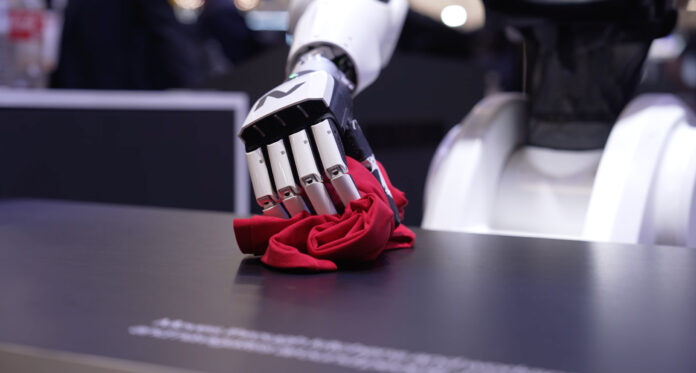

CES is never really about what ships immediately. It is about direction. What companies choose to show in January often reveals what the rest of the year will quietly converge on by fall. CES 2026 made several of those trajectories unusually clear. Across televisions, computers, smart home devices, wearables, and infrastructure, the industry showed less interest in chasing novelty and more interest in stabilizing ideas that already proved their value. The result was a show that felt less chaotic than usual, and more revealing.
Instead of asking what is possible, CES 2026 kept answering a different question. What is sustainable, scalable, and livable when technology becomes routine rather than remarkable.
AI is moving from personality to infrastructure
The most obvious signal from CES 2026 was that artificial intelligence is no longer being sold primarily as a conversational feature. The emphasis shifted toward AI as a background system that improves reliability, automation, and continuity across devices. This change was visible everywhere from laptops to televisions to robots.
Nvidia framed much of its CES messaging around physical AI and robotics rather than chat interfaces, highlighting platforms designed to help machines perceive and act in the real world. AMD focused on the compute reality behind that ambition, emphasizing that future progress depends on power efficiency, thermal management, and large scale infrastructure rather than clever prompts.
Even consumer facing brands echoed the same idea. AI was presented less as something you talk to and more as something that quietly coordinates tasks. This shift suggests that in 2026, the most successful AI products will be the ones users barely notice until they are gone.
Hardware refinement is beating spectacle
Another strong signal from CES 2026 was a renewed focus on refinement. Instead of dramatic form factors or speculative concepts, many standout products emphasized usability, comfort, and longevity.
LG Display showcased OLED panels that returned to RGB stripe layouts to improve text clarity, acknowledging that people spend more time reading and writing than gaming. TCL leaned into Mini LED televisions with precise local dimming and color accuracy rather than exaggerated showroom brightness. These choices may not generate viral videos, but they directly affect how products feel in daily use.
This focus on polish suggests that the next phase of consumer tech will be defined less by what looks impressive on stage and more by what feels reliable after six months on a desk or wall.
The smart home is becoming boring in the right way
CES 2026 offered one of the clearest signs yet that the smart home is finally simplifying. The show floor was full of devices that emphasized standards support, local control, and fewer apps rather than new ecosystems.
Aqara demonstrated locks, sensors, and hubs built on Matter and Thread, allowing them to integrate with existing platforms without forcing users into proprietary systems. IKEA reinforced this shift by expanding its Matter compatible lighting and sensor lineup at prices that make experimentation low risk.
The message was consistent. The smart home works best when it behaves like infrastructure. Lights should turn on. Locks should unlock. Sensors should trigger automations without constant troubleshooting. CES 2026 suggested that companies finally understand that ease matters more than ambition.
Wearables are shrinking their ambition to grow adoption
Wearables at CES 2026 reflected a similar maturity. Instead of trying to replace phones or dominate attention, many new devices focused on doing one or two things extremely well.
Smart glasses emphasized normal appearance and limited, practical features such as translation or note capture. Small wearable recorders focused on reliable audio capture and long battery life rather than complex interfaces. These devices are designed to disappear into routines rather than demand engagement.
This trend indicates that wearable success in 2026 will come from restraint. The devices that win will not ask users to change behavior dramatically. They will quietly fit into what people already do.
Computing is prioritizing longevity and serviceability
Laptops and desktops at CES 2026 revealed a shift in priorities that goes beyond performance benchmarks. Several manufacturers emphasized internal redesigns that improve cooling, sustained performance, and repairability.
Lenovo highlighted new internal layouts in its premium laptops that allow for better thermal management and easier replacement of components. Larger haptic touchpads, quieter operation, and improved battery life were presented as the result of structural decisions rather than marketing features.
This suggests that 2026 may be a year where durability and serviceability become selling points again, especially as consumers hold onto devices longer.
Standards are winning over ecosystems
One of the clearest takeaways from CES 2026 was the quiet victory of standards. Matter, Thread, and other cross platform technologies were no longer treated as experiments. They were assumed.
Smart home devices advertised compatibility without drama. Accessories worked across platforms. Control moved into fewer apps rather than more. Even automotive and industrial products emphasized interoperability as a core feature.
This shift implies that the companies that succeed in 2026 will be the ones that reduce friction rather than add it. Ecosystem lock in is becoming less attractive as consumers demand flexibility.
Robotics is becoming specialized, not general
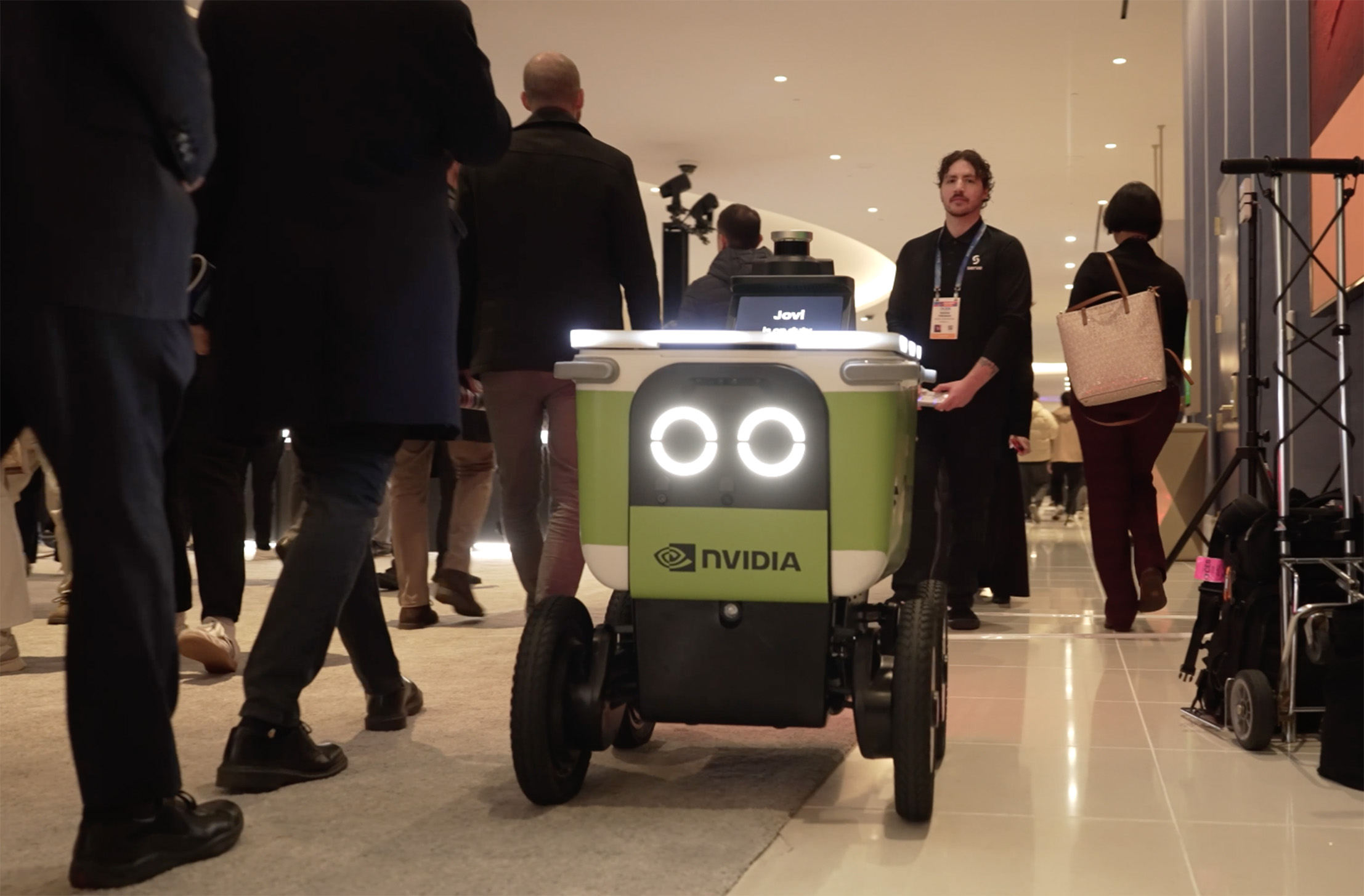
Robots were everywhere at CES 2026, but the tone changed. Instead of humanoid generalists, many companies showed specialized machines designed for narrow tasks.
Roborock presented concepts focused on solving specific home problems like stairs. Industrial and safety focused robots emphasized autonomy in dangerous environments rather than human like interaction.
This specialization reflects a broader truth. Robots do not need to be charming. They need to be dependable. CES 2026 showed that robotics is entering a phase where usefulness matters more than personality.
Energy and efficiency are shaping every category
Another theme running through CES 2026 was efficiency. Power management, battery life, and energy consumption were discussed openly across categories.
Televisions highlighted smarter backlighting rather than brute force brightness. Cameras and security devices leaned on solar accessories and local processing. Wearables prioritized multi day battery life over constant connectivity.
This emphasis suggests that 2026 will be a year where energy efficiency becomes a differentiator rather than a footnote, especially as devices multiply within homes.
What all of this points to
Taken together, CES 2026 painted a clear picture of where tech is heading this year. The industry is consolidating. Ideas are narrowing. Products are becoming calmer.
AI is becoming infrastructure. Hardware is focusing on refinement. The smart home is simplifying. Wearables are choosing restraint. Standards are replacing silos. Robotics is becoming practical. Efficiency is shaping design decisions.
CES is often accused of being disconnected from reality. This year felt different. CES 2026 did not show us a distant future. It showed us the version of technology that is ready to live with us now.
And that may be the most important signal of all.
Discover more from SNAP TASTE
Subscribe to get the latest posts sent to your email.