



Japanese sake has been enjoying a global renaissance. Once considered niche, it now appears on wine lists from Copenhagen to California, appreciated for its nuance and range. From crisp and bone dry to gently sweet and aromatic, sake invites exploration. Yet for many drinkers, the brewing process remains elusive.
Tokyo offers an unexpected entry point. Beyond its glittering skyline, the city is home to historic sake breweries where centuries-old techniques are still practiced. Visiting these breweries reveals sake not as a simple beverage, but as an expression of place, tradition, and patient craftsmanship.
Sake as Culture and Craft
Sake is made from rice and water, but its significance in Japan goes far deeper. Its history spans more than two thousand years, originating in sacred offerings to the gods. Even today, many breweries begin each brewing season with Kurairi Shinji, a Shinto ritual held to pray for safety and exceptional sake.
During the Edo period from 1603 to 1868, sake became a staple of everyday life alongside the rise of izakaya. What continues to captivate modern drinkers is its diversity. Subtle changes in rice polishing, fermentation, yeast, and water result in dramatically different expressions. Pairing sake with seasonal cuisine remains one of Japan’s most rewarding culinary experiences.
Where Sake Is Made
Sake is brewed and aged inside kura, or sake breweries, through a complex process involving rice polishing, fermentation, and three-stage brewing. Each step is overseen by skilled specialists, and the full process takes approximately sixty days.
In Tokyo, the Tama area in the city’s western reaches stands out for its abundant greenery and high-quality spring water. This environment has supported sake brewing for generations, producing labels that regularly earn international awards. Several breweries here welcome visitors with tours and tastings, making the region ideal for travelers seeking cultural depth.
The Role of the Sake Vessel
Sake appreciation extends beyond flavor alone. The vessel used for drinking subtly shapes the experience. Earthenware cups soften the taste and suit both warm and chilled sake. Porcelain offers a smooth, cool mouthfeel. Tin is believed to mellow sharp edges and create a rounded flavor, while glass preserves aroma and clarity, especially for chilled styles. Edo Kiriko cut glassware, a traditional craft of Tokyo, adds visual elegance to the ritual.
Some izakaya even allow guests to choose their own sake cup, adding a personal dimension to each pour.
Ozawa Brewery
Surrounded by forested hills in Ome City, Ozawa Brewery has been producing sake for more than three centuries. The brewery’s success is deeply tied to the area’s pristine water and mountain climate. Its flagship label, Sawanoi, has earned acclaim at international sake competitions and continues to attract global attention.
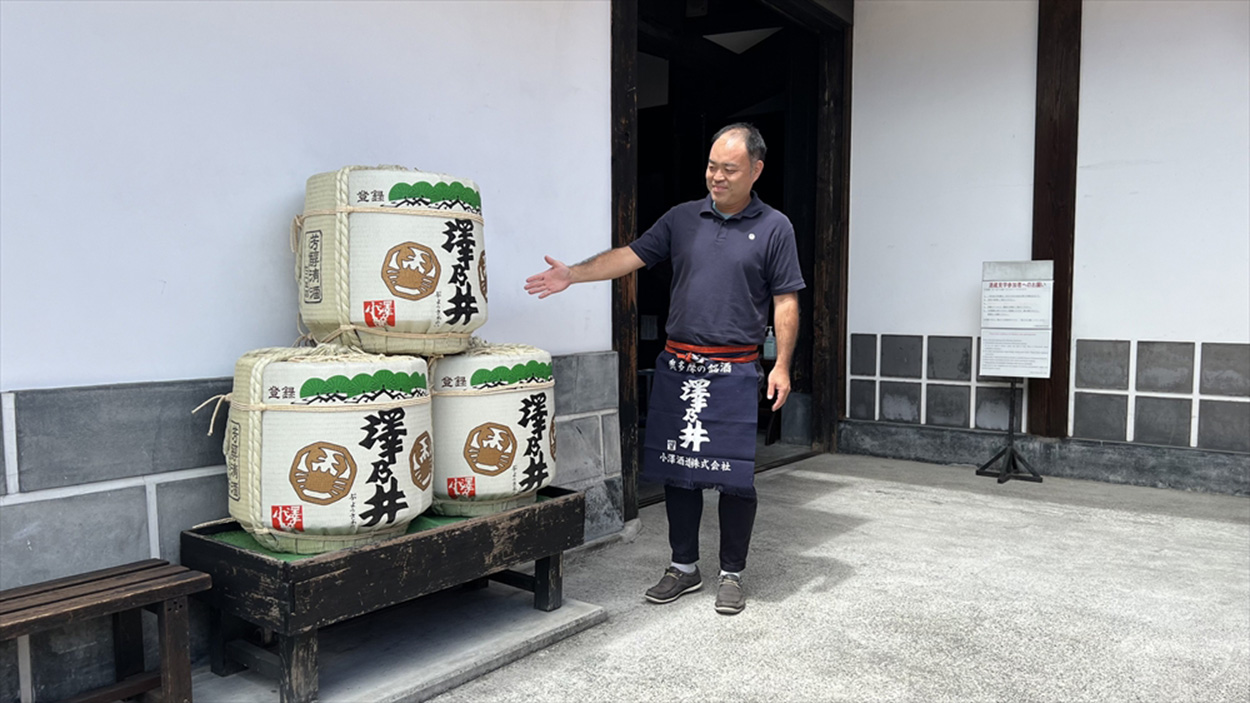
Visitors who reserve in advance can join a guided tour that explains the brewing process and explores the historic buildings. English pamphlets are available, reflecting the brewery’s growing international audience. The tour fee is 700 yen and includes a tasting and an original Ozawa Brewery ochoko sake cup.
At the entrance hangs a large cedar ball known as a sugidama, traditionally displayed when new sake is ready. Inside, a Shinto altar underscores the spiritual roots of sake making. Brewers still offer daily prayers here before beginning their work.
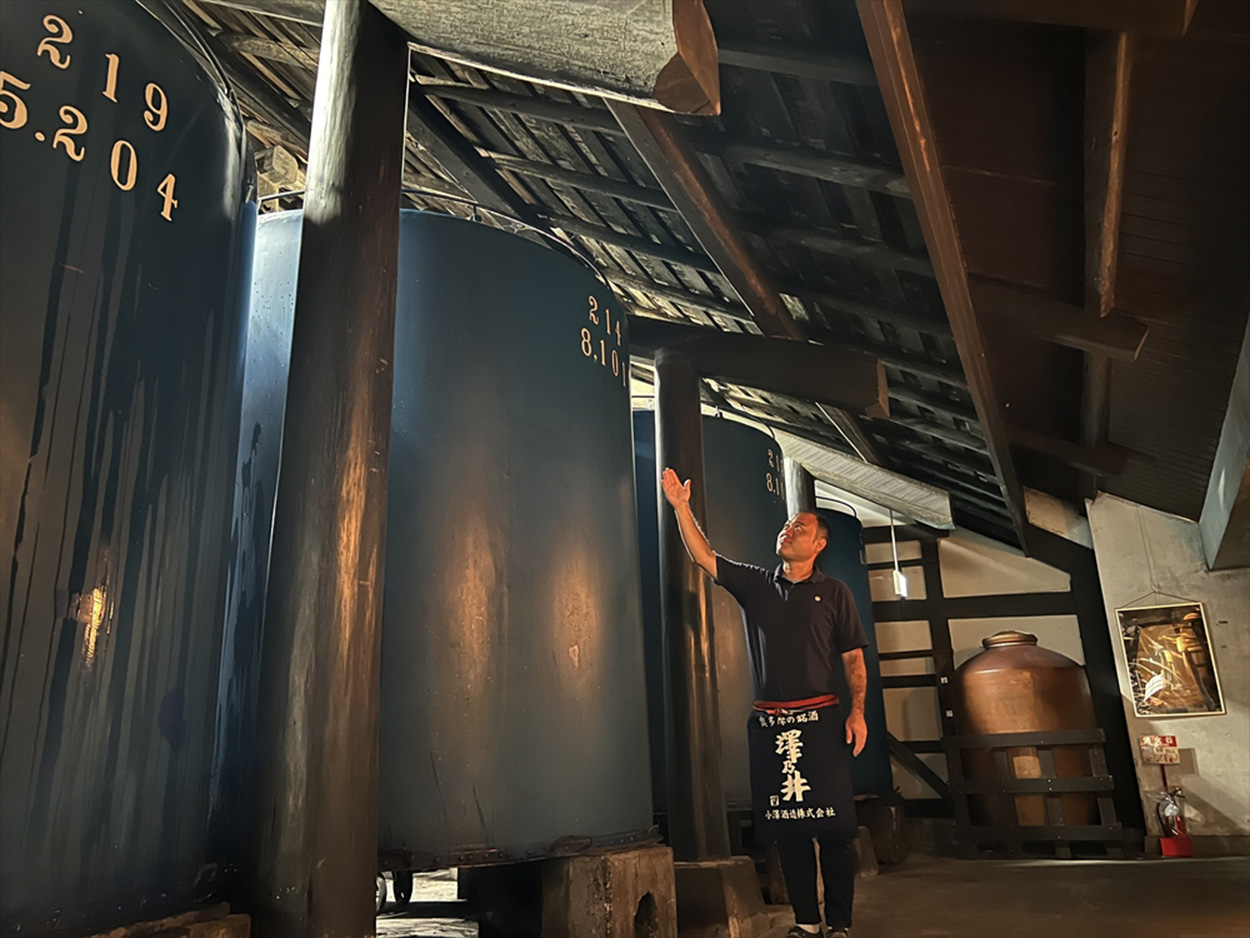
The tour leads through an Edo-period kura designed to stay cool year round. Visitors learn about rice polishing, a crucial step that influences aroma and flavor. Polishing is done slowly over several days to protect the grain, and the leftover rice bran is reused for pickling beds and rice crackers.
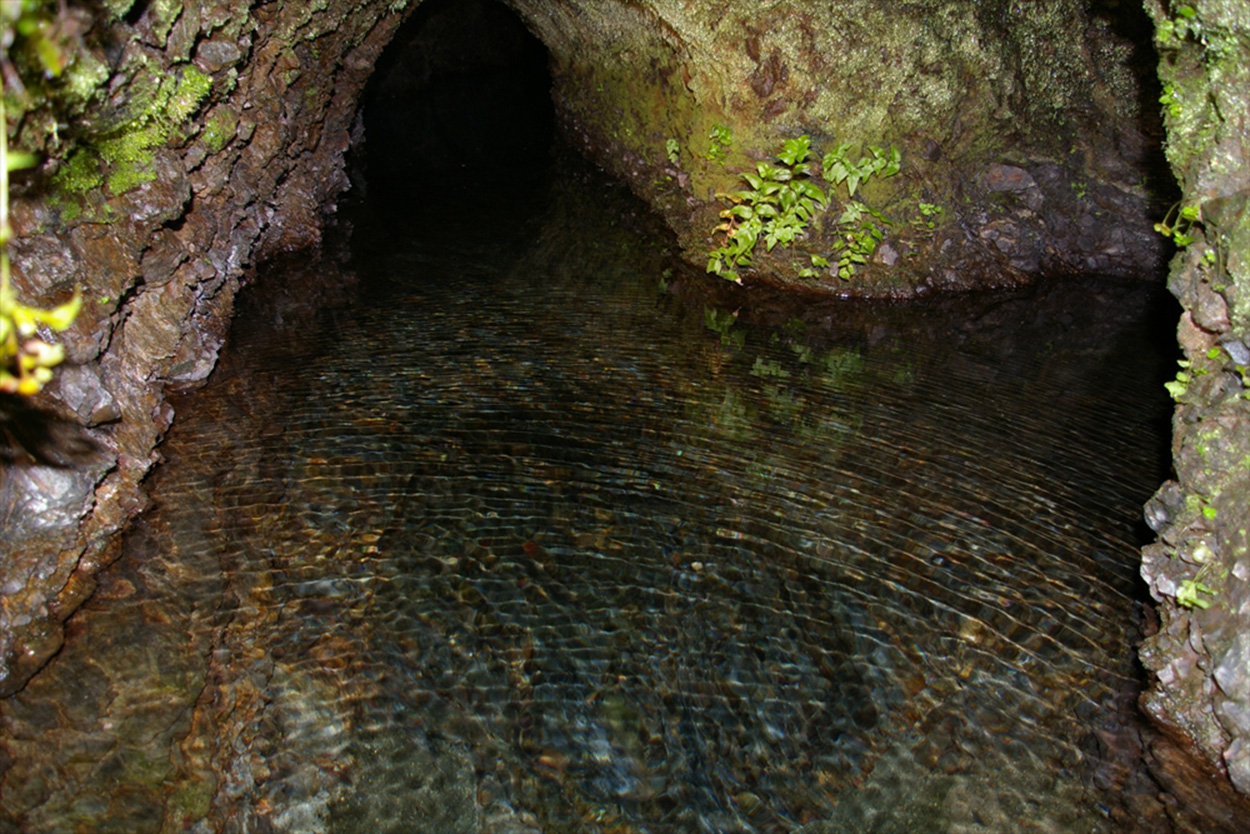
Guests also observe the pressing of fermenting moromi and see wooden vats once used in brewing. Two wells on the property provide water with different mineral profiles, allowing brewers to select the ideal water for each style. The brewery’s river crab emblem reflects its dedication to purity, as crabs thrive only in clean water.
The tasting that follows feels especially meaningful, each sip enriched by a deeper understanding of the craft behind it.
Access to Ozawa Brewery
Ozawa Brewery is located in Ome City in western Tokyo.
The brewery is a three to five minute walk from Sawai Station on the JR Ome Line.
From Tokyo Station, travel via JR lines through Shinjuku, Tachikawa, and Haijima. Total travel time is approximately one hundred minutes.
The surrounding Okutama area offers mountain scenery, the Mitake Valley, restaurants, art museums, souvenir shops, and riverside walking paths, making it an ideal full-day destination.
Dining Nearby at Mamagotoya
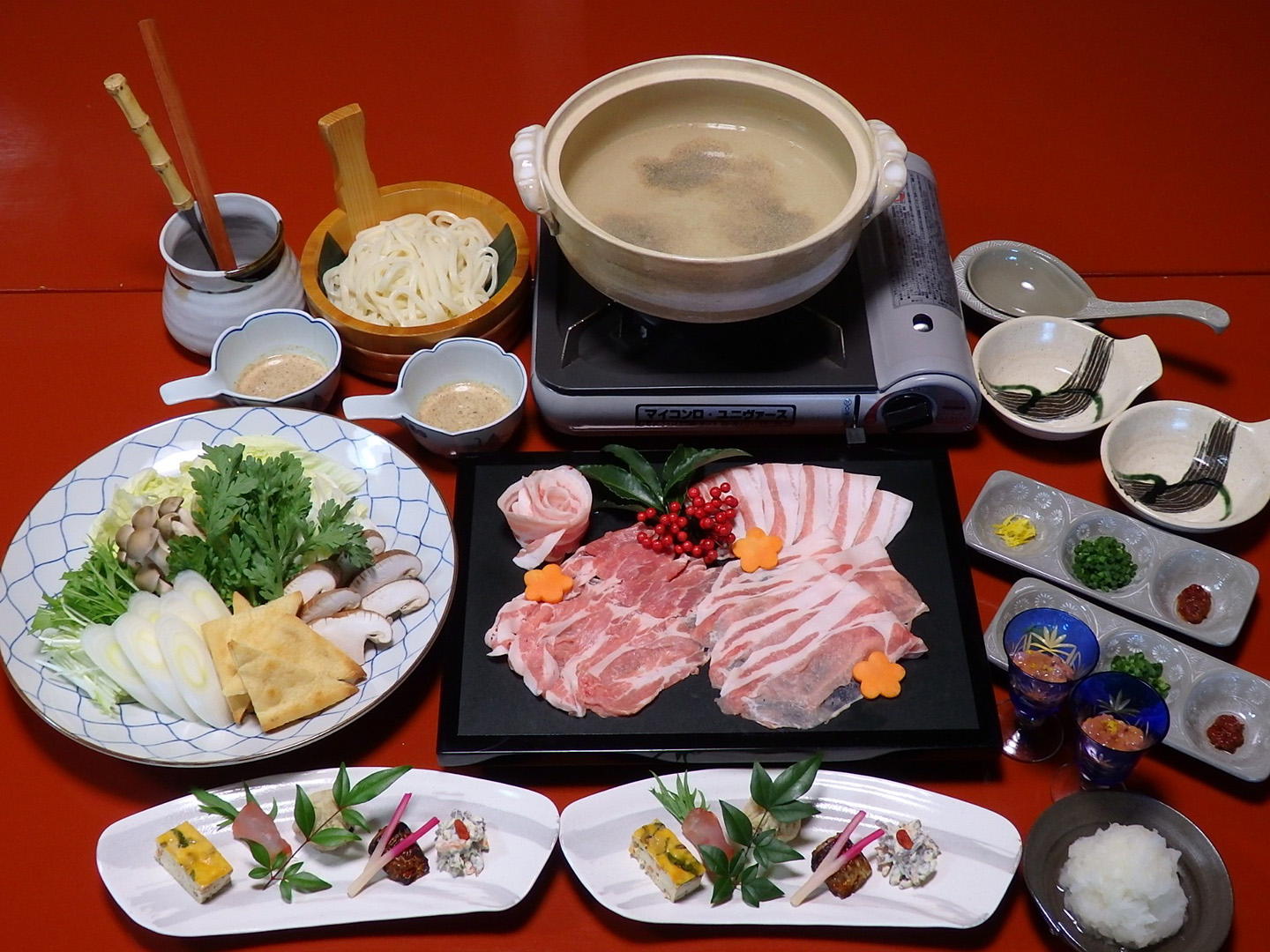
Mamagotoya offers a winter-only dining experience deeply connected to sake brewing. Once per day, one group can enjoy toji no nabe, a hot pot prepared using sake instead of traditional soup stock. During fermentation, sake develops more than one hundred nutrients including amino acids, vitamins, and organic acids. After the alcohol is removed, the remaining liquid becomes a richly umami base.
The experience is available from January 8 through February 28 for groups of two to eight people. The price is 5,500 yen per person, tax included. Reservations must be made by phone at least three days in advance.
Access to Mamagotoya
Located at 2 748 Sawai, Ome City, Tokyo
Telephone reservations only at 0428 78 9523
Online reservation page available via TableCheck
Ishikawa Brewery
In Fussa City, Ishikawa Brewery offers another compelling look at Tokyo’s brewing heritage. Founded during the Edo period, the brewery preserves six historic buildings designated as Registered Tangible Cultural Properties of Japan.
English guided tours are available by reservation for 3,000 yen. Visitors may also stroll the grounds freely without a reservation. Inside the kura buildings, traditional Japanese architecture from the nineteenth and twentieth centuries has been carefully maintained.
Ishikawa Brewery is best known for its Tamajiman sake, but it also produces beer. The on-site restaurant serves both, allowing guests to explore multiple fermentation traditions in one setting.
Access to Ishikawa Brewery
Ishikawa Brewery is located in Fussa City in western Tokyo.
It is approximately a fifteen minute walk from Haijima Station, served by the JR Ome Line, Itsukaichi Line, and Seibu Haijima Line.
From central Tokyo, travel time is about sixty to seventy minutes depending on the route.
Other Breweries Open to Visitors
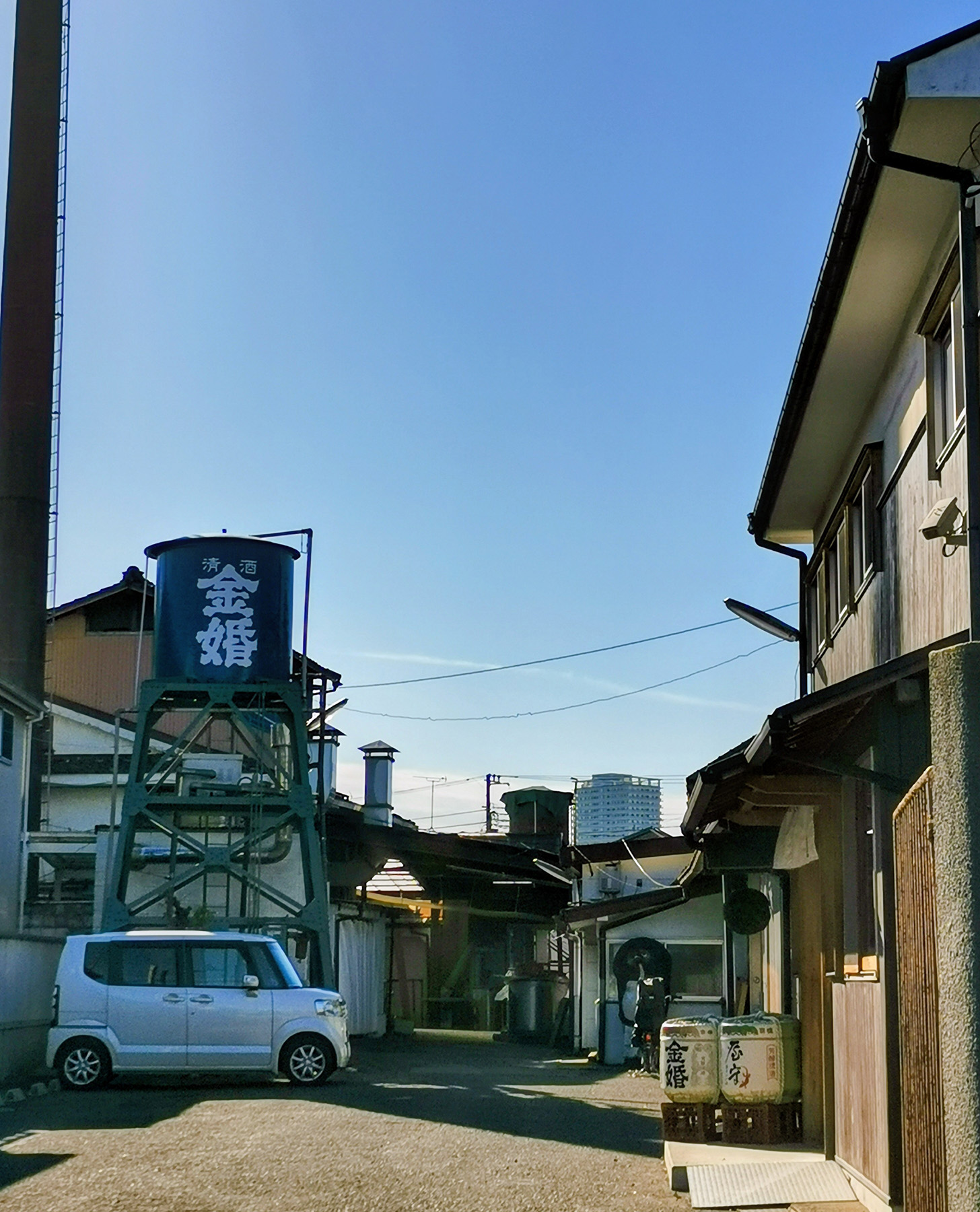
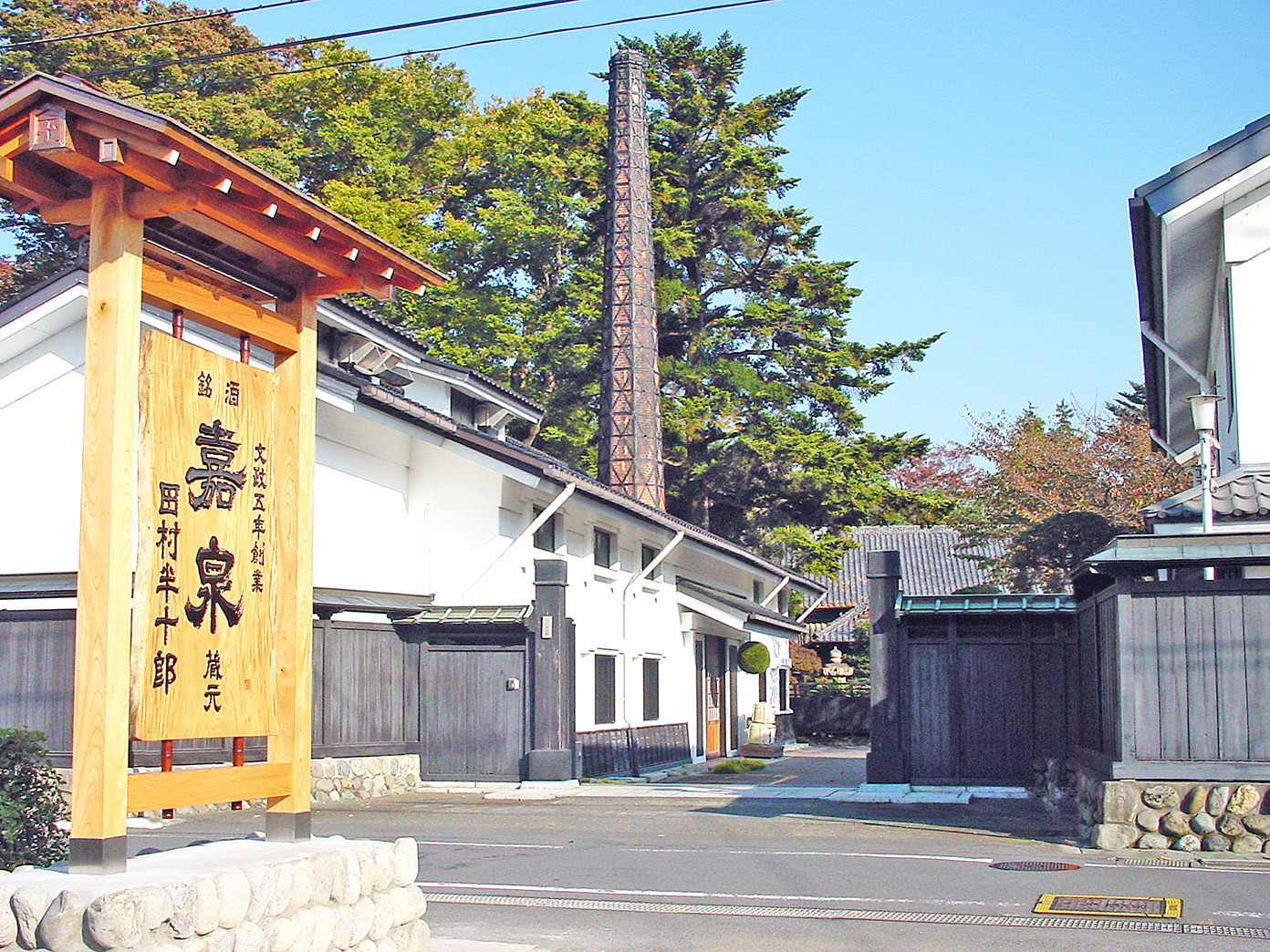
Travelers interested in exploring further can also visit Toshimaya Brewery in Higashimurayama City and Tamura Brewery in Fussa City, both of which offer brewery tours.
Savoring a Different Side of Tokyo
Tokyo’s sake breweries reveal a quieter, more contemplative side of the city. Rooted in clean water, skilled hands, and centuries of tradition, these kura offer experiences that deepen appreciation for one of Japan’s most enduring crafts.
For travelers who seek flavor with meaning, Tokyo’s sake country is best explored slowly, one carefully poured cup at a time.