



What is SB 1383?
In an attempt to decrease methane emissions, SB 1383, a state law, mandates that all residents and businesses must recycle their organic waste. This law has set a goal of reducing organic waste in landfills throughout the state by 75% by 2025. Additionally, the legislation requires the creation of programs that rescue at least 20% of excess food that is currently discarded, and this food will be directed toward individuals who are experiencing food insecurity.
How does SB 1383 impact residents and businesses?
Commencing on April 1, 2023, Irvine citizens will be obligated to divide their organic waste from their rubbish and deposit it in a composting container. Organic waste is composed of food remnants like meat, bones, dairy, fruits, and vegetable scraps, as well as food-soiled paper such as napkins, paper towels, and uncoated cardboard, and yard waste such as grass trimmings, small branches, and leaves.
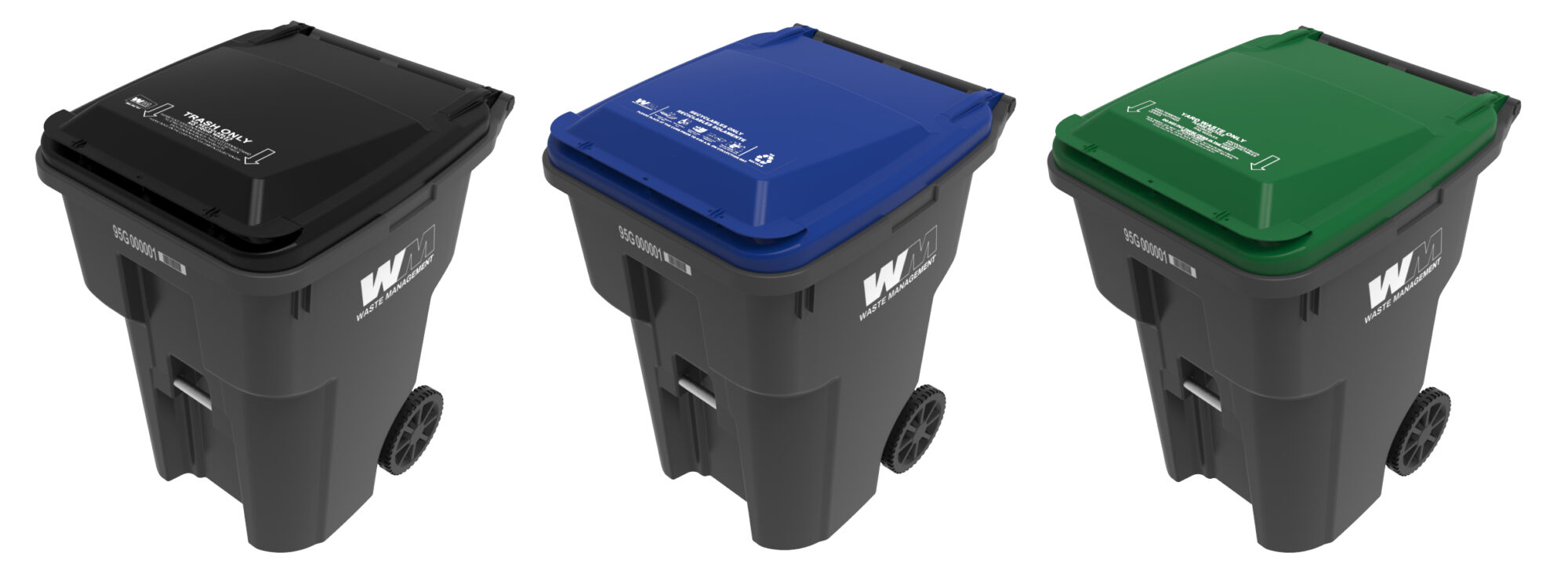
You cannot place your organic waste in plastic or compostable/biodegradable bags. It is recommended to line the bottom of your cart with a layer of yard waste or old newspaper.
SB 1383 identifies two categories of significant edible food producers that must have a documented food recovery agreement with a food recovery organization. The first group is known as Tier 1 Commercial Edible Food Generators, which encompasses the following:
- Supermarkets
- Grocery stores larger than 10,000+ square feet
- Food service providers
- Food distributors
- Wholesale food vendors
The second category of businesses that are obligated to have a food recovery agreement is referred to as Tier 2 Commercial Edible Food Generators, which include:
- Restaurants with facilities ≥ 5,000 sq. ft. or 250+ seats
- Hotels with an on-site food facility with 200+ rooms or a restaurant with 250+ seats
- Health facilities with an on-site food facility and 100+ beds
- Venues that seat 2,000+ people
- Events that serve an average of 2,000 visitors per day
- State agency cafeterias with facilities ≥ 5,000 sq. ft. or 250+ seats
- Local education agencies with an on-site food facility
- Non-local entities, such as public universities and community colleges

