



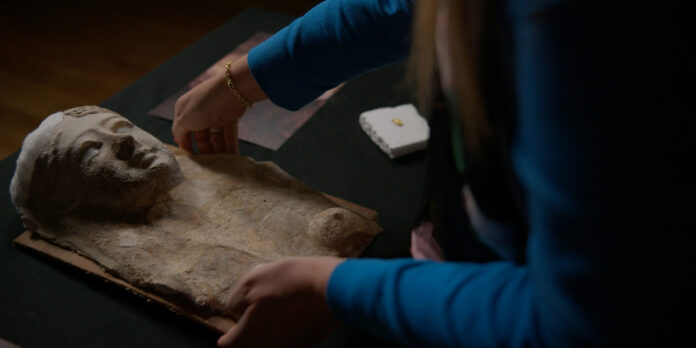
Dr. Kathleen Martínez has dedicated the past twenty years of her life to one of history’s greatest unsolved mysteries—the final resting place of Cleopatra VII Philopator, the last active ruler of Egypt’s Ptolemaic dynasty. Cleopatra’s Final Secret, a National Geographic documentary released in 2025, chronicles this determined quest with precision and depth. It is an investigation rather than a spectacle, methodical and patient in its approach, revealing the evolving evidence that continues to reshape our understanding of Cleopatra’s final days.
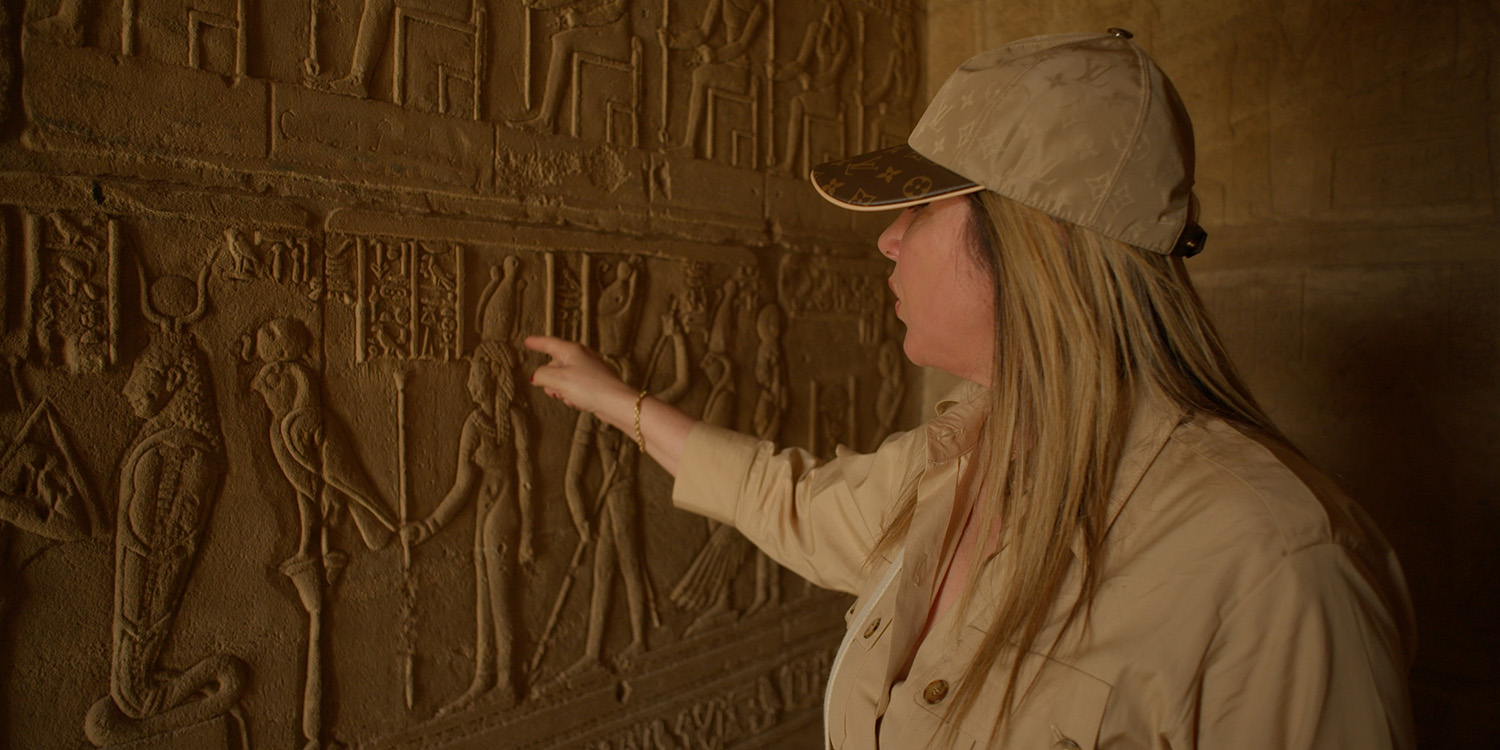
The film opens with Martínez at Taposiris Magna, an ancient temple complex west of Alexandria dedicated to the goddess Isis. It was here, in 2022, that she unearthed a 4,265-foot tunnel carved through solid rock, a feat of ancient engineering that hinted at a sacred passageway. Nearby were fragments of a foundation plate, ritual objects, and pottery dated to the late Ptolemaic period. These finds laid the groundwork for what would become the most significant shift in her decades-long investigation: the move from land to sea.
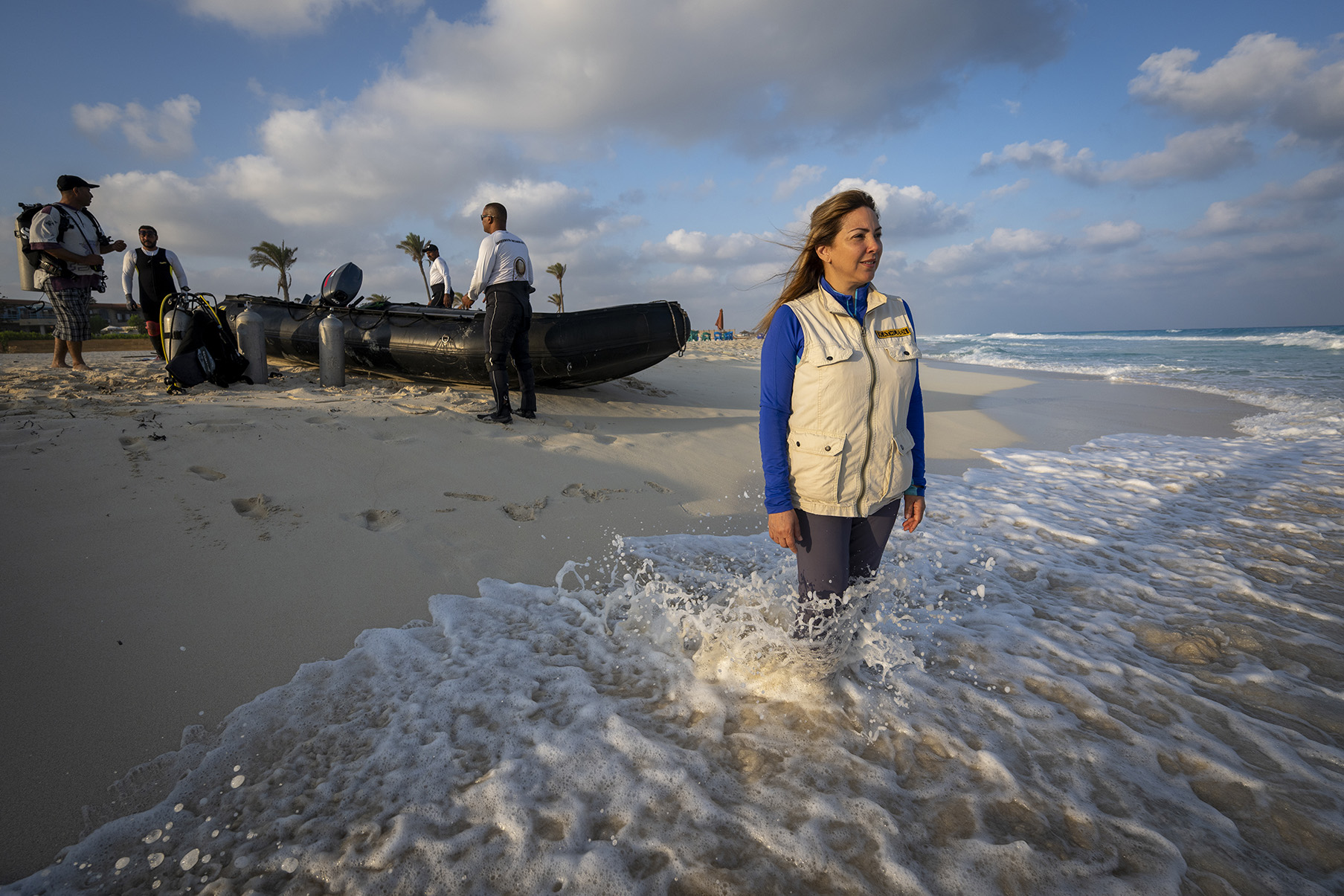
As earthquakes and a devastating tsunami in A.D. 365 reshaped Egypt’s coastline, vast portions of ancient Alexandria and its surrounding temples slipped beneath the Mediterranean. This context frames Martínez’s new theory—that Cleopatra’s tomb, and the port once serving the sacred temple at Taposiris Magna, now lie underwater. The documentary captures this turning point with a tone of restrained excitement. With the support of National Geographic, Martínez enlists the help of oceanographer Bob Ballard, famed for discovering the Titanic. Together with the Egyptian Navy and a team of divers and marine archaeologists, they begin an ambitious underwater survey of the seabed miles offshore.

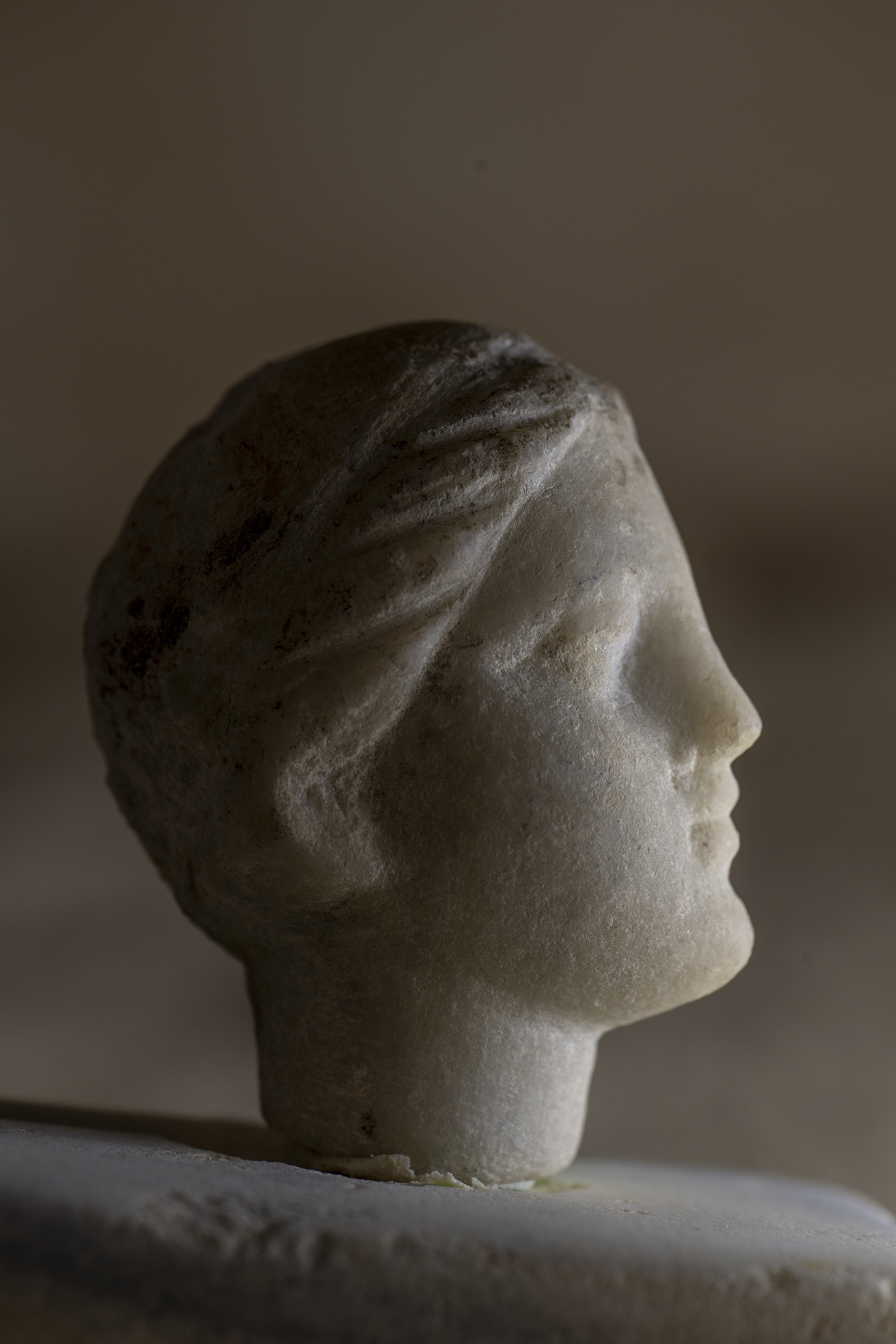
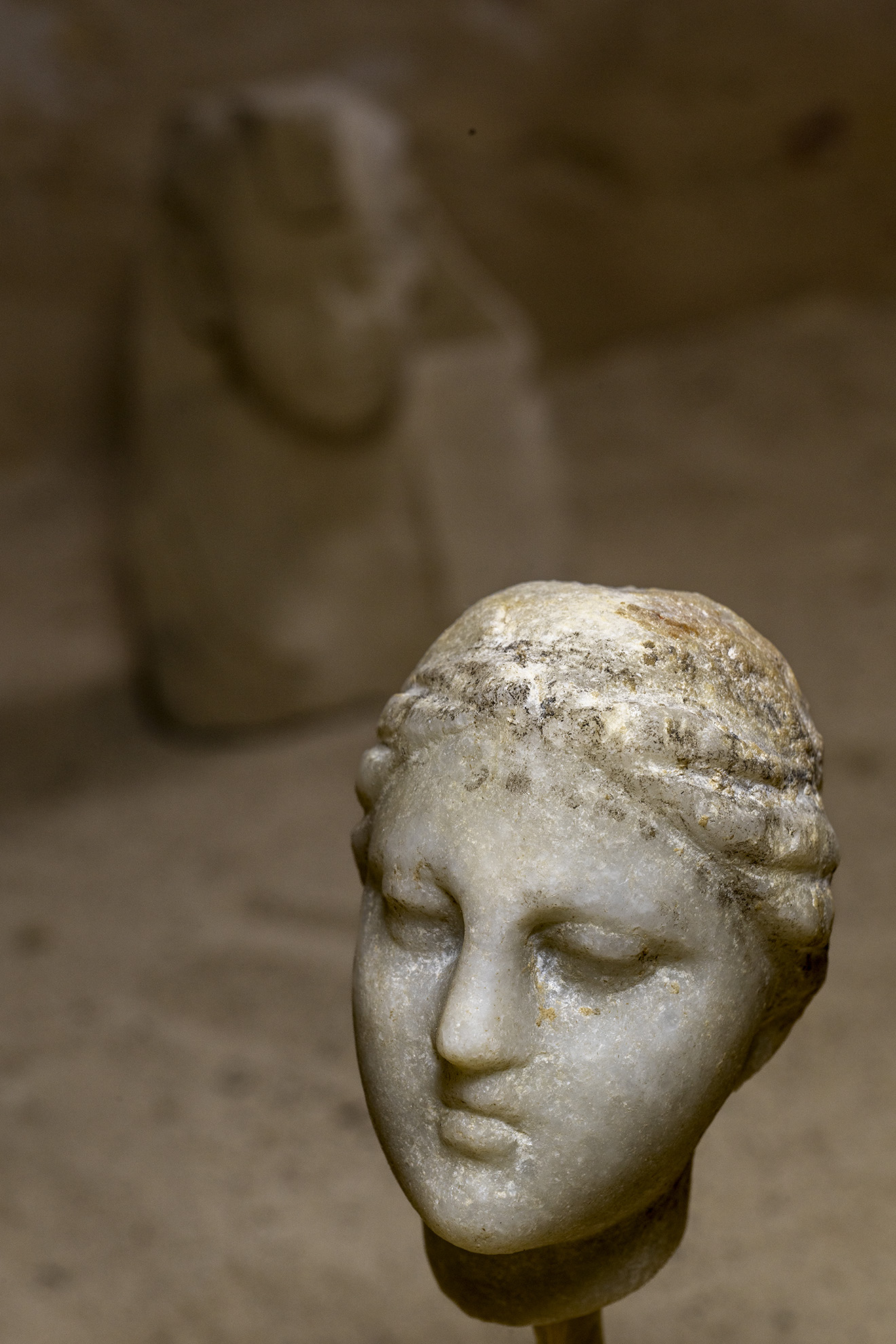
Martínez’s research at Taposiris Magna has long focused on connecting physical evidence with historical accounts. Earlier excavations there produced coins, statues, and architectural fragments from Cleopatra’s era, supporting the idea that the temple held symbolic importance during her reign. The newly explored offshore site adds another layer to that understanding. Using sonar scans and underwater mapping, the team identifies rows of massive stone blocks, column bases, and scattered amphorae and anchors—features that suggest a port complex once linked to the temple above.
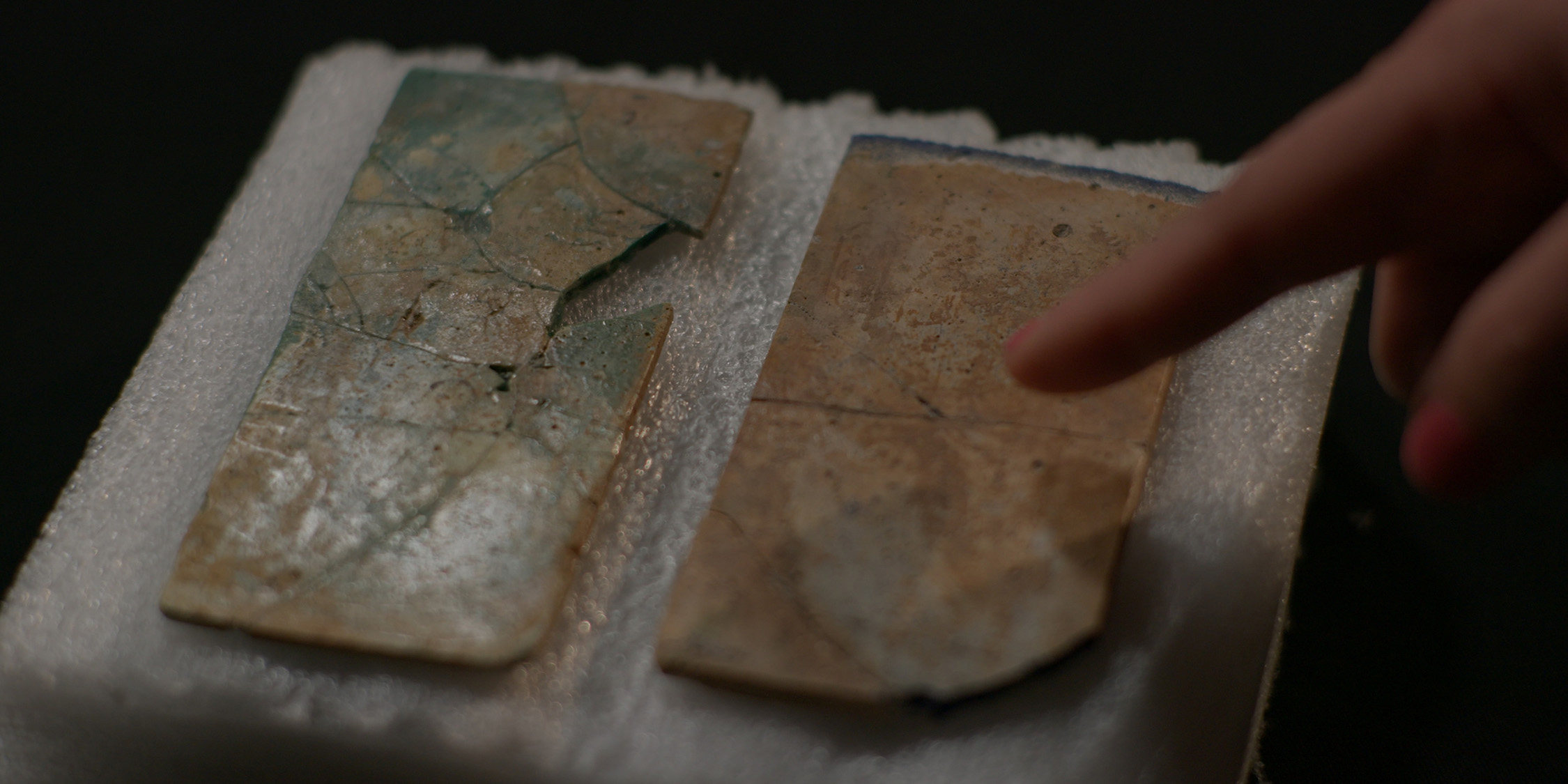
Throughout the film, the emphasis remains on method. The investigation is presented step by step, with attention to how each discovery is verified and recorded. Viewers see the careful process of measurement, cataloging, and interpretation that defines serious archaeological work. The film avoids speculation about Cleopatra’s tomb itself, instead showing how Martínez’s team is building a clearer picture of the sacred geography that surrounded her final years.
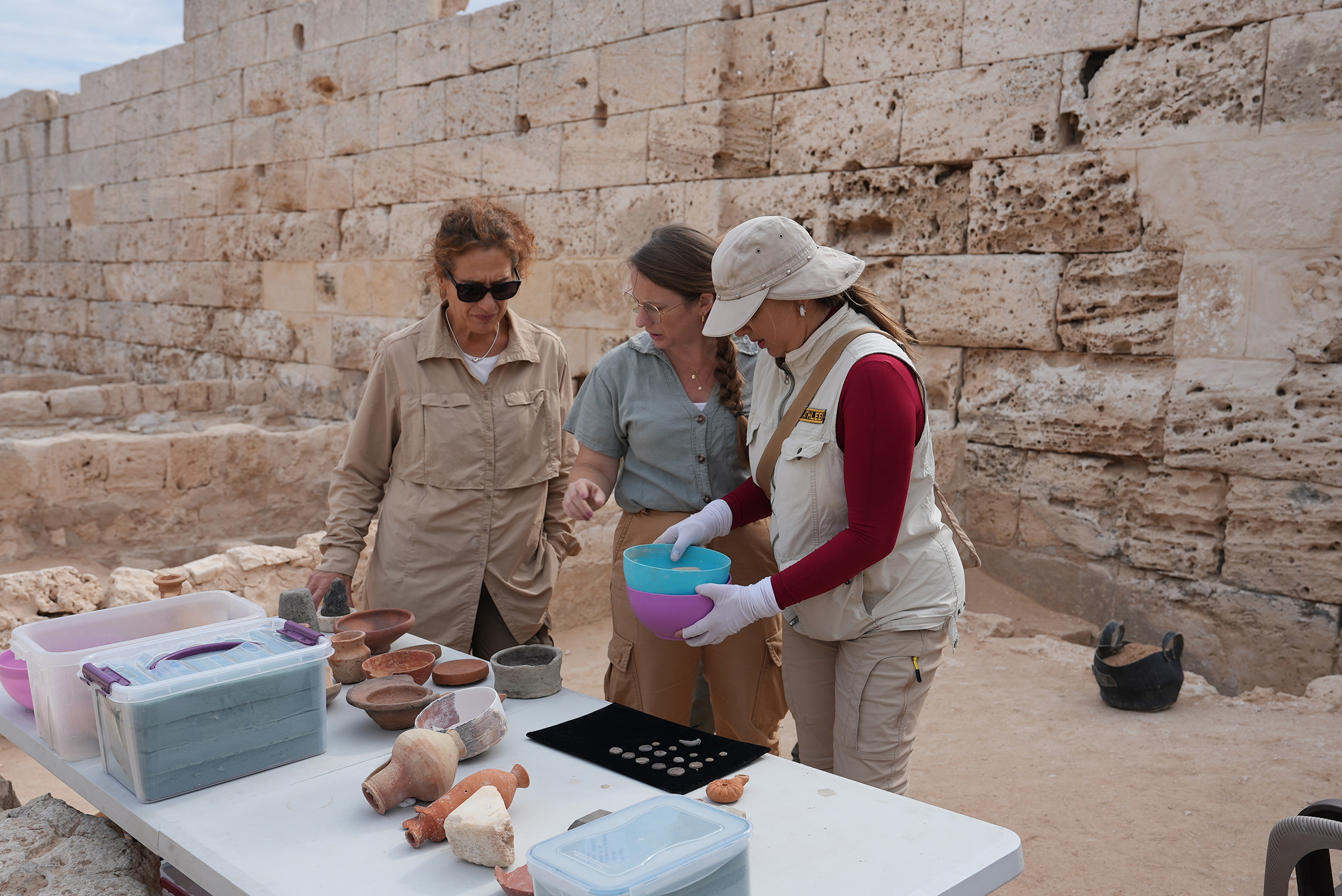
The collaboration between Martínez and Ballard demonstrates how archaeology increasingly crosses disciplines. Ballard’s experience in deep-sea exploration complements Martínez’s historical expertise, allowing the team to combine underwater surveying with traditional excavation. The result is a factual and comprehensive record of how new technology can extend the reach of archaeology into places once considered inaccessible.
Visually, Cleopatra’s Final Secret maintains a restrained tone. The Mediterranean’s muted colors, the quiet descent of divers through clouded water, and the methodical inspection of stone blocks convey the patience required in scientific exploration. On land, the camera follows Martínez as she reviews data, compares artifacts, and coordinates with her Egyptian colleagues. The rhythm of the film reflects the rhythm of real fieldwork—slow, deliberate, and cumulative.
Martínez’s own words provide the film’s emotional anchor. She speaks not in grand statements but in measured reflections about persistence and time. “I’m not going to stop,” she says, underscoring the continuity of her effort rather than any sense of final triumph.
Cleopatra’s Final Secret ends without claiming discovery. Instead, it documents where the research stands today and what questions remain. The film’s strength lies in its transparency—its willingness to show archaeology as an ongoing process of testing, revision, and patience. In doing so, it gives an honest view of how history is reconstructed piece by piece, from temple corridors to the floor of the Mediterranean.
Airs on National Geographic; streams on Disney+ and Hulu.
Discover more from SNAP TASTE
Subscribe to get the latest posts sent to your email.

