



There was a time when hotels served a fairly simple purpose. They were places to sleep while traveling somewhere else. Business hotels were built for meetings, airport hotels for convenience, extended stay brands for practicality, and boutique properties for pleasure. That logic no longer captures how people actually move through the world.
Today, travel is less neatly categorized and far more entangled with everyday life. A guest might check in for a conference, stay on to work remotely, extend for a week while searching for an apartment, then leave for another city without ever fully returning to a fixed routine. The room is no longer just a place to end the day. It may need to function as an office, a living room, a recovery space after a red eye flight, or a temporary home during a period of personal or professional change. In response, some of the most interesting hotels are no longer simply selling comfort or style. They are selling adaptability.
The rise of hotels designed for work, transit, and transition reflects a larger truth about modern life. More people are mobile, more work is location flexible, and more moments of life now unfold in between permanent addresses, fixed schedules, and settled identities. The hospitality industry, at its most thoughtful, has begun to design for that in between state.
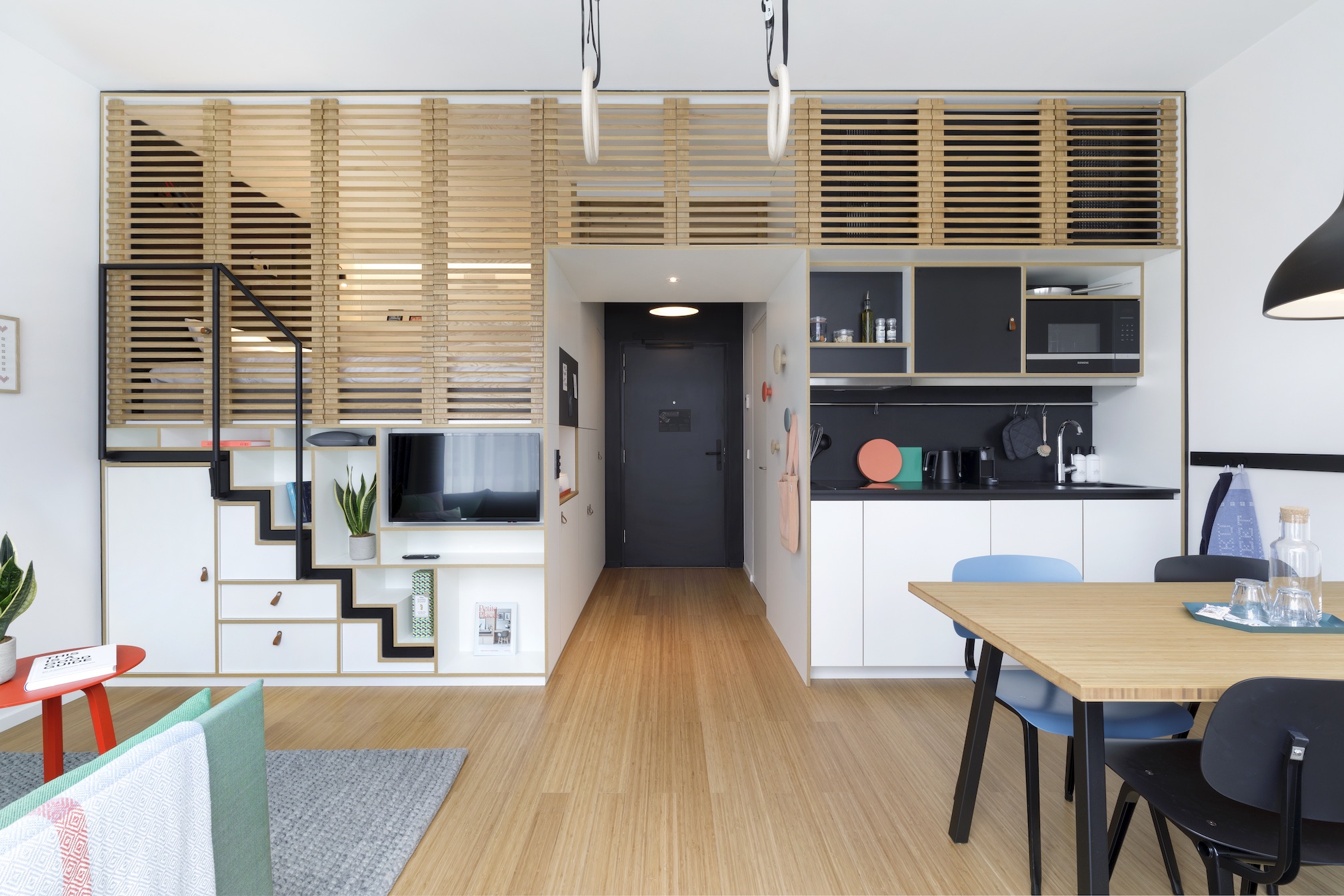
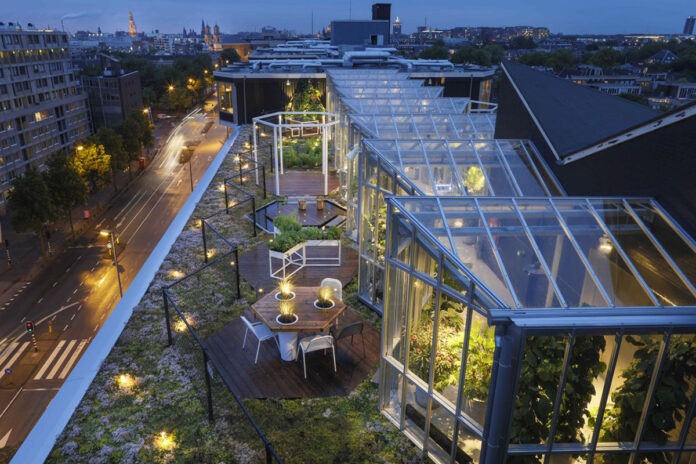
Among the clearest examples is Zoku, whose properties in cities like Amsterdam and Copenhagen have helped redefine what a hotel can be for the modern professional. Zoku does not present itself as a conventional hotel with a few business friendly perks attached. Instead, it is built around the idea of a home office hybrid, and the design follows through. Its loft style rooms prioritize long tables, kitchens, living space, and smart storage over the old formula of bed, desk, and minibar. Shared workspaces, rooftop meeting areas, and communal social zones make the property feel less like a transient stop and more like a base of operations. For guests staying several days or several weeks, that distinction matters. Zoku understands that productivity is not separate from comfort. It is often dependent on it.
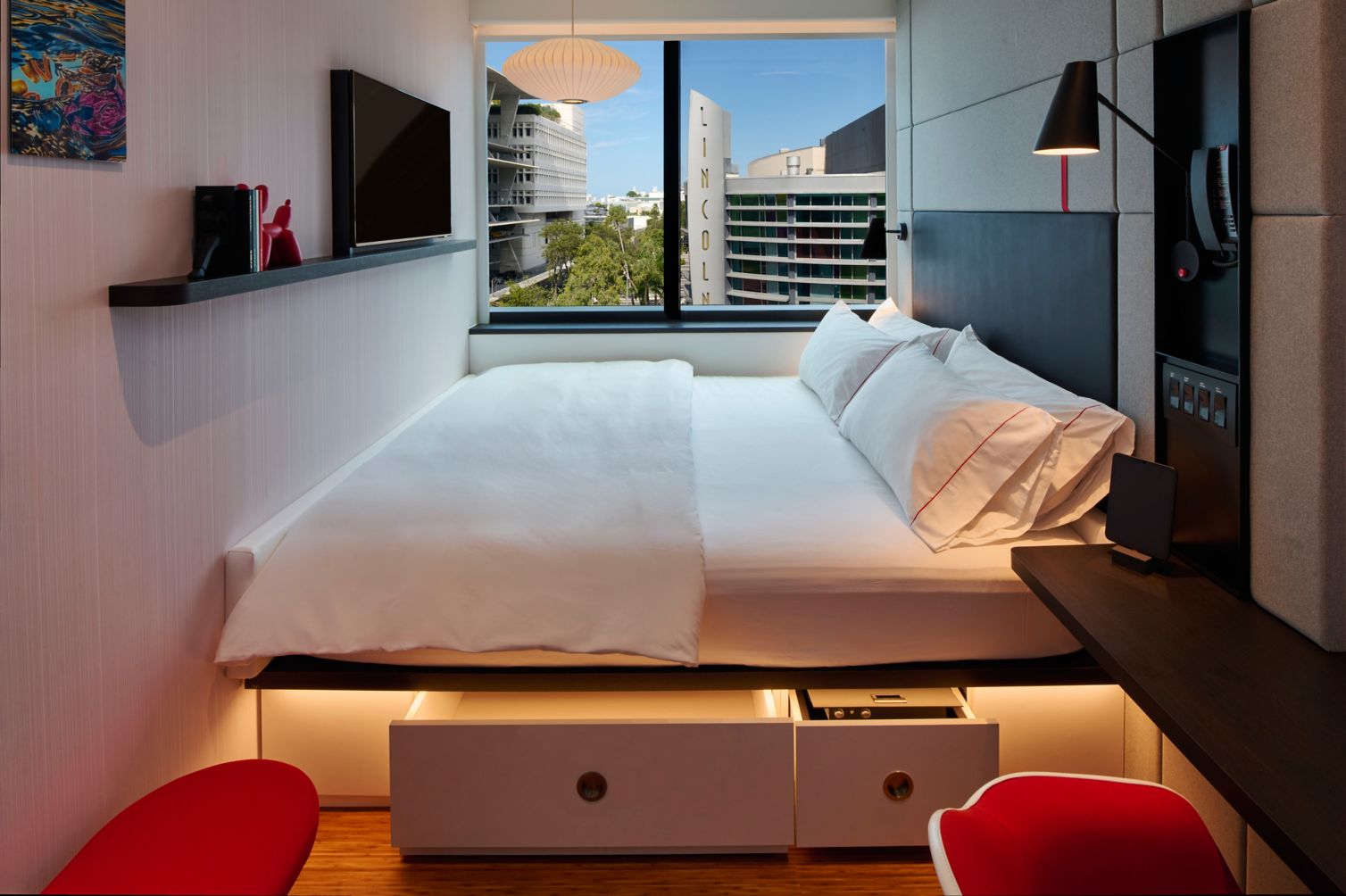
citizenM approaches the same challenge from another angle. Where Zoku leans toward residential flexibility, citizenM embraces compact efficiency in private rooms and expansive usefulness in public space. The rooms are small but highly functional, while the lobbies and lounges are designed to absorb the life that once had to happen behind a guestroom door. Work meetings, laptop hours, coffee breaks, and casual social encounters all unfold in spaces that feel more like a stylish urban clubhouse than a traditional hotel lobby. It is a model suited to a traveler who wants design and connectivity rather than domesticity, and who is perfectly happy to treat the hotel’s shared areas as an extension of both workday and downtime. In that sense, citizenM captures a central truth of contemporary travel: many guests do not need more square footage, they need smarter square footage.
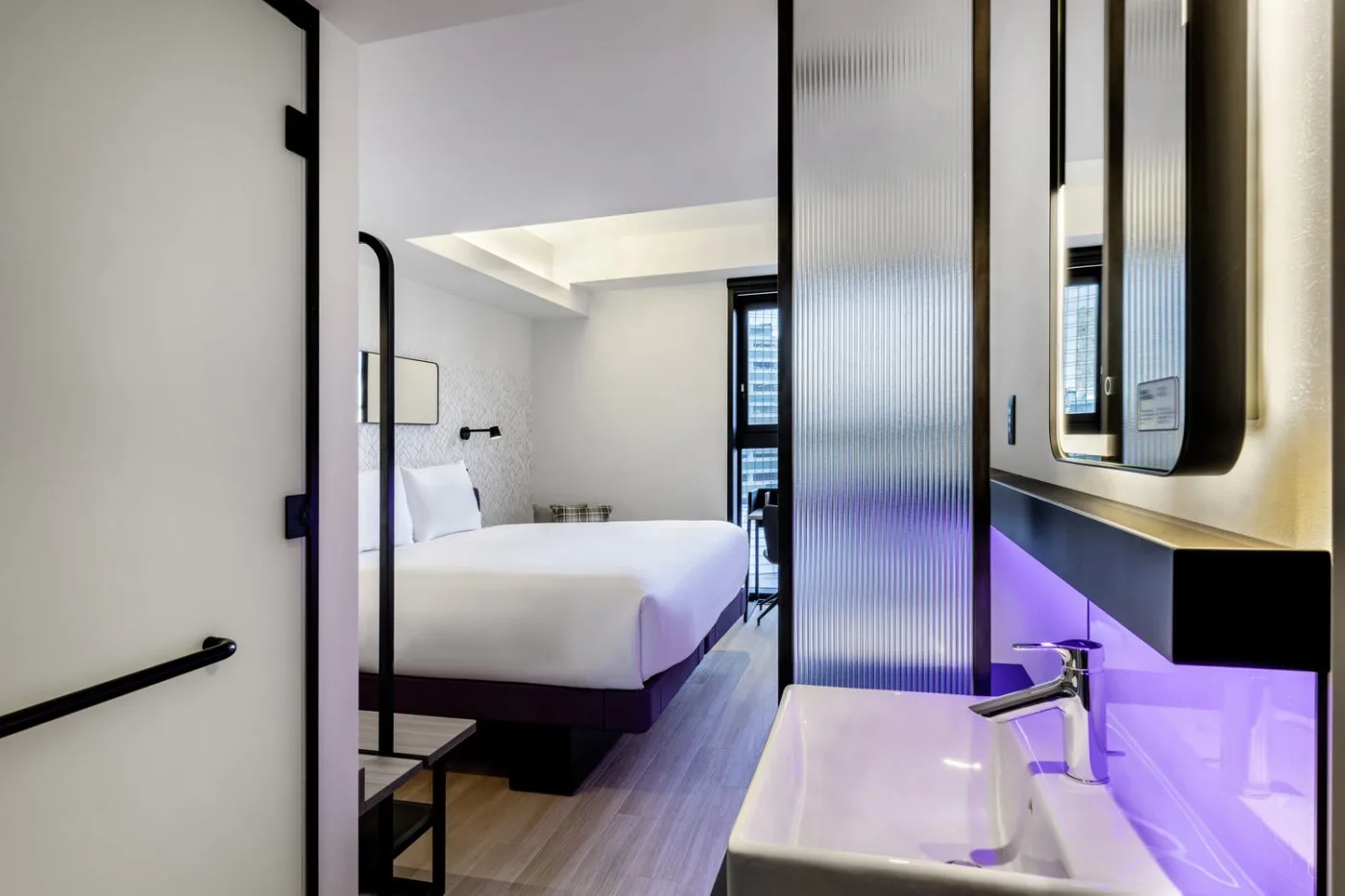
If those hotels reflect the changing nature of work, YOTELAIR speaks to the changing nature of motion itself. Airport hotels have long existed, but many were designed as fallback options, useful mostly because they were nearby. YOTELAIR reimagines the category by treating transit not as an inconvenience to endure, but as a condition to design for. Its properties inside or near major airports cater to travelers with long layovers, delayed flights, early departures, and broken itineraries. Hourly stays, compact but efficient rooms, showers, reliable Wi Fi, and work ready setups transform dead time into usable time. In a travel culture defined by compression, unpredictability, and constant movement, this kind of hotel is not merely convenient. It feels almost infrastructural. It helps restore agency to the traveler.
For guests whose journeys stretch beyond a night or two, extended stay brands are becoming newly relevant, especially for people in moments of transition. Hyatt House is a strong example of this shift. Built around apartment style layouts, kitchens, living areas, and laundry access, it offers something more valuable than standard hotel comfort. It offers continuity. A guest can cook breakfast, unpack properly, set up a workspace, and establish a routine that resembles ordinary life. That makes a significant difference not just for consultants on long assignments, but for those relocating for work, dealing with family emergencies, waiting for housing to come through, or navigating any circumstance in which temporary accommodation becomes part of the structure of daily life. Hotels like Hyatt House are no longer only serving travelers. They are serving people in motion.
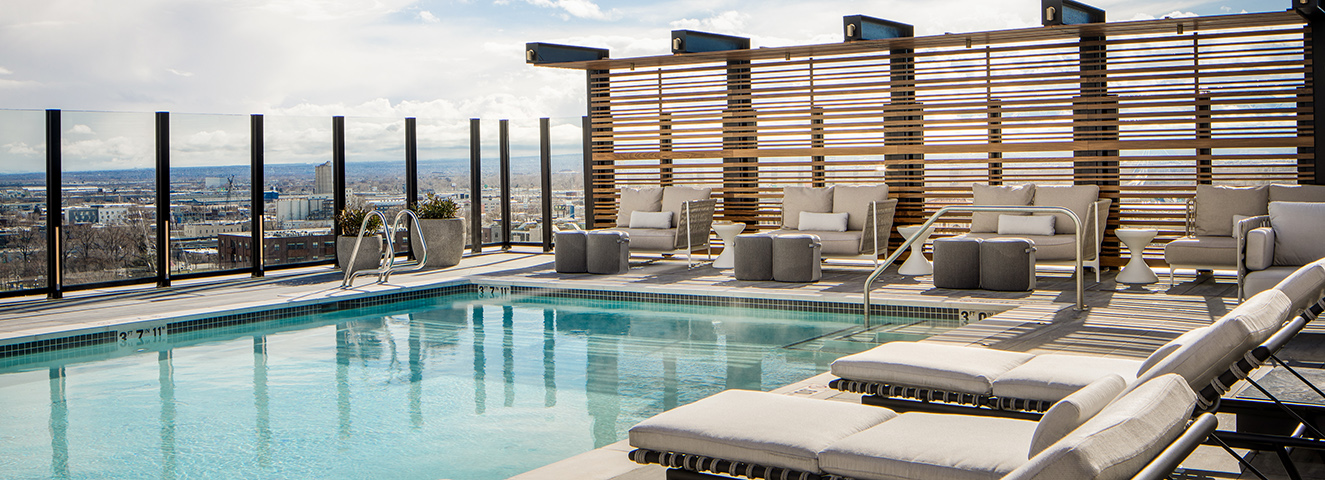
Element by Marriott occupies similar territory, though with a slightly more design forward sensibility. Here too, the appeal lies in preserving rhythm. Full kitchens, purposeful workspaces, and an atmosphere geared toward longer stays help guests maintain their habits instead of surrendering to the disorientation that hotel life often creates. This matters because transition is not always dramatic. Sometimes it looks like a month long work project, a gradual move to a new city, or a period of waiting between one stable arrangement and the next. Hotels like Element succeed when they make that waiting feel less suspended and more livable.
Sonder, meanwhile, pushes the idea even further by blurring the boundary between hotel and furnished apartment. For many travelers, especially those staying for a week or longer, this model feels increasingly intuitive. Sonder properties often offer kitchens, laundry, more residential layouts, and a stripped back style of hospitality that gives guests space to live rather than merely visit. It is particularly well suited to a guest who is testing out a city, settling into a temporary work assignment, or inhabiting the uncertain interval between one chapter of life and another. The appeal is not indulgence. It is autonomy. To stay in a space that allows for ordinary routines can be deeply reassuring when everything else feels provisional.
Taken together, these hotels point to a broader transformation in hospitality. The most relevant properties today are not only those with the best location or most photogenic interiors. They are the ones that understand what guests are actually asking of a room. Increasingly, that request is complex. It is not simply for rest, but for function. Not simply for escape, but for support. Not simply for service, but for a setting that can absorb the messy realities of how people now live and move.
That is what makes hotels designed for work, transit, and transition so compelling. They recognize that many guests are not traveling in the old sense of the word. They are in between. Between flights, between homes, between jobs, between versions of themselves. The best hotels no longer ignore that condition or treat it as secondary to leisure. They build for it directly.
And perhaps that is the most revealing shift of all. Hospitality used to promise an experience apart from life. Increasingly, it promises a way to carry life with you. In a world defined by mobility, uncertainty, and reinvention, that may be the most modern luxury a hotel can offer.
Discover more from SNAP TASTE
Subscribe to get the latest posts sent to your email.