
On August 2, 2025, JAPAN HOUSE Los Angeles hosted “Taste of Edo | Japanese Food Culture Through Ukiyo-e Art”, a captivating daytime event that brought together the rich history of Edo-period cuisine and the timeless beauty of Japanese woodblock prints. Attendees were invited to immerse themselves in Edo’s culinary heritage, with a deep dive into how food, art, and culture were interwoven during the period.
While Ukiyo Kuruma, a historical novelist and ukiyo-e expert, illuminated the cultural and culinary traditions of the Edo era, the event also featured a remarkable food tasting led by Chef Kazuma Yamasaki, a descendant of a 200-year-old fishing lineage from Awaji Island. Together, they offered a comprehensive exploration of Edo’s food culture, combining knowledge and flavor in a way that brought history to life.
The Art of Tofu: A Humble Ingredient with Endless Possibilities
One of the most compelling aspects of the event was the discussion surrounding Tofu Hyakuchin (豆腐百珍), a cookbook published in 1782 that remains the oldest known Japanese cookbook dedicated entirely to tofu. Compiled by Seikyōdōjin Kahitsujun, the book introduced 100 unique tofu recipes, ranging from everyday home style dishes to more elaborate culinary creations. The book’s categorization of recipes, boiling, grilling, frying, steaming, and dressing, highlighted tofu’s remarkable versatility.
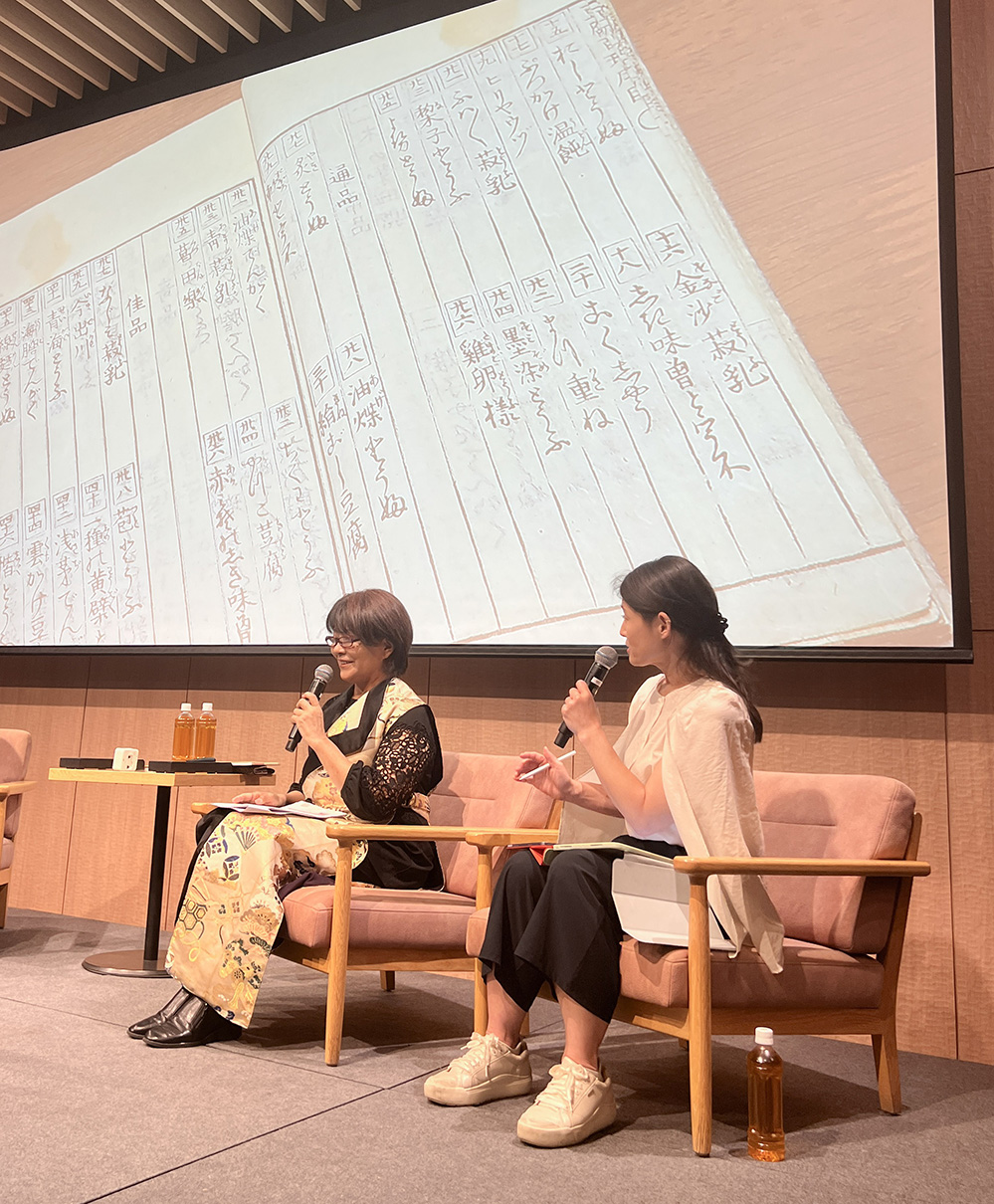
Kuruma noted that the cookbook was more than just a culinary guide—it was a cultural text that combined practical advice with literary wit, reflecting the period’s fascination with simplicity, seasonality, and frugality. Tofu, often seen as a humble ingredient, was transformed into a refined food that could adapt to any occasion, whether served simply or as part of a more complex dish.
Tofu and the Sakura: Symbolism and Seasonal Harmony
Kuruma also shared the special cultural connection tofu had to the sakura (cherry blossom) season. Its clean, white appearance and mild flavor made it a natural choice for hanami (flower viewing) picnics, where people gathered under the cherry trees to celebrate the fleeting beauty of spring. The simplicity and purity of tofu echoed the aesthetics of the sakura, both symbols of the season’s impermanence and renewal. Tofu’s adaptability, served warm or chilled, paired with fresh spring vegetables like bamboo shoots and wild greens, made it a cherished ingredient during this time.
Ukiyo Kuruma’s Tofu Feast: A Visual Archive of Edo’s Culinary Heritage
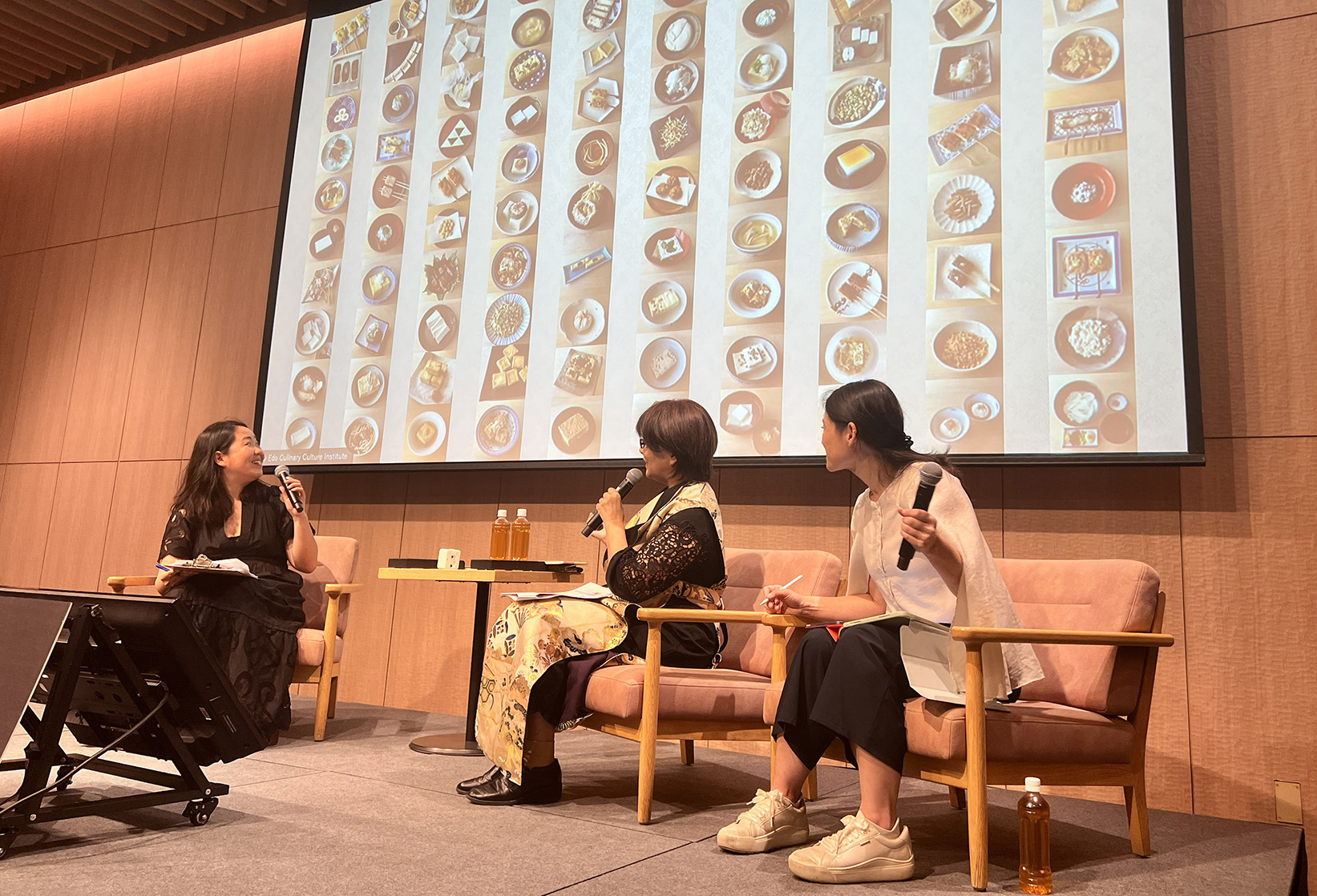
In addition to her insights into the cultural importance of tofu, Kuruma shared stunning photographs of her own culinary creations, showcasing the 100 tofu dishes inspired by Tofu Hyakuchin. These images provided a visual feast, illustrating the myriad ways tofu could be transformed in Edo period kitchens. From delicately fried tofu to tofu dressed in flavorful miso or sesame sauces, each dish reflected the era’s culinary artistry. Kuruma’s photographs were not only a testament to tofu’s versatility but also a celebration of the aesthetic sensibilities of Edo period cuisine.
The Origins of Sushi: Narezushi and Its Evolution
Another focal point of the event was narezushi, the oldest form of sushi in Japan, which dates back over 400 years. Unlike the fresh, vinegared rice sushi we know today, narezushi was a method of fish preservation, developed as a way to store fish before refrigeration. Kuruma explained how fish like funa (crucian carp) were heavily salted and layered with rice to ferment for months, sometimes up to a year. The rice, which absorbed the moisture and lactic acid from the fish, was typically discarded, and only the fermented fish was consumed.
While the intense, pungent flavor of narezushi is an acquired taste, it was a vital preservation method in an era without refrigeration. Over time, this early form of sushi evolved into quicker, fresher versions like hayazushi (fast sushi) and nigirizushi (hand formed sushi), which became the sushi we recognize today.
Ukiyo-e: A Window into Edo’s Food Culture
As Kuruma shared her insights, ukiyo-e prints, such as Hokusai’s The Great Wave off Kanagawa, adorned the venue, offering a visual backdrop to the history of Edo’s food culture. Ukiyo-e prints, mass produced and widely accessible during the Edo period, depicted everything from food vendors to kabuki actors enjoying meals. These prints not only captured the urban vibrancy of Edo life but also reflected the cultural significance of food, which was enjoyed both for sustenance and as an aesthetic experience.
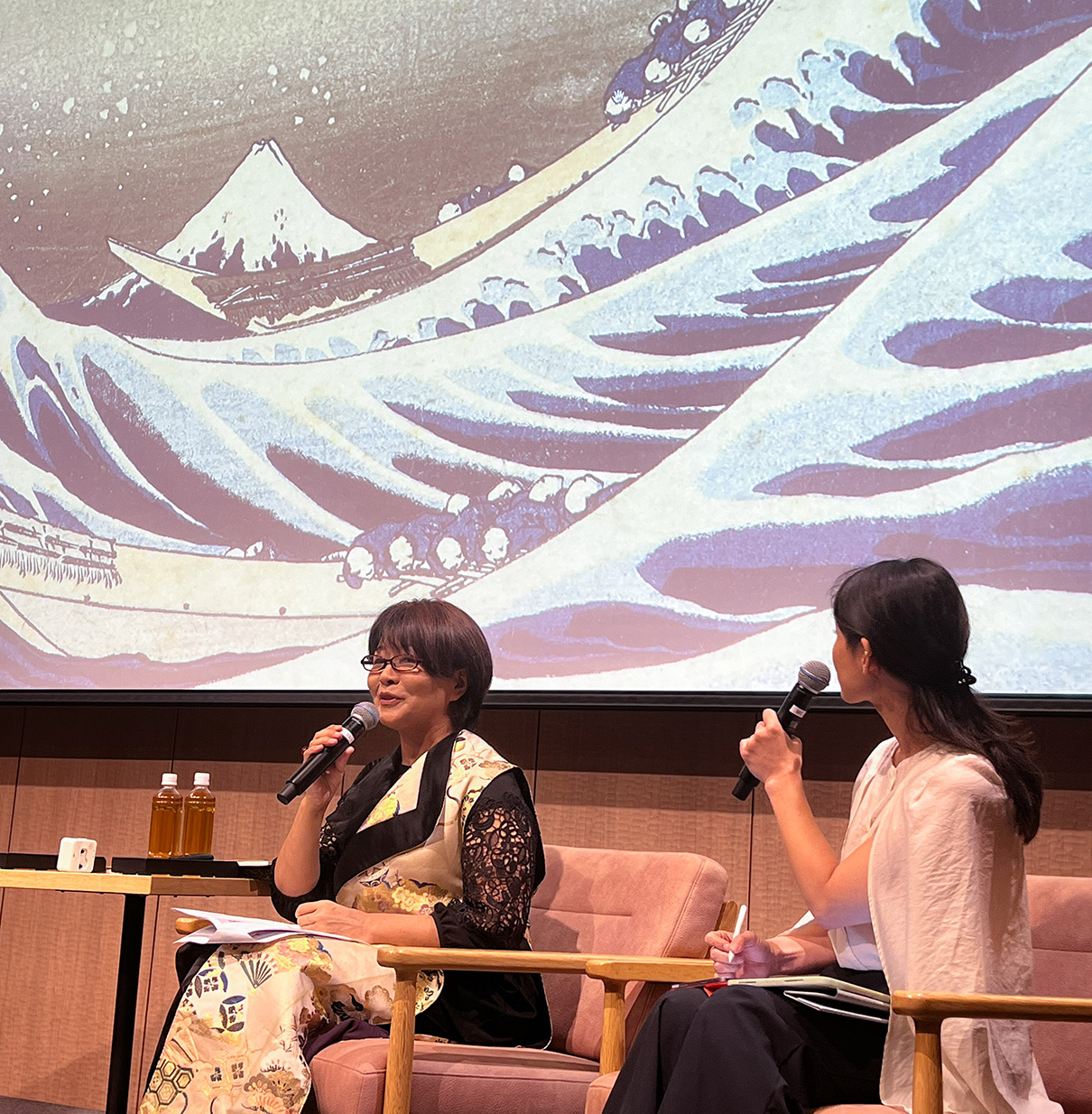
The Great Wave itself, created in 1831, is one of the most iconic examples of ukiyo-e. The image of a massive wave threatening to swallow small boats while Mount Fuji remains calm in the background mirrors the Edo period’s deep engagement with the unpredictability of nature and food. Whether it was the preservation of fish in narezushi or the delicate handling of seasonal ingredients like tofu, food during the Edo period reflected both the beauty and the challenges of navigating nature’s forces.
The Tasting: A Culinary Journey with Chef Kazuma Yamasaki
While Kuruma provided the historical context, Chef Kazuma Yamasaki brought the Edo period’s food culture to life with his tasting menu. A descendant of a 200 year fishing lineage from Awaji Island, Chef Yamasaki’s expertise in traditional Japanese cuisine was evident in each carefully prepared dish. The menu paid homage to Edo period techniques and seasonal ingredients, and guests were treated to dishes inspired by the era’s culinary traditions.
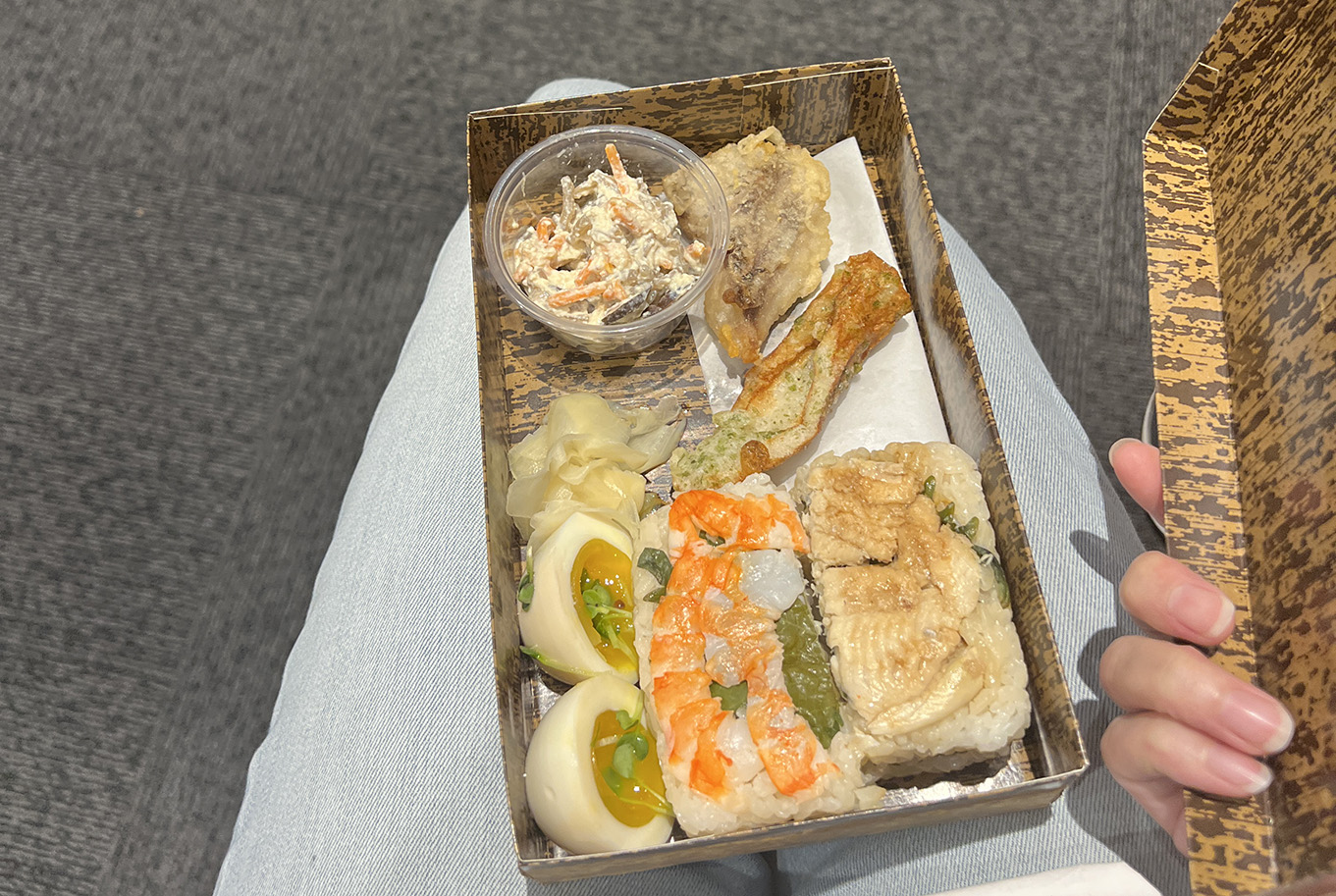
Highlights of the tasting included:
- Shiraae—a cold tofu salad dressed with white miso, sesame, and seasonal vegetables, perfectly capturing the simplicity and elegance of Edo period cuisine.
- Oshizushi—pressed sushi featuring fresh fish and shrimp, evoking the historical transition from preserved fish to vinegared rice sushi.
- Tempura—fish and fish cakes lightly battered and fried, a nod to the Edo tradition of tempura, which was enjoyed for its crisp texture and seasonal flavors.
Chef Yamasaki’s culinary expertise provided guests with an authentic taste of the Edo period, blending history with the present in a way that made the past come alive on the plate.
As the event unfolded, it became clear that “Taste of Edo” was not merely a food tasting—it was a profound journey through history, art, and culture. Through Ukiyo Kuruma’s insights into Edo food culture, the stunning 100 tofu dishes, and the expert tasting menu curated by Chef Yamasaki, attendees were offered a glimpse into the delicate balance between food and culture that defined the Edo period.
Whether it was the symbolic significance of tofu during the sakura season, the enduring legacy of narezushi, or the vibrant food culture captured in ukiyo-e art, the event showcased how food is not only sustenance but also an expression of culture, history, and aesthetic values. This event taught many of us not only about Edo period cuisine but also about the profound connection between food, art, and the cultural identity of Japan, with each dish and print telling a story of its own.
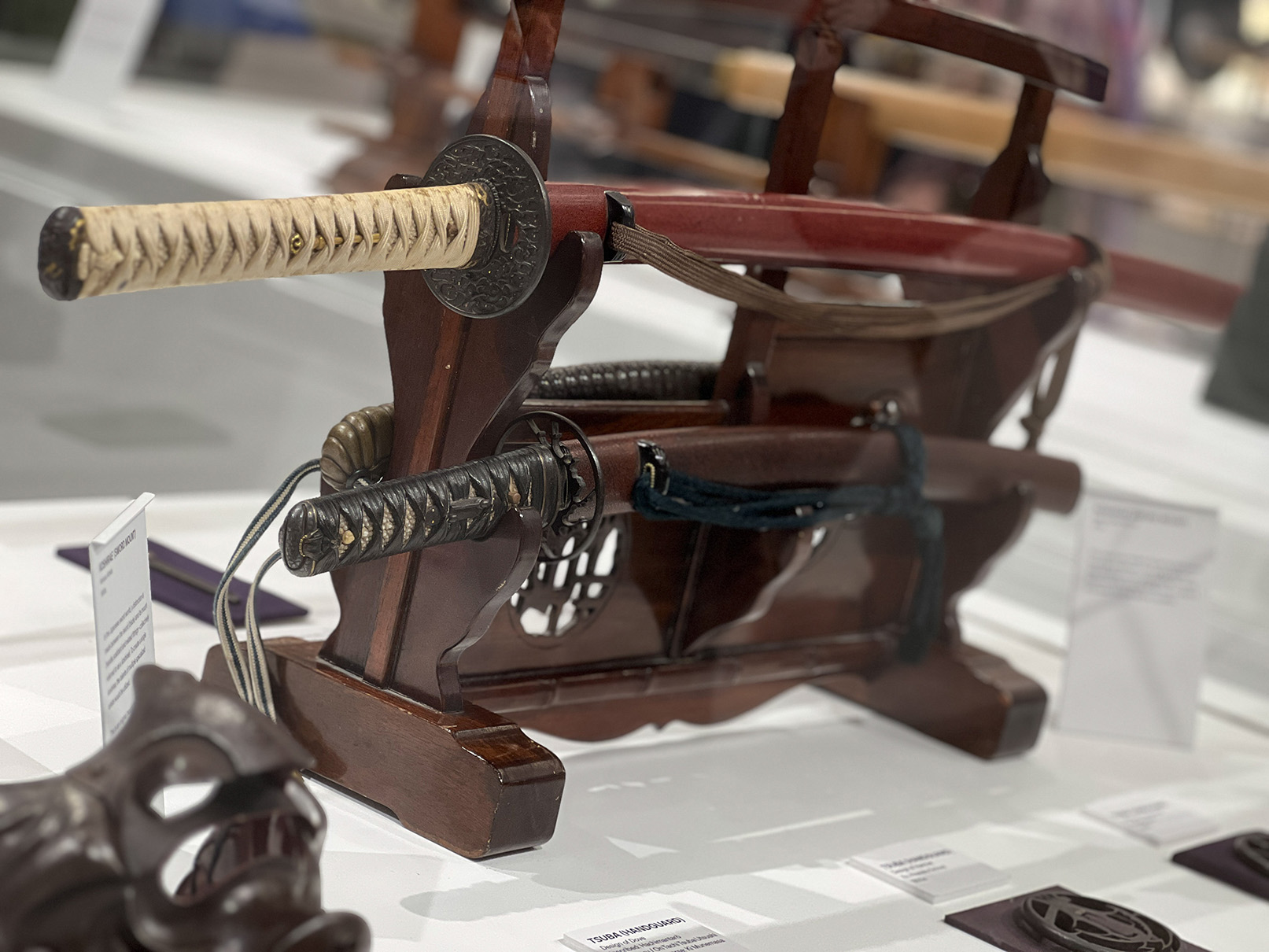
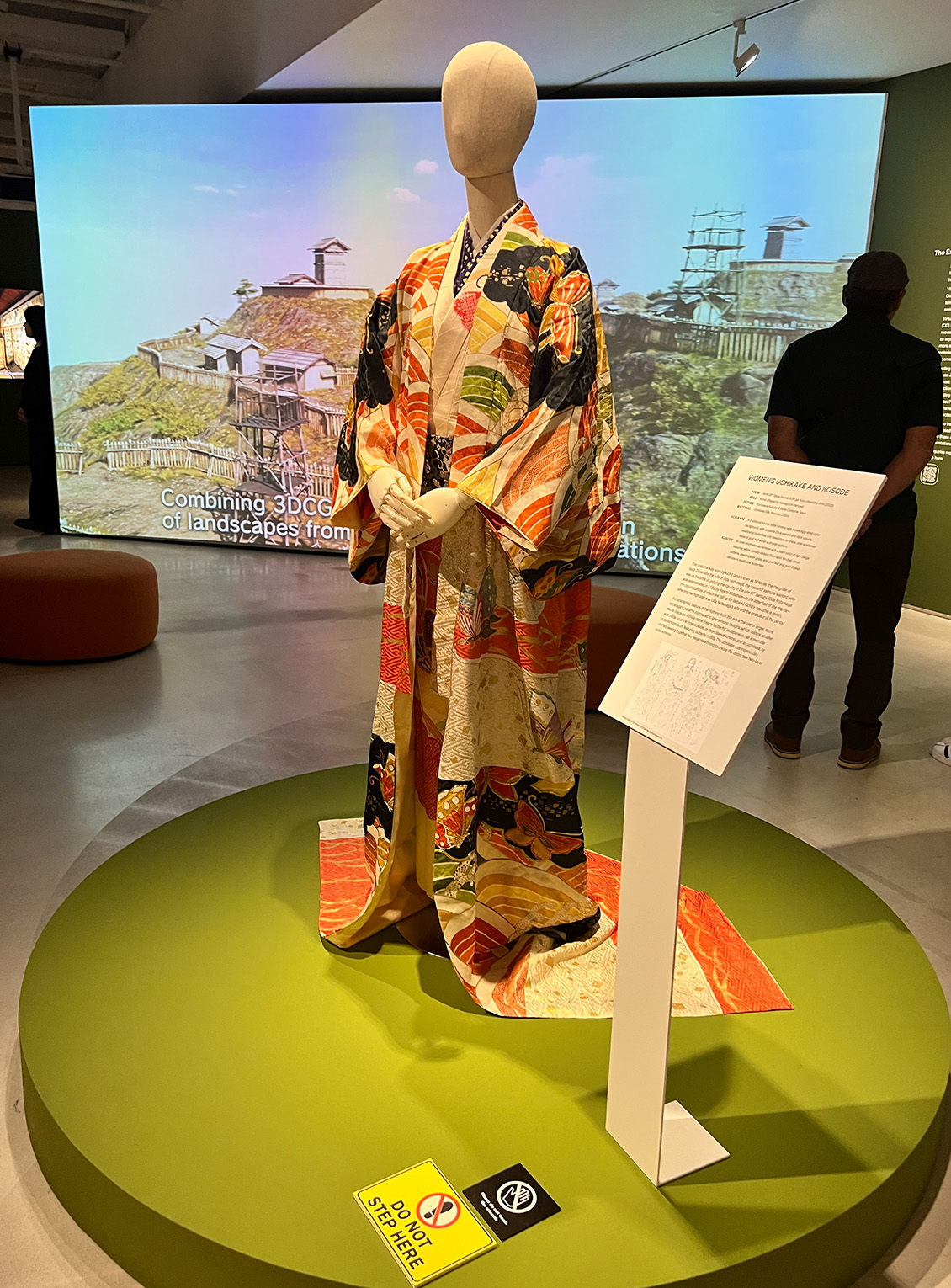
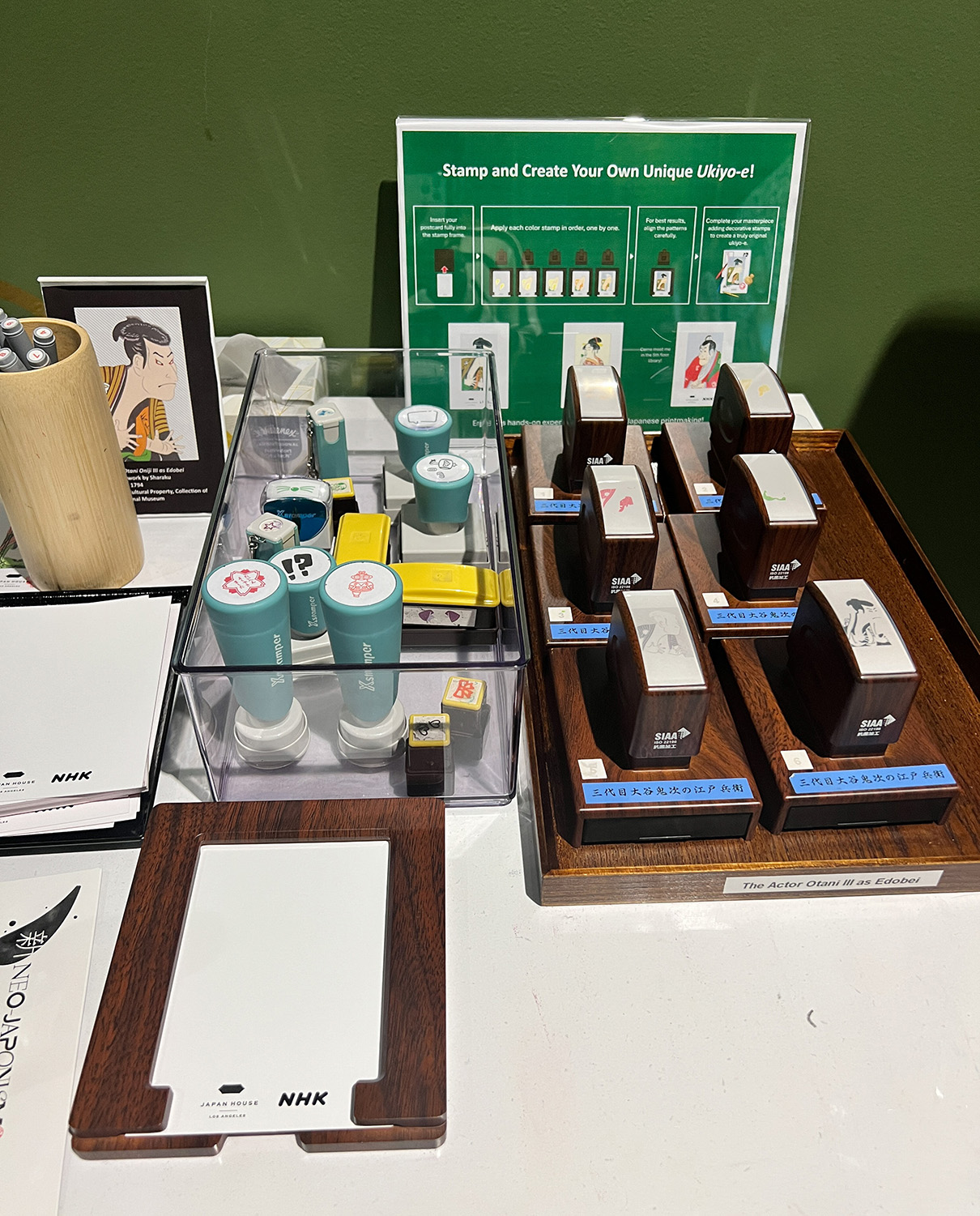
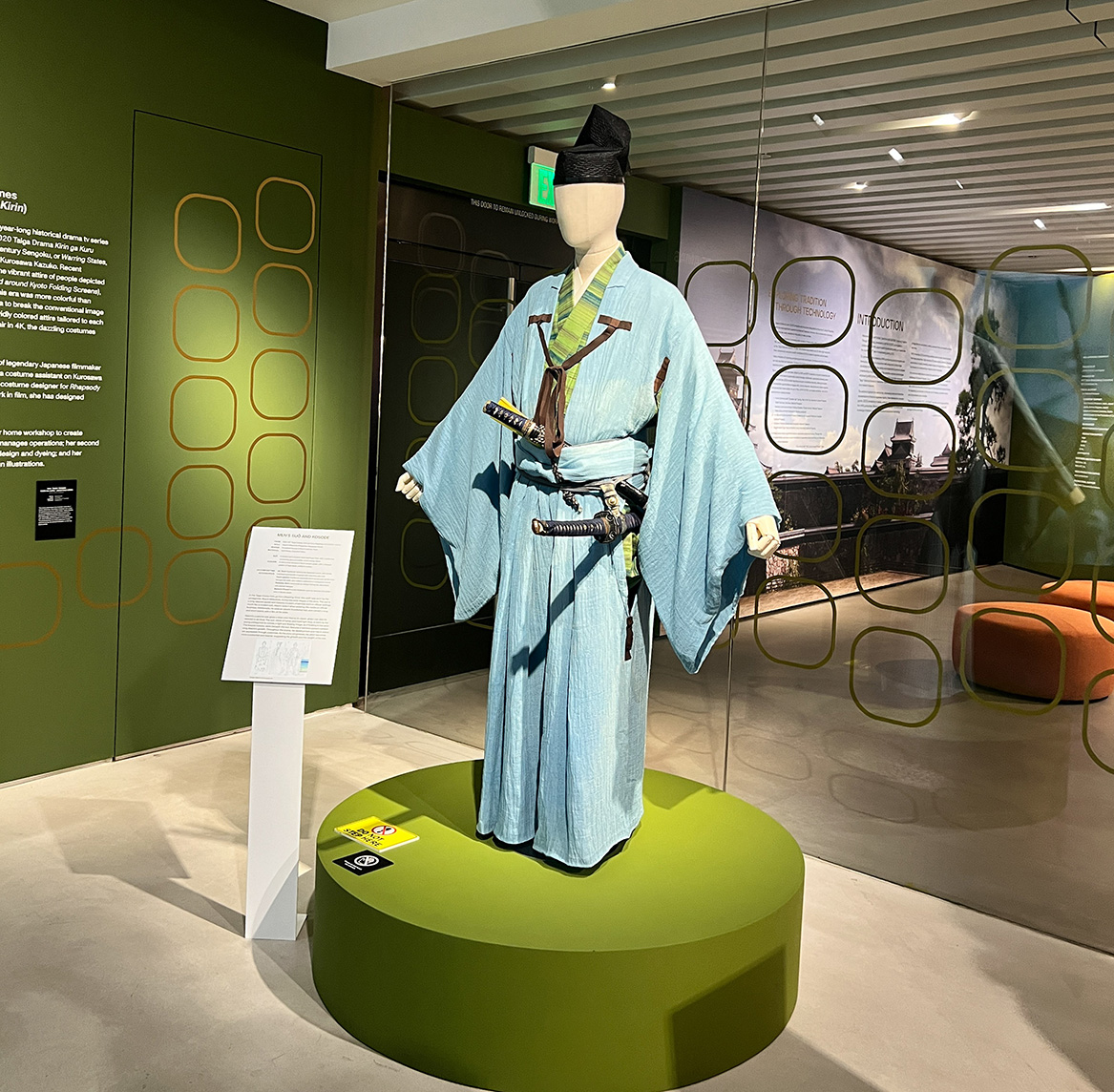
“NEO-JAPONISM | SAMURAI AND BEYOND” exhibition