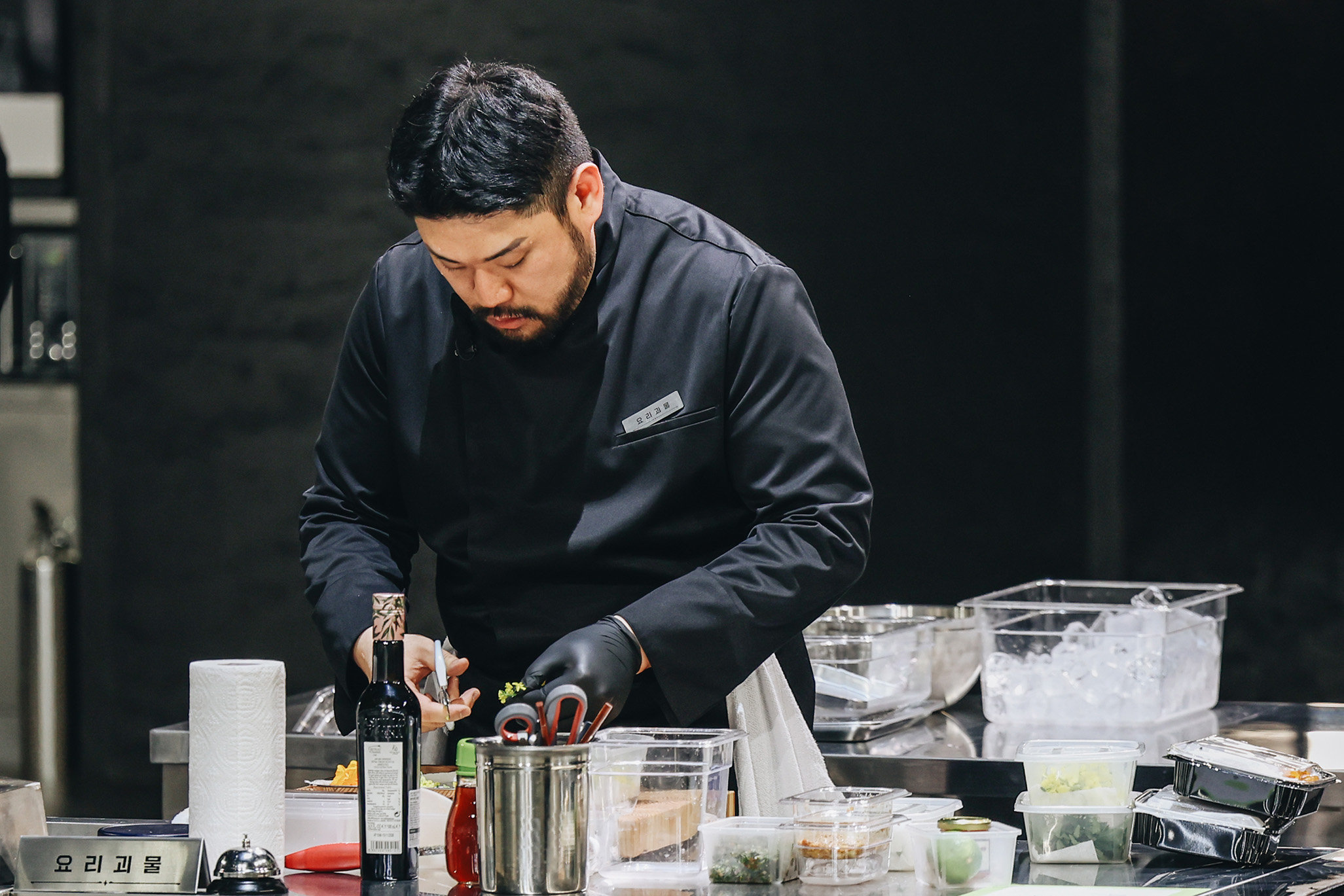

Produced by Netflix, Culinary Class Wars operates less as a conventional competition than as a study in culinary judgment. The series brings together established chefs, known as White Spoons, and emerging or unconventional talents, the Black Spoons, under the scrutiny of restaurateur Paik Jong-won and Michelin-starred chef Ahn Sung-jae. Their evaluations consistently privilege clarity, balance, and restraint. By Episodes 4 through 7 of Season Two, the program articulates values closely aligned with Michelin-level gastronomy.
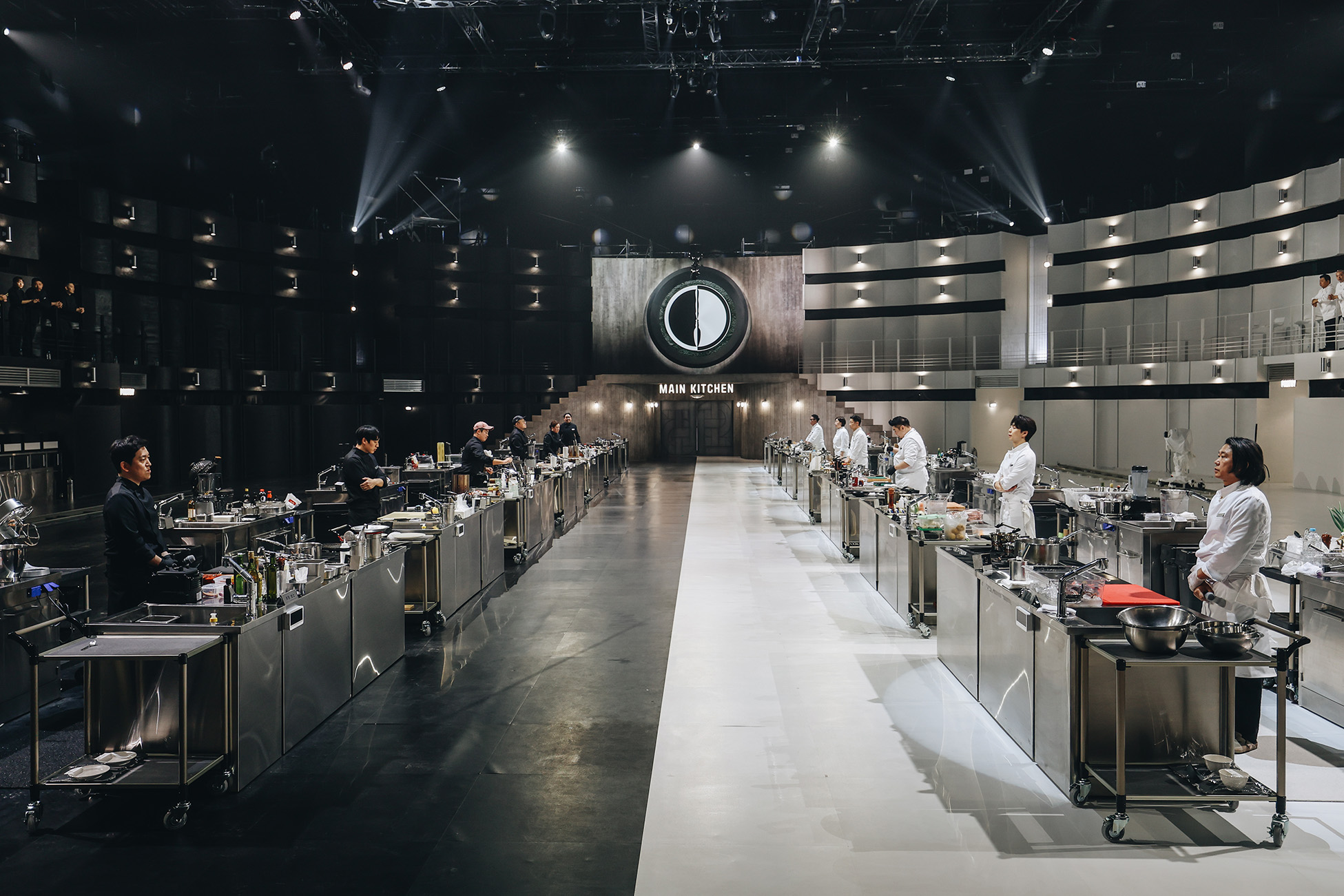
Episode 4 marks a decisive shift by granting authority to the ingredient itself. Pine nuts, blue crab, quail, sea squirt, and monkfish are treated without narrative protection. In the pine nut duel, Dweji Gomtang advances through measured handling and controlled texture, while more ornate approaches are quietly penalized. The blue crab challenge exposes the cost of overconfidence, as technical ambition falters under scrutiny of finish and precision. In contrast, chefs such as Rebellious Genius advance by demonstrating restraint and compositional clarity rather than complexity.
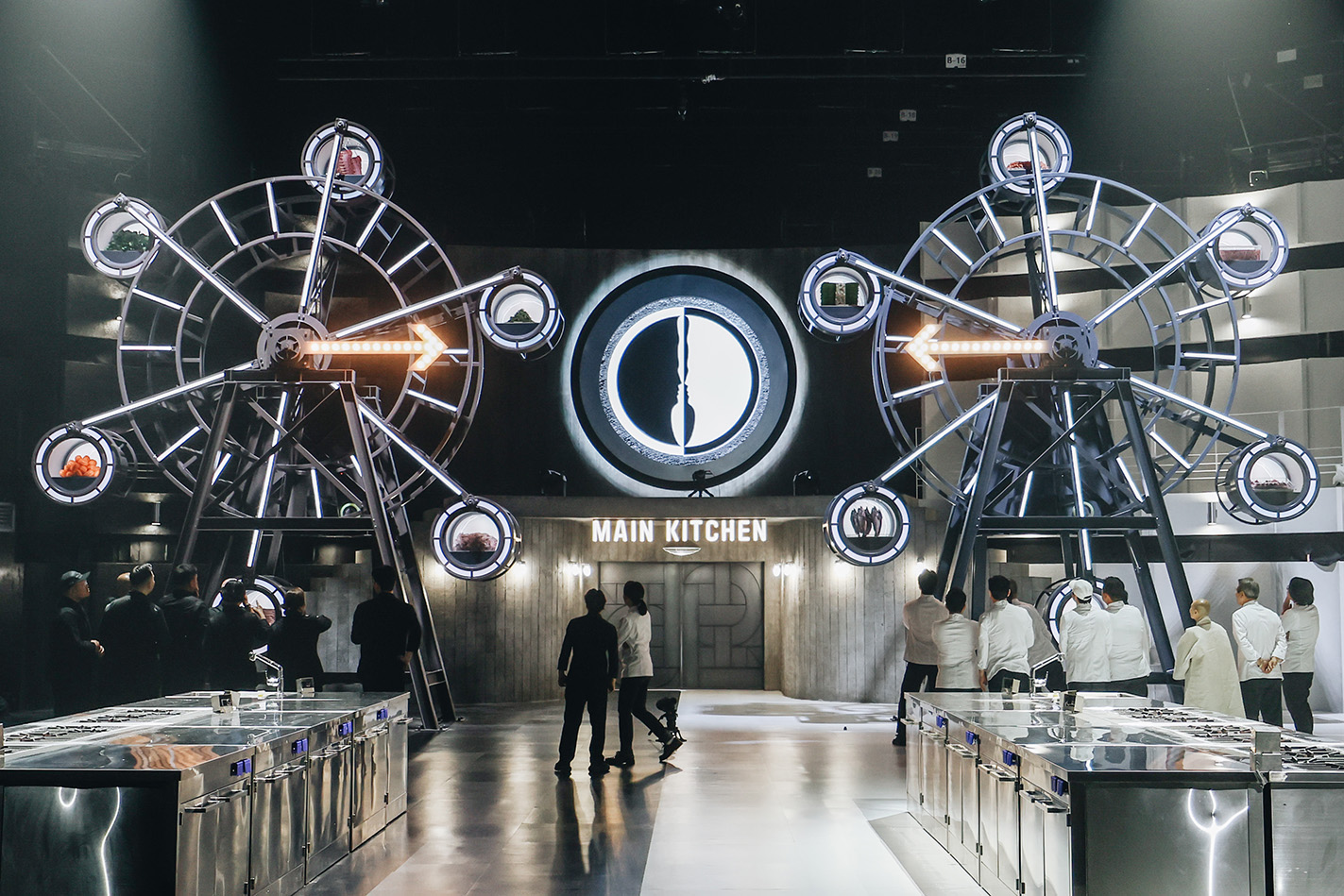
The unresolved monkfish duel, featuring Jung Ho-young and Seoul Mother, becomes emblematic of Michelin-level evaluation. The extended deliberation reflects how, at the highest standard, distinctions are drawn from balance, seasoning, and finish rather than visible technique.
Episode 5 extends the conversation toward regional and emotional accuracy. In the whelk challenge, Park Hyo-nam prevails through disciplined seasoning and respect for the ingredient’s natural character. Similarly, the green onion duel highlights how familiarity and cultural fluency can elevate a humble component when handled with restraint. These outcomes mirror a Michelin principle increasingly evident in contemporary dining: luxury is defined by depth of understanding, not transformation.
In Episode 6, chefs are required to operate beyond their established identities. Signature styles offer little protection as fundamentals take precedence. Competitors such as Kang-rok distinguish themselves through composure, structural coherence, and reliable execution. Protein cookery, sauce integration, and balance become decisive, aligning closely with classical fine-dining standards where innovation is meaningful only when supported by discipline.
Episode 7 delivers the season’s most exacting test: the execution of one hundred identical dishes in a single service. This challenge reframes luxury as consistency rather than rarity. Chefs who succeed demonstrate not virtuosity, but command. Dishes are designed to withstand repetition, techniques are simplified, and leadership becomes inseparable from execution. In Michelin terms, this is cuisine understood as craft at scale.
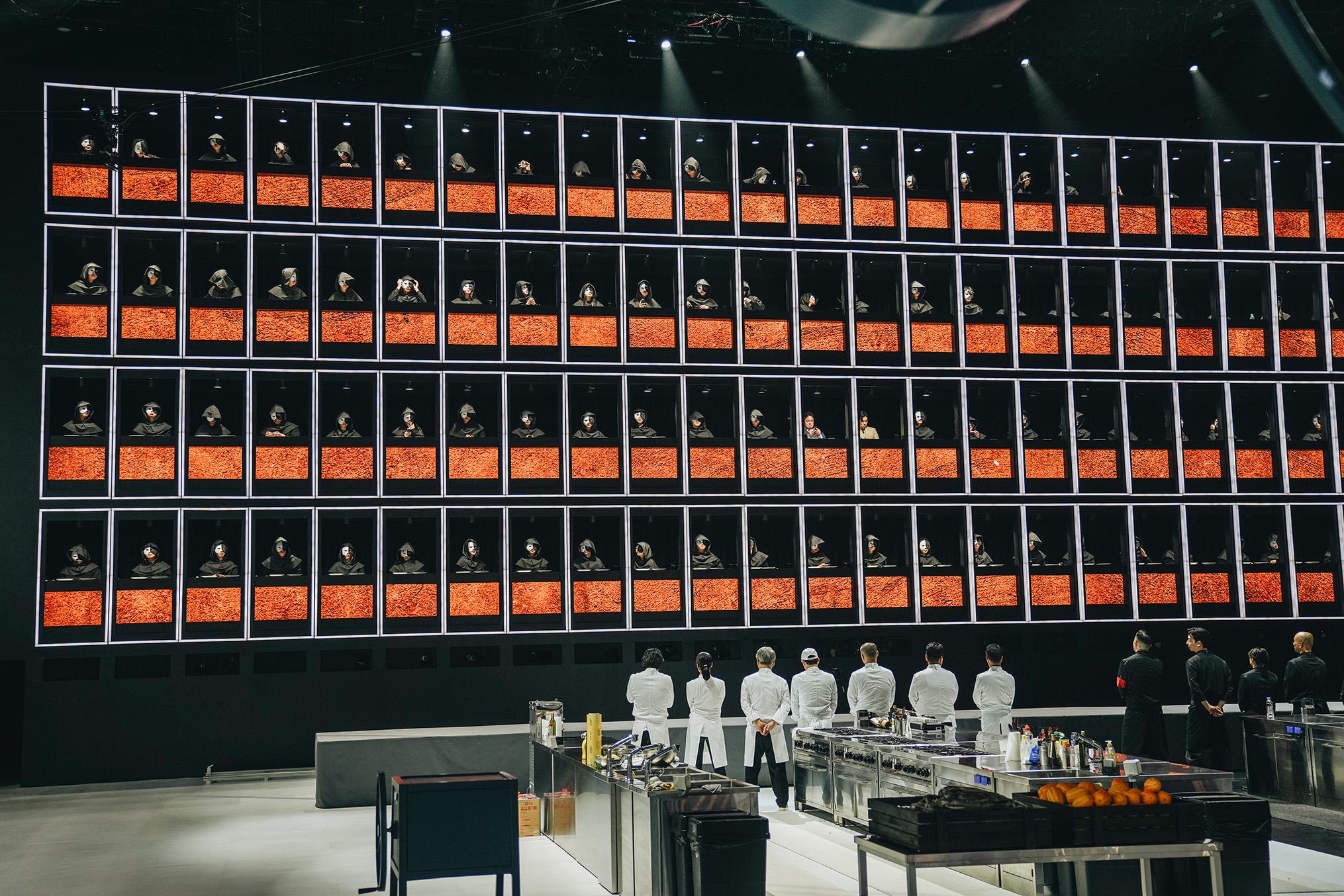
Those who rely on intricate constructions struggle under the weight of repetition, as minor imprecision compounds across plates. The episode affirms a core gastronomic truth familiar to the world’s leading kitchens: refinement is sustainable only when it is engineered.
Taken together, Episodes 4 through 7 position Culinary Class Wars as a thoughtful reflection on contemporary gastronomy within a Netflix framework. The chefs who distinguish themselves do so quietly, through judgment rather than assertion. In this context, restraint is not an aesthetic choice, but the clearest measure of mastery.