



Creative Asia returned to Busan on September 20, 2025, transforming the city into a vibrant hub for film innovation. Presented by Netflix in partnership with the Busan International Film Festival (BIFF), the gathering drew more than 250 filmmakers, press, and industry leaders for a full day of creative exchange. From early keynotes to late-afternoon masterclasses, the event showcased how Asia’s storytellers are shaping the next era of cinema.
Opening the program, BIFF Program Director Karen Park highlighted the shared mission of BIFF and Netflix to elevate Asian stories into global ones, breaking down cultural and language barriers that once limited their reach. That vision continued with Minyoung Kim, Netflix’s VP of Content (APAC ex-India), who shifted attention from the finished product to the production artists who make it possible. She spoke of thousands of talented production people making countless decisions to bring each story to the screen and pledged to foster environments where creativity thrives. Over the past decade, Netflix has partnered with more than 250 local production houses across the region, tailoring initiatives such as Reel Life in Southeast Asia and the VFX Academy in Korea to local strengths. Kim also announced the Lumina Initiative in Australia and plans to extend Creative Asia to JAFF in Indonesia this December. From 2021 to 2024, more than 8,000 people have already benefited from these programs.
Innovation in production remained a key theme as Sung Q Lee, Netflix’s Senior Director of Production (APAC ex-India), led a panel on creating safer, more inventive film sets. He emphasized that Netflix aims not merely to comply with local standards but to help set new ones. Panelists provided a regional perspective on these changes. In Thailand, producer Chartchai “Nat” Ketnust described a cultural shift toward daily safety meetings, improved working hours, and open actor–director dialogue to prevent conflicts. In Japan, intimacy coordinator Momoko Nishiyama explained how a once-skeptical industry now embraces her role, empowering cast and crew to voice boundaries and supporting on-set well-being. In Korea, producer Yongsu Lee shared lessons from the globe-spanning production of Can This Love Be Translated?, where daily crew briefings and open communication ensured safe, efficient shoots. Together, their insights painted a picture of an industry moving toward healthier work cultures and world-class production standards.
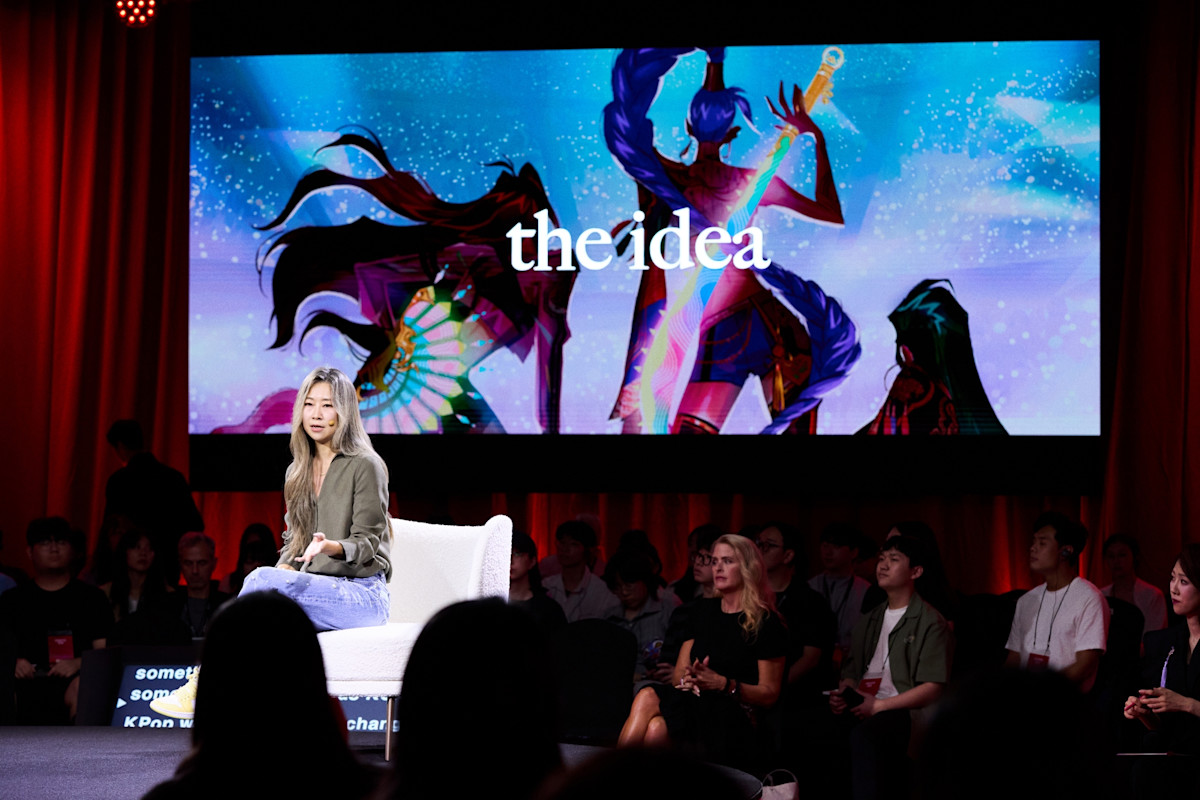
The afternoon spotlight turned to imagination and craft. Guillermo del Toro and Yeon Sang-ho opened the series of masterclasses with a conversation on filmmaking as a poetic, collaborative art. Del Toro described cinema as “poetry with hardware,” where every raindrop and camera angle contributes to the story. Yeon praised animation’s ability to experiment quickly and explore new creative possibilities. Production designer Yui Miyamori and Netflix’s Shin Takahashi followed with the intricate world-building behind Last Samurai Standing, detailing how collaboration and careful review elevate design. Director Leste Chen, speaking with Netflix executive Maya Huang, reflected on how long-form series like his upcoming thriller The Resurrected allow complex themes such as revenge and justice to unfold with greater emotional depth. Finally, Maggie Kang traced the making of KPop Demon Hunters, the animated hit inspired by Korean folklore and K-pop spectacle, showing how authenticity and bold cultural fusion can resonate globally.
The day closed with a practical, forward-looking training session co-hosted with the Korea Creative Content Agency (KOCCA). Hollywood veterans Joe Peracchio and Michael Lehmann led workshops on screenwriting and directing, part of Netflix’s ongoing collaboration with KOCCA and Korea’s Ministry of Culture, Sports and Tourism. Through the Netflix Fund for Creative Equity, these efforts include courses in VFX, sound, and story development to support the next generation of storytellers.