




The most memorable hotels rarely announce themselves. They do not compete for attention through scale or spectacle. Instead, they reveal themselves gradually, through light at a certain hour, through the weight of a door handle in the hand, through the way silence is protected rather than filled. These are places designed less to impress than to attune. Their architecture, service, and rhythms are calibrated to mood, perception, and memory.
Across continents, a quiet reorientation is taking place in hospitality. Luxury is being redefined not as abundance, but as emotional precision. The question is no longer how much a hotel contains, but how carefully it shapes experience. Many of these hotels are small. Some are remote. Others sit within cities yet feel curiously apart from them. What unites them is an attention to feeling over footprint, and an understanding that atmosphere is as architectural as walls.
This is not minimalism for its own sake. It is a cultivated restraint, informed by landscape, history, and a belief that guests arrive carrying enough noise already.
The emotional intelligence of space
Hotels built around feeling tend to begin with a psychological premise. They consider how the body moves through space, how the eye rests, how the nervous system responds to texture, sound, and light. Rooms are not neutral containers but carefully composed environments. Windows frame rather than dominate. Materials age well. Technology recedes. Service feels observant, never performative.
Such hotels often favor reuse over expansion, or light-touch construction over grand statements. Their physical modesty allows for emotional depth. They trade the drama of arrival for the intimacy of inhabitation.
What follows is not a ranking, but a geography of sensibility. A constellation of hotels, grouped loosely by region, that exemplify this quieter, more deliberate approach.
North America
Fogo Island Inn
On the edge of the North Atlantic, Fogo Island Inn stands like a punctuation mark against sea and sky. Its architecture is assertive yet deeply contextual, lifted on stilts in dialogue with the island’s vernacular fishing stages. Inside, the experience is profoundly human. Rooms are spare and generous at once, oriented entirely toward the horizon. Weather becomes a companion. Time loosens its grip.
The inn operates as a social enterprise, with profits reinvested into the local community. This ethic permeates the stay. Furniture is made by island craftspeople. Meals are communal, rooted in place and season. The feeling is not of escape, but of temporary belonging.

Piaule Catskill
Piaule is less a destination than a clearing. Set among dense woodland, its dark timber cabins recede into the landscape. Interiors are disciplined and tactile, concrete and wood softened by linen and filtered light. The forest presses close to the glass.
Days here unfold quietly. Guests speak in lowered voices, as if the architecture itself has suggested it. The spa and restaurant feel secondary to the act of looking, walking, resting. Piaule understands that luxury can be a matter of permission rather than provision.

Hotel Saint Cecilia
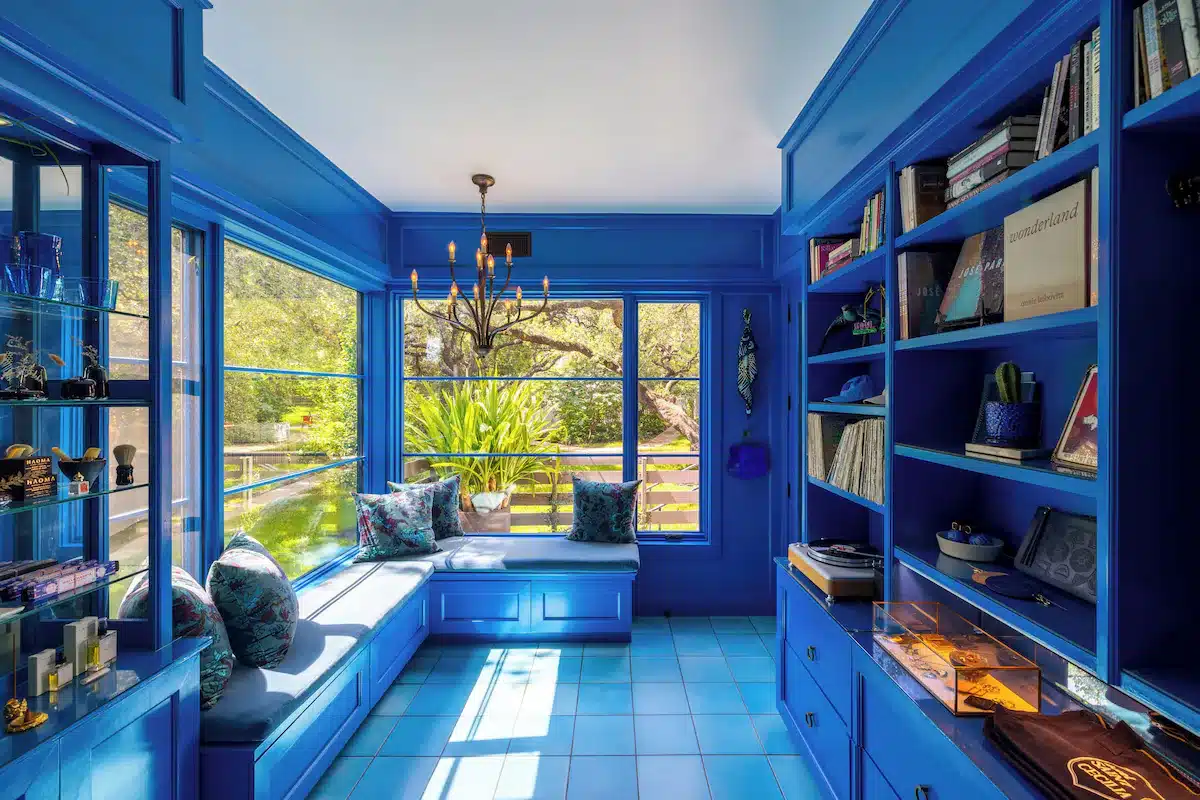
In a city defined by sound, Hotel Saint Cecilia offers a cultivated hush. Housed in a historic mansion with a handful of bungalows, it feels closer to a private residence than a hotel. Velvet, dark wood, curated books, and turntables replace the usual signals of hospitality.
Music is the underlying language here, but never loudly. The atmosphere is intimate, almost conspiratorial. A place designed for late mornings, long baths, and private reveries rather than social display.
Feeling the North
A Deep Dive into Boutique Hotels of the Nordic Region
The North has never relied on spectacle. Its power lies elsewhere, in restraint, in clarity, in a particular intimacy between human shelter and an often uncompromising landscape. Nordic boutique hotels, at their most thoughtful, do not attempt to soften this relationship. They choreograph it. They frame weather rather than resist it. They treat silence as material. They assume a guest who is willing to look, wait, and feel.
In this region, building small is not a trend but a cultural logic. Resources are respected. Craft is visible. Architecture is expected to age well. The result is a hotel culture that privileges atmosphere over abundance and emotional calibration over display.
What follows is a close reading of Nordic hotels that are built around feeling, not footprint. These are places where design decisions are inseparable from psychology and where luxury is expressed through care, proportion, and trust in the guest’s perceptiveness.
Norway
Architecture as dialogue with terrain

Juvet Landscape Hotel
Juvet is often described as a landscape hotel, but the phrase undersells its precision. Set in a steep river valley, the property is composed of individual rooms placed like punctuation marks along the terrain. Each structure is positioned to capture a distinct encounter. One frames water in motion. Another opens onto birch trunks and lichen-covered rock. A third looks directly into snowfall.
The architecture is restrained to the point of humility. Glass, dark timber, concrete. Interiors are nearly monastic, yet never severe. Beds are oriented toward windows, not walls. Lighting is low and indirect, calibrated to the rhythms of daylight rather than to spectacle.
Staying at Juvet heightens perception. Guests become acutely aware of weather shifts, sound, and the passing of time. The hotel does not provide distraction. It provides conditions for attention.
Why it endures emotionally is simple. Juvet does not tell you what to feel. It places you carefully and lets the landscape do the work.
Hotel Storfjord
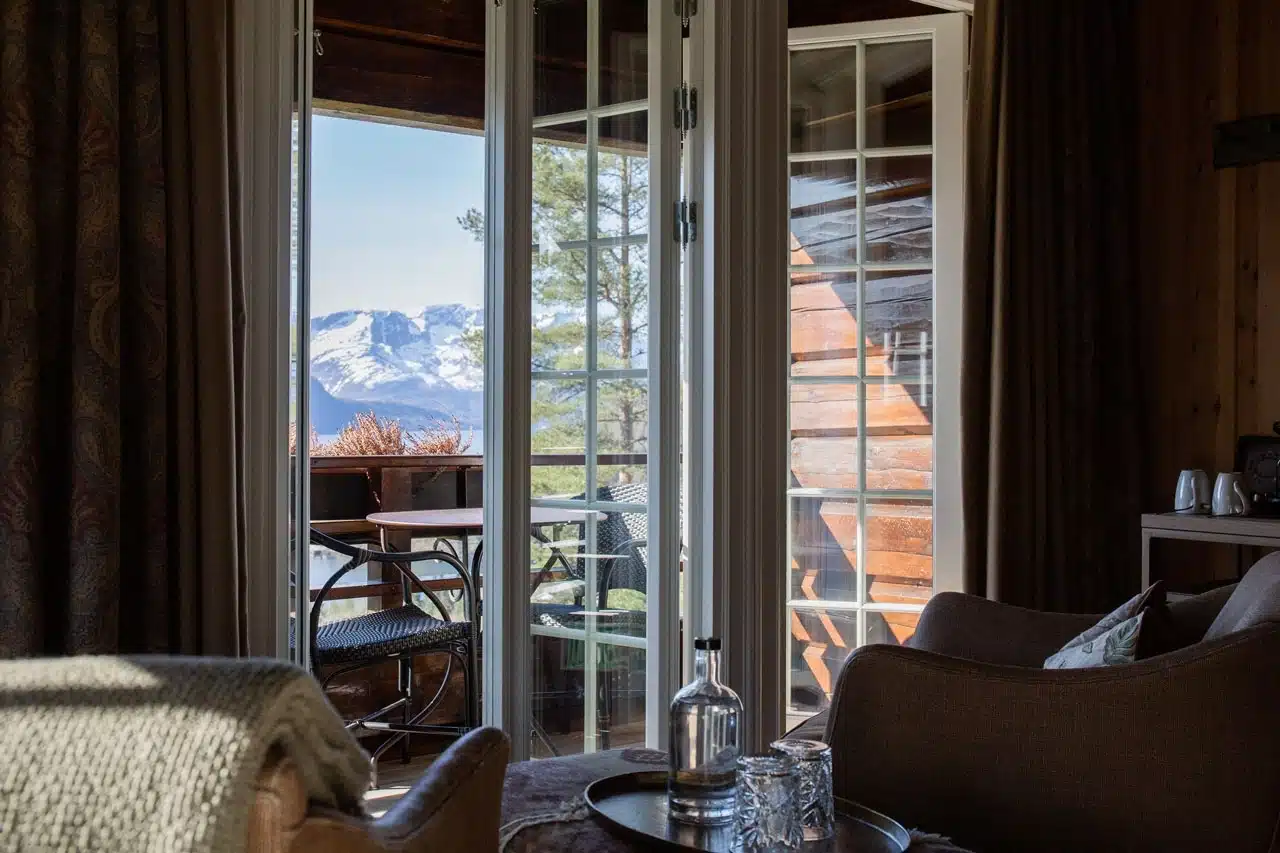
Where Juvet is austere, Storfjord is enveloping. Built as a timber lodge overlooking fjords and mountains, it leans into warmth, enclosure, and the emotional comfort of shelter. Thick wood beams, wool textiles, stone fireplaces, and subdued lighting create an atmosphere that feels almost alpine, even when the sea is visible below.
The scale is intentionally intimate. Common rooms feel residential rather than grand. Bedrooms are quiet, tactile, and inward-looking. Large windows frame the vastness outside, but the interior always draws you back in.
Storfjord excels at a particular Nordic paradox. It allows the landscape to remain dramatic and untamed, while offering the guest a profound sense of safety within it. The luxury here is not the view alone, but the contrast between exposure and refuge.
Sweden
Quiet experimentation and cultivated play

Treehotel
Treehotel operates at the intersection of architecture and imagination. Its rooms, suspended among pine trees, take on distinct forms. The Mirrorcube reflects the forest so completely it almost disappears. Other rooms resemble birdhouses or geometric pods.
Despite the conceptual architecture, the experience is unexpectedly calm. Interiors are compact and thoughtfully designed. Sound is absorbed by snow and forest. Nights are deeply quiet. The novelty never overwhelms the nervous system.
What Treehotel understands is that playfulness does not require noise. It can coexist with restraint. Guests leave with a renewed sense of wonder that feels restorative rather than overstimulating.

Arctic Bath
Floating on the Lule River, Arctic Bath feels elemental. Circular in form, built from timber and stone, it references traditional log-floating structures while reinterpreting them as contemporary ritual space.
The experience revolves around temperature, contrast, and repetition. Hot saunas. Cold plunges. Steam rising into winter air. Interiors are hushed and deliberately spare, encouraging focus on the body rather than the visual.
Arctic Bath is not large, and it resists the language of spa luxury. Instead, it offers something older and more primal. A structured encounter with discomfort and relief. Guests often describe leaving with a sharpened clarity, as though the experience has reset internal systems.

Ett Hem
In an urban context, Ett Hem demonstrates that feeling-first hospitality is not dependent on remoteness. Housed in a former townhouse, the hotel functions more like a private residence. Rooms flow into libraries, kitchens, and sitting areas. Guests help themselves to food. There is no formal front desk.
Materials are warm and domestic. Books, art, and furniture feel collected rather than curated. The atmosphere is intimate, almost conspiratorial. You are not hosted so much as welcomed.
Ett Hem succeeds because it prioritizes emotional ease. It removes friction, hierarchy, and performance. In doing so, it creates a rare sense of urban calm.
Denmark
Minimalism with social intelligence

The Audo
The Audo sits at the intersection of hospitality, design showroom, and cultural space. Its interiors, by Norm Architects, explore softness within minimalism. Limewashed walls, rounded forms, muted tones, and generous negative space define the experience.
What distinguishes The Audo is its emotional neutrality. It does not push mood aggressively. Instead, it offers an elegant blankness that allows guests to settle into themselves. Light shifts subtly throughout the day. Sound is carefully managed. Public spaces invite lingering rather than consumption.
It is a hotel for those who find comfort in proportion and quiet coherence.
Nordic boutique hotels are not united by a single style. Some are austere, others warm. Some are playful, others solemn. What they share is a philosophical consistency.
They assume that guests are sensitive to environment.
They trust silence.
They respect landscape as an active presence.
They build less, and think more.
In doing so, they create experiences that linger long after departure. Not because of spectacle, but because of attunement.
Southern Europe
Eremito
Eremito is intentionally uncompromising. Inspired by monastic life, it offers silence, simplicity, and a retreat from distraction. Rooms are cell-like, meals are vegetarian and shared, evenings are candlelit.
What emerges is an acute awareness of time and self. The hotel does not entertain. It holds space.

Monastero Santa Rosa
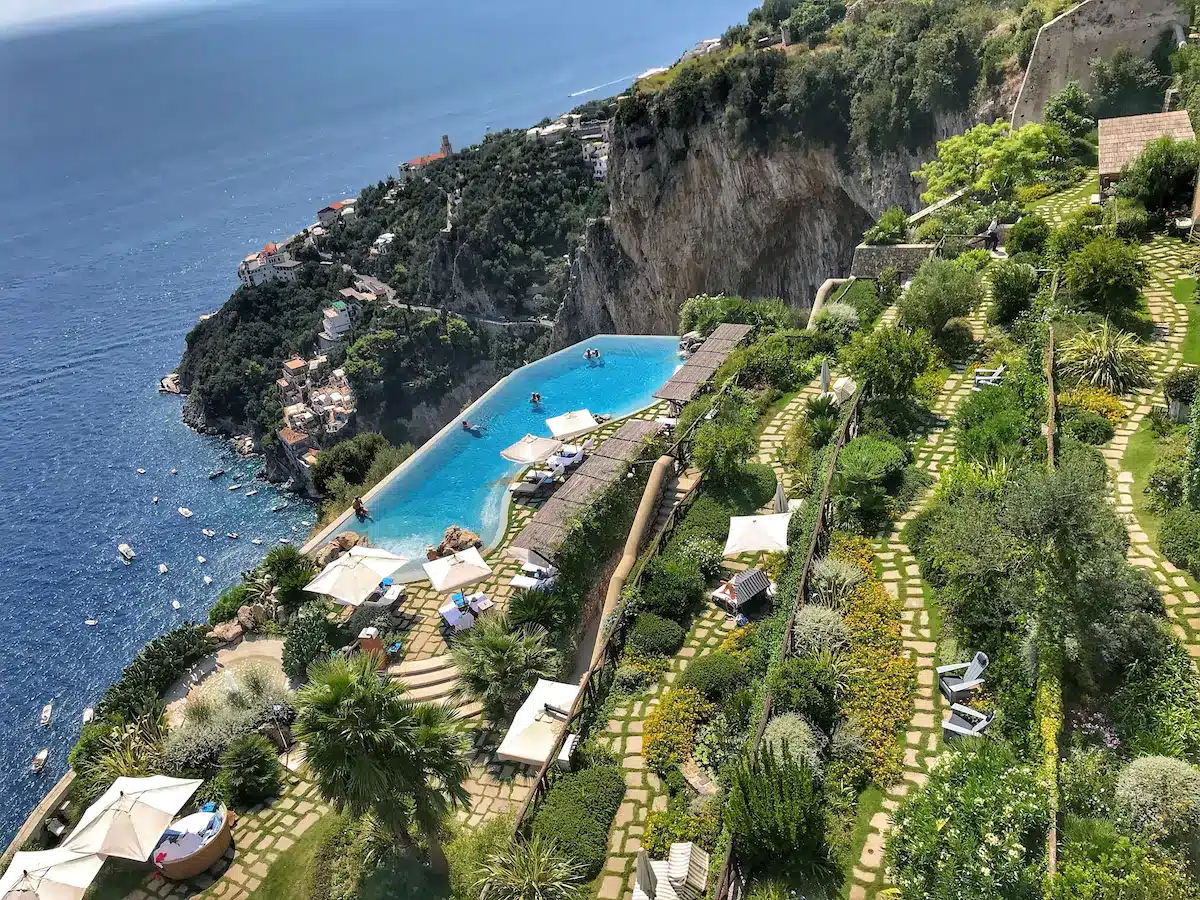
Carved into a cliff above the sea, this former monastery balances grandeur with stillness. Terraced gardens, vaulted ceilings, and restrained interiors allow the drama of the coastline to remain central.
Despite its setting, the atmosphere is contemplative rather than performative. One feels invited to linger, to look outward and inward at once.
Castello di Reschio
Reschio is a restoration that unfolds slowly. An ancient estate reimagined over decades, it blends aristocratic heritage with contemporary sensitivity. Rooms feel lived-in rather than staged. The landscape is treated as an extension of the interior world.
Here, luxury resides in continuity and care, in the sense that nothing has been rushed.

Asia and the Pacific
Aman Kyoto
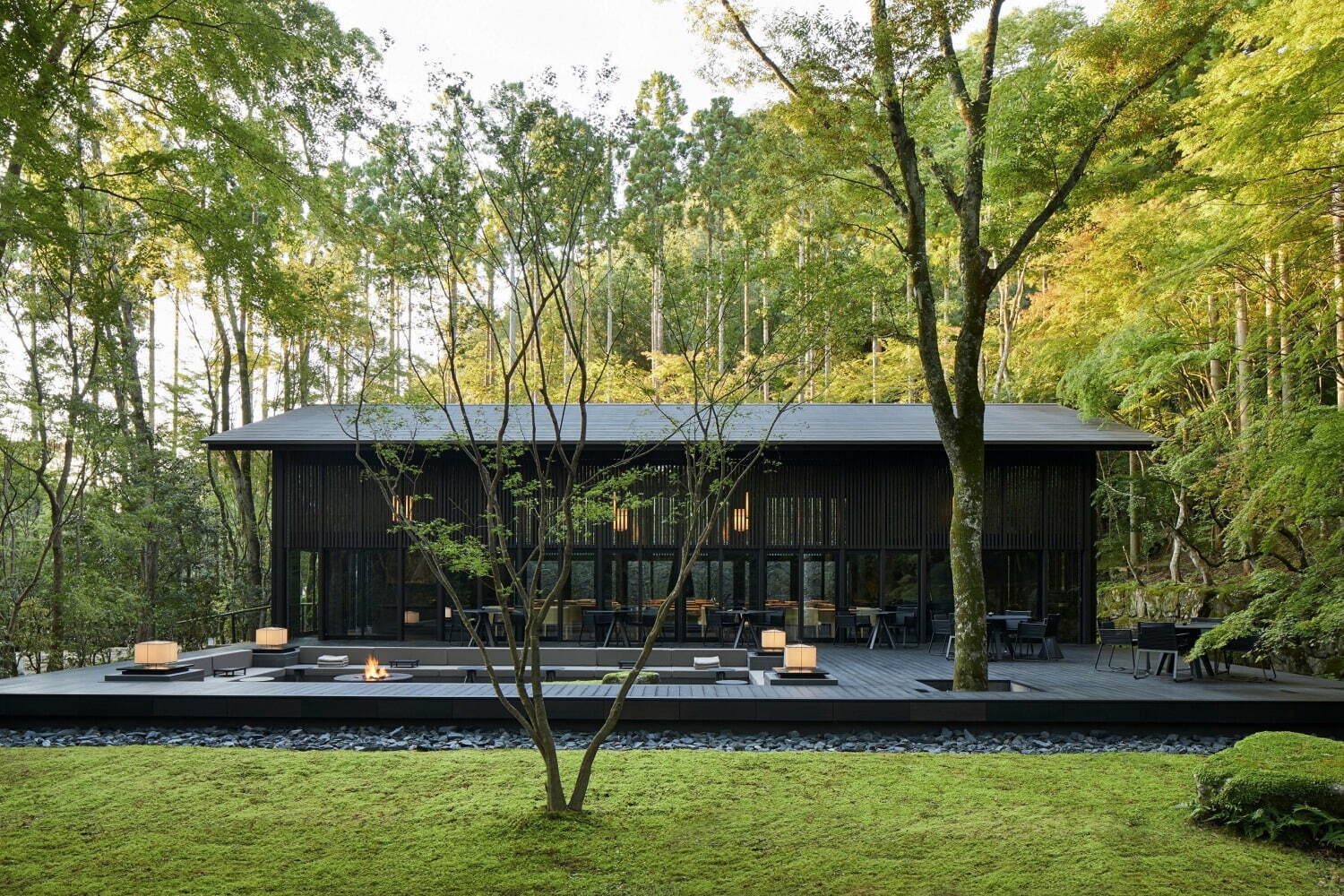
Hidden within a forested garden once intended for a textile museum, Aman Kyoto is defined by negative space. Stone paths, moss, and filtered light guide movement. Interiors are quiet, tactile, and deeply grounded in Japanese spatial philosophy.
The experience is less about Kyoto as a city than about Kyoto as a state of mind.
Hoshinoya Karuizawa
Set in a mountain village configuration, Hoshinoya Karuizawa unfolds along a river, with individual pavilions replacing a central hotel block. The architecture draws from traditional ryokan forms, updated with contemporary restraint.
Guests move slowly here, often in silence. The design encourages ritual and repetition, fostering a sense of calm continuity.

Bambu Indah
Bambu Indah is an experiment in radical reuse and ecological sensitivity. Antique Javanese houses are reassembled alongside bamboo structures, overlooking jungle and river.
The atmosphere is intimate, idiosyncratic, and deeply connected to craft. Luxury is expressed through imagination and care rather than polish.

Discover more from SNAP TASTE
Subscribe to get the latest posts sent to your email.