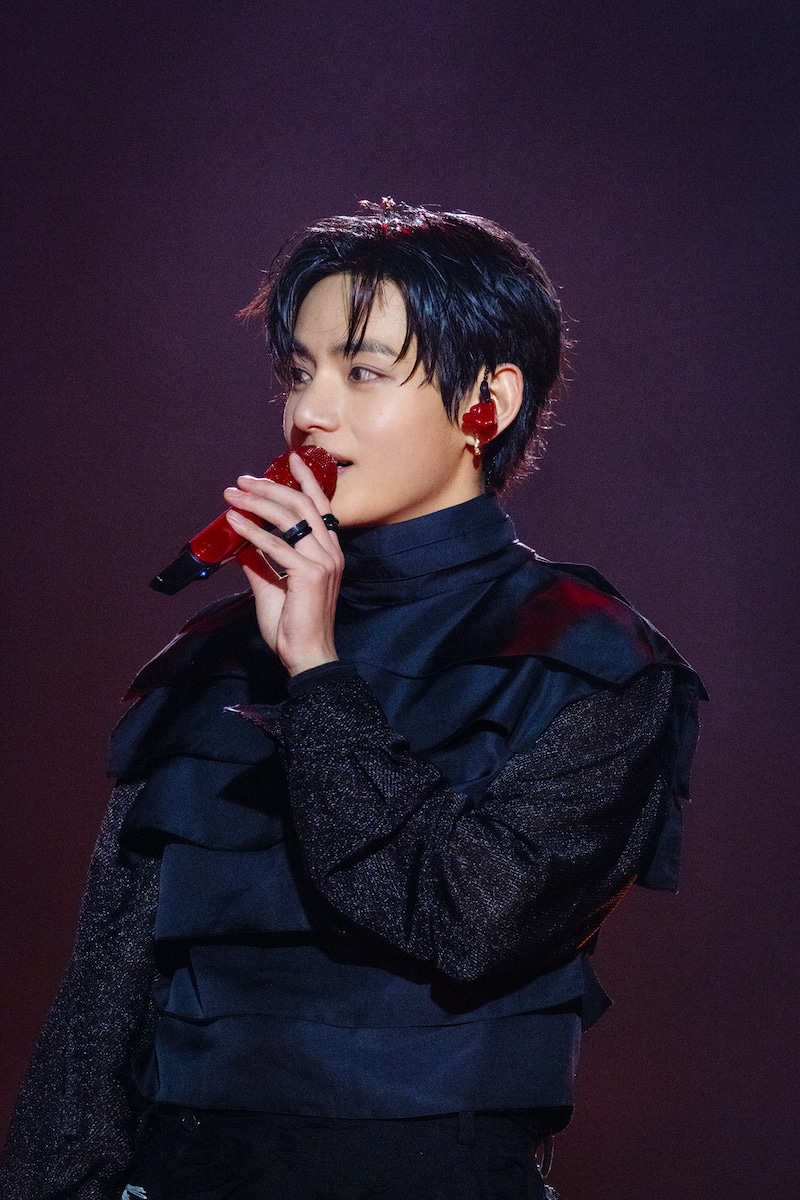
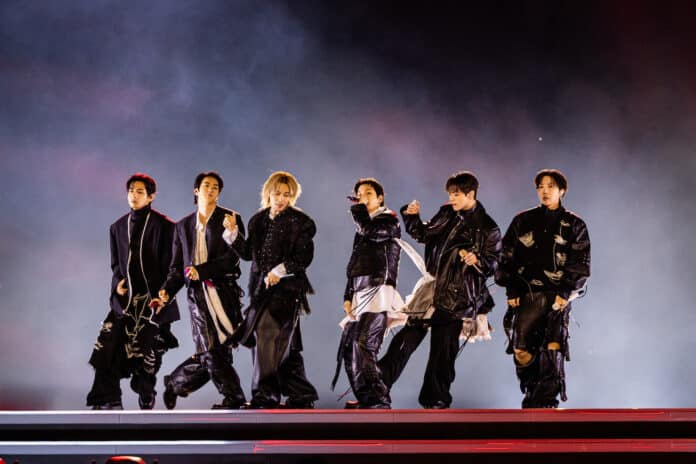

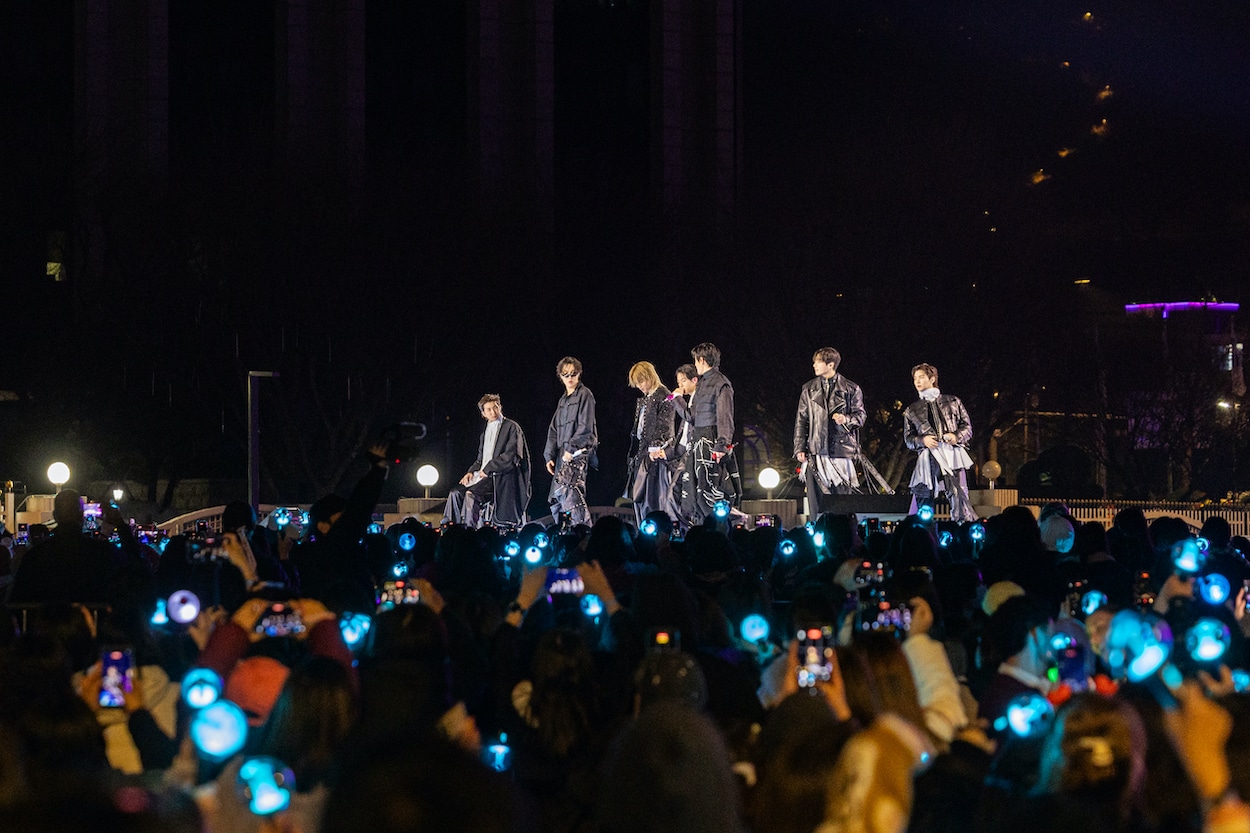
There is a particular quality to a crowd that has been waiting. Not the restless shuffle of an ordinary concert audience, not the polite anticipation of a theater, but something rawer and more existential: the held-breath stillness of people who have been counting down not days or weeks but years. That is what filled Gwanghwamun Square in Seoul on the night of March 21, 2026, as the lights dropped and seven silhouettes emerged from the dark.
Then RM’s voice, steady and warm as ever: “안녕 Seoul, we’re back.”
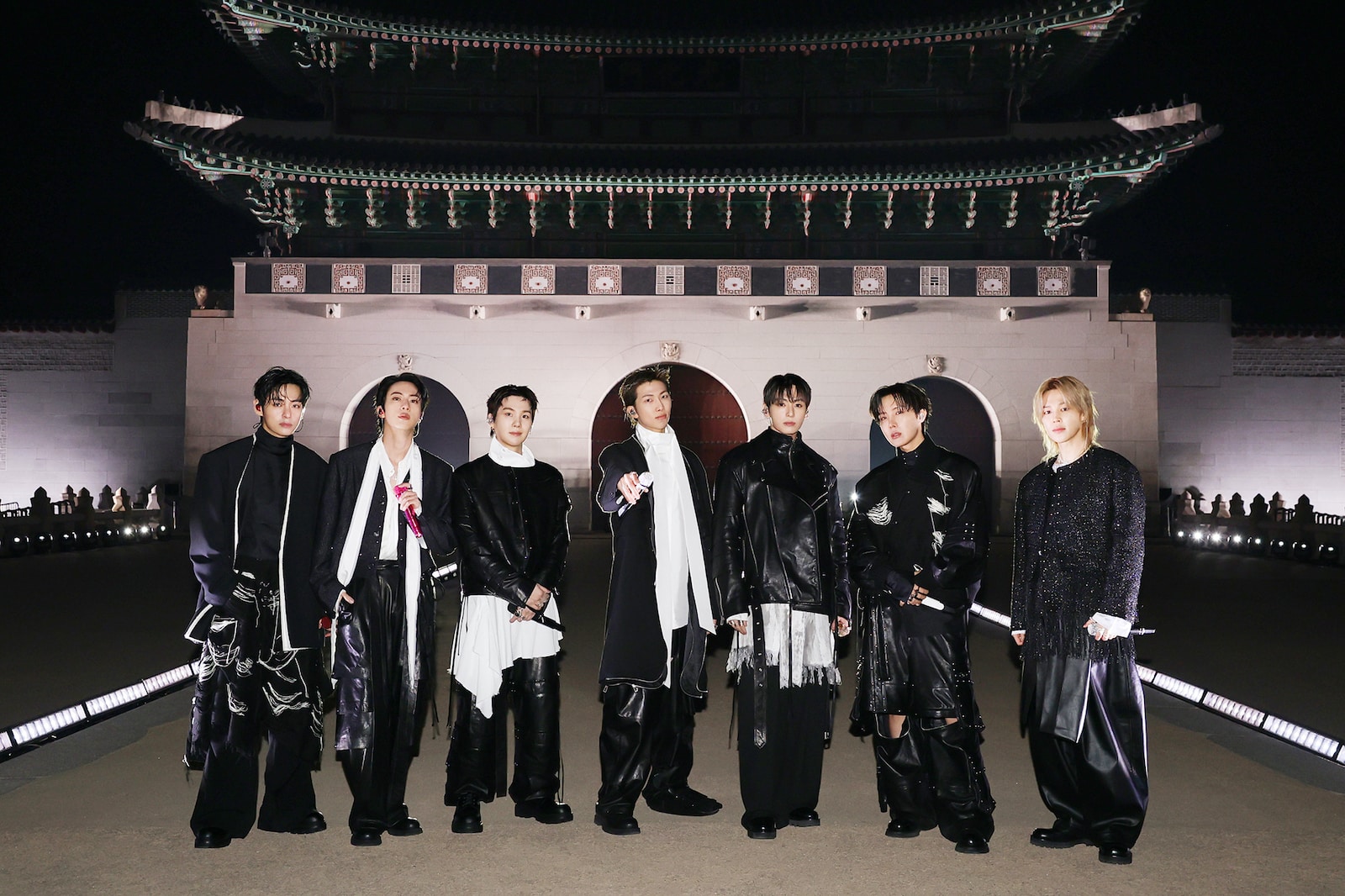
The roar that followed was less a cheer than a release: nearly four years of longing, of solo projects and military service and patient, aching faith, finally given somewhere to go. BTS THE COMEBACK LIVE | ARIRANG, streamed live to the planet on Netflix, was the night that the world’s biggest band
came home. And home, it turned out, looked a great deal like history.
Seven Young Men from Korea, and What They Became
To understand what this evening meant, you have to understand what BTS is, which is to say you have to be willing to set aside whatever assumptions you carry about boy bands and pop music and what the global entertainment industry rewards. BTS, formed in Seoul in 2013 under Big Hit Entertainment, began as a hip-hop group: scrappy, lyrically restless, uninterested in playing it safe. The seven members, RM, Jin, SUGA, j-hope, Jimin, V, and Jung Kook, spent their early years making music that was as much a critique of the K-pop industry as a product of it.
What happened next rewrote the rules entirely. BTS became the first Korean act to top the Billboard Hot 100, to sell out Wembley Stadium, to address the United Nations General Assembly. Their fanbase, known as ARMY, became a force of nature: organized, passionate, and borderless in a way that no marketing strategy could manufacture. The band did not just cross over. They dissolved the very idea of “crossing over,” proving that music’s emotional frequency requires no translation.
Then, in 2022, South Korea’s mandatory military service requirement claimed them one by one. Each member enlisted. The industry, accustomed to the brutal churn of pop careers, wondered quietly if this was where the story ended. Many Korean groups do not survive enlistment; the culture moves too fast, and absence is rarely forgiven. BTS and their fans seemed to operate by a different set of rules. The question was never whether they would return. It was what they would return as.
ARIRANG: Coming Home Through a Folk Song
The answer came in the form of a word that every Korean child grows up knowing. Arirang. Released the day before the concert on March 20, ARIRANG, the group’s fifth studio album and their first as a complete unit since 2022, takes its name from Korea’s most beloved and enduring folk song, a melody so deeply woven into national identity that UNESCO recognized it as an Intangible Cultural Heritage of Humanity. The original song speaks of love, separation, and the longing for reunion. It is, in other words, the precise emotional texture of what BTS and their fans have been living.
The album wears that emotional honesty openly. Produced across two months of collaborative sessions in Los Angeles, it is, by the members’ own account, the most unguarded work they have ever made. “We wanted this album to capture who we are, and what’s been on our minds,” RM told the Gwanghwamun crowd. Lead single “SWIM” moves with the fluid grace of water finding its level. “Hooligan” arrives like a declaration, orchestral and cinematic. And then there is “FYA”: a propulsive, industrial-inflected track produced by Diplo, Flume, and JPEGMAFIA that sounds like nothing BTS has released before, proof that four years away has not made them cautious but hungry.
“With this album, we wanted to show you the most honest side of the seven of us. We worked hard to show a more mature and evolved BTS, and I’m so happy to finally present it to you.” SUGA
Gwanghwamun: The Weight of Where They Stood
The choice of Gwanghwamun Square as the performance venue was not incidental. Nothing about this evening was incidental. The square is the grand ceremonial entrance to Gyeongbokgung, the royal palace of the Joseon dynasty, which governed Korea for more than 500 years. Standing sentinel in the square are statues of two of the nation’s most revered figures: King Sejong the Great, who in 1443 gifted his people the Hangul writing system, and Admiral Yi Sun-shin, who repelled foreign invasion in the 16th century. The square has historically gathered Koreans not just for celebration but for resistance and remembrance. It holds the country’s memory in its stones.
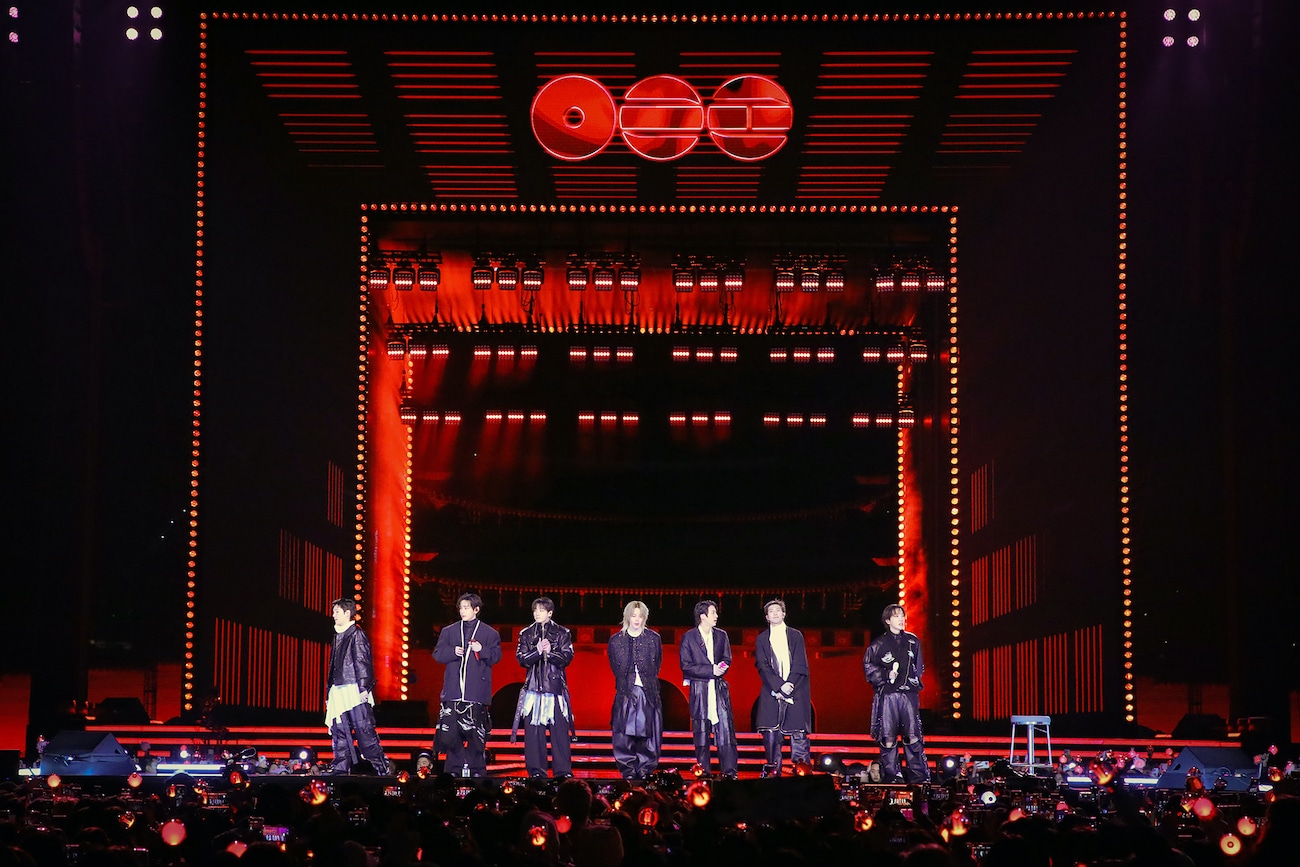
BTS THE COMEBACK LIVE | ARIRANG was the first standalone concert ever staged there. The set design honored that gravity without being swallowed by it: a vast back wall of layered LED screens framed the ancient gate and the mountains rising dark and patient behind it, so that the history and the performance breathed together rather than competing. To stand in that square on that night, looking up at seven young men from Korea who have become genuinely planetary figures, was to feel something that pop music rarely delivers: a sense of occasion with actual stakes.
How the Night Began: “Body to Body” and the Sound of an Exhale
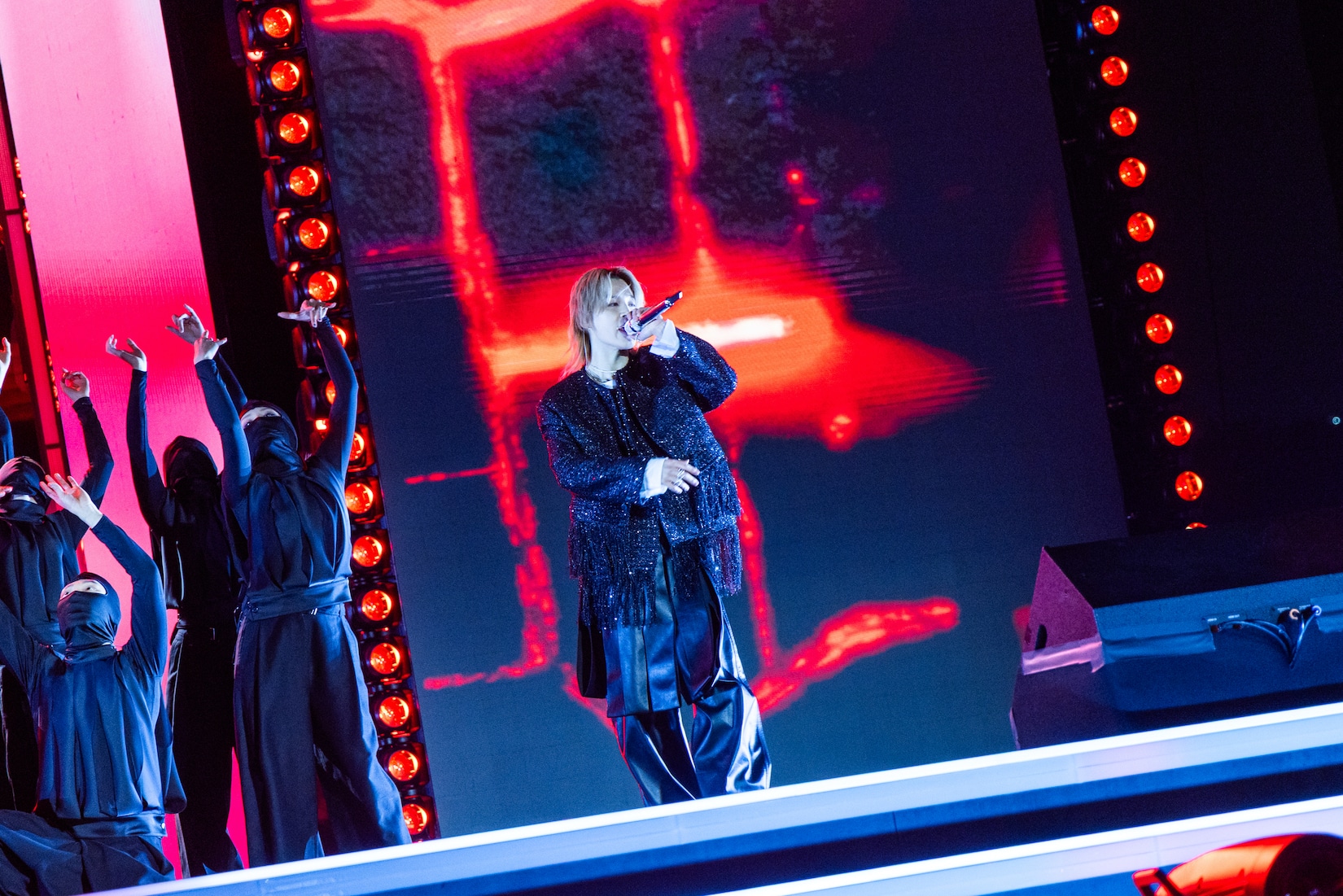
The show opened with “Body to Body,” the first track on ARIRANG, and the song’s opening declaration, “Born in Korea, playing for the world,” landed with the force of a thesis statement. The members materialized through the stage in a formation that managed to feel both effortless and precise, flanked by dancers and, in the song’s latter half, by musicians and singers in Joseon-era hanboks who performed the traditional “Arirang” folk melody woven into the track’s DNA.
It is worth pausing here on that folk song. The first known recording of “Arirang,” in 1896, was also the first Korean song ever recorded in the United States, made by three young Korean men who had traveled to Howard University. Three of seven, as it happens. The coincidence felt less like trivia and more like rhyme: history folding back on itself, as it tends to do when something genuinely meaningful is happening. BTS performed “Body to Body” as a song about separation and reunion, and the crowd at Gwanghwamun understood every word.
The Performance: Charisma That Time Did Not Touch
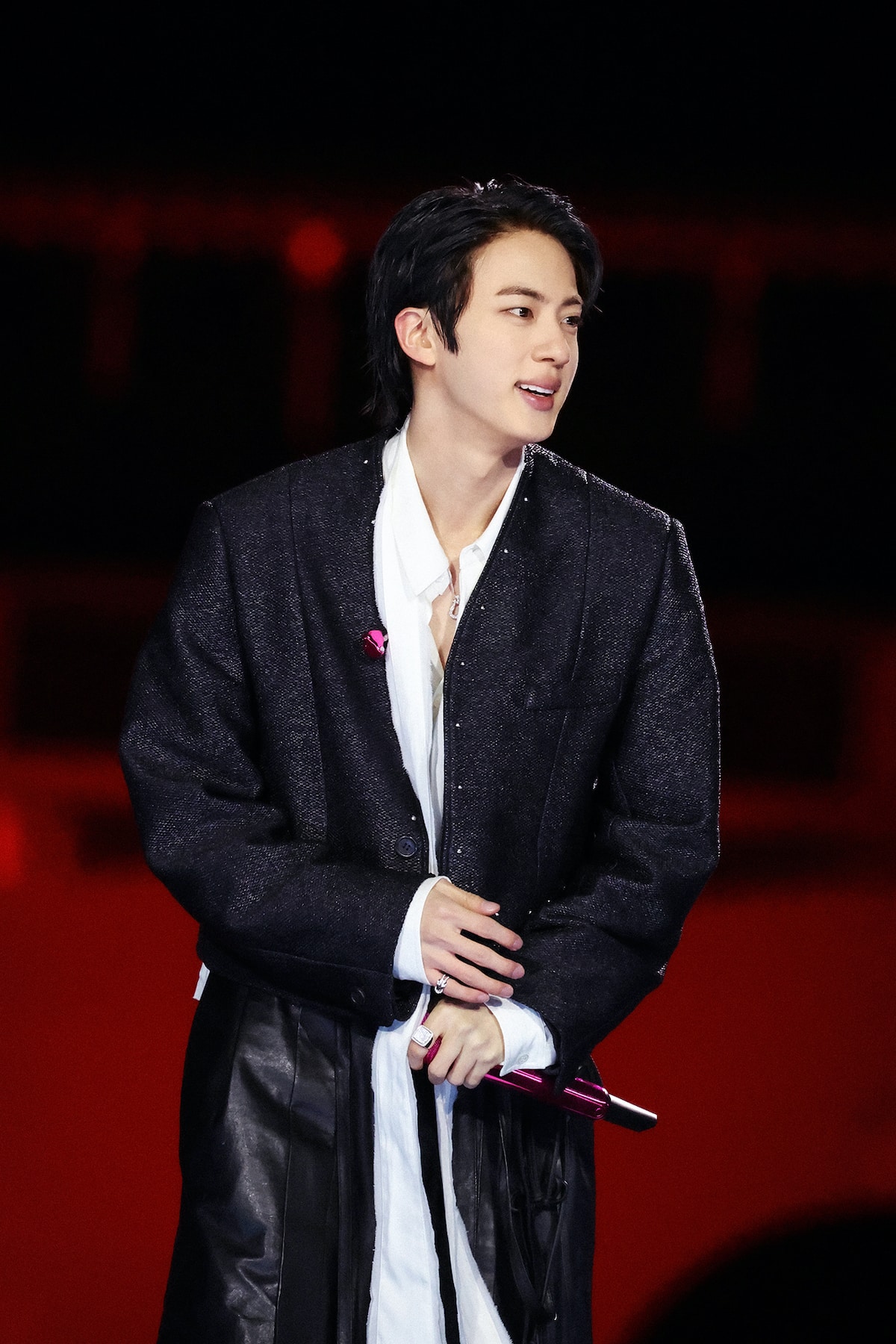
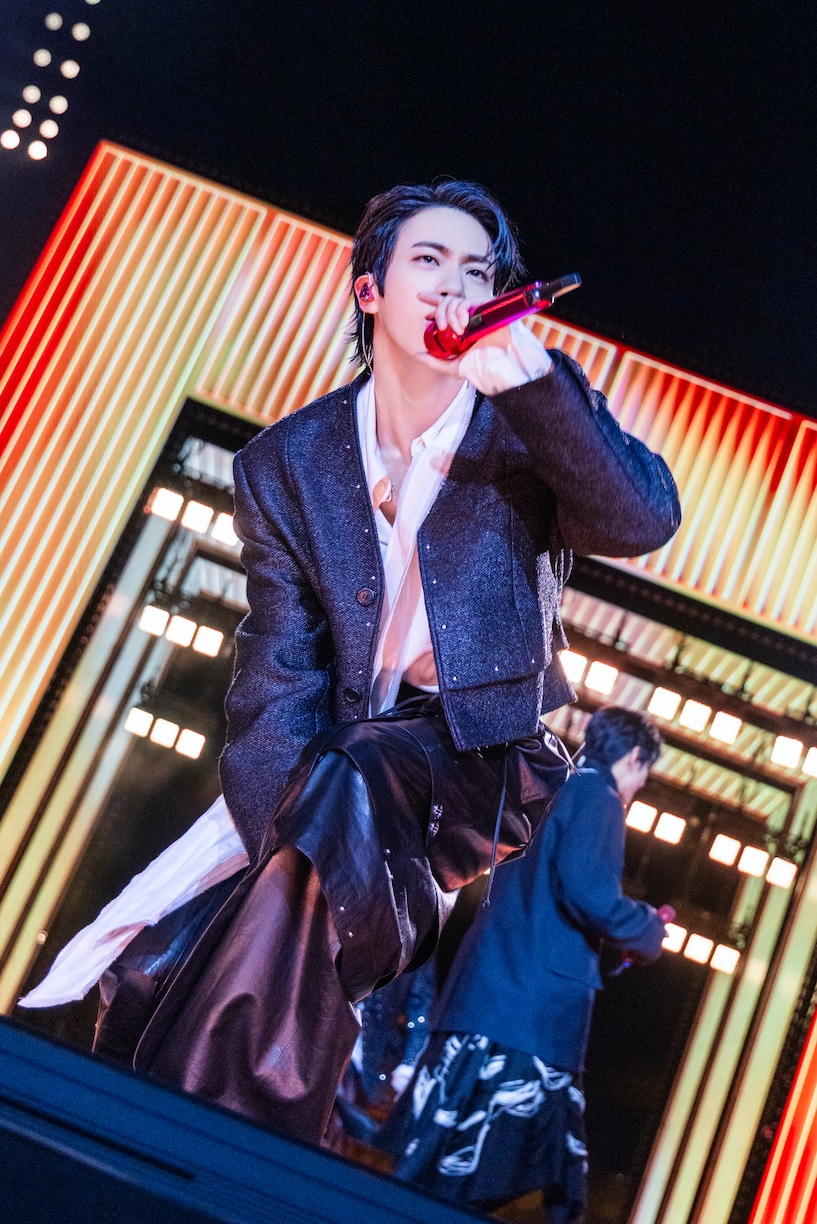
“Hooligan” came next, Jin emerging in a black leather face mask as the song’s orchestral melody unfurled like the score of a film you cannot look away from. The full company of masked backup dancers filled the stage with controlled chaos, and through it all, the members held focus with a charisma that years away had not dimmed in the slightest. V closed the number with his signature expression, heavy-lidded, magnetic, faintly amused by his own power, and the sound of thousands of people simultaneously losing their composure echoed somewhere across every time zone watching.
Even RM, who had injured his ankle during rehearsals just two days prior and remained seated through portions of the show, commanded the room with a stillness that felt like its own kind of authority. There is something revealing about a performer who can hold a crowd from a stool. He did not need the choreography. He never really did.
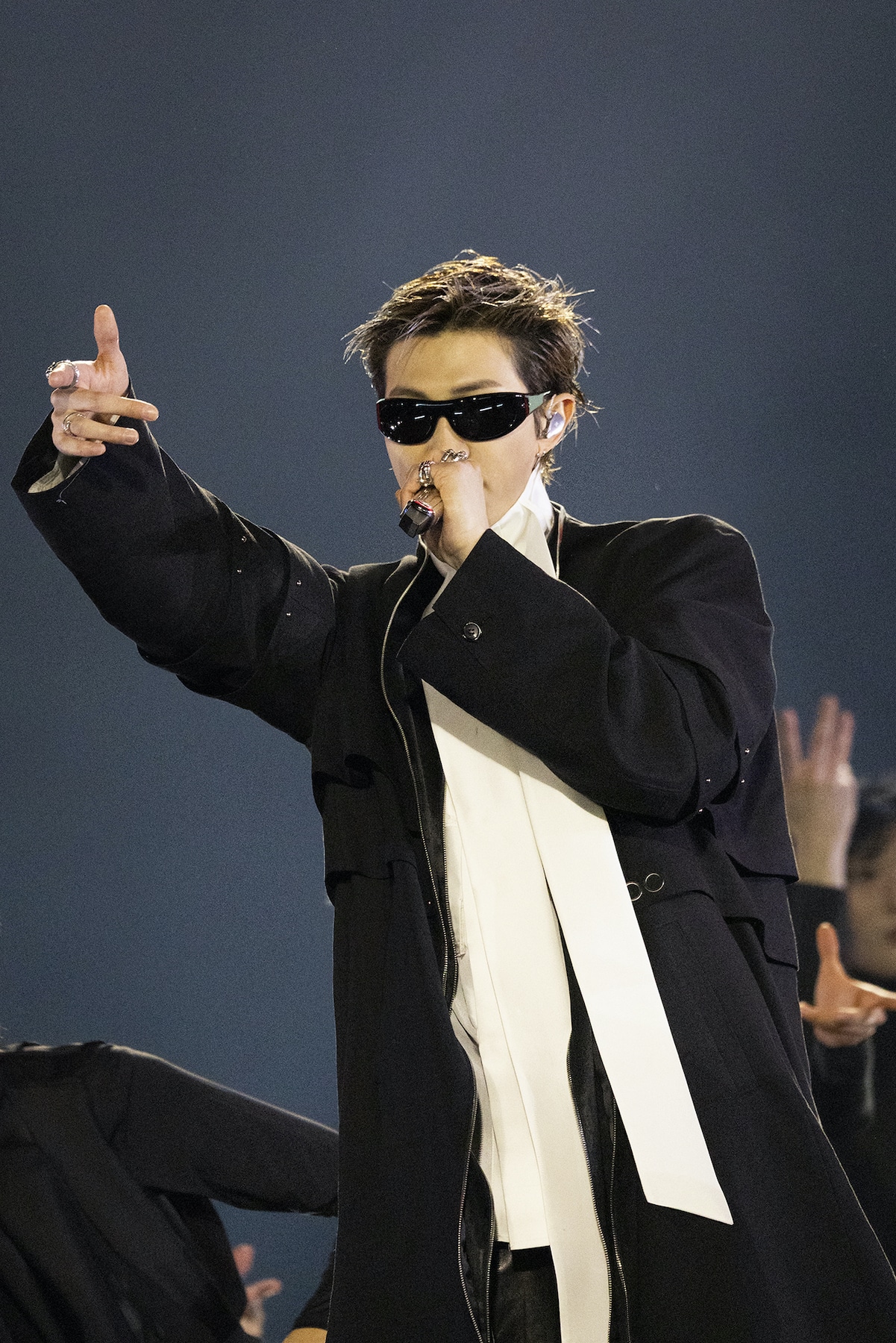
“2.0” followed, SUGA opening with the kind of verse delivery that makes you forget other rappers exist, the seven of them moving through the song with a relaxed confidence that the lyrics wore openly: “You know how we do.” Yes. We do now.
“I don’t think I’ll ever forget tonight. I definitely felt some pressure about the comeback, but being here in front of you all, it feels great.” Jung Kook
The new songs arrived one after another across the evening’s arc, each one a first live performance, each one adding dimension to an album that rewards close listening. “FYA”’s industrial stomp felt deliriously strange against the ancient gate, and exactly right for that reason. “SWIM” moved across the stage in flowing waves of choreography, the members’ bodies tracing the precise emotional shape of a song about moving through life’s currents rather than fighting them. And “Normal”, the night’s most vulnerable offering, brought a quiet so charged it felt like a held breath, the lyrics laying bare the psychological weight of extraordinary fame with a frankness that most artists would not dare: “Kerosene, dopamine, chemical-induced / Fantasy and fame, yeah, the things we choose.” The crowd did not so much applaud as absorb it.
Jimin, standing at the edge of the stage, gave voice to what the room was feeling. “The fact that I am speaking here… I am so moved,” he said quietly. “All seven of us standing on stage together makes me so happy. Thank you all so much. You have filled Gwanghwamun Square today.”
The Songs They Already Knew By Heart
When “Butter” arrived, the crowd recognized the opening notes before they could fully form, and the square became something close to a living organism: 260,000 people with the same memory activated at the same instant. RM and V, apparently constitutionally incapable of not performing for each other, spent the dance break in a private comedy that the cameras caught and the world smiled at.
Then came “MIC Drop,” the Korean version, which is to say the version with sharper teeth, with j-hope at the front of the stage, moving with the kind of precision that makes dancing look like a second language he was simply born speaking. The song, which has always been a kind of defiant aria about proving doubters wrong, carried new weight in this context. “Dynamite” closed the main set, fizzing and bright, a deliberate injection of joy after an evening that had asked the audience to feel a great deal. It worked.
Mikrokosmos: The Only Possible Ending
They came back, of course. Encore is too small a word for what “Mikrokosmos” is in the BTS universe. Written as a love letter to ARMY, its title drawn from the Greek for “small world,” the song holds the philosophy that each person carries their own cosmos within them, and that together they form something vast and luminous beyond measure. As the LED screens bloomed into deep blue starfields and the crowd raised their light sticks in a sea of slow, synchronized color, the emotion in Gwanghwamun Square reached the quality of something you try to describe later and find that language keeps sliding off of.
It was, simply, one of those nights. The kind that people who were there, whether in the square itself or watching at 4 a.m. in a bedroom in London or Lima or Lagos, will reference for the rest of their lives as a before and after.
Live on Netflix, and What Comes Next
That the evening was broadcast live on Netflix, available to all subscribers at no additional cost, speaks to something real about where music and media have arrived. BTS THE COMEBACK LIVE | ARIRANG is now streaming in full for anyone who wishes to revisit it, or encounter it for the first time. And on March 27, the documentary BTS: THE RETURN arrives on the platform, directed by Bao Nguyen, the filmmaker behind The Greatest Night in Pop, offering rare access to the band as they reunited in Los Angeles to make the ARIRANG album. It is, by all accounts, a film about what it costs to disappear and what it takes to come back.
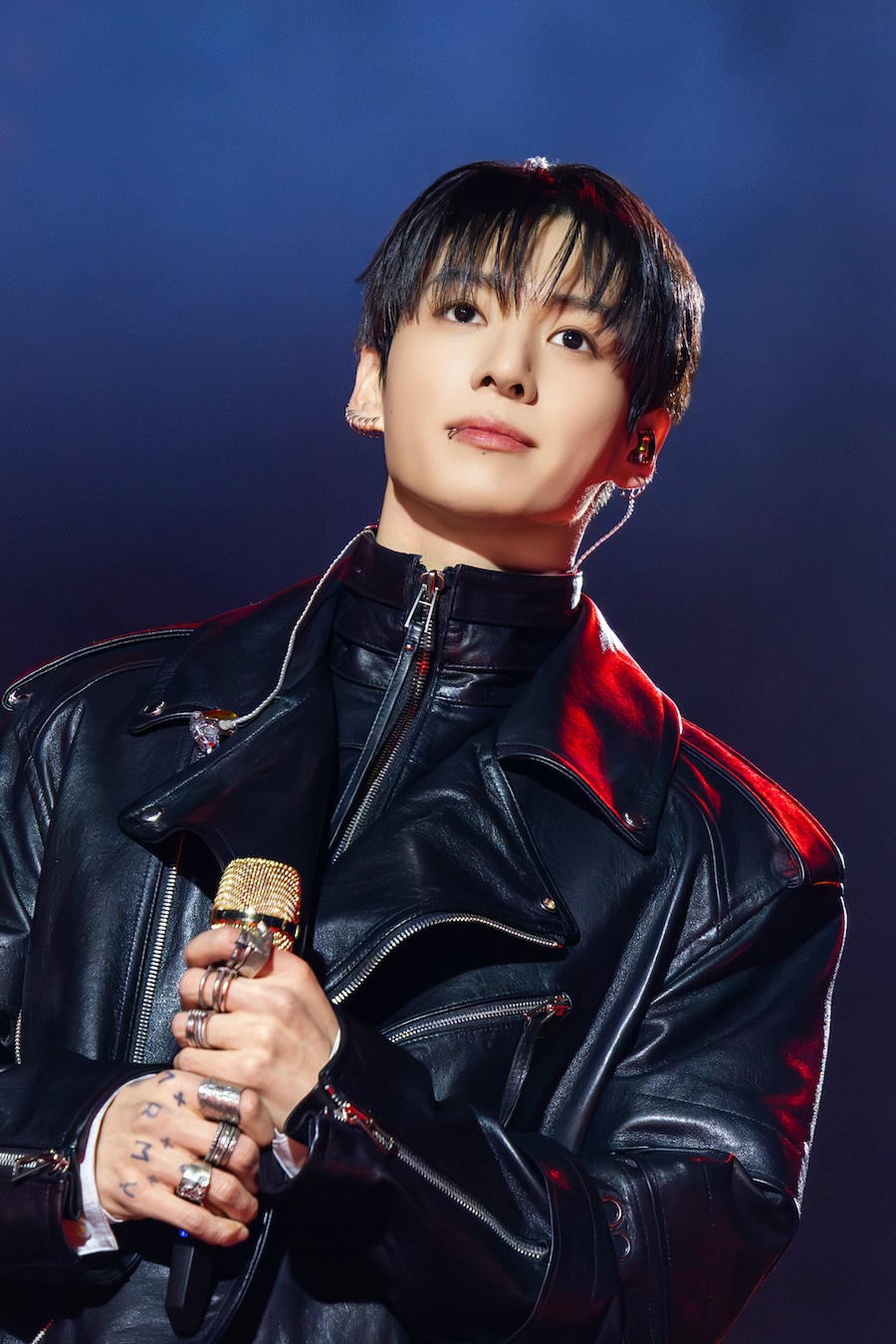
Beyond both, the ARIRANG World Tour looms: 82 shows across 34 regions, beginning in April 2026 and running through March of the following year. The largest tour of their career. j-hope said it from the Gwanghwamun stage with the kind of calm certainty that only comes from knowing exactly who you are: “BTS 2.0 is just getting started.”
Standing in the shadow of a 600-year-old gate, in a square that has witnessed coronations and protests and the long, complicated passage of Korean history, seven men from Seoul looked out at a world that had waited for them and made it very clear that the wait was worth it.