


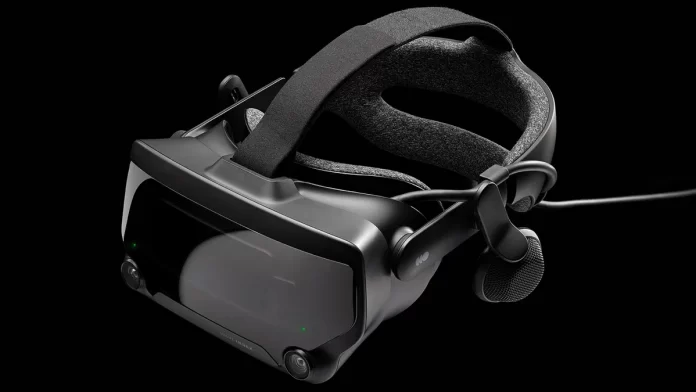

In September 2025, Valve Corporation filed two U.S. trademark applications for the term “Steam Frame.” While Valve has remained silent on the matter, these filings, coupled with recent code updates in SteamVR and years of speculation around the company’s next-generation headset codenamed Deckard, point to a pivotal moment in the evolution of consumer VR. This article analyzes the evidence, contextualizes Valve’s long-running VR strategy, and projects what may lie ahead.
The Evidence: Trademarks and Code
Trademark Filings (September 2025)
- Serial 99370857 (Class 9): Computer hardware, networking hardware, peripherals, and multimedia streaming technologies.
- Serial 99370861 (Class 28): Game consoles, video game consoles, and video game controllers.
The breadth of these filings suggests “Steam Frame” could cover multiple categories of hardware—VR headsets, controllers, consoles, or even companion devices. Importantly, VR is not explicitly mentioned, yet the overlap with prior leaks and code references strongly hints at virtual reality ambitions.
SteamVR Code Revisions
Recent builds of SteamVR have replaced references to “Overlays” with “Frames.” Messages such as InitFrameSystem and UpdateFrameUIs reinforce this branding shift, signaling that Valve is preparing user-facing features that align with the new trademark.
The Deckard Connection
Valve’s VR roadmap has been shaped by persistent rumors around an in-development headset known internally as Deckard. Key findings over the past four years include:
- 2021–2023: Datamined code strings and patents reference Deckard and new controllers codenamed “Roy.”
- 2023: Valve released SteamVR 2.0, further fueling speculation about hardware integration.
- 2024–2025: Developers uncovered controller models already embedded in SteamVR drivers, suggesting hardware maturity.
- 2025 (early leaks): Reports indicated Deckard could feature ~2K resolution per eye, a Snapdragon 8 Gen 3 chipset, and standalone wireless operation. Price estimates hovered around $1,200, though these remain unverified.
Timeline of Key Developments
- 2021–2022: Early Deckard references in SteamVR code and patents.
- October 2023: SteamVR 2.0 launches, introducing significant UI updates.
- February 2025: Leaks suggest standalone headset with ARM-based APU, potential late-2025 release window.
- March 2025: New “Roy” controllers confirmed in SteamVR drivers.
- September 2, 2025: Valve files “Steam Frame” trademarks (Classes 9 and 28).
- September 2025: SteamVR beta rebrands “Overlays” as “Frames,” linking code and trademark language.
Valve’s silence is not unusual. Historically, the company has relied on patents, leaks, and sudden product launches rather than traditional marketing campaigns. This creates a pattern: hints accumulate in public filings and codebases, then culminate in a product release. The Steam Deck handheld followed a similar trajectory.
The strategic implications of “Steam Frame” are threefold:
- Hardware Ecosystem Expansion: The dual trademark classes suggest Valve may not limit itself to a headset. A living-room console, akin to the long-rumored “Fremont” project, could also emerge.
- VR Leadership Reinforcement: Deckard, if launched under the Steam Frame branding, would directly challenge Meta Quest and Sony PSVR by offering high-end standalone VR with deep Steam integration.
- Brand Unification: The rebranding of SteamVR UI to “Frames” points to a coordinated effort to align software terminology with upcoming hardware.
What We Don’t Know
- Official Specifications: Valve has not released details on resolution, chipset, or refresh rates.
- Regulatory Approvals: No FCC filings tied to Steam Frame have surfaced as of September 2025.
- Product Scope: It remains unclear whether Steam Frame refers solely to a headset, a broader console, or a multi-device ecosystem.
The convergence of trademark filings, SteamVR code changes, and long-documented Deckard leaks strongly suggests Valve is preparing a significant hardware launch under the Steam Frame brand. While no official announcement has been made, the evidence points to a late-2025 debut, potentially reshaping the competitive landscape of consumer VR.
For technology leaders and analysts, the lesson is clear: Valve’s method of innovation by obfuscation—keeping projects quiet until regulatory and code breadcrumbs become unavoidable—remains its hallmark. The coming months will determine whether Steam Frame represents a headset, a console, or both, but the groundwork laid over the past four years indicates that Valve’s next major hardware play is imminent.